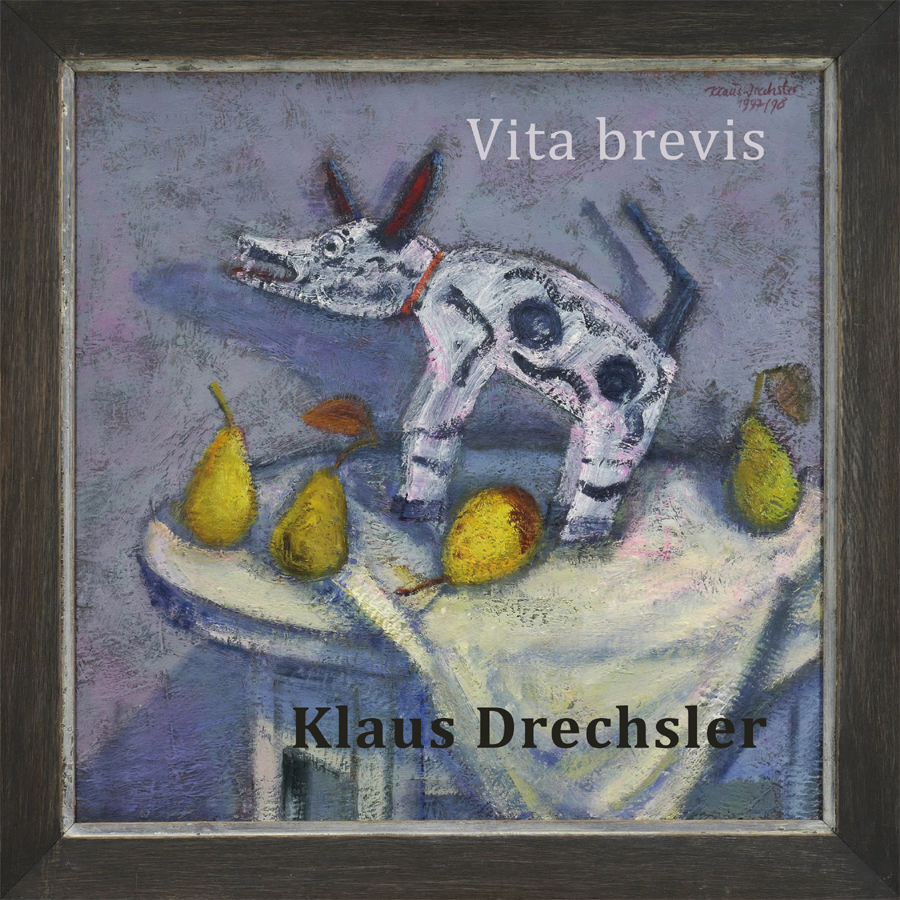
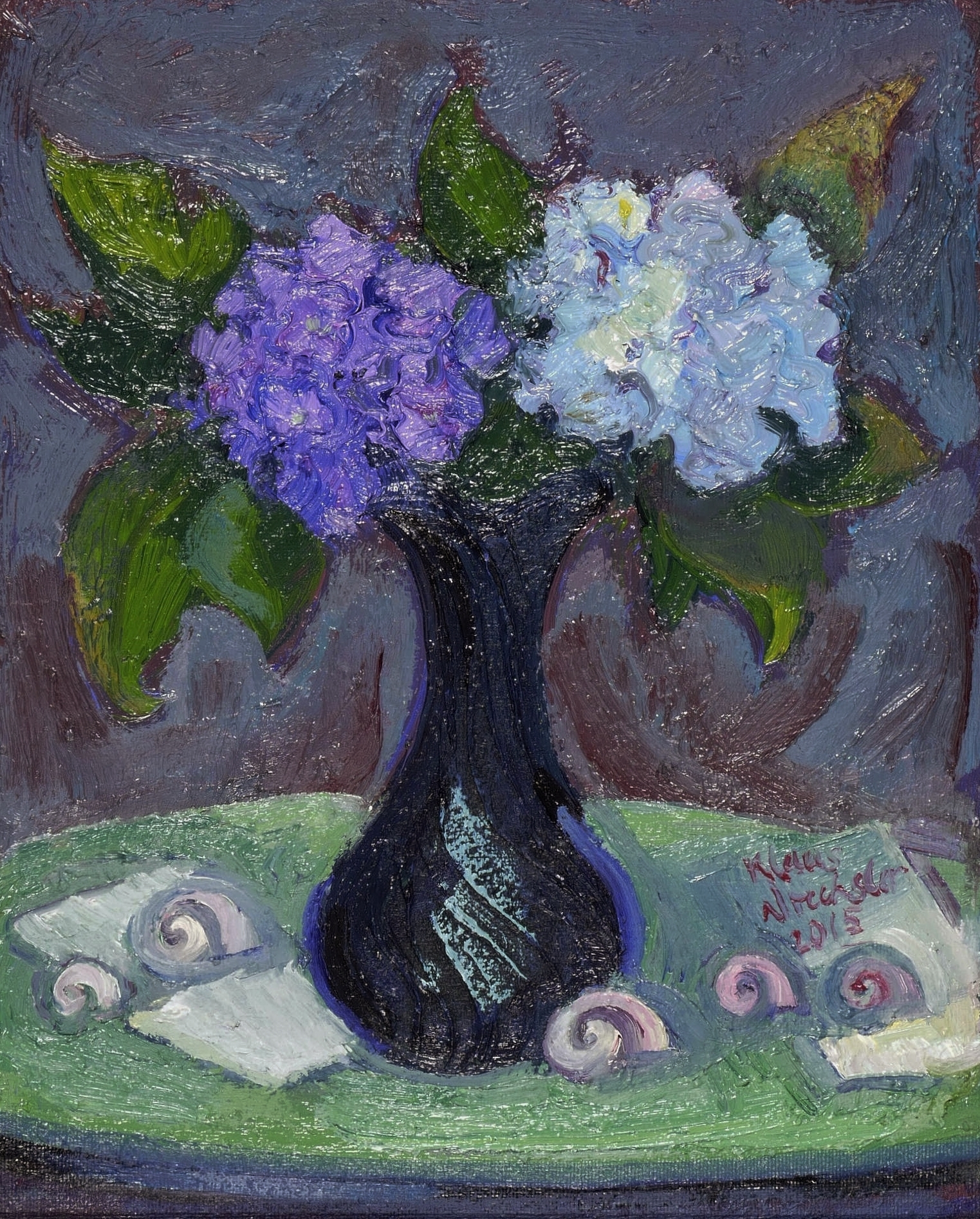
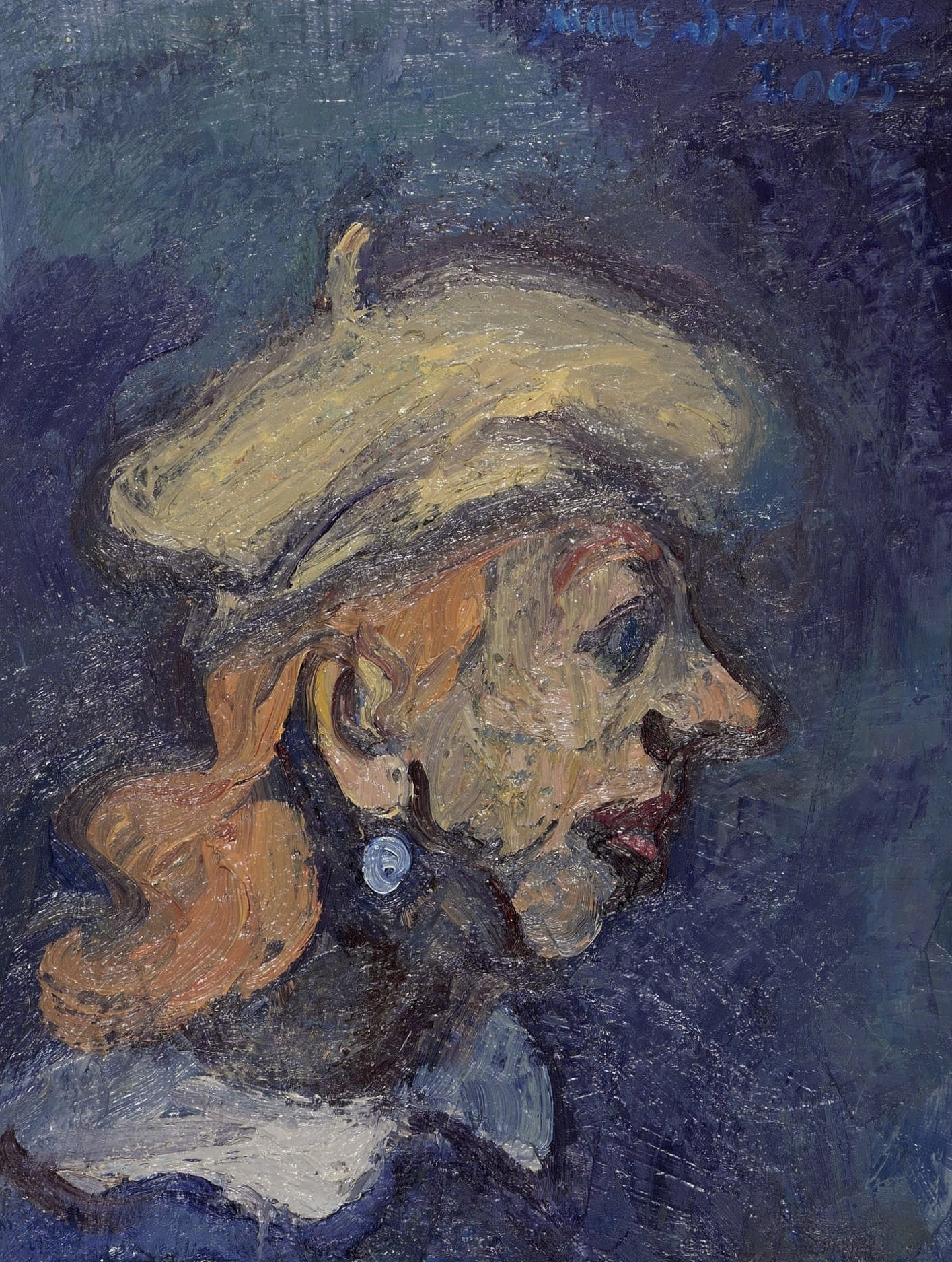
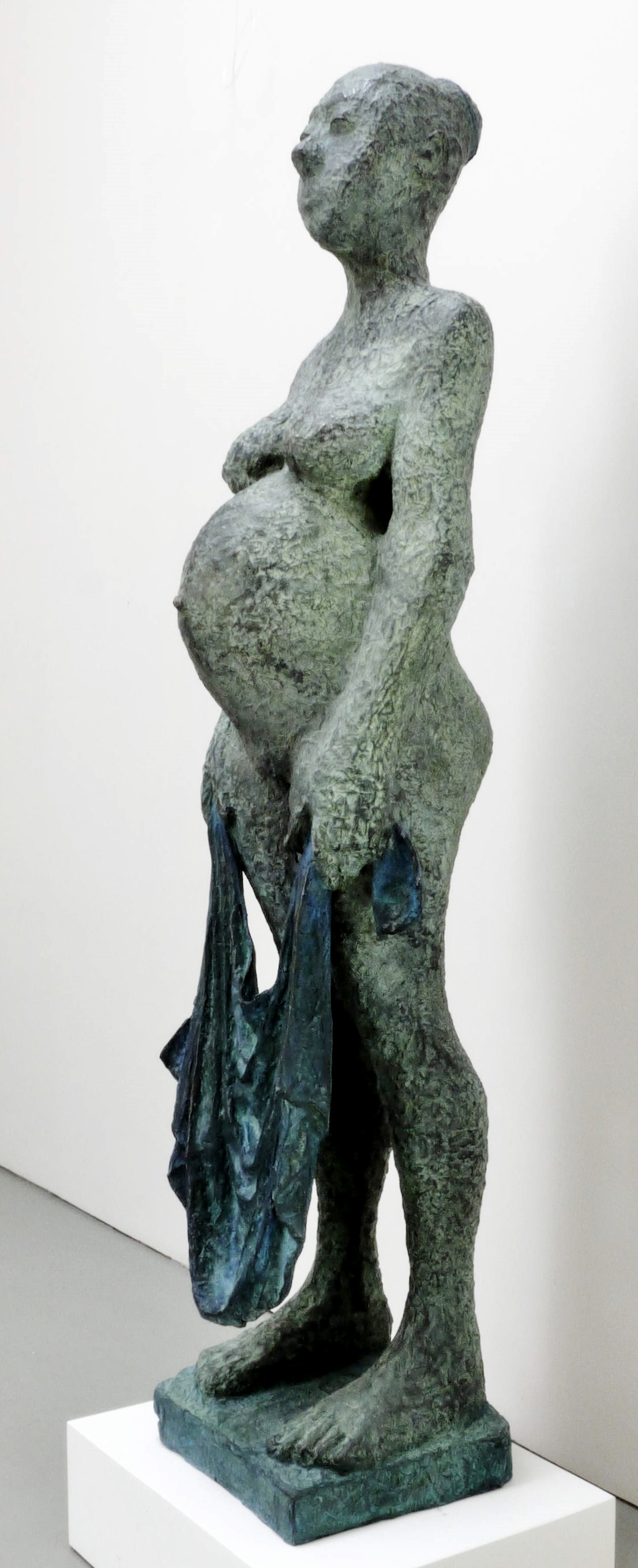
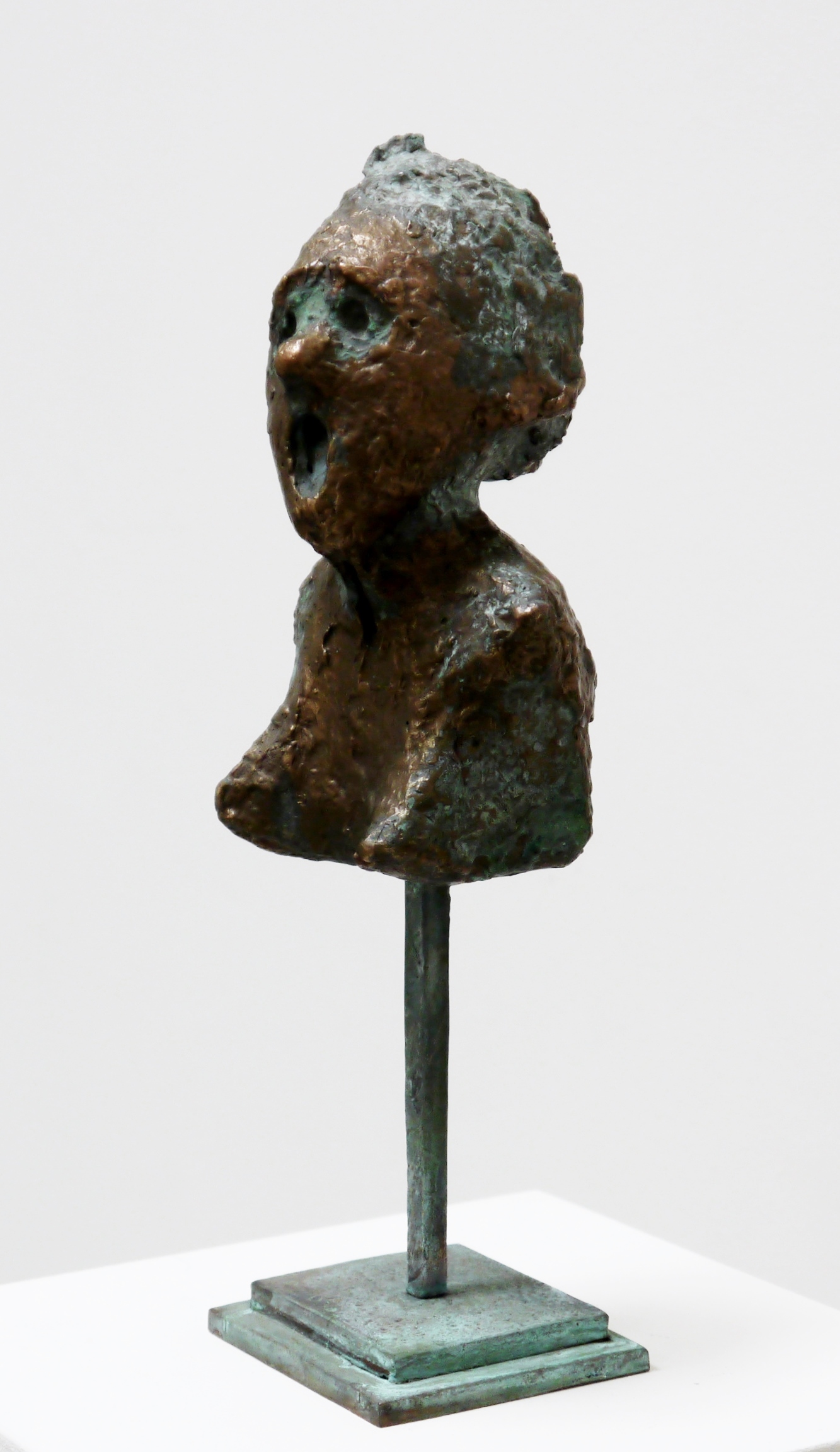
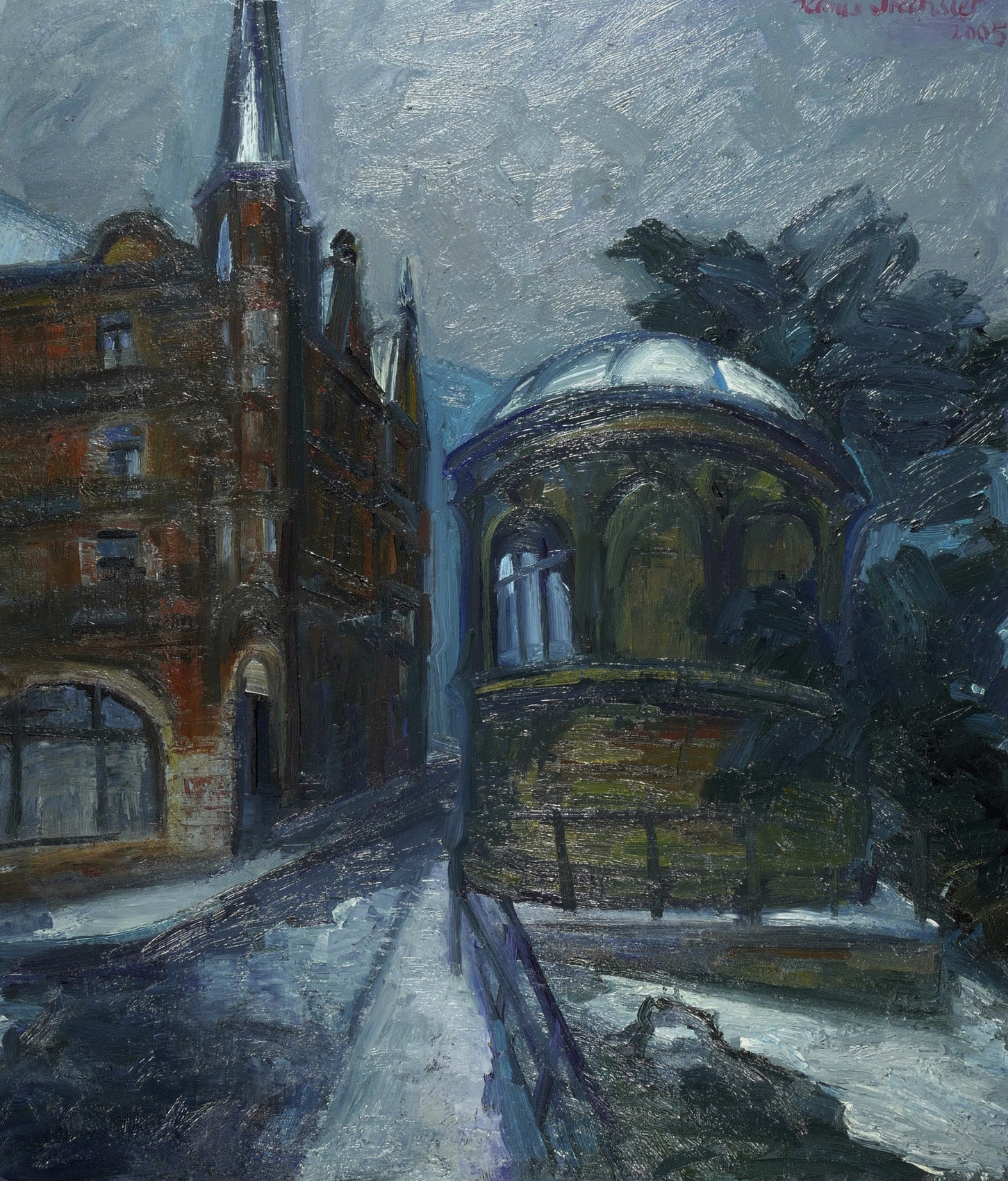
Vita brevis, ars longa. Life is short, art is long. Klaus Drechsler looks back on a large and enduring body of work, always with an eye on the fragile beauty and transience of life. On the occasion of his 80th birthday, we are exhibiting paintings and sculptures from thirty years of creative work.
Drechsler, Klaus. – „Atelierstillleben”
Drechsler, Klaus. – „Herbststillleben mit schwarzer Birne”
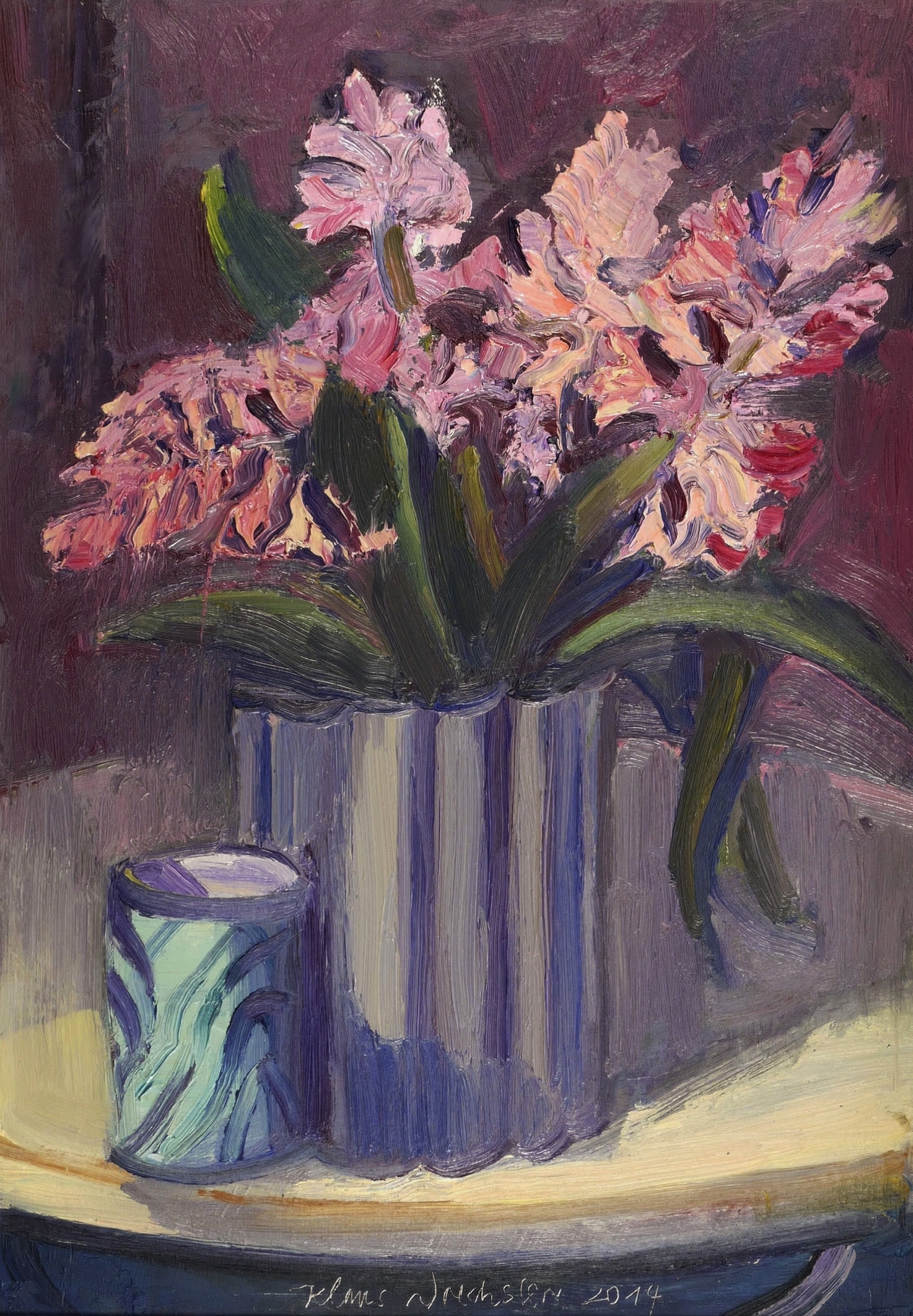
Drechsler, Klaus. – „Hyazinthen (rosa)”
Drechsler, Klaus. – „Abstelltisch mit Hummer”
Drechsler, Klaus. – „Eiertiegel”
Drechsler, Klaus. – „Weiblicher Torso I”
Drechsler, Klaus. – „Weiblicher Torso II (Amazone)”
Drechsler, Klaus. – „Behinderter”
Drechsler, Klaus. – „Der kleine Philosoph”
Drechsler, Klaus. – „Leidender II”
Drechsler, Klaus. – „Stillleben mit halber Melone”
Drechsler, Klaus. – „Vanitasstillleben mit Birne”
Drechsler, Klaus. – „Mädchenbüste”
Drechsler, Klaus. – „Äpfel, Birnen und Kürbisstück”
Drechsler, Klaus. – „Vanitasstillleben mit Maske”
Drechsler, Klaus. – „Spielkarten mit Granatapfel”
Drechsler, Klaus. – „Allegorie der Vergänglichkeit”
Drechsler, Klaus. – „Tod und Mädchen”
Drechsler, Klaus. – „Die Eitelkeit”
Drechsler, Klaus. – „Manfred II”
Drechsler, Klaus. – „Kürbisstück (Huldigung an PMB)”
Drechsler, Klaus. – „Herbstblatt (Ochsenzunge)”
Drechsler, Klaus. – „Maske mit Meeresschnecken”
Drechsler, Klaus. – „Sebastian”
Drechsler, Klaus. – „Raubfisch”
Drechsler, Klaus. – „Drei Paprikaschoten”
Drechsler, Klaus. – „Herbststillleben mit grünem Kürbis”
Drechsler, Klaus. – „Blaue und violette Hortensie”
Drechsler, Klaus. – „Liegende Schwangere”
Drechsler, Klaus. – „Frau mit gelber Mütze und Ohrring”
Drechsler, Klaus. – „Große Schwangere”
Drechsler, Klaus. – „Waldfunde mit Wildschweinschädel”
Drechsler, Klaus. – „Hommage für Jens Hackel”
Drechsler, Klaus. – „Zwei verdorbene Quitten auf Papier”
Drechsler, Klaus. – „Keifende Alte”
Drechsler, Klaus. – „Birnenstillleben mit weißem Holzhund”
Drechsler, Klaus. – „Spinat und Spiegelei”
Drechsler, Klaus. – „Stillleben mit rotem Meeresfisch I”
Drechsler, Klaus. – „Abstelltisch (mit Gabel, Flasche, Weißbrot und Eiertiegel)”
Drechsler, Klaus. – „Der Sieger”
Drechsler, Klaus. – „Peperoni, Knoblauch und Zwiebel”
Drechsler, Klaus. – „Pferde nach dem Schneeschauer”
Drechsler, Klaus. – „Orpheus in der Unterwelt”
Drechsler, Klaus. – „Winternacht am Joseph-Herrmann-Denkmal”
Drechsler, Klaus. – „Der Alte unter der Mondsichel”
Drechsler, Klaus. – „Breitmaulwendehals”
Drechsler, Klaus. – „Kleine Schwangere”
Drechsler, Klaus. – „Inderin”
Drechsler, Klaus. – „Greisin”
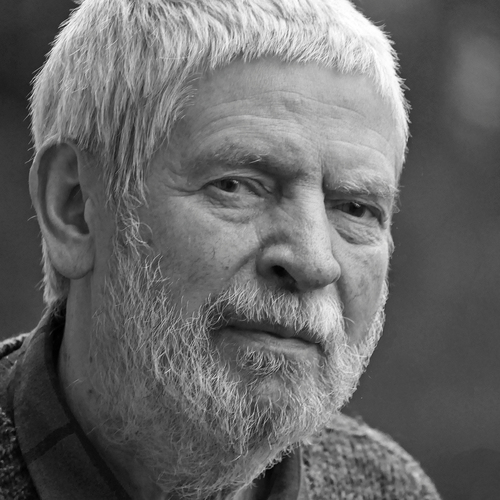
Klaus Drechsler
Klaus Drechsler looks back on a large and enduring body of work, always with an eye on the fragile beauty and transience of life. His paintings, graphic works and sculptures grew steadily over five decades without any internal breaks, independent yet in constant friction with art history and his time.
Böhlitz, Michael / Himmel, Anja (Hrsg.). – „Klaus Drechsler. Vita brevis”.
2020. Galerie Himmel (Eigenverlag), Dresden. – Ausstellungskatalog, von Klaus Drechsler. – 21 x 21 cm (Format).
8°, Broschur, 138 S., 56 Werk-Abb., 2 fotogr. Portraits. - Katalog zur Jubiläumsausstellung anlässlich des 80. Geburtstages ″Klaus Drechsler - Vita brevis″ in der Galerie Himmel in Dresden, 22.5.-18.7.2020. - Geleitwort von Anja Himmel und Michael Böhlitz, Texte von Frank Oehmichen, Anke Fröhlich-Schauseil und Jördis Lademann. Ausführlicher Katalogteil mit wesentlichen Arbeiten des Künstlers. - Erstausgabe, neu.
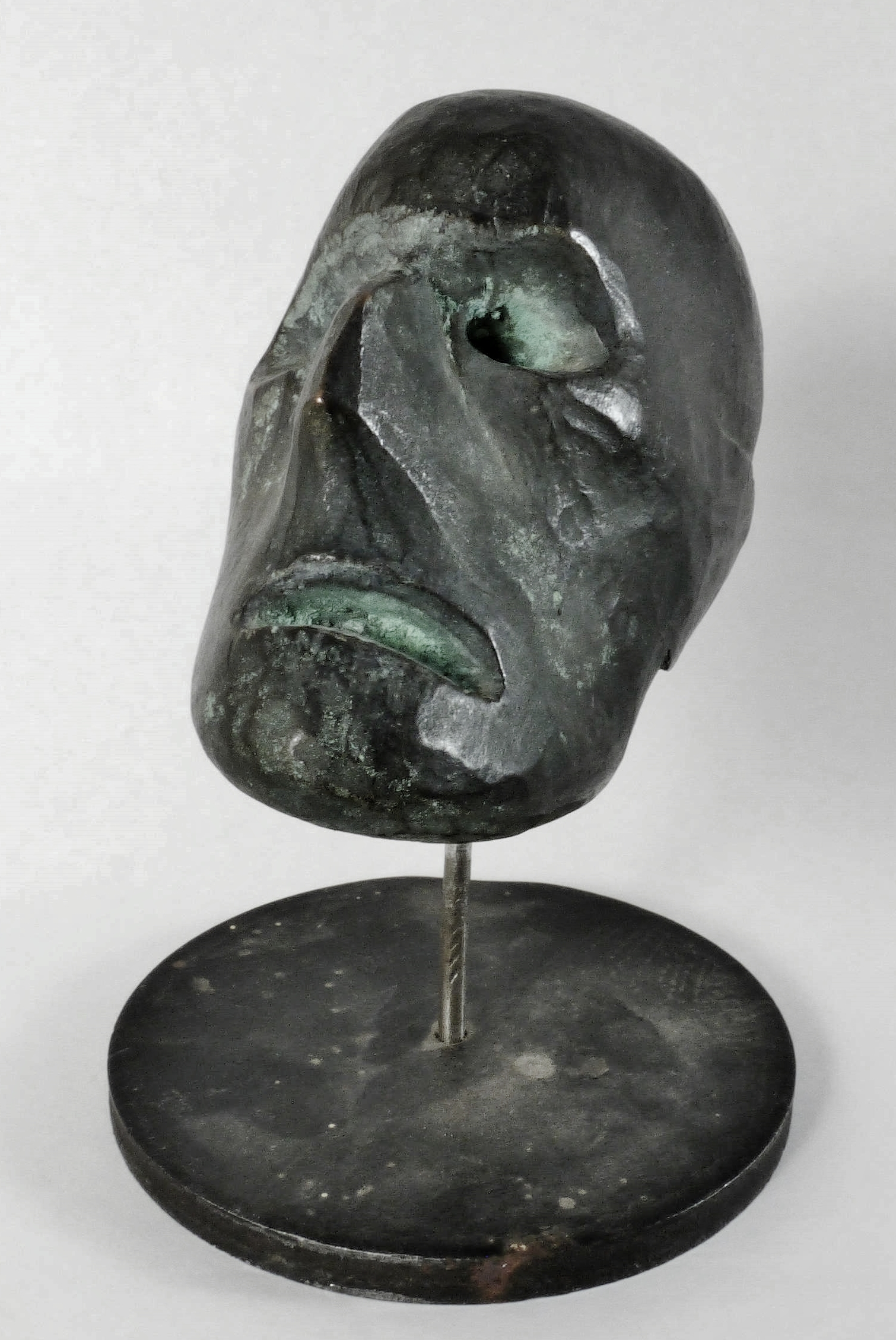
Klaus Drechsler was born into a family of farm labourers who had to leave their home in Silesia after the end of the war. The experiences of passing German and Soviet troops, some of whom were completely brutalised, overshadowed Drechsler's early years. These sometimes traumatic experiences left him with a vulnerability, sensitivity and acute hearing that and became a prerequisite for his artistic work. Klaus Drechsler spent his childhood and youth in Lusatia. Later, he settled in the idyllic Wachwitzgrund on the outskirts of Dresden. It was in this environment that he created his distinctive body of work. Soft tones resonate in the paintings. It is no coincidence that table still lifes are omnipresent here. The pivotal point is vanitas, the cycle of becoming and passing away, the relationship between beauty and transience. The basic motifs, such as skulls, fruit or books, are unspectacular and offer suitable metaphors for transience. Muted, gently glowing colours determine the precious colour scheme. Colourful yet muted, with gentle transitions from light and shadow, a quiet tone is created that testifies to a deep respect for the subject of the painting. Since the 1990s, he has also been working in sculpture, in which, as in his drawings, he grapples with the task of depicting human and animal figures. Literary, character portraits, human and all-too-human traits – all of these find an exploratory and at the same time revealing representation, even verging on caricature and crude-drastic tones. His sculptures are the creations of a brilliant designer who wants his figures to tell a story above all else. Light and shadow catch on the rough, rugged surface of the bronze outer skin. The vibrating surfaces are given an almost painterly patina. Here, too, the painter in the sculptor is revealed. All of Klaus Drechsler's creations, whether in painting or sculpture, possess a certain gentleness, a fundamental human chord, revealing his humility towards the object, his love of humanity and his sacred wonder at the nature of the world.
Klaus Drechsler,
Atelierstillleben, 2012
Öl auf Holz, 44,0 x 58,0 cm