Introduction
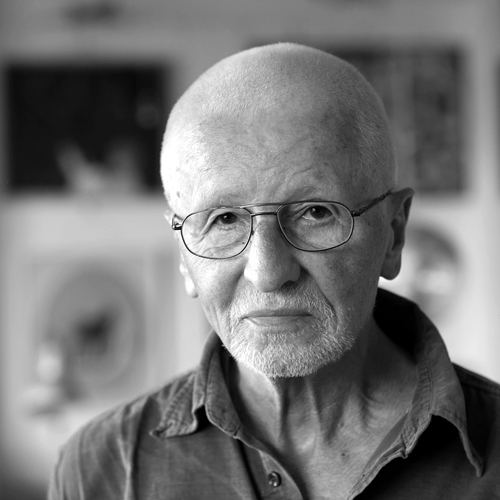
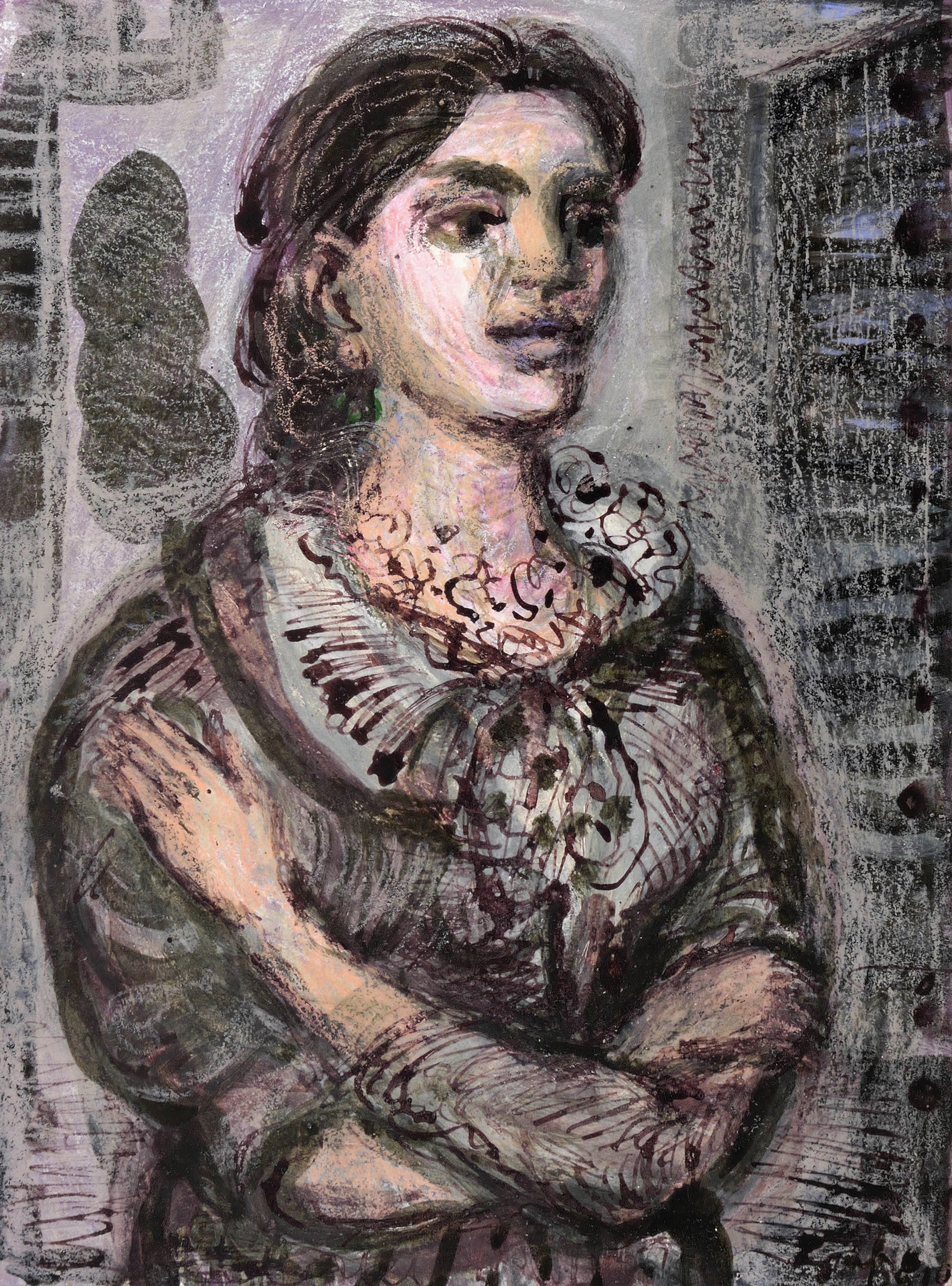
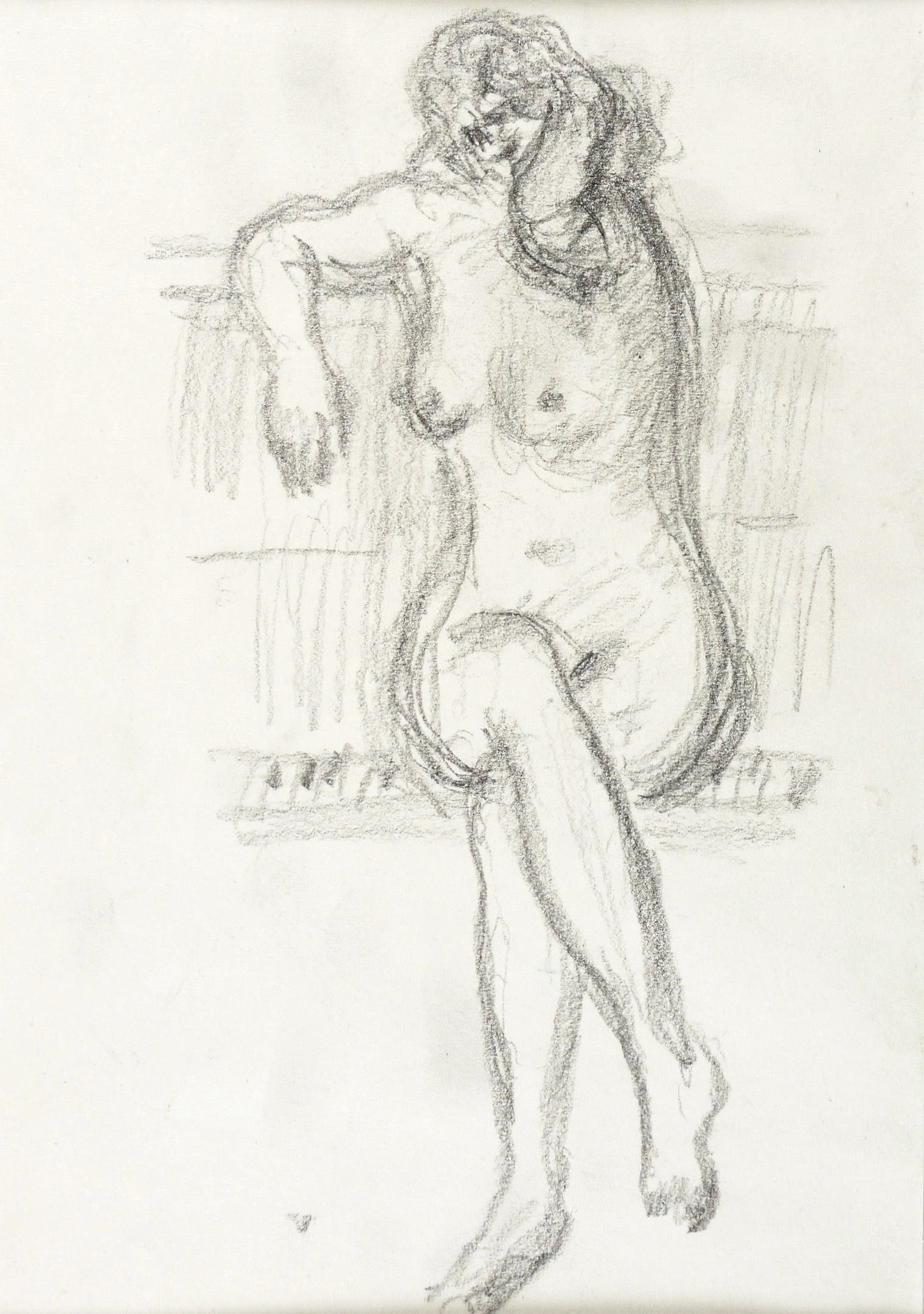
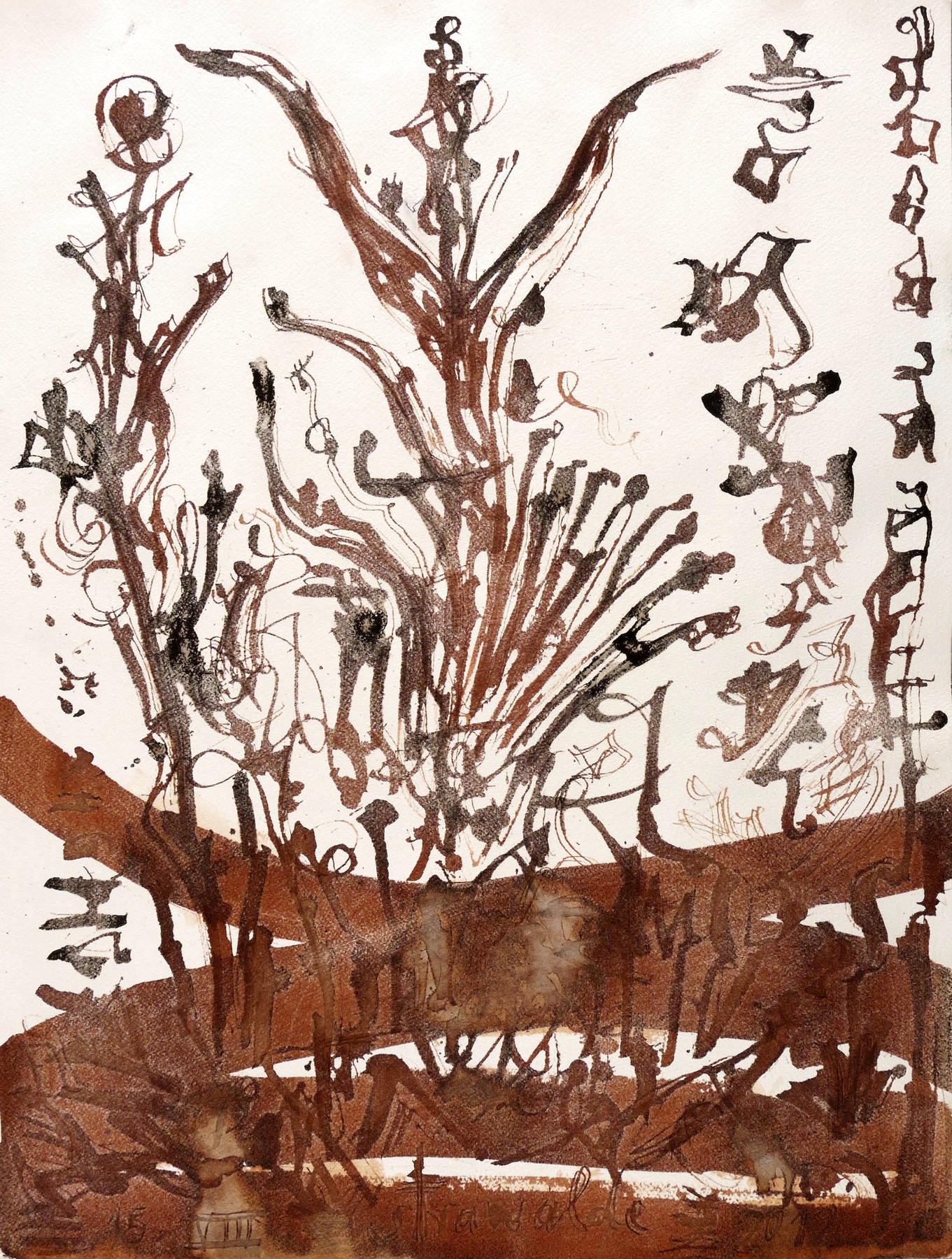
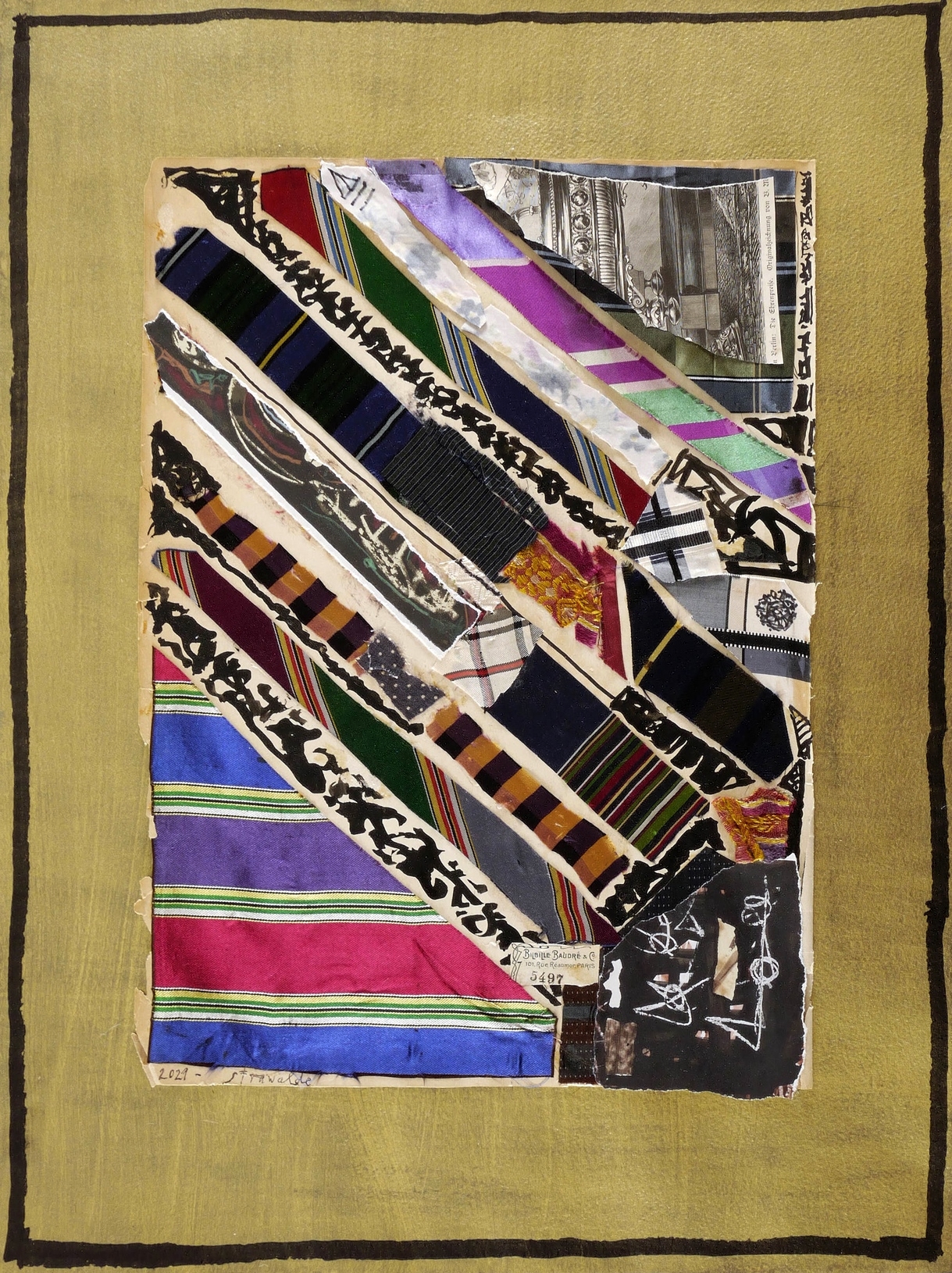
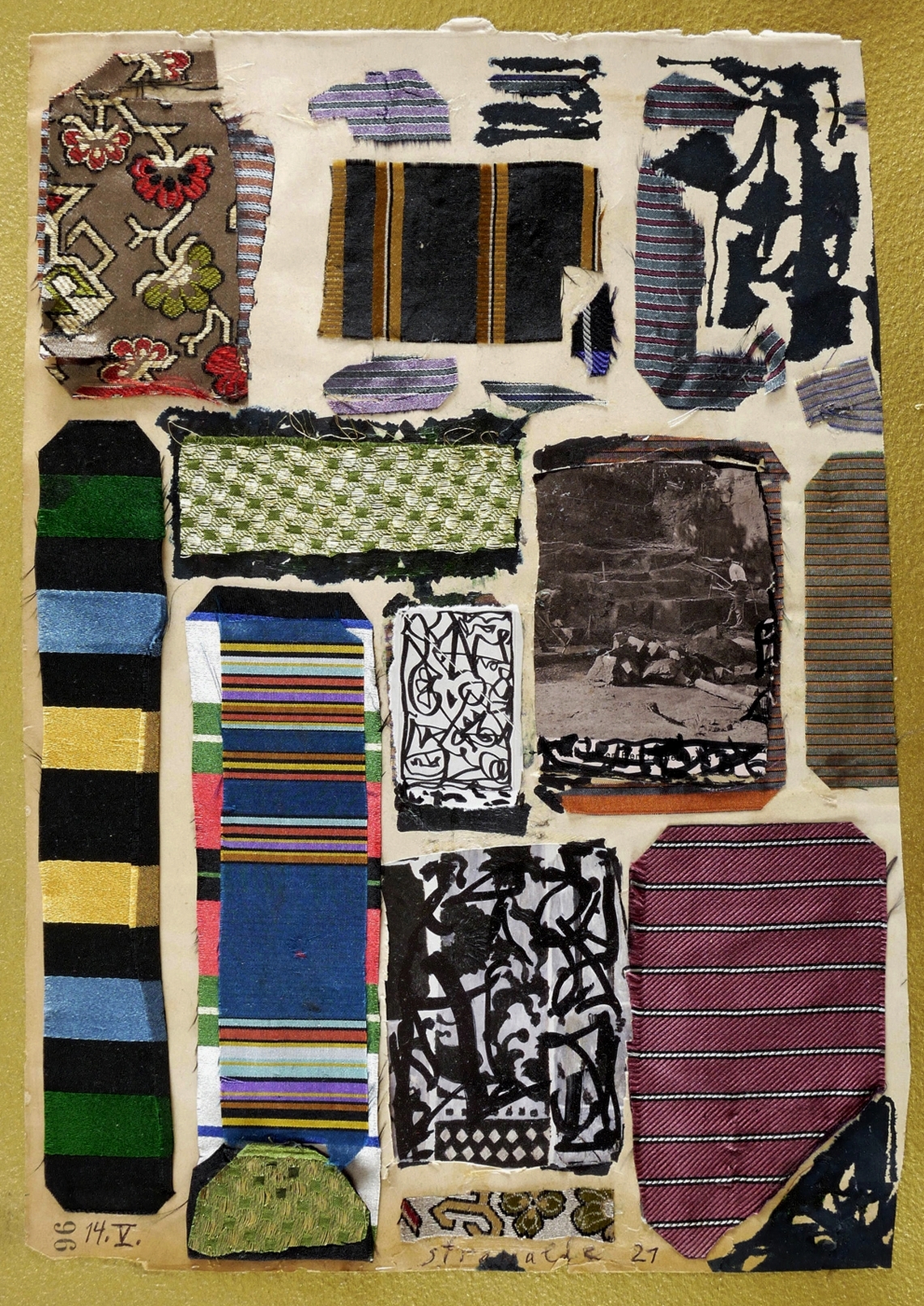
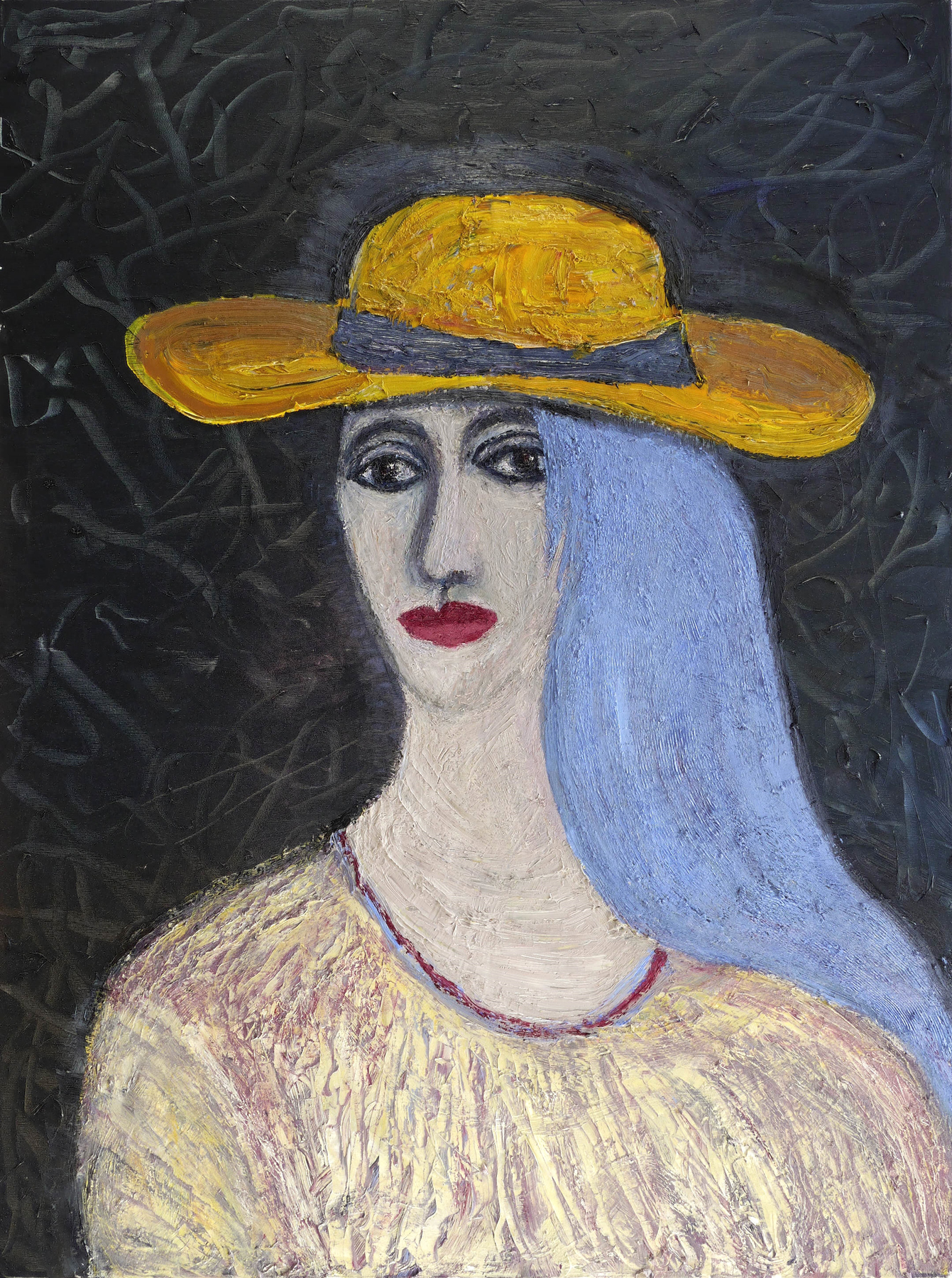
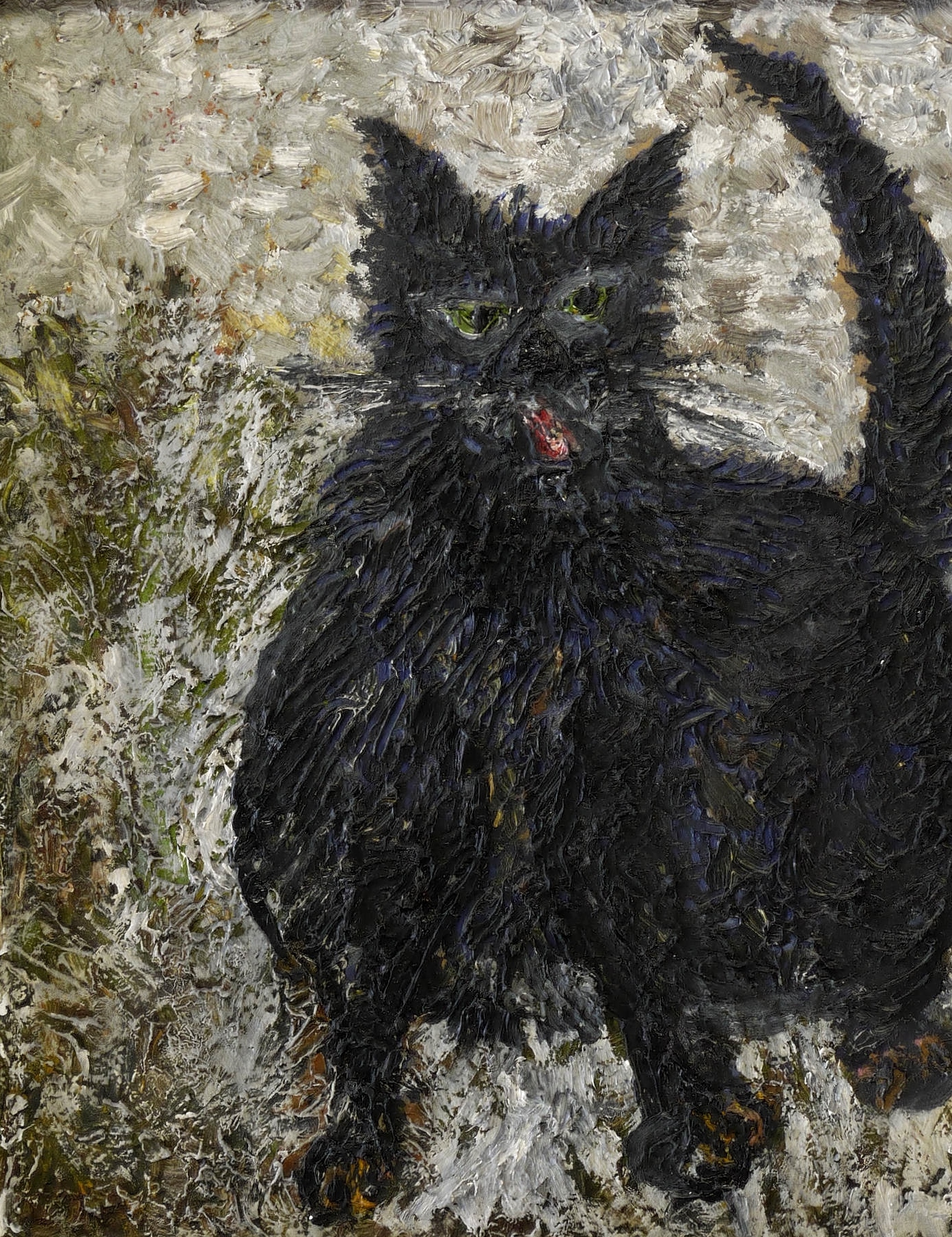
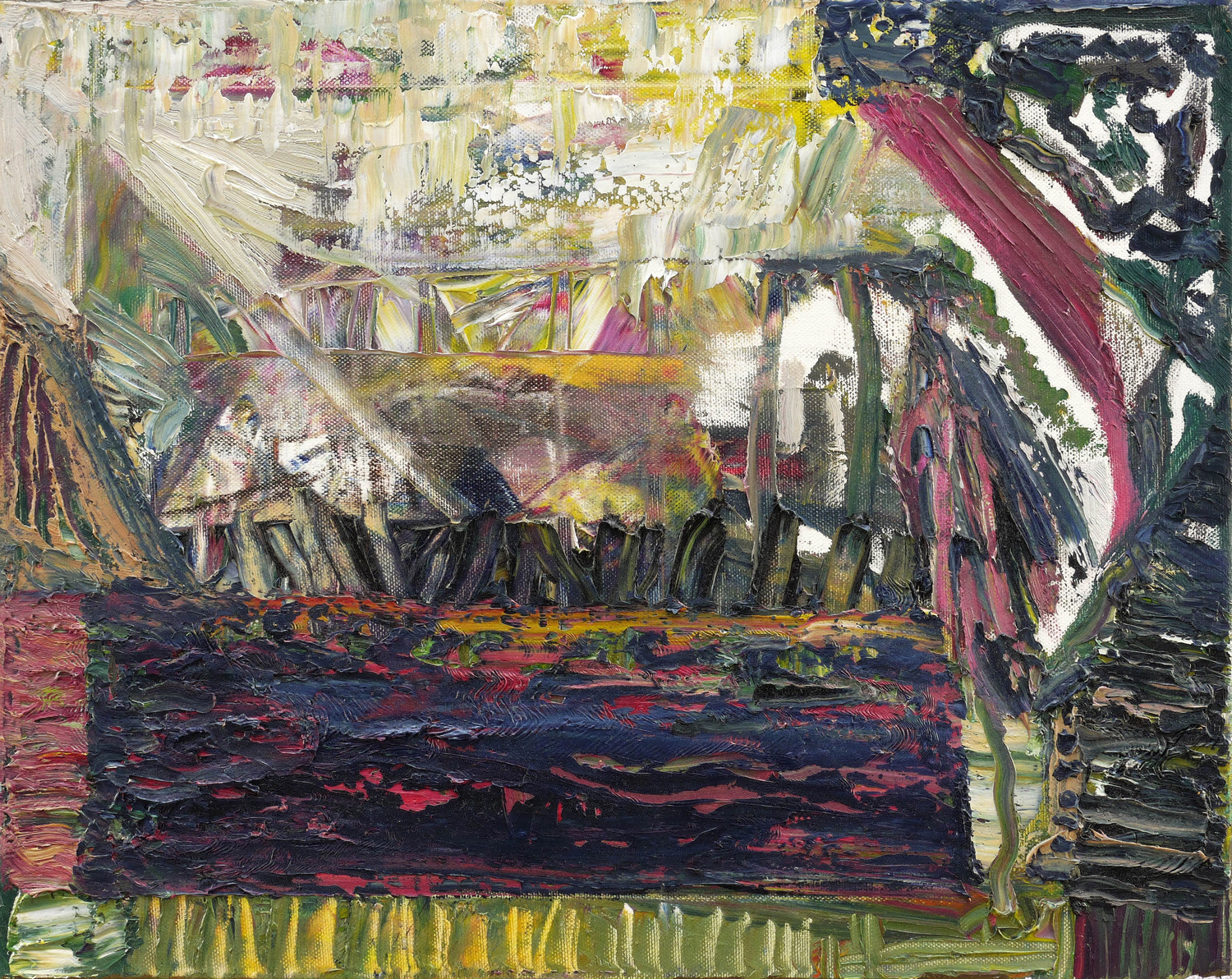
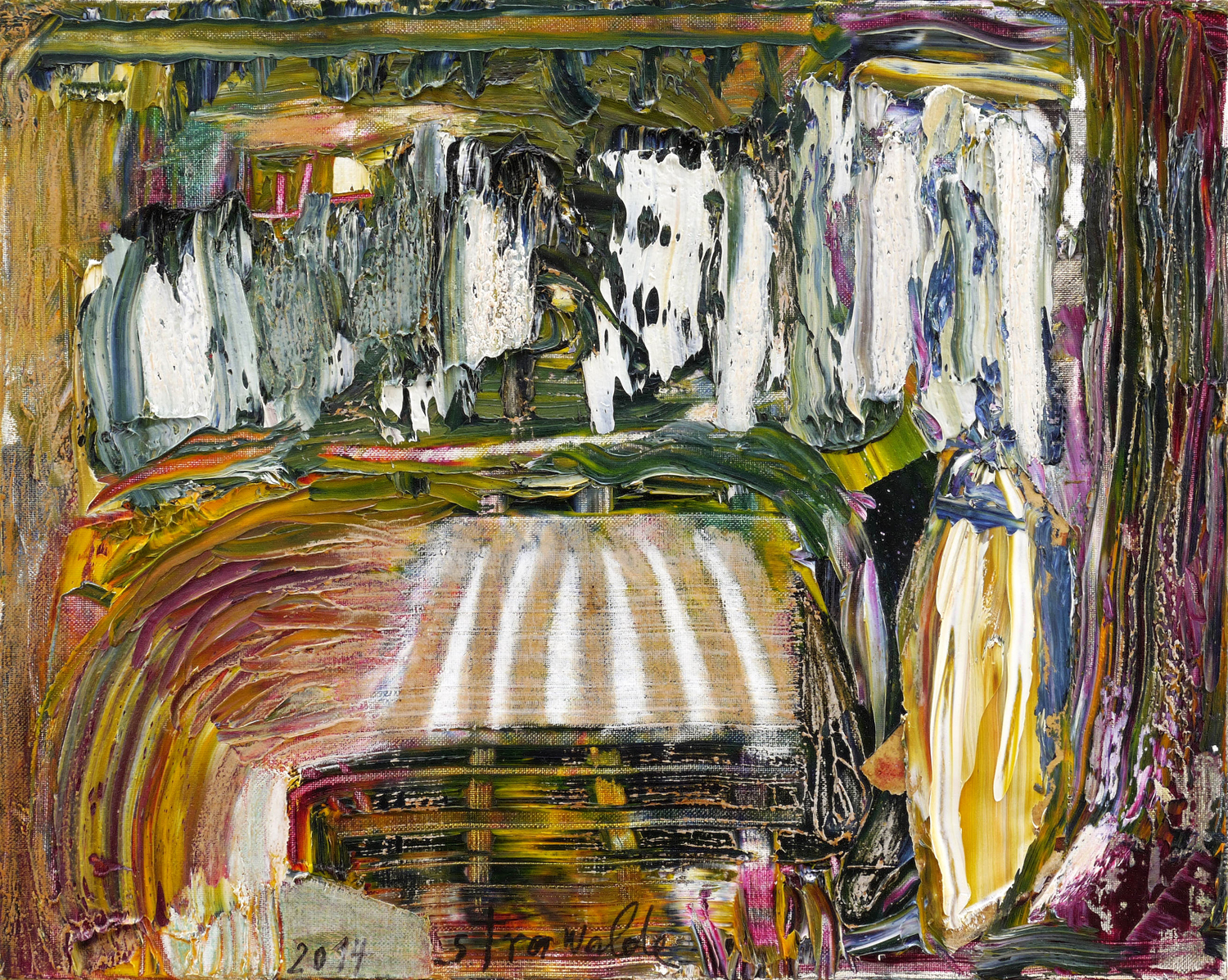
Jürgen Böttcher (born 1931 in Frankenberg, Saxony), who calls himself a painter from Strahwalde, the place of his childhood and youth in Upper Lusatia, was considered in the GDR to be both a controversial and important painter and film director. On the occasion of his 90th birthday, we are showing him in the company of artist friends whose work has been particularly intertwined since the now almost legendary adult education courses that Strawalde led in Dresden until 1955. Strawalde created enchantingly sensual portraits of women and Strawalde created enchantingly sensual portraits of women as well as bold, symbolic abstractions. As a pioneer of GDR documentary film, he made over fifty films. Both in terms of content and form, his films are groundbreaking. Jürgen Böttcher seeks meaning and beauty in everyday life. In his DEFA documentary film »Drei von vielen« (Three of Many, 1961), he approaches young workers who have devoted themselves to art and an alternative way of life. The film, dedicated to his Dresden painter friends Peter Graf, Peter Herrmann and Peter Makolies, was immediately banned in the GDR. In addition to his work as a director, trawalde has always drawn, and since the early 1990s he has been painting more intensively again. Independence and freedom characterise his work to this day. In his paintings, drawings, collages and assemblages, the figurative stands alongside the associative. What is striking is a playful moment, combined with an enthusiasm for materials such as precious papers, wallpaper, fabrics, calligraphy, sheet metal and porcelain. In a powerful and poetic visual language, Strawalde collages, even constructs, almost as if in film scenes.
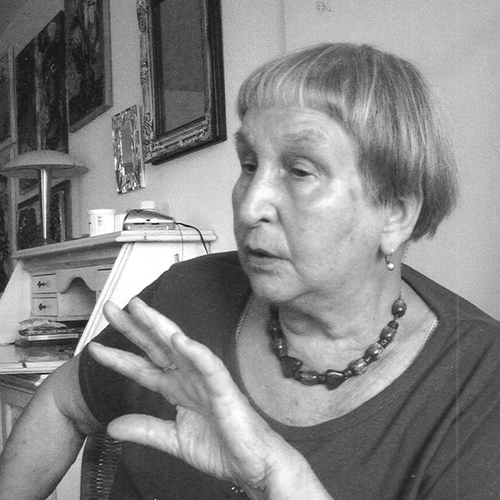
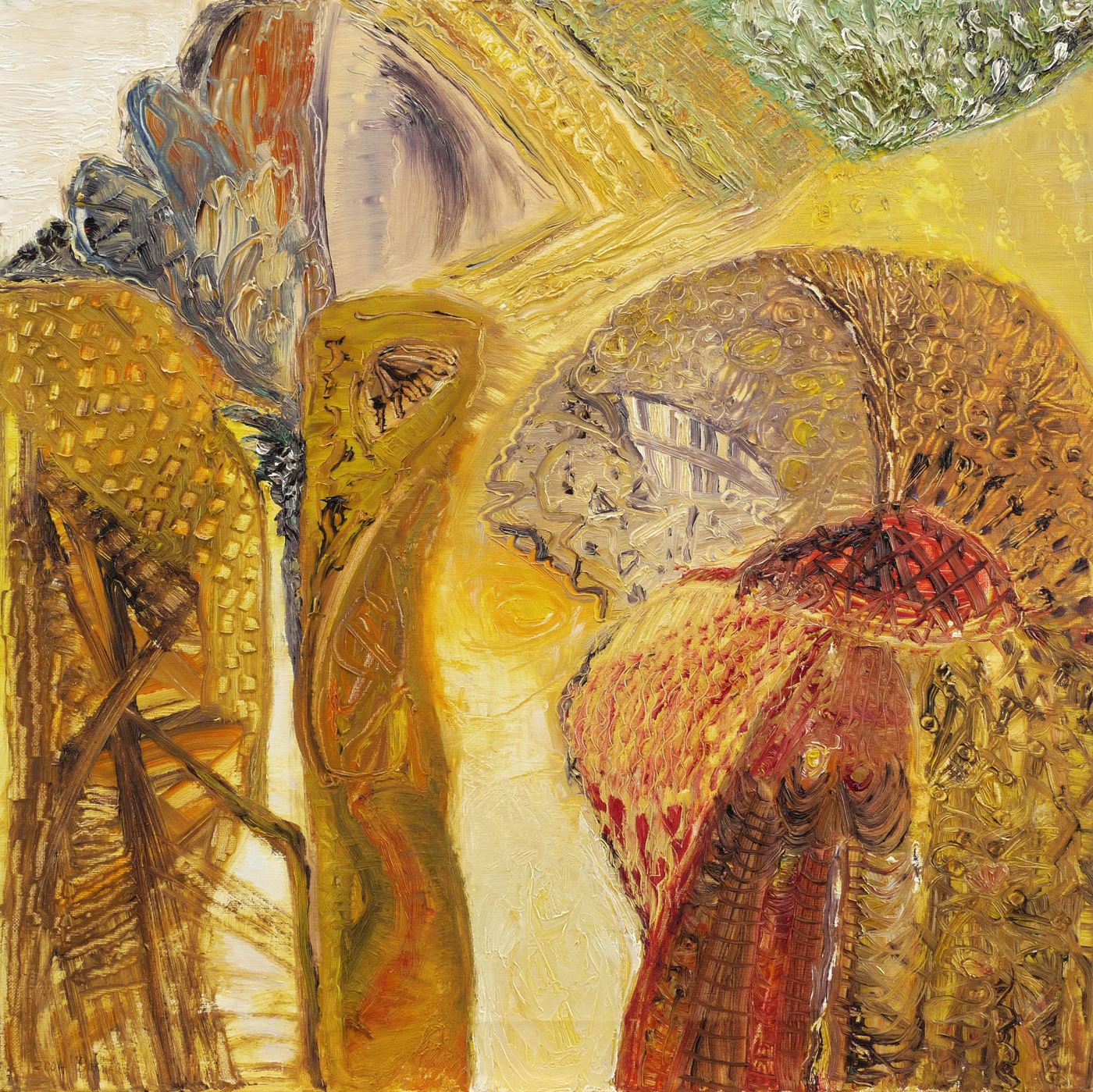
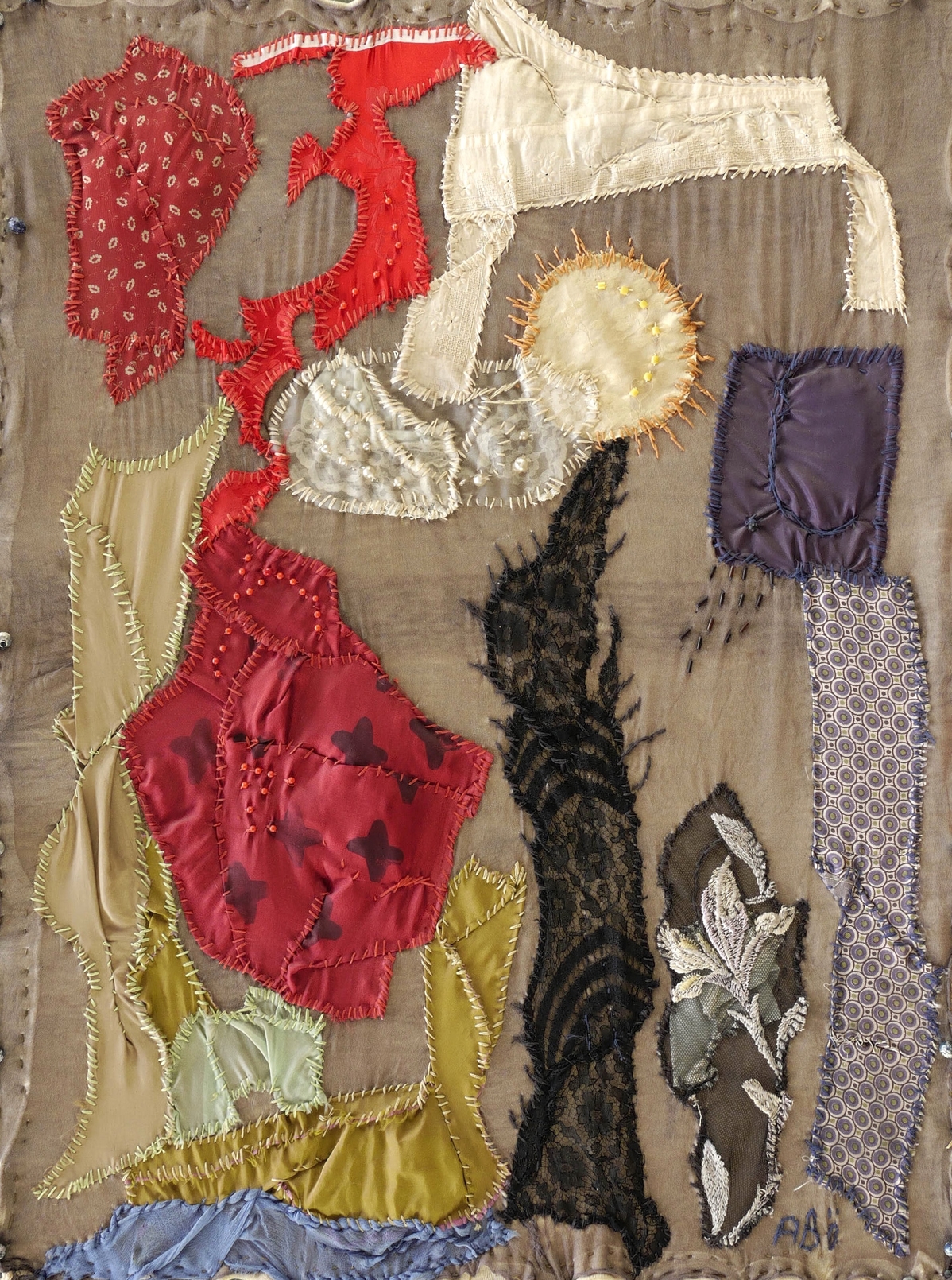
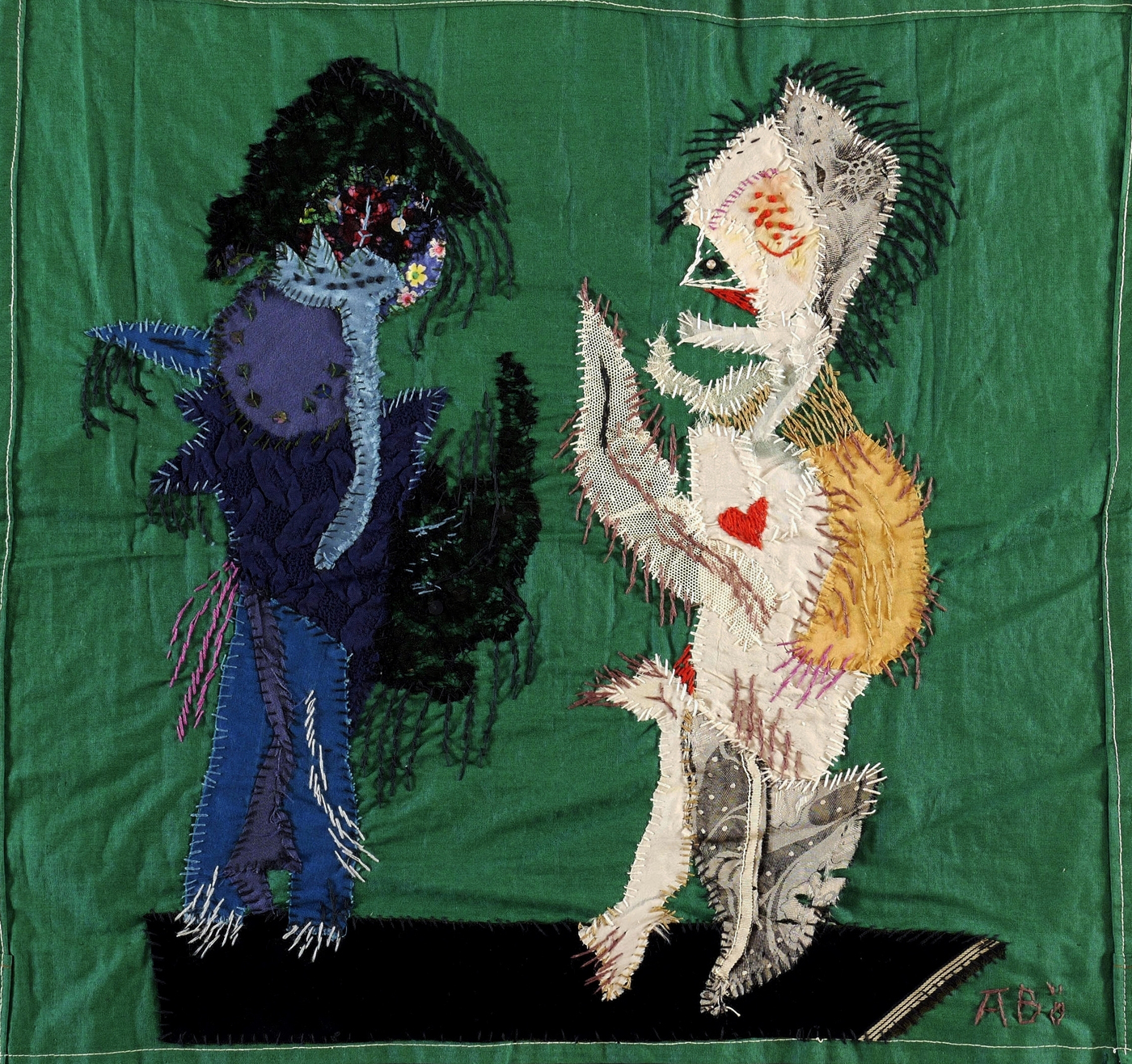
Agathe Böttcher (born in 1929 in Bautzen, Saxony) arrived in Dresden in 1947, which had been destroyed during the war, to study appliqué, embroidery and drawing at the College of Applied Arts under Barbara Schu. In 1951, she met Jürgen Böttcher, whom she married shortly afterwards. Strawalde introduced her to a circle of artists. Here, Agathe Böttcher found like-minded people with whom she cultivated an intensive creative exchange in the 1950s and 1960s. There is hardly any other artist besides Agathe Böttcher, whose oeuvre combines painting, drawing, printmaking, collage and textile collage in such an equal and consistent manner. And in all these techniques, she reveals herself to be a true painter. She is, as she once put it herself, a »painter in materials«.
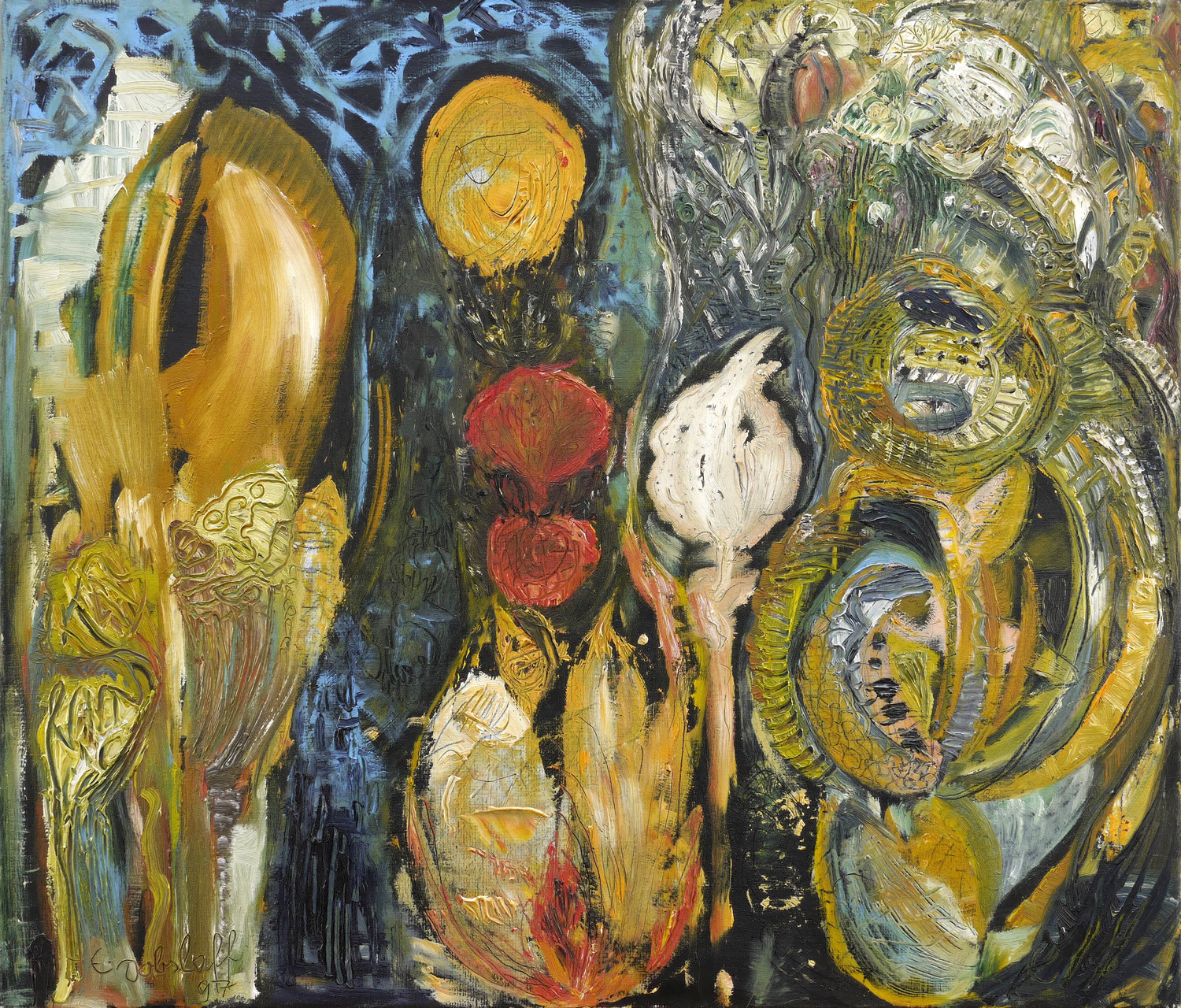
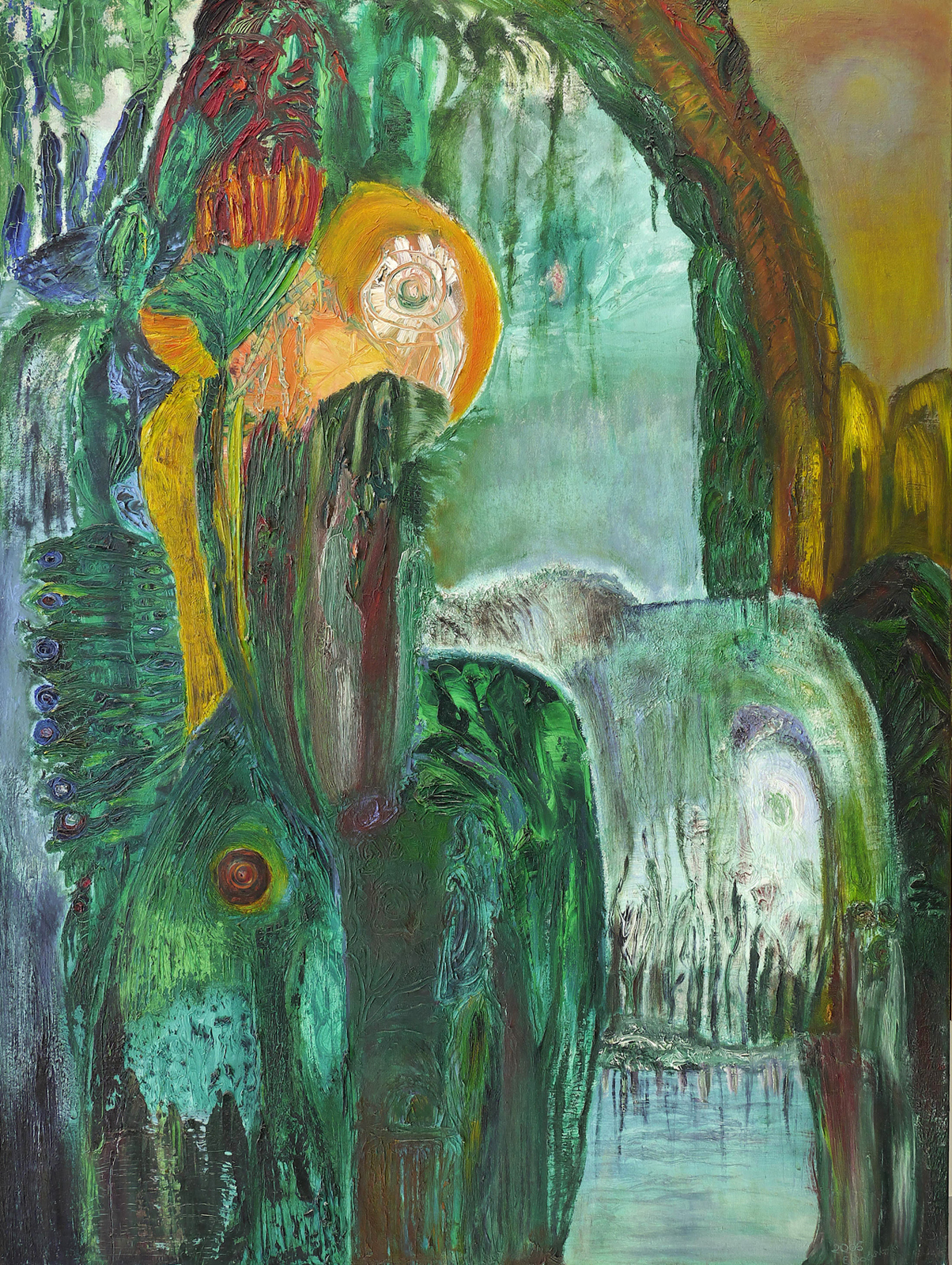
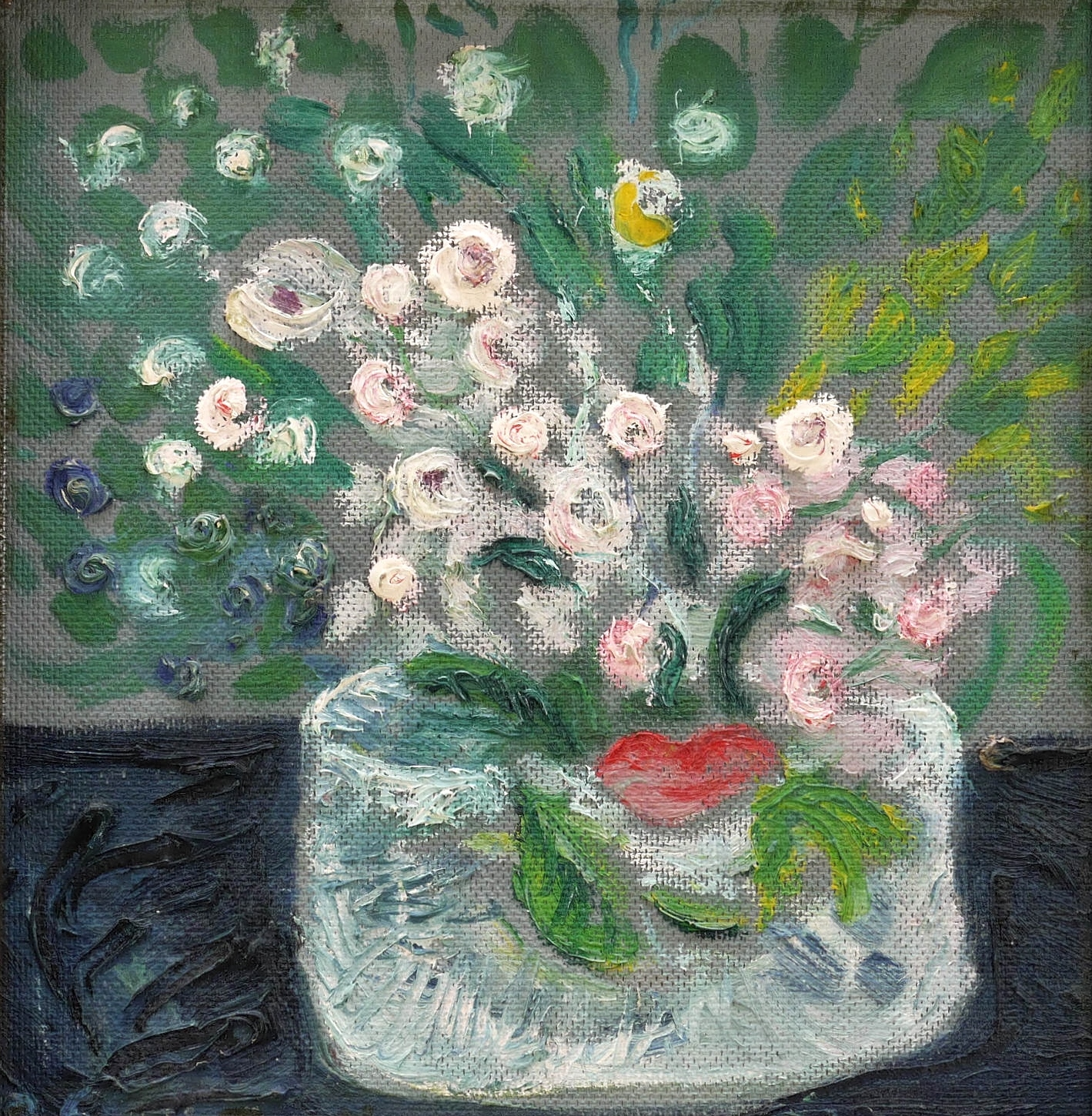
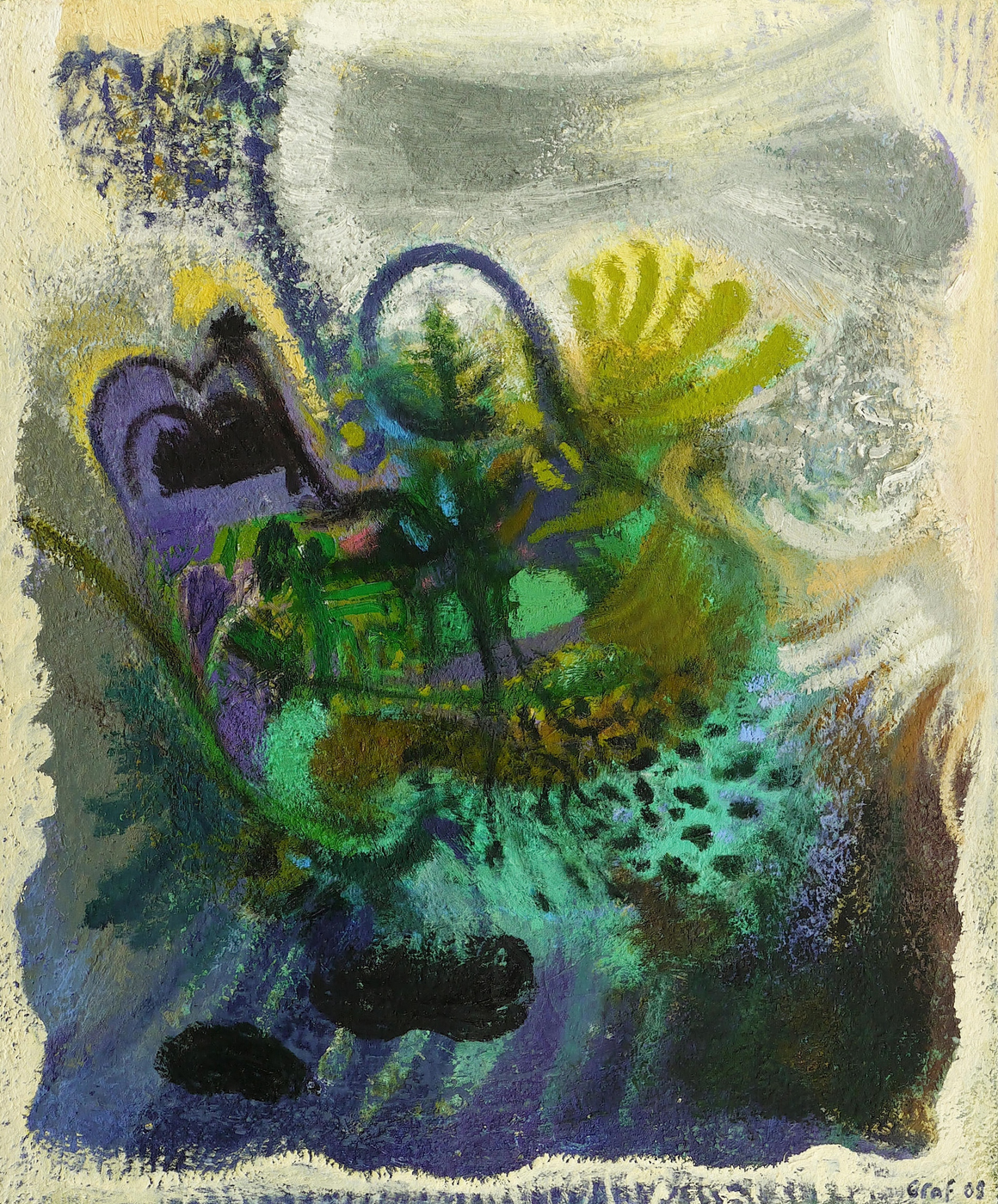
Erika Dobslaff (born 1940 in Arcichow, Poland) met Strawalde in the late 1950s. The young acting student appeared in the documentary film »Drei von vielen« (Three of Many). The encounter with Strawalde and his artist friends opened up a new world for Erika Dobslaff. Since the early 1960s, she has been painting magical, dreamlike landscapes. Bizarre plants, strange figures and peculiar creatures populate her canvases and papers. Her fantastical visual worlds open up a veritable cosmos. They are densely painted mementos, dreams and poems, which oscillate in colour between blue, grey and olive, as well as red, yellow and orange, and unfold with great intensity.
Peter Graf (born 1937 in Crimmitschau, Saxony) meets Strawalde in 1953. Peter Graf abruptly ends his studies in painting, which he began in 1956 in Berlin-Weißensee, due to system-critical statements. Back in Dresden in 1957, the circle of friends around Agathe and Jürgen Böttcher, Winfried Dierske, Peter Herrmann, Peter Makolies and Ralf Winkler (A.R. Penck) became the artist's refuge. At regular meetings, they discussed music, film, literature and art. His particular life situation distinguished him from most of his artist friends. For almost three decades, he worked hard physically in various jobs, driving tractors, forklifts, lorries and tankers, and working as a transport and warehouse worker. During this time, he painted after work. It was not until 1985 that Graf ventured into freelance artistry. Peter Graf's poetic works thrive on their dreamlike surreal atmosphere, their alienation and their tongue-in-cheek deeper meaning, but also on their longing and melancholy.
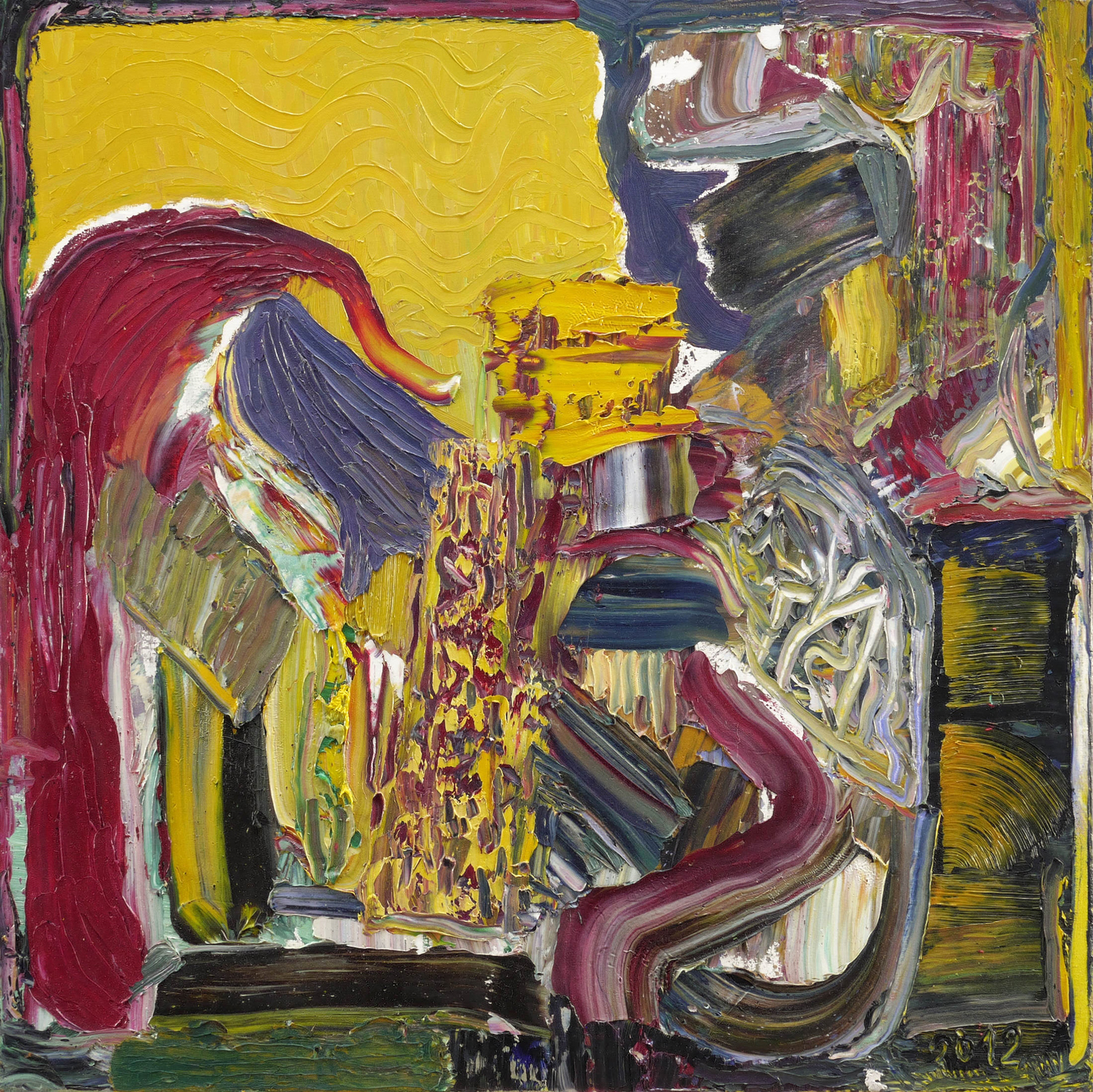
Peter Herrmann (born in 1937 in Großschönau near Zittau, Saxony) met Strawalde in 1953 when he was teaching at the adult education centre in Dresden. His classmates and friends were Winfried Dierske, Peter Graf, Peter Makolies and Ralf Winkler (A.R. Penck). He worked in Dresden until 1970 as a chemigrapher, among other things, and from 1971 onwards he worked as a freelance painter. He was a member of the Leonhardi Museum working group, which initiated unconventional exhibitions. Together with Eberhard Göschel, A.R. Penck and others, he founded the Obergrabenpresse in 1978 at Obergraben 9 in Dresden-Neustadt, which saw itself as a publishing house, gallery and which sees itself as a publishing house, gallery and artists' association. He left the GDR in 1984, moved to Hamburg and has lived in Berlin since 1986. His paintings, mostly in bold colours, revolve around memories and everyday themes, often with an ironic twinkle in the eye.
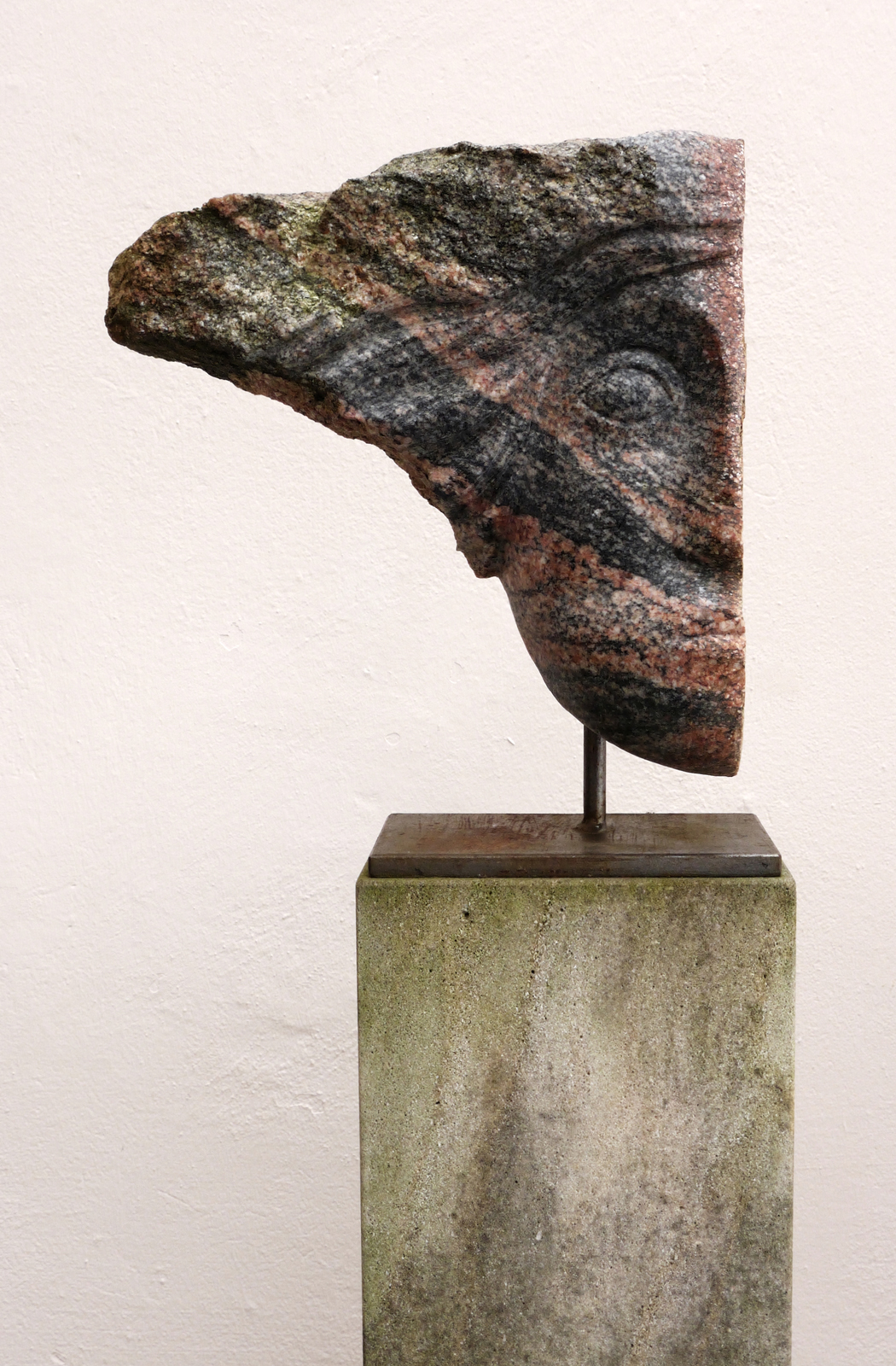
The trademark of stone sculptor Peter Makolies (*1936 Königsberg/Prussia), a friend of Strawalde's since 1955, are archaic-looking heads and skulls made of field stones, which are largely left in their natural state and only worked and polished to the bare minimum. Forms and physiognomies trace the natural structure inherent in each stone. It is not uncommon for his sculptures to appear to belong to a remote culture, renouncing any allusion to the personal in their form and countenance, thus approaching a kind of ideal image.