Introduction
The exhibition JUBILEE! honours the 70th birthday of Johannes Heisig and his multifaceted and impressive work. He is highly regarded as one of the representatives of expressive figurative painting in German post-war modernism.
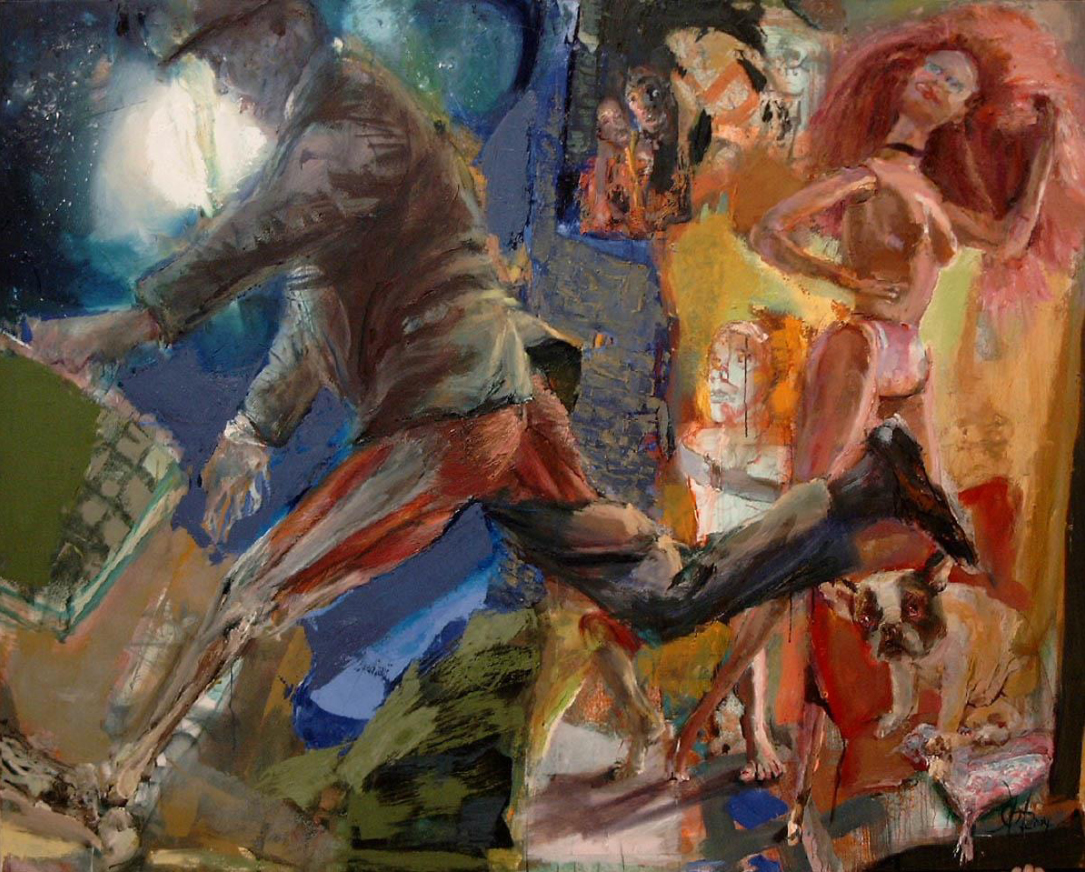
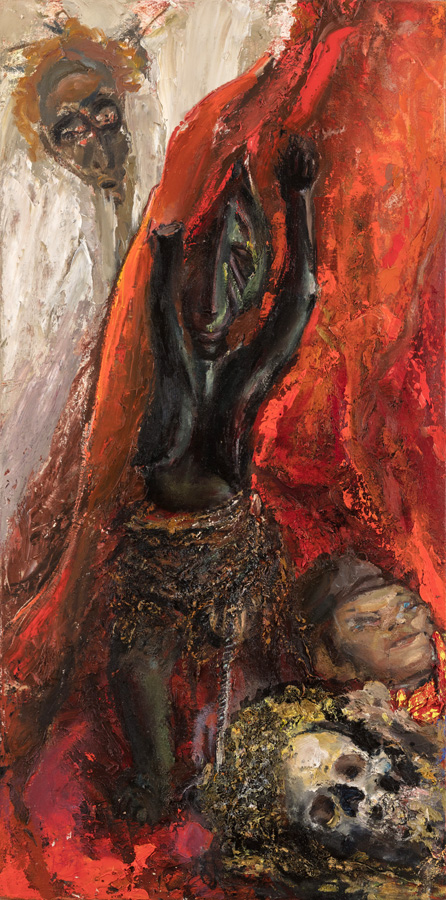
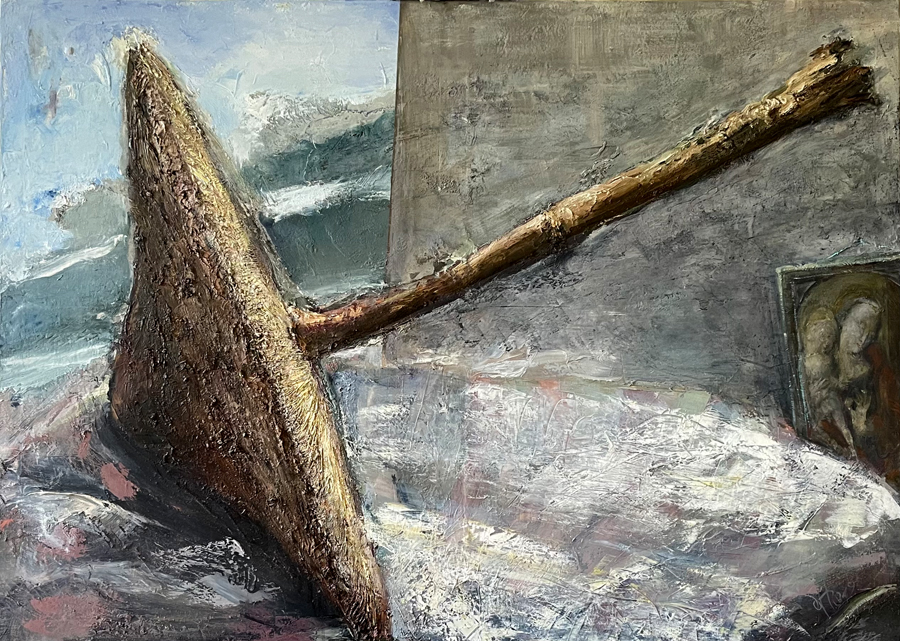
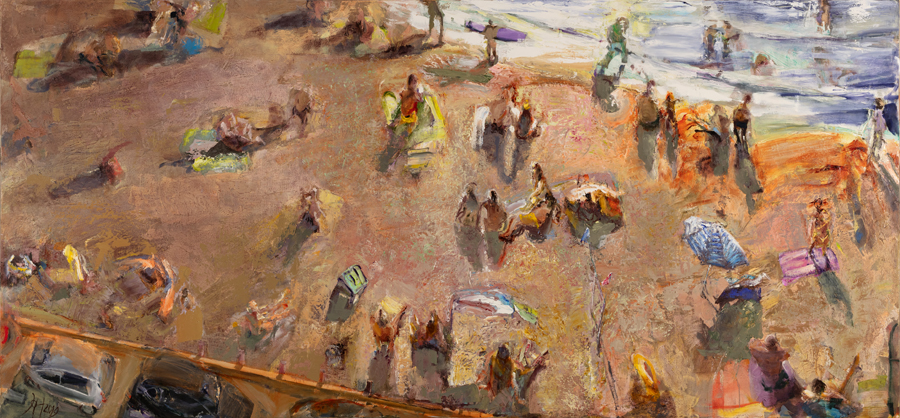
Johannes Heisig, the congenial son of a famous painter father, was born in 1953. He began studying painting and graphic art in 1973 at the Leipzig Academy of Visual Arts, where his father, Bernhard Heisig, was a professor and later rector. In 1978, Johannes Heisig transferred to the Dresden Art Academy and became a master student under Gerhard Kettner. Under Kettner, himself a student of Dresden artists such as Hans Grundig, Max Schwimmer and Hans Theo Richter, he connected with specific traditions of Dresden painting, as represented by Robert Sterl, Gotthard Kühl and Ernst Hassebrauk, among others, but above all by Oskar Kokoschka and Otto Dix. And although, or perhaps because, Johannes Heisig was considered a ‘young wild one’ in the East German art scene of the 1980s alongside Hubertus Giebe and Walter Libuda, he became a professor in 1988 at the age of only 35 and, a year later in 1989, he became rector of the Dresden Art Academy, the youngest ever in the GDR. In this position, he experienced the political upheaval and the sometimes gruelling process that fatally heralded the now lamented decline of the local academic tradition. The period of political change marked a profound turning point for Johannes Heisig. In the ‘new world,’ much of what had previously been a prerequisite for artistic creation was called into question. Heisig responded with a personally and artistically exhausting departure. In several steps, he turned his back on Dresden, gave up his rectorship and teaching position at the university in 1991, moved into a studio in Berlin in 1994, and finally relocated to the capital in 2000. Even in Dresden, his paintings remain true to their own history. Johannes Heisig has by no means taken refuge in self-referential visual art. He continues to stand for a narrative, i.e. storytelling, style of painting that demands an audience and requires them to interpret it. In recent years in Berlin and Teetz, the artist has achieved a striking degree of self-assertion. Complex visual worlds resemble stage sets in which simultaneous productions pose challenges. There is a hint here of Max Beckmann's grandiose world theatre, which seeks to reveal the reality behind things. These images are deliberately unwieldy, thriving on a self-imposed mystery – but this is precisely where their demanding appeal lies. Johannes Heisig seeks immediate friction with the world and its contexts. A ‘sense of the world’ that interweaves the private with the political and individual emotions with social events.
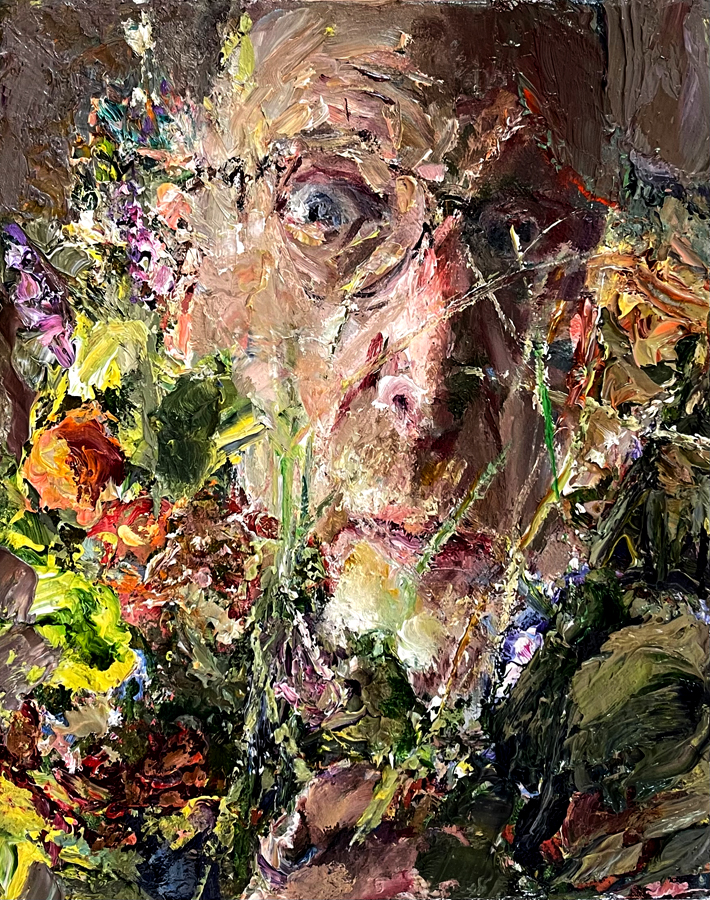
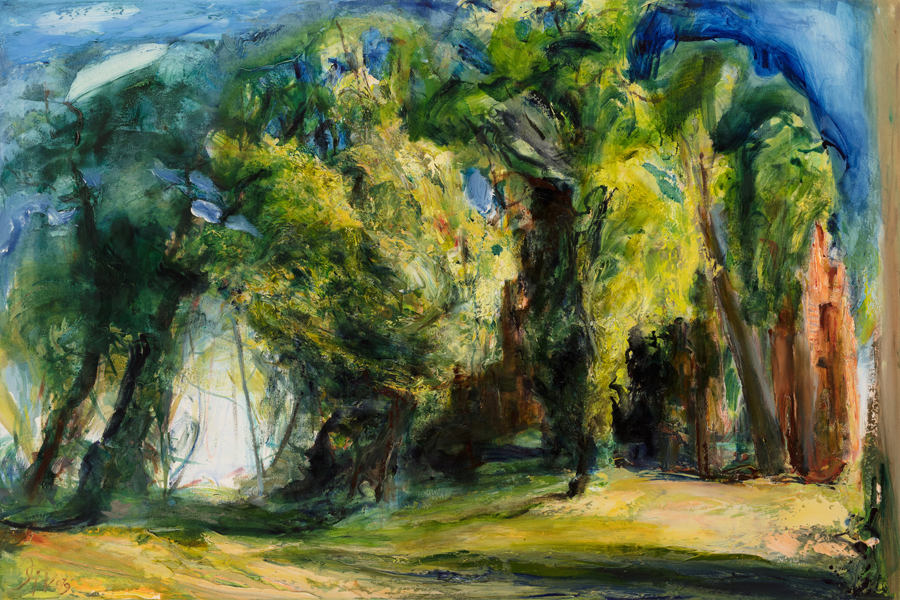
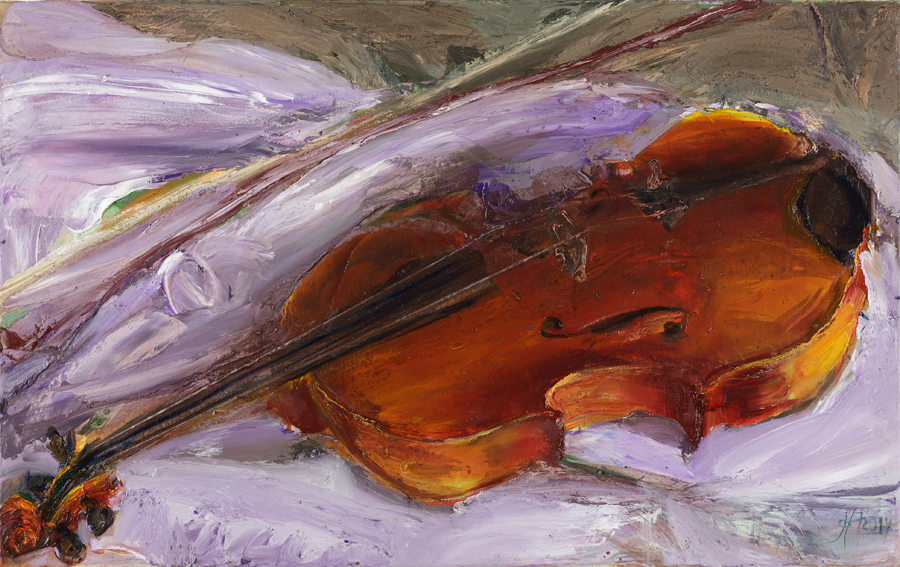
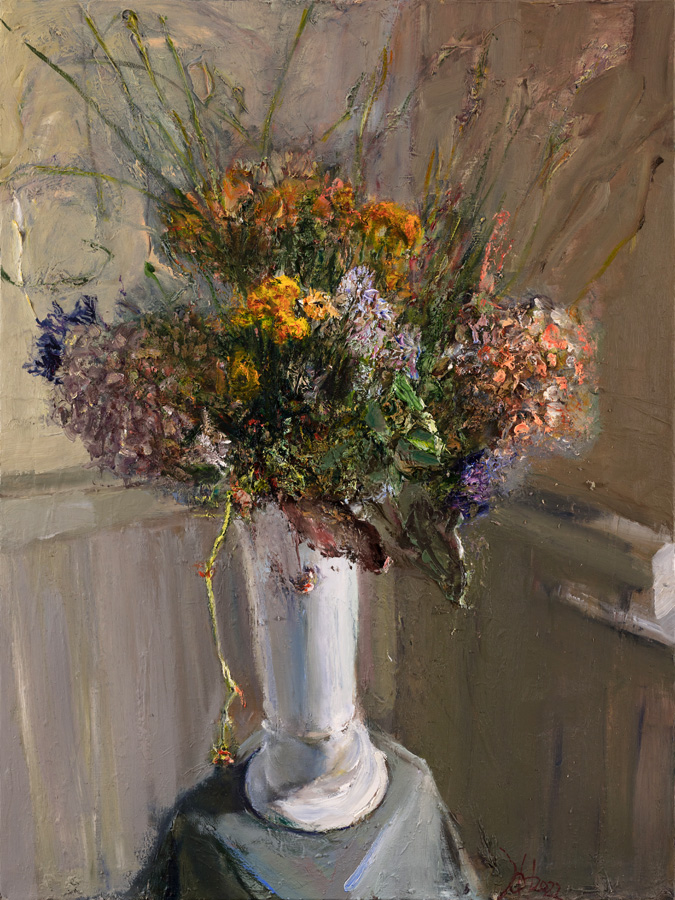
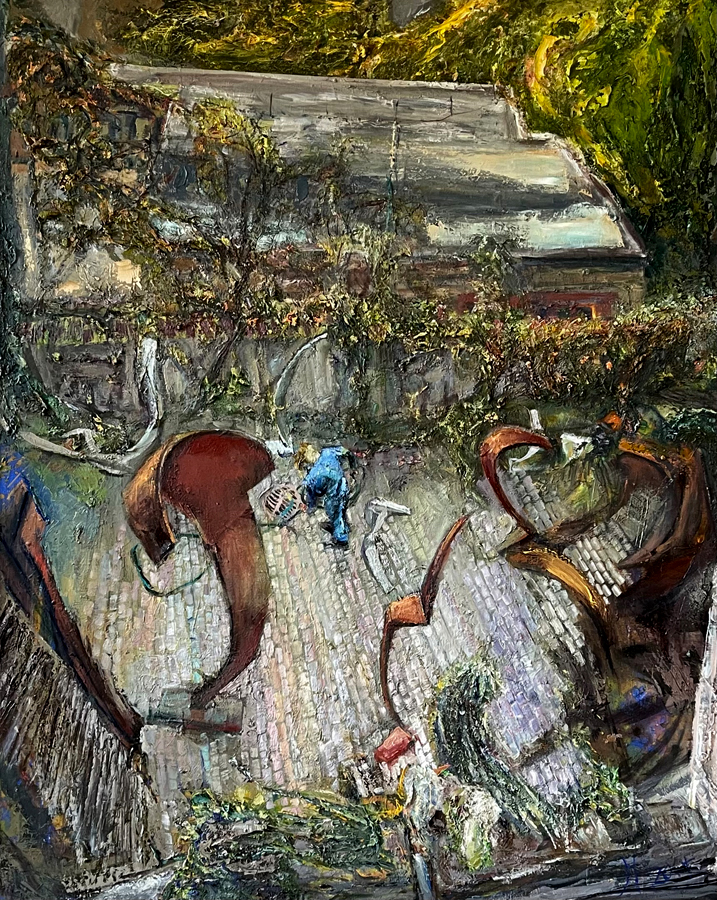
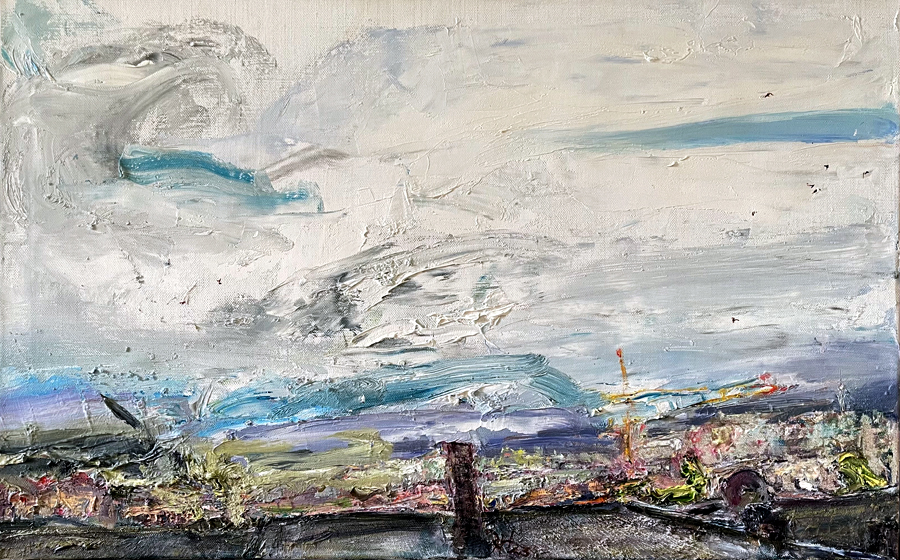
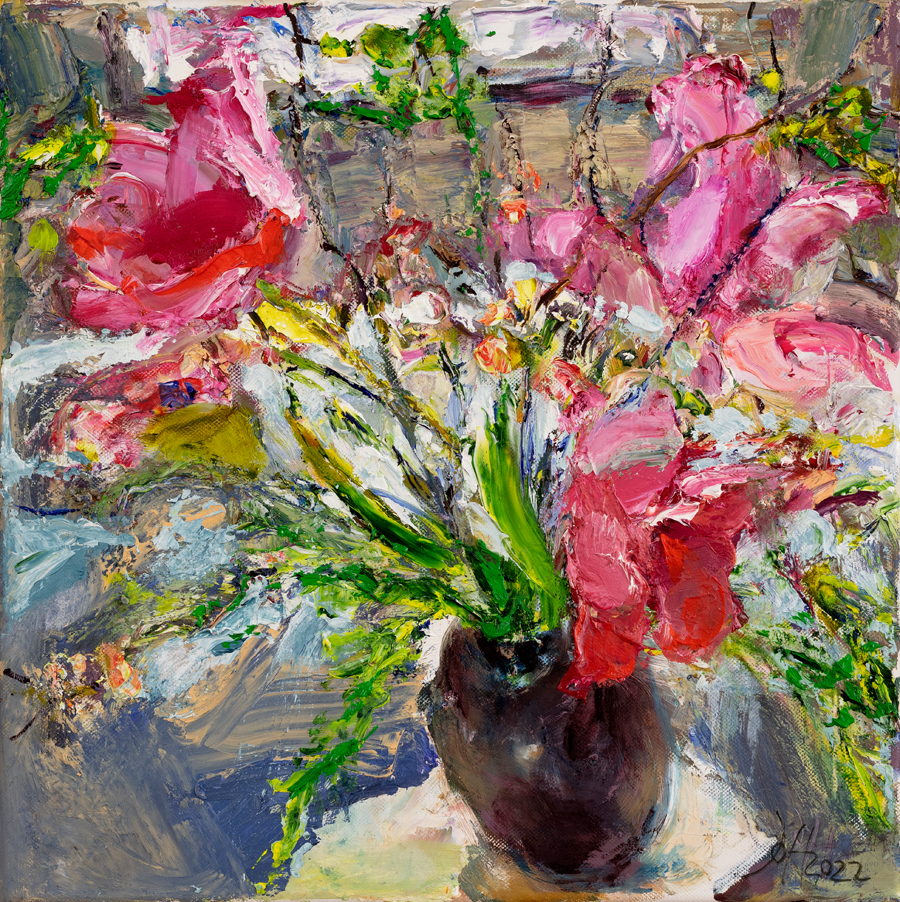
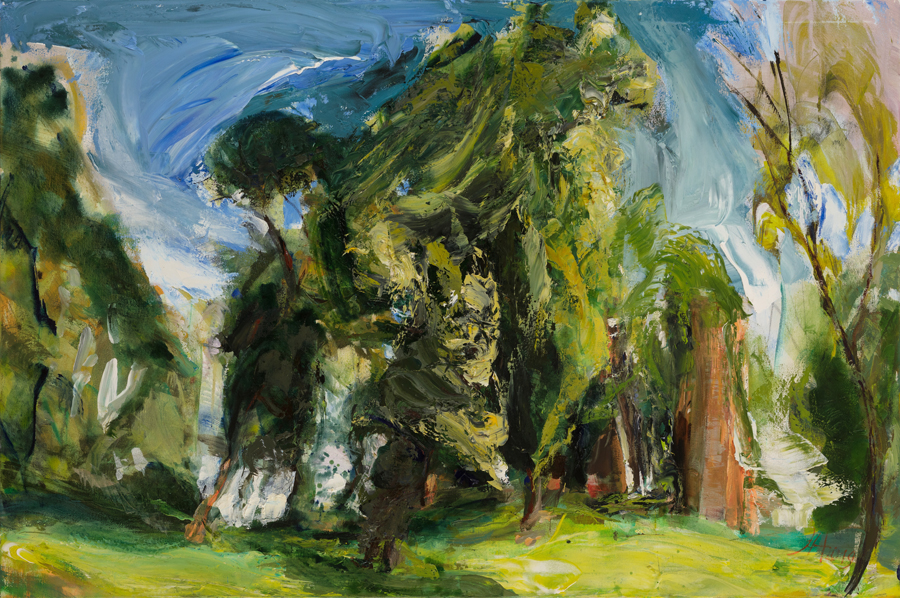
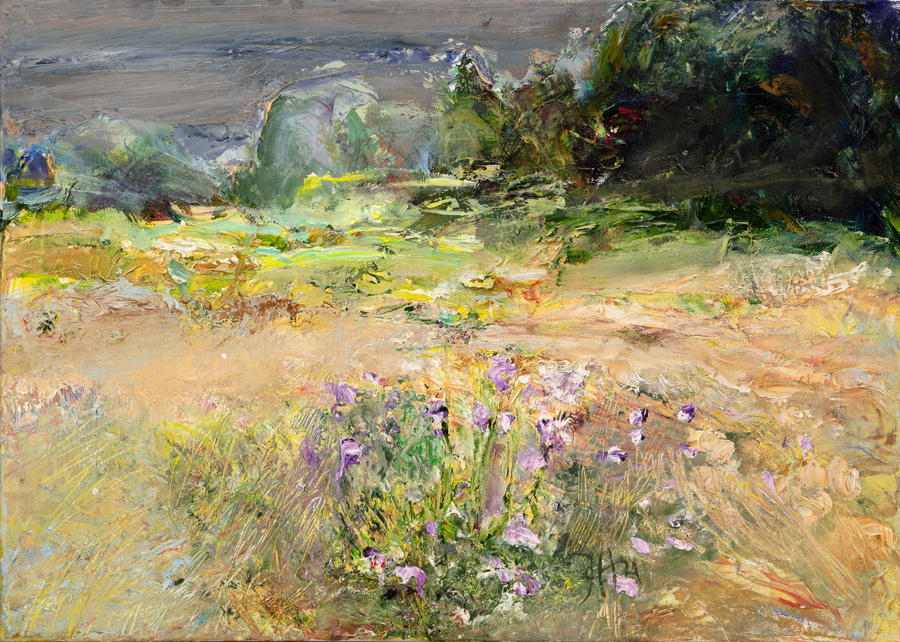
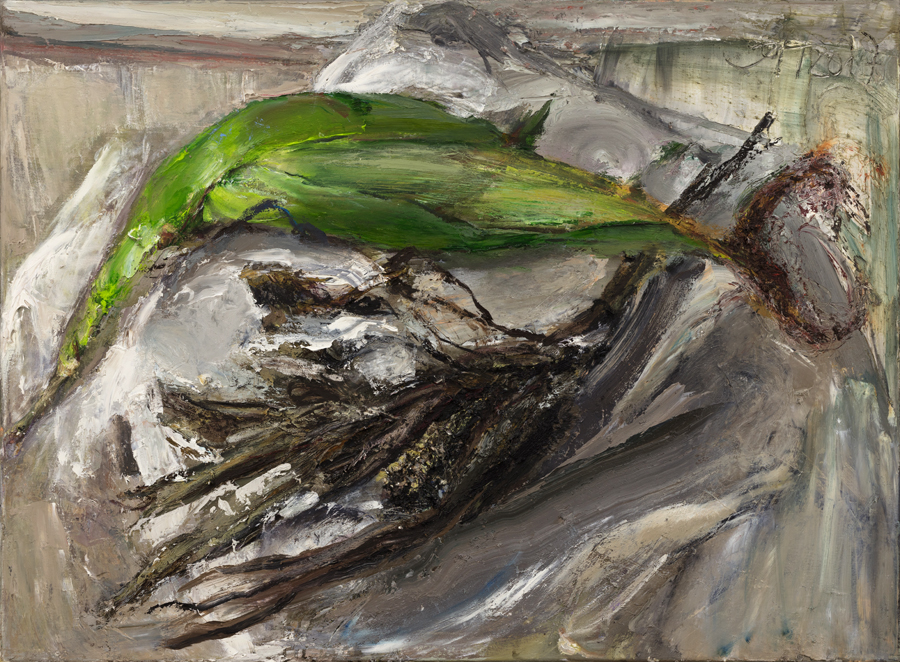
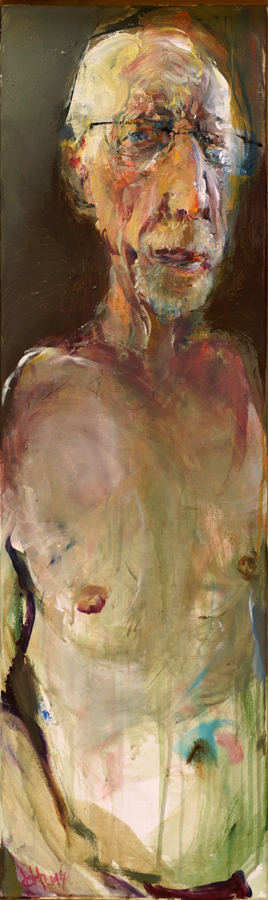
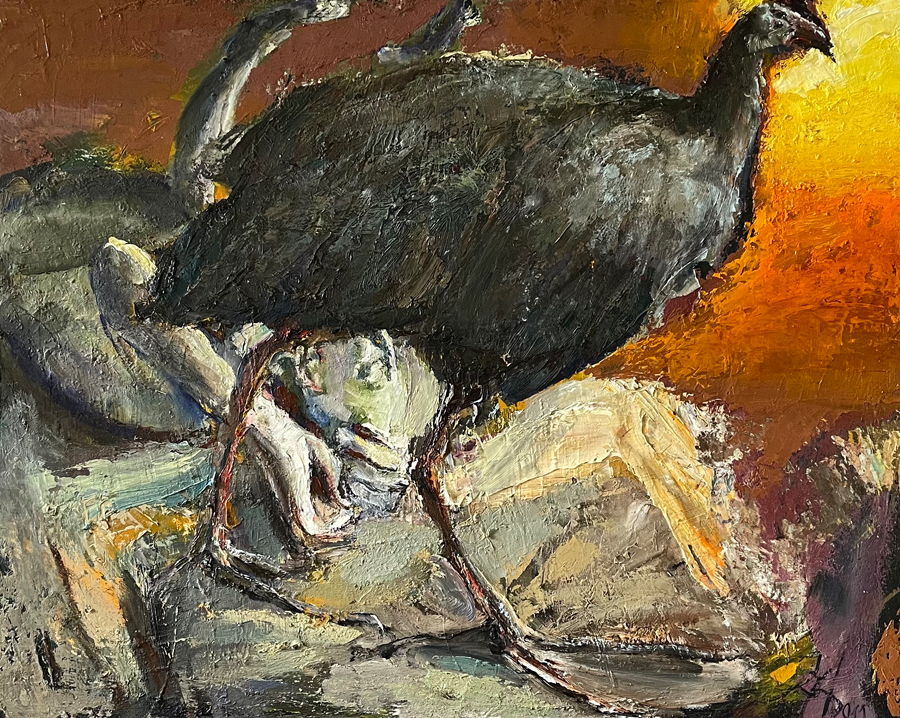
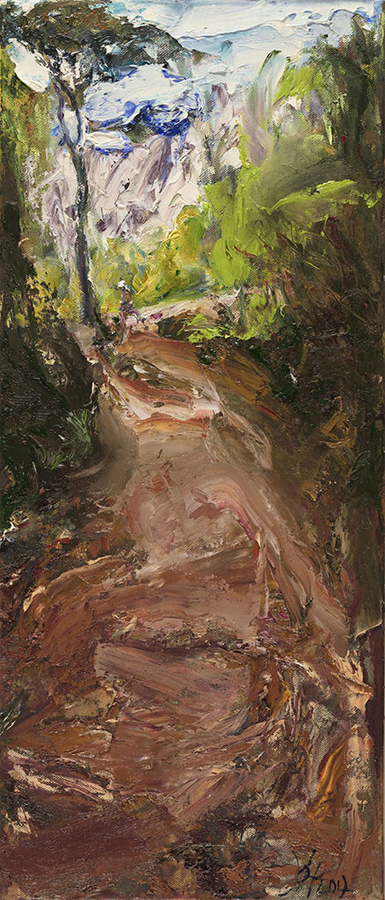
In portrait painting, the central psychological moment of his painting is palpable. Rarely does the brush glide over the mere surface of the visible. The appearance of the subject is described as sometimes beautiful, but always as a sensitive, thin-skinned and transient existence , susceptible to the ever-present afflictions of life , permeable to feelings of joy, humour and melancholy, but also to feelings of fear, anger or sadness. Johannes Heisig's artistic cosmos is accompanied by great painterly fervour. With powerful, impressionistic brushstrokes and beguiling colourism, the paintings exude vitality and sensuality. His kindred spirits are van Gogh, Cézanne and Chaim Soutine. Over five decades, Johannes Heisig has developed a brilliant style, which only reaches perfection, indeed truthfulness, through the self- critical practice of rejecting and searching for form. Johannes Heisig's work also includes numerous landscapes as well as floral and animal still lifes, in which creatures and their transience are depicted. Heisig's retreat to the countryside, to Teetz in Brandenburg, has realigned his perception and also parts of his painting. He is a calm and precise observer who waits patiently until a motif proves itself worthy of being depicted. Heisig also speaks of an »optical sensation« that a motif, however inconspicuous it may be, is capable of triggering. Whether flower remnants, pumpkins, antlers or mushrooms. The exhibition features vibrant garden paintings with old trees, a sun-bleached, shimmering mallow meadow and the dissolving landscape of the thorn bush on Hiddensee, vibrant and flooded with light. This delicate and sophisticated painting makes nature virtually pulsate. Some of these landscapes and still lifes exude a serene serenity and poetic beauty, while others convey an oppressive dreariness and worrying unease. These simple and evocative paintings reveal the entire spectrum of this magnificent painting.