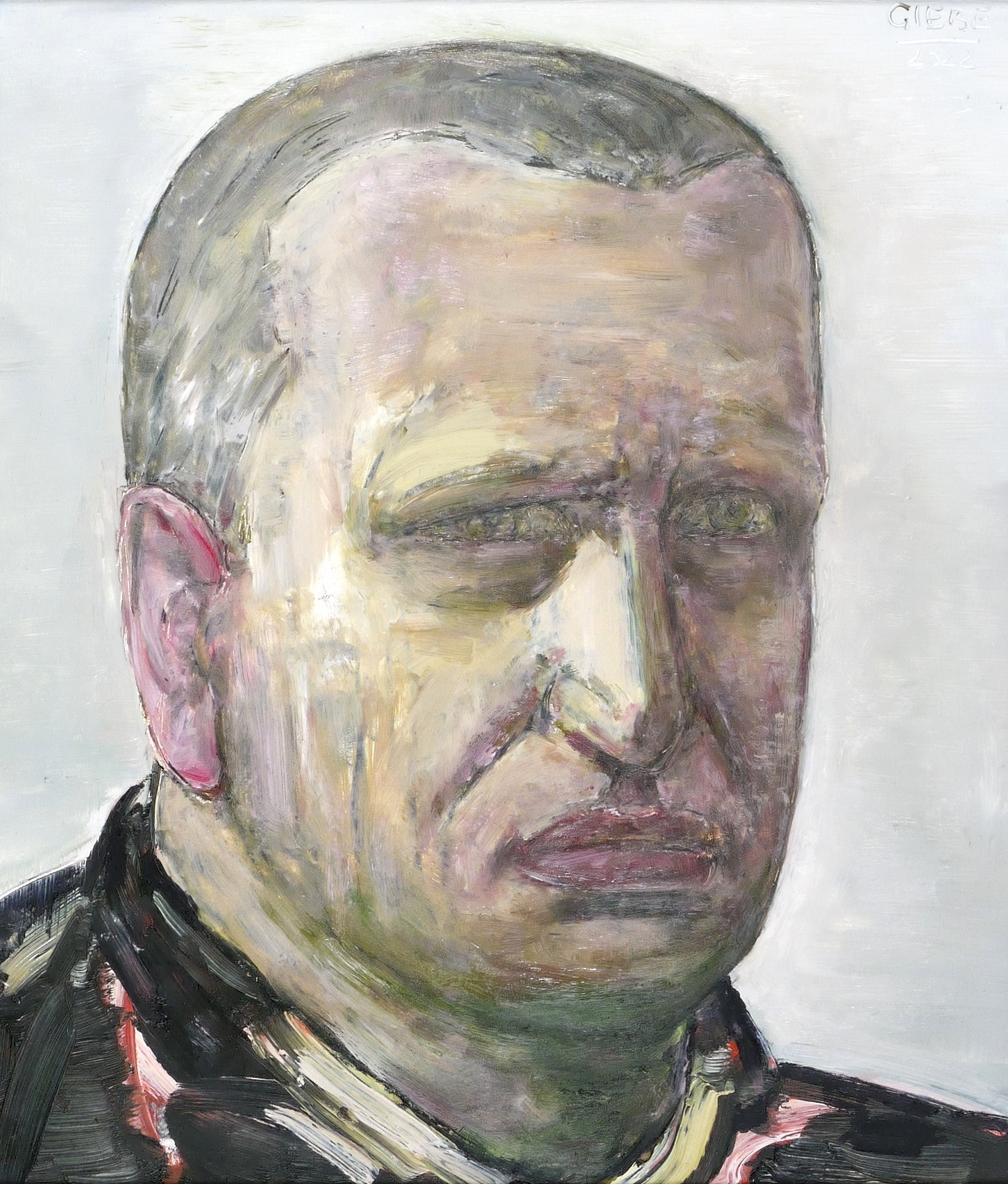
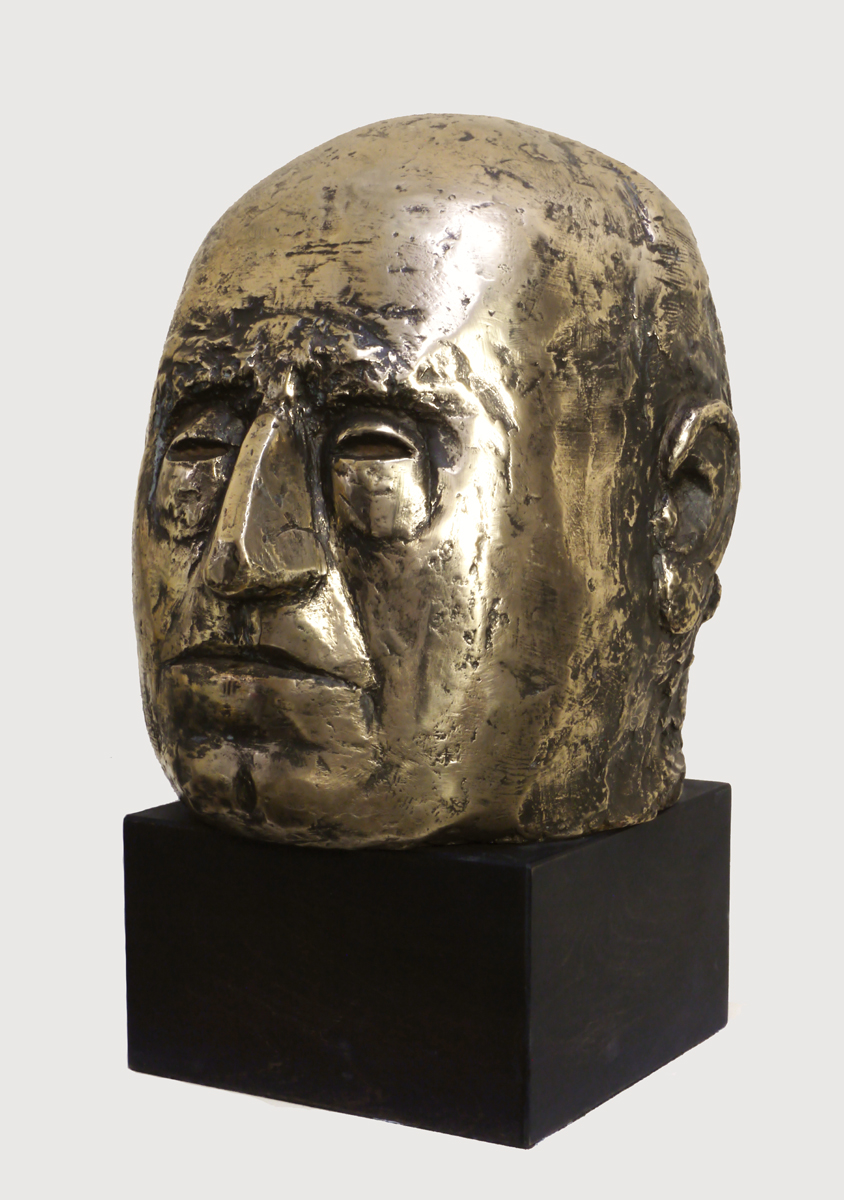
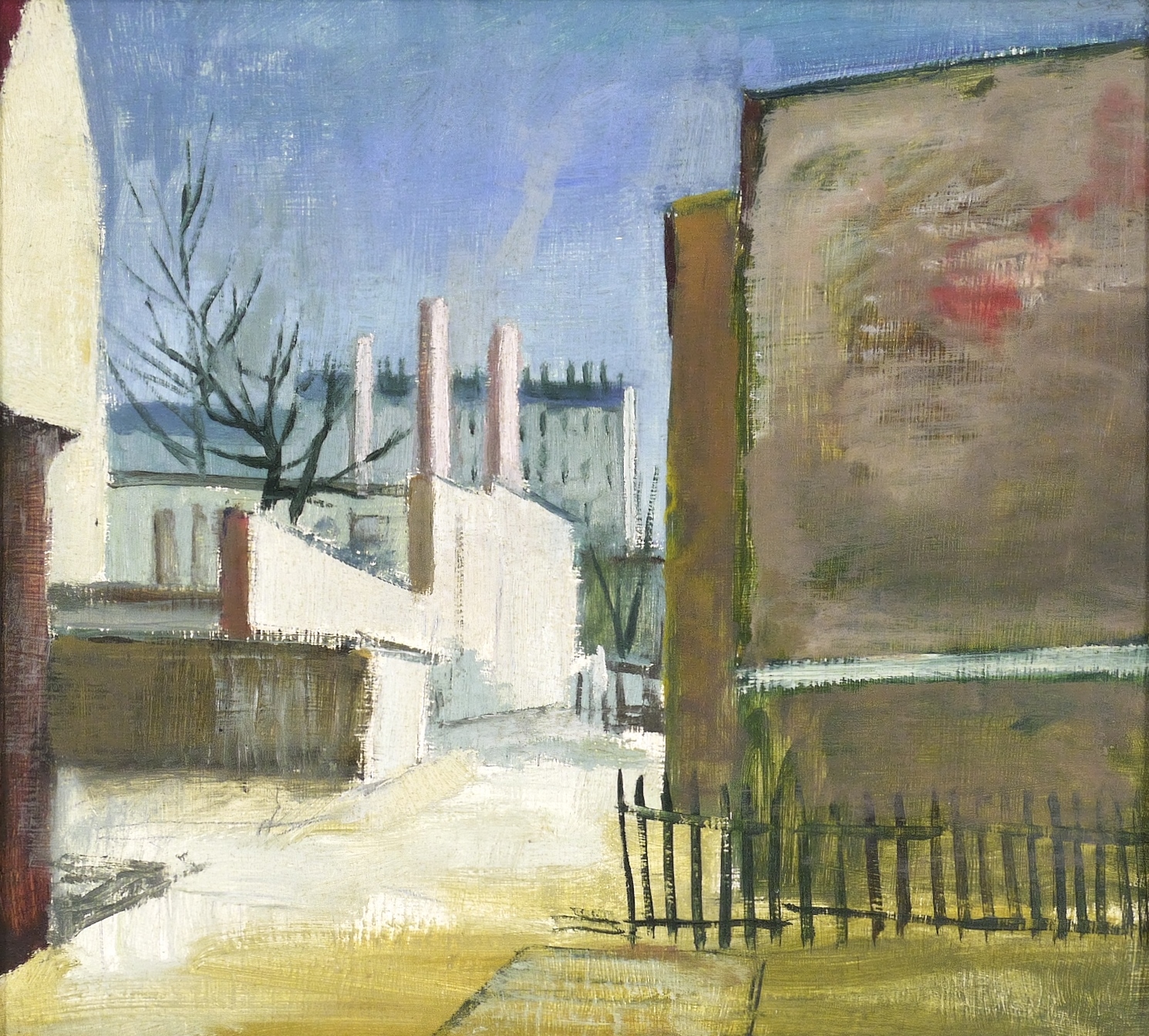
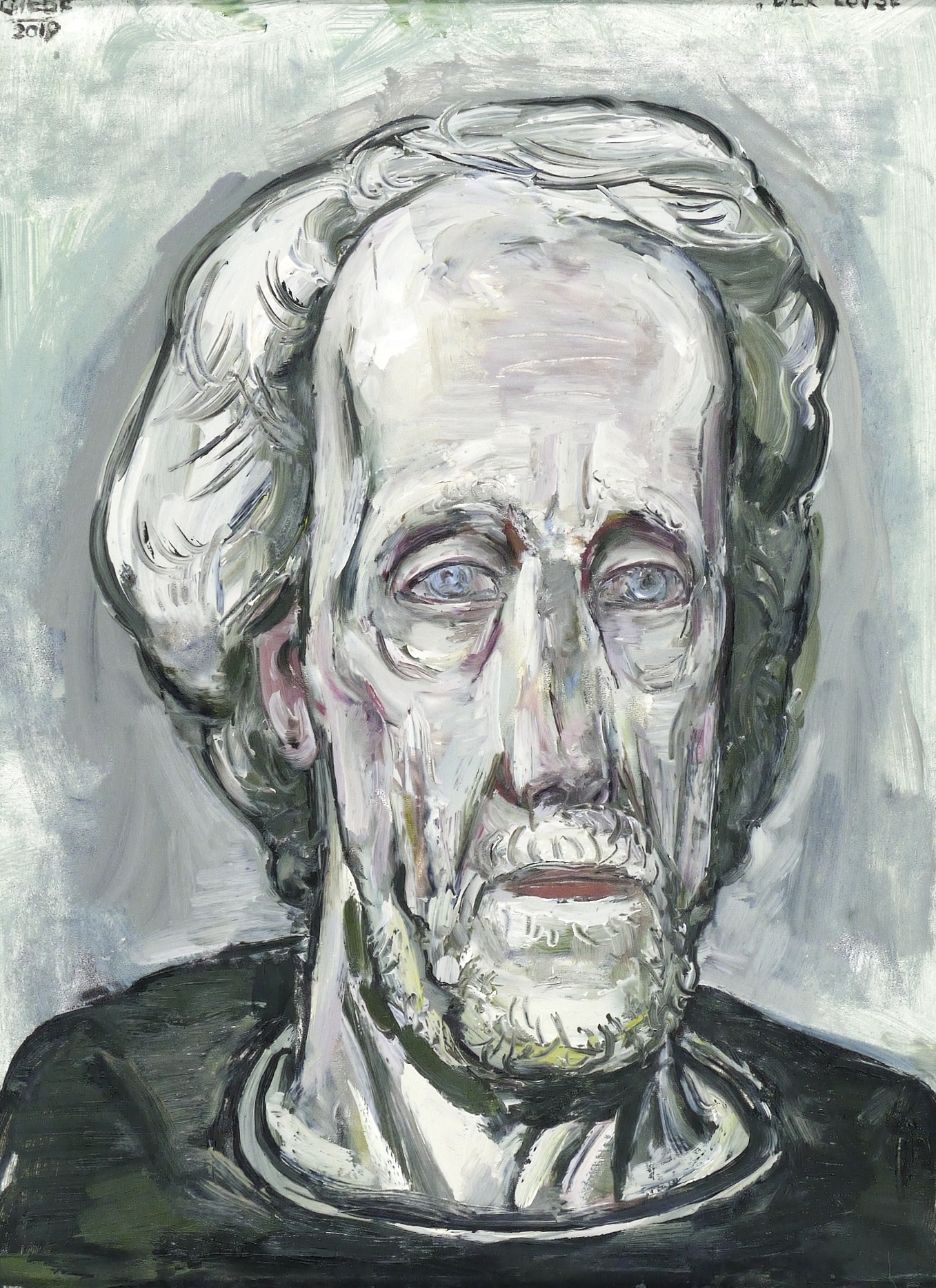
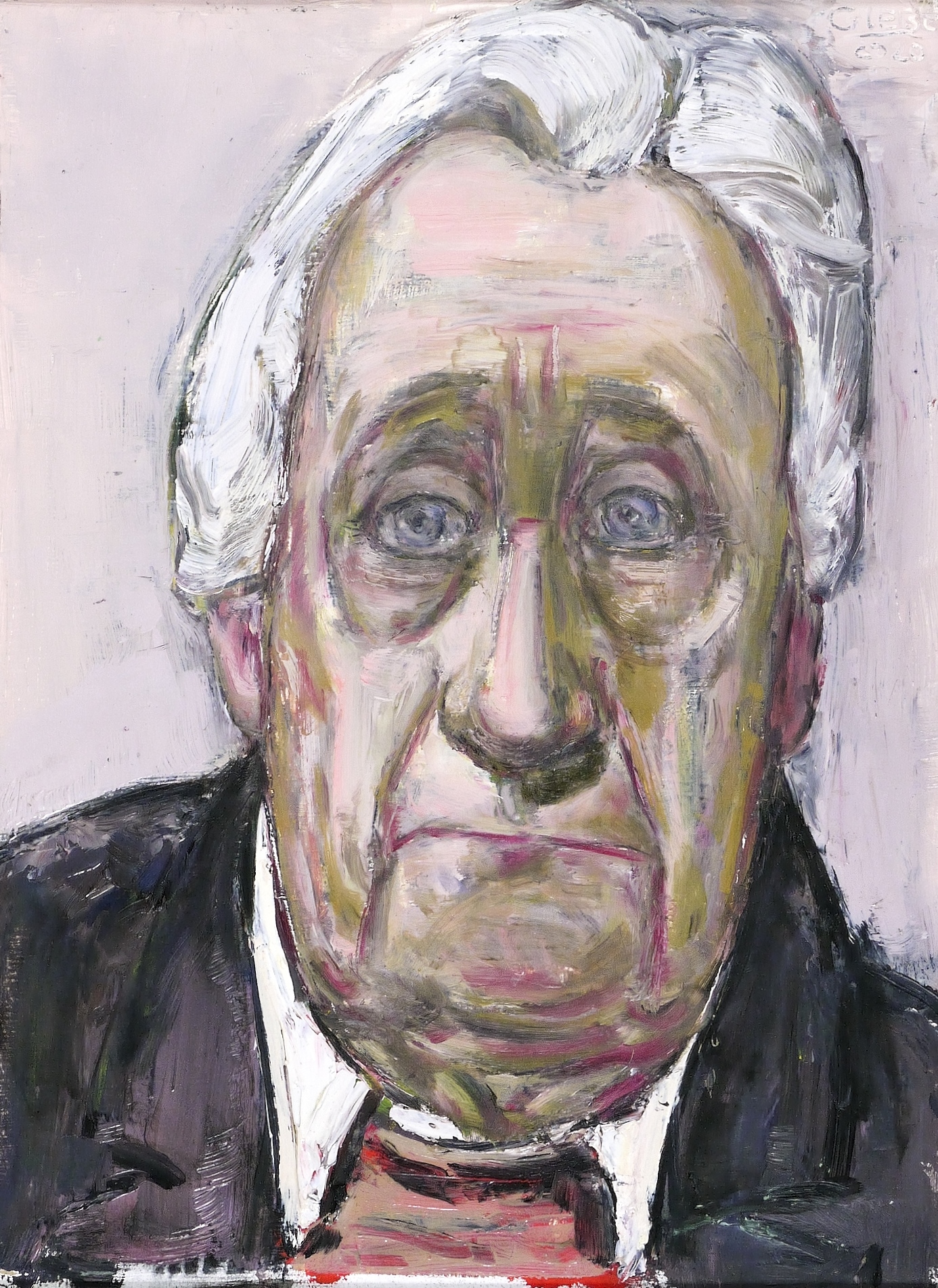
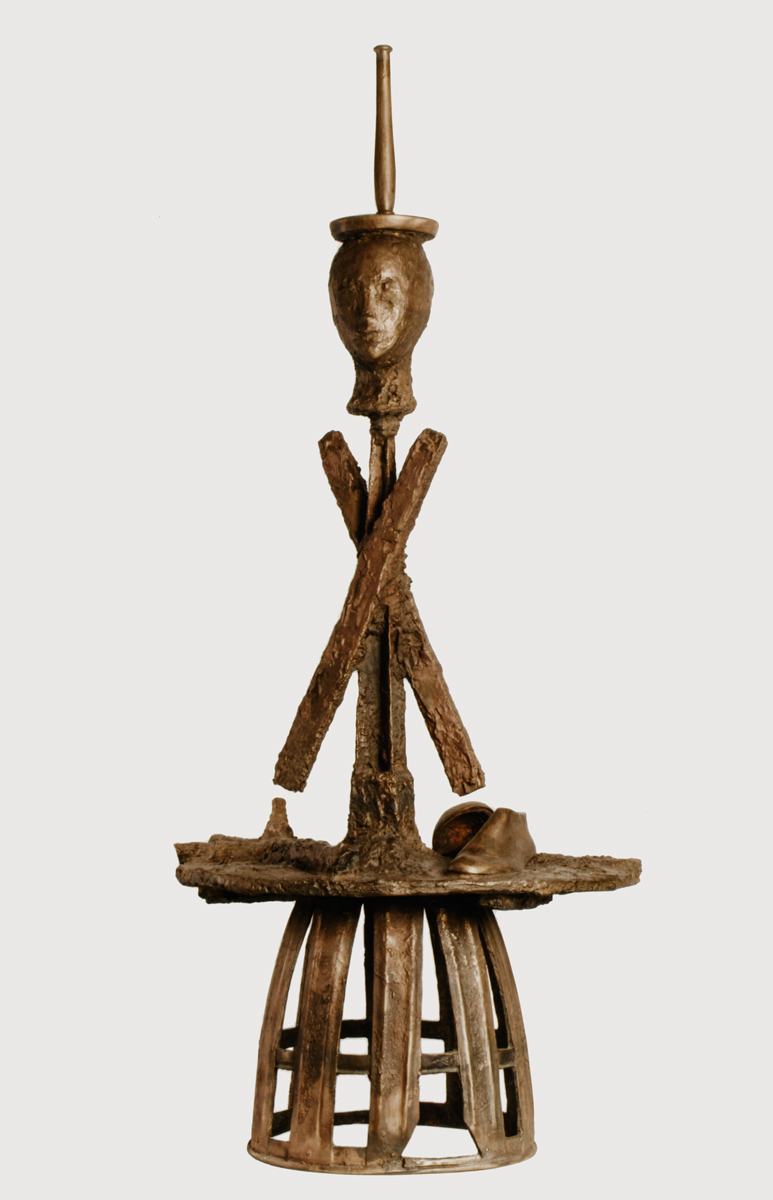
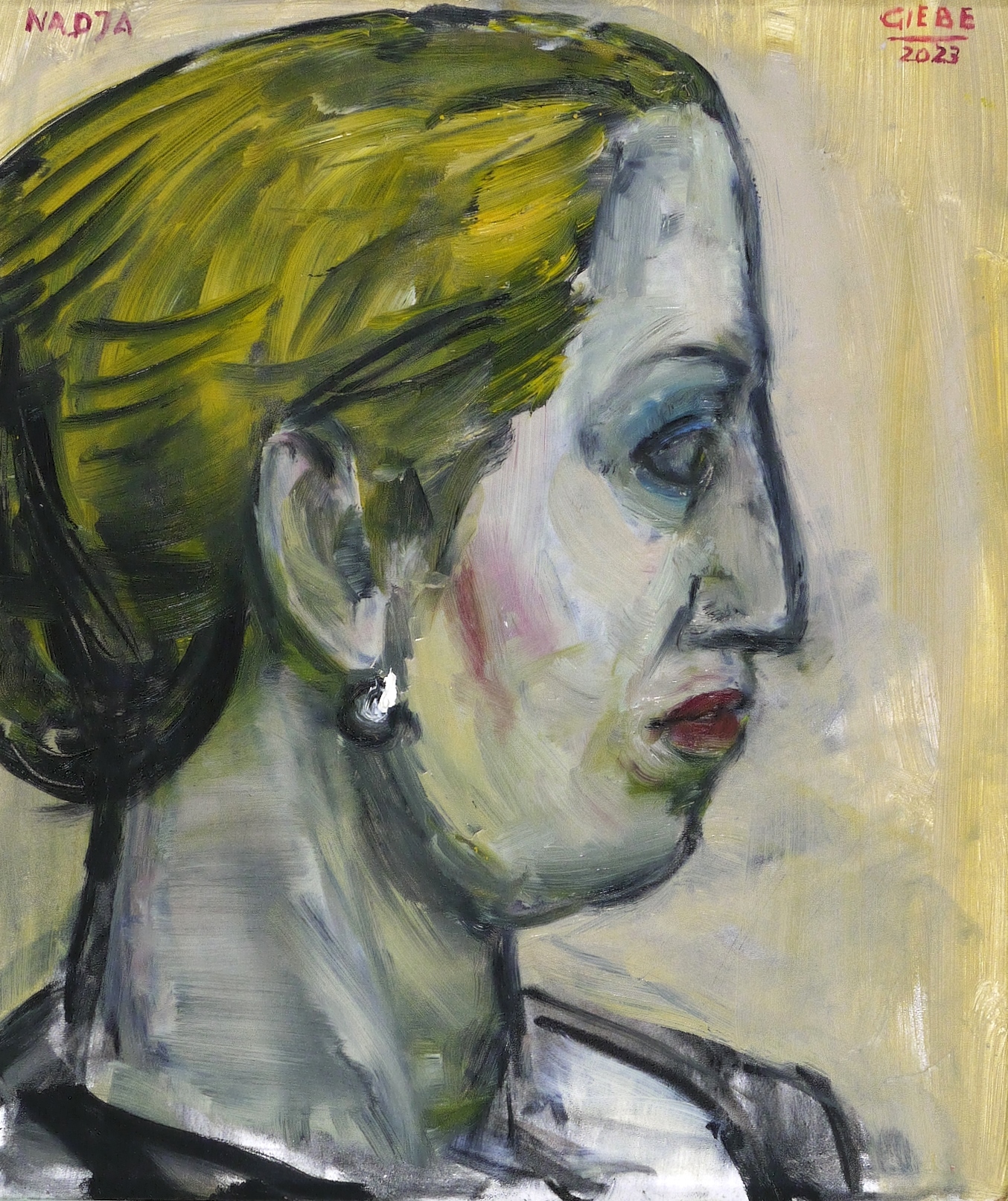
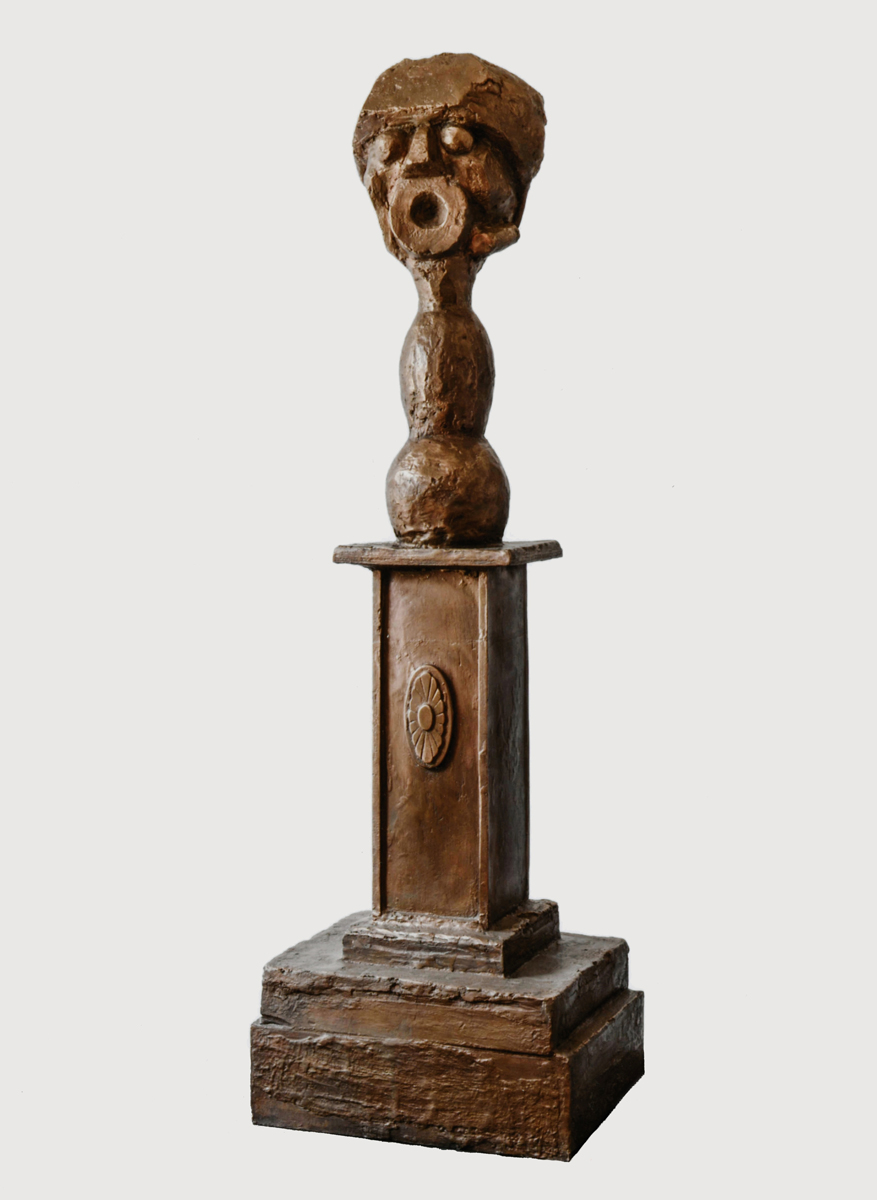
The Dresden painter, draughtsman and graphic artist Hubertus Giebe is one of the most important representatives of expressive figurative painting of the younger German post-war generation. He develops his historical paintings, portraits and nudes, as well as landscapes and still lifes, with great clarity, sharpness and empathy. On the occasion of the artist's 70th birthday, we are showing works from 50 years of creative activity – visually powerful testimonies to existential sensitivities.
Giebe, Hubertus. – „Das Gehäuse (Große Fassung)”
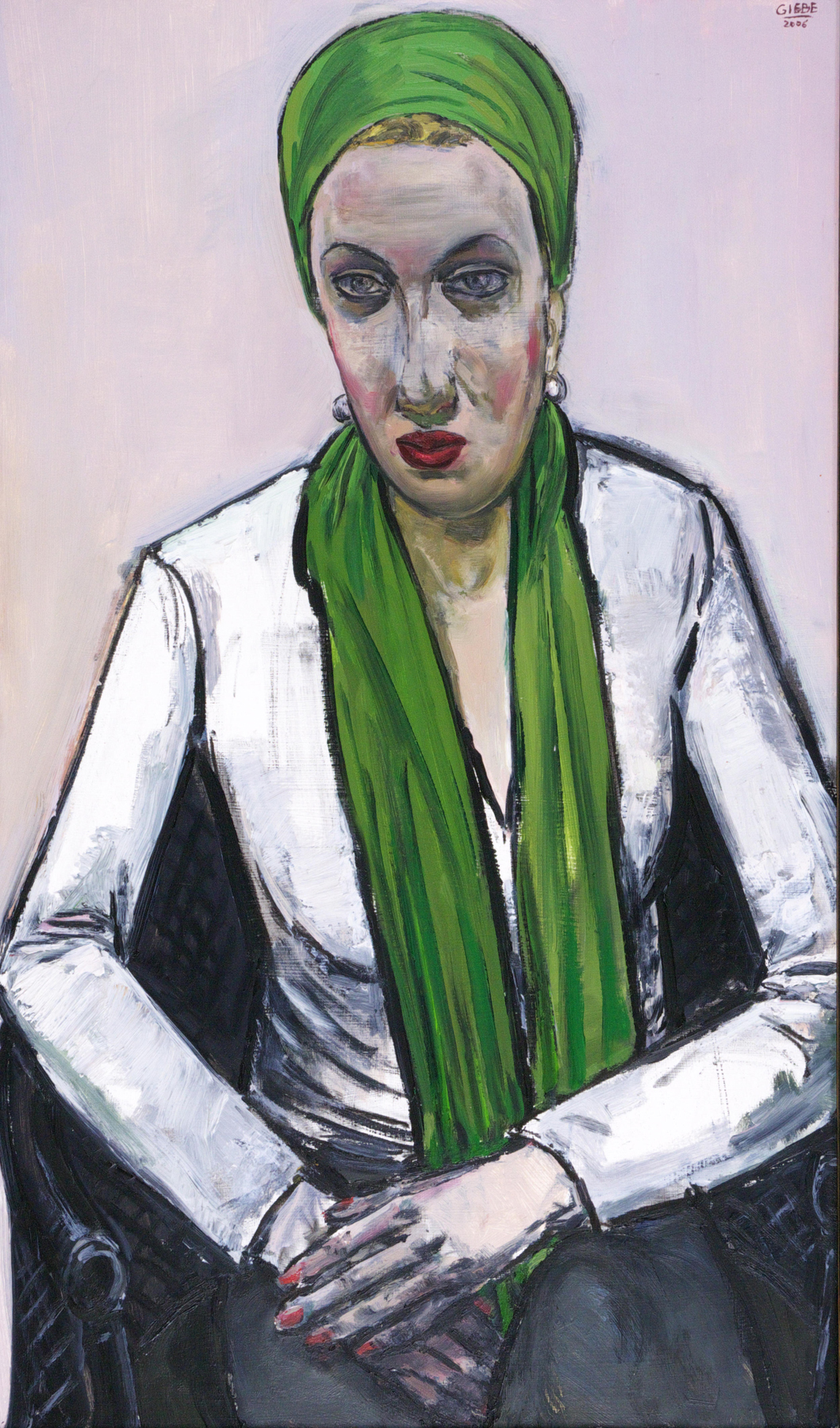
Giebe, Hubertus. – „Nadja III”
Giebe, Hubertus. – „Strand auf der Insel Terschelling”
Giebe, Hubertus. – „Tannen am Abend im Großen Garten”
Giebe, Hubertus. – Die Blechtrommel (Günter Grass). – „Großes Schlussblatt (Spiegel des Krieges)”
Giebe, Hubertus. – „Bildnis Emil, sitzend”
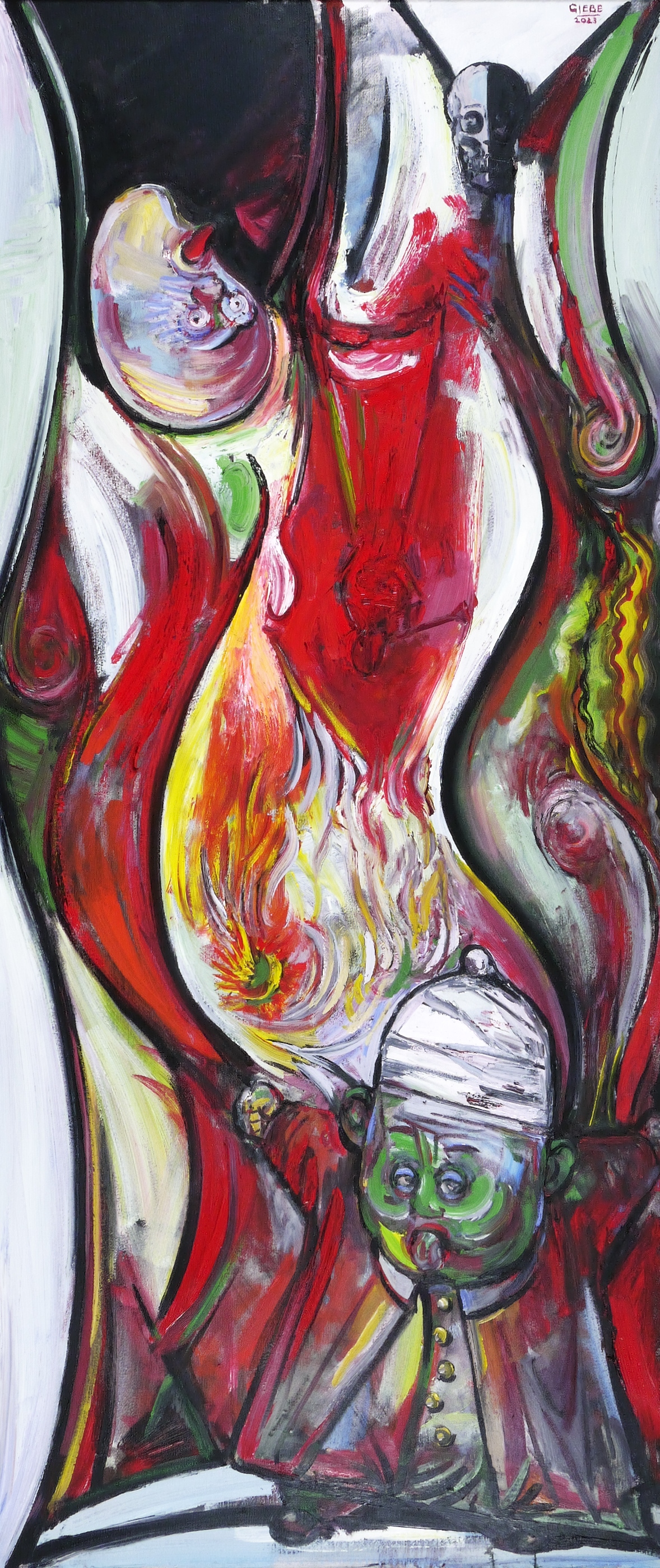
Giebe, Hubertus. – „Engelssturz”
Giebe, Hubertus. – „Selbstbildnis III (im Dez. 2020)”
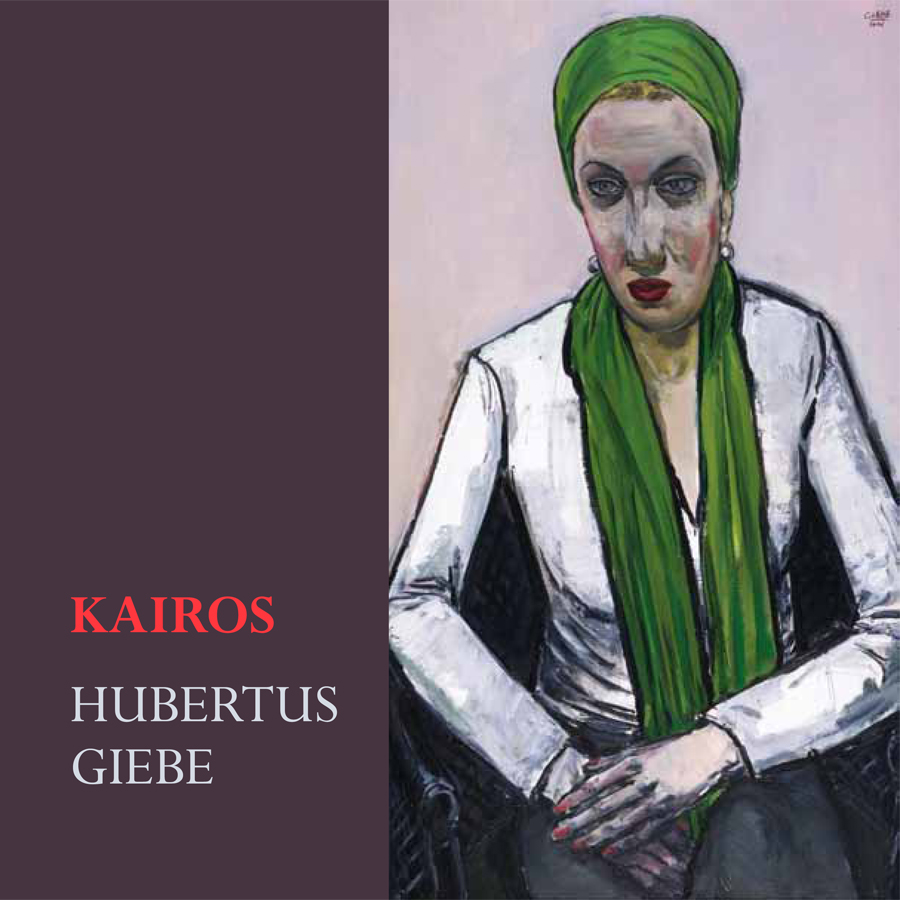
Böhlitz, Michael / Himmel, Anja (Hrsg.). – „Hubertus Giebe. Kairos”.
2023. Galerie Himmel (Eigenverlag), Dresden. – Ausstellungskatalog, von Hubertus Giebe. – 21 x 21 cm (Format).
8°, Broschur, 112 S., 49 Abb. – Katalog zur Ausstellung anlässlich des 70. Geburtstages des Künstlers ″Hubertus Giebe. Kairos″ in der Galerie Himmel in Dresden, 11. November 2023 - 13. Januar 2024. – Vorwort von Anja Himmel und Michael Böhlitz, Text von Bernhard Maaz. – Zahlreiche Werk- Abbildungen, ausführliche Biografie. – Erstausgabe, neu.
The ancient Greek word »Kairos« is the title of the exhibition we are dedicating to Hubertus Giebe on his 70th birthday. It means something like »the favour of the hour« or 'the right opportunity' and refers to the decisive critical moment that one can let pass, but in the best case scenario recognise and take advantage of. In Greek mythology, the relentless god Chronos is counterbalanced by Kairos, a friendly antipode who interprets “time” as a fundamentally fruitful creative force. In the context of life and the course of life, Kairos can therefore be understood as a chance, an opportunity or a decision, a positive turn of events. Today, Hubertus Giebe is one of the most important representatives of expressive figurative painting among the younger German post-war generation. Since the 1980s, his name has been well known in the East and West German art scene, and since the 1990s at the latest, he has also been internationally renowned, today representing a prominent position in contemporary painting. The exhibition ‘Kairos’ aims to trace the artistic credo of the painter and intellectual as well as the genesis of his incomparable work with a number of essential exhibits. In addition to the allegorical »historical paintings«, portraits, nudes, landscapes and still lifes also bear witness to inner sensitivities and struggles, to the wrestling with the world and history, but not least to the absolute necessity of art. Again and again, this time with what is now his sixth solo exhibition, we surround ourselves with the figures of Giebe's »world theatre«, confronting ourselves with the creatures and pictorial symbols of his brush. They were and continue to be the main subject of his work: sometimes doll-like, sometimes endangered figures, brutal-looking fragments, bizarre objects and symbols populate suggestive scenes frozen in terror, which the artist as director conjures up and forces into confined pictorial spaces. Away from the Sisyphean task of the »historical image«, Hubertus Giebe formulates a no less forceful, no less demanding visual language in traditional subjects such as portraiture, nudes, landscapes and still lifes, determined by the same expressive style, the same powerful colouring, the same reduction of form and sharpening of contours. Again and again, dynamic movement and shimmering, luminous colourism encounter dull rigidity and shocking immobility. His kindred spirits in this regard are Oskar Kokoschka, Max Beckmann and Otto Dix. Hubertus Giebe's imagery explores the depths of our humanity, unmasking and questioning our society with images that serve as warnings or lamentations. But while this painting addresses our humanity, it never lapses into rhetoric that is foreign to art, but speaks the pure language of painting, following only its own laws and constantly measuring itself against the greatest in its guild. Looking back with Hubertus Giebe on the »favourable opportunities« in his life, we see that he often enough managed to grasp the proverbial tail of the elusive god, had and seized unique opportunities, and made decisions that helped him grow as a person and as an artist.
Hubertus Giebe,
Das Gehäuse (Große Fassung), 2020
Öl auf Leinwand, 160,0 x 200,0 cm