Collection
Gerlint Soeder & Erhard Frommhold

23. November 2024 — 25. January 2025

Jussuf Abbo, Alfred Ahner, Karl Albiker, ANTOINETTE, Erich Buchwald-Zinnwald, Fritz Cremer, Otto Dix, Klaus Drechsler, Georg Eisler, Conrad Felixmueller, Wieland Foerster, Erich Fraaß, Hubertus Giebe, Peter Graf, Nikolai Grizjuk, Curt Großpietsch, Hans Grundig, Lea Grundig, Ernst Hassebrauk, Josef Hegenbarth, Johannes Heisig, Veit Hoffmann, Eberhard Klauß, Siegfried Klotz, Andreas Kuechler, Otto Lange, Hernando Leon, Gerda Lepke, Erna Lincke, El Lissitzky, Franz Masereel, Ludwig Meidner, Otto Pankok, Ronald Paris, Wolfgang Petrovsky, Egon Pukall, Curt Querner, Hans Theo Richter, Hermann Theodor Richter, Theodor Rosenhauer, Wilhelm Rudolph, Gustav Seitz, Lothar Sell, Gert Soeder, Klaus-Michael Stephan, Rosemarie (Julia) Stephan, Werner Stötzer, Alexander von Szpinger, Fritz Troeger, Herbert Tucholski, Vinzenz Wanitschke, Claus Weidensdorfer, Charles White, Paul Wilhelm, Ignacy Witz, Willy Wolff, Alexander Wolfgang, Rainer Zille

  • Hernando León – „Hochseil-Artisten“
    Leon, Hernando. – „Hochseil-Artisten”
  • Curt Querner – „Gasse“
    Querner, Curt. – „Gasse”
  • Vinzenz Wanitschke – „Weiblicher Akt“
    Wanitschke, Vinzenz. – „Weiblicher Akt”
  • Josef Hegenbarth – „Rauchendes Paar (Schutzumschlag Fritz Löffler)“
    Hegenbarth, Josef. – „Rauchendes Paar (Schutzumschlag Fritz Löffler)”
  • Werner Stötzer – „Sitzender weiblicher Akt“
    Stötzer, Werner. – „Sitzender weiblicher Akt”
  • Hubertus Giebe – „Hockender Rückenakt (Glückwunsch für Erhard Frommhold)“
    Giebe, Hubertus. – „Hockender Rückenakt (Glückwunsch für Erhard Frommhold)”
  • Hubertus Giebe – „Wally“
    Giebe, Hubertus. – „Wally”
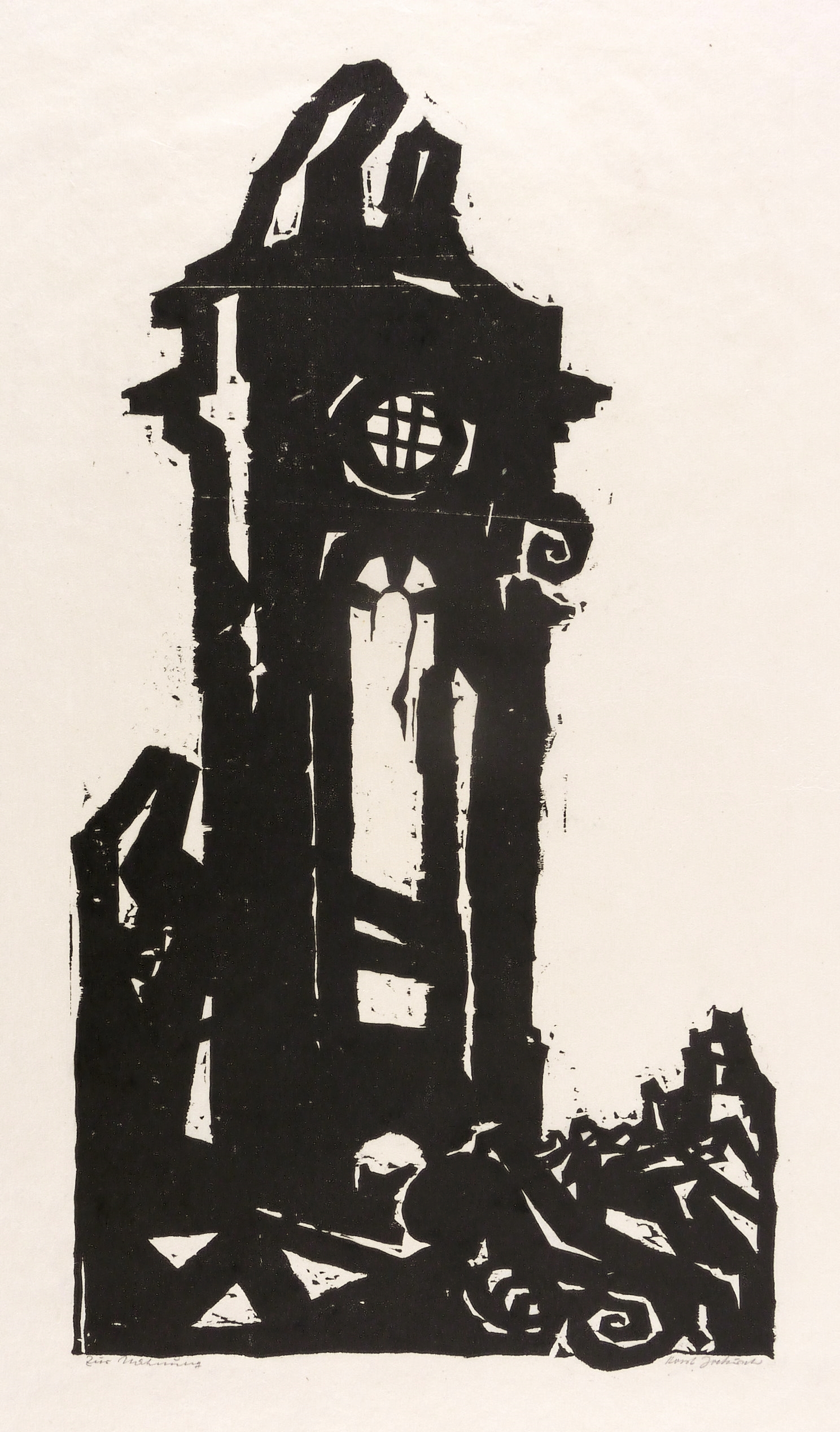
  • Horst Jockusch – „Zur Mahnung (Ruine Frauenkirche Dresden)“
    Jockusch, Horst. – „Zur Mahnung (Ruine Frauenkirche Dresden)”
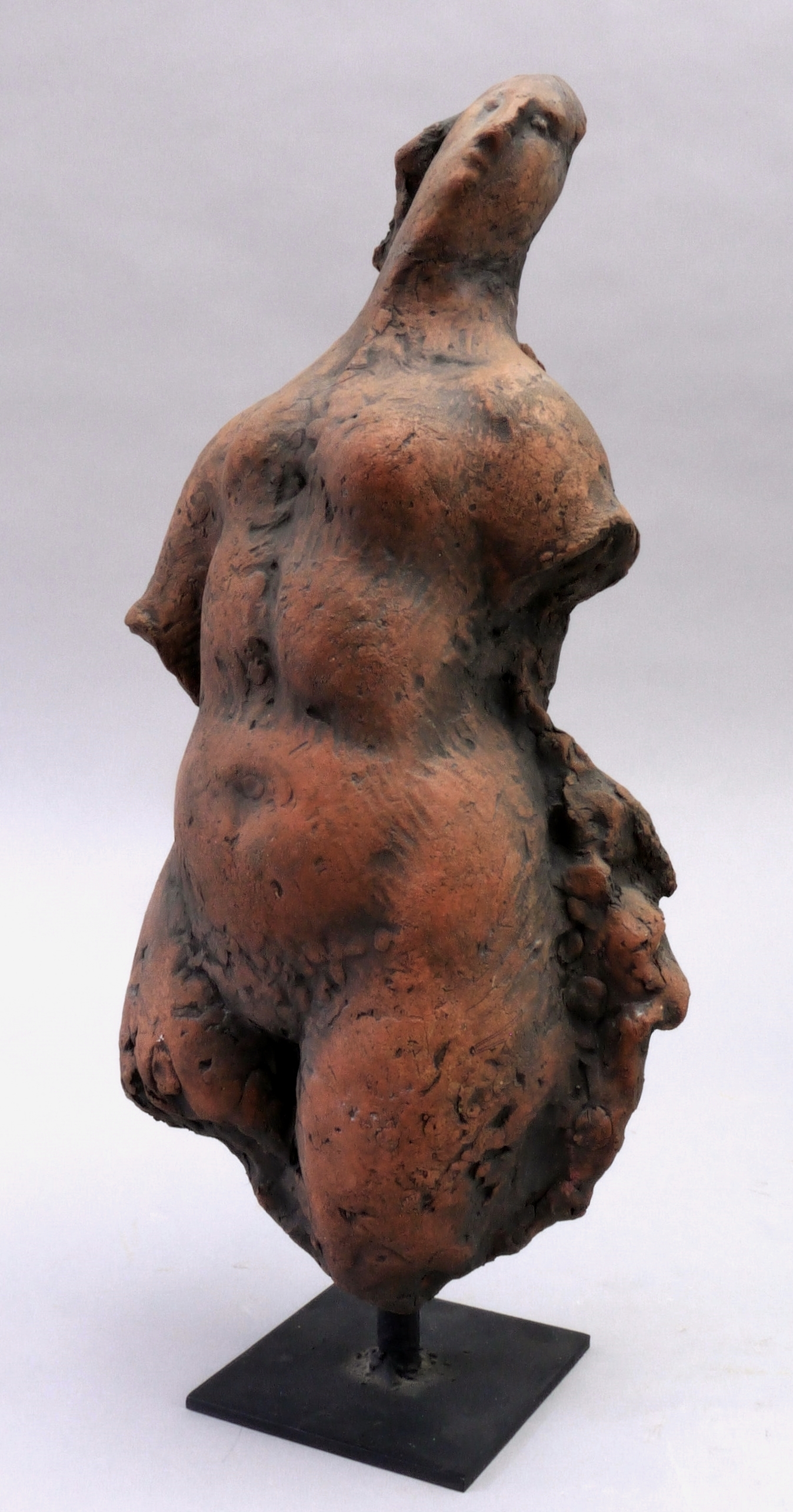
  • Rosemarie Stephan (Julia) – „Figur mit Draperie“
    Stephan, Rosemarie (Julia). – „Figur mit Draperie”
  • Georg Eisler – „Kauernder Akt“
    Eisler, Georg. – „Kauernder Akt”
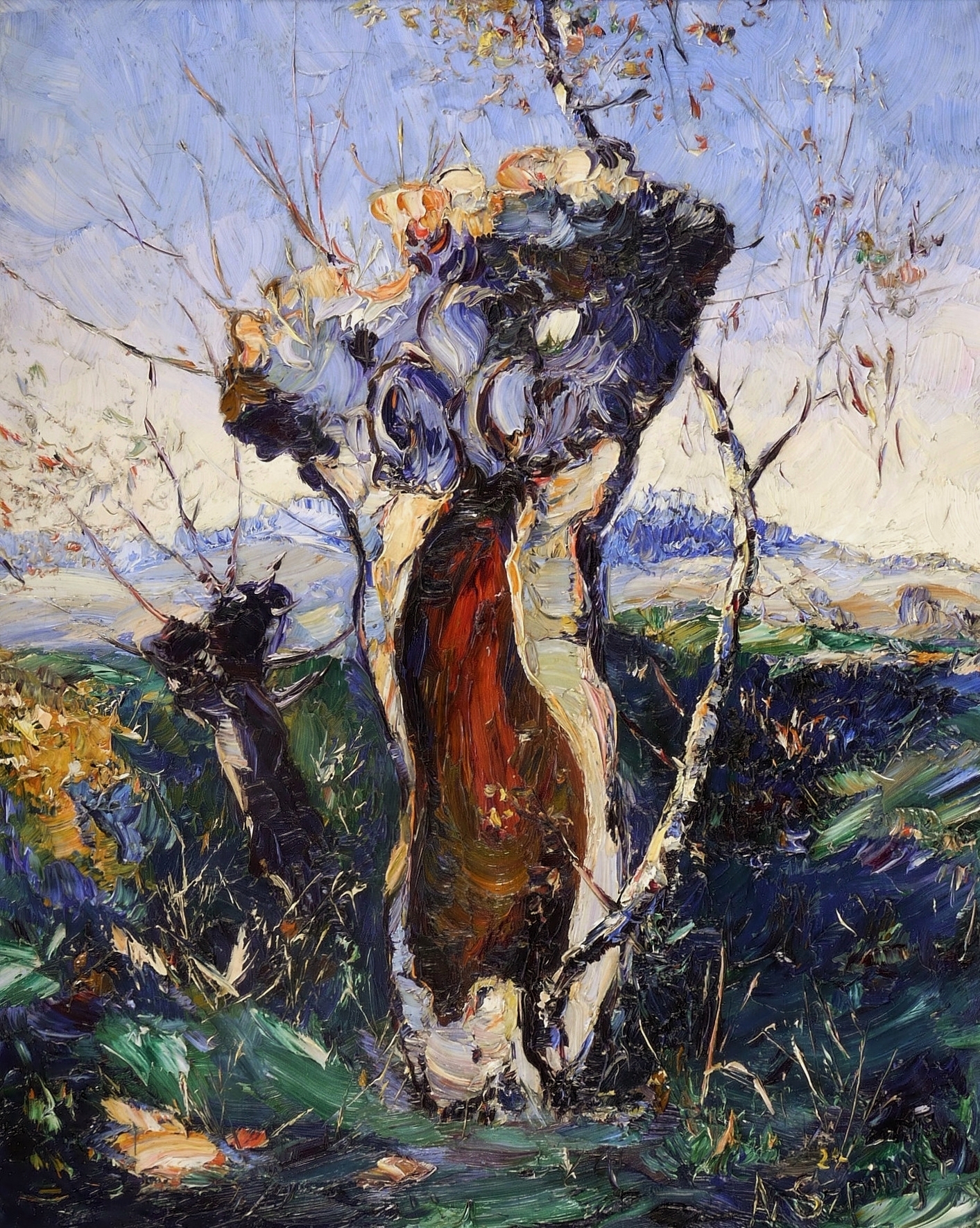
  • Alexander von Szpinger – „Der Weidenkönig“
    Szpinger, Alexander von. – „Der Weidenkönig”
  • Peter Graf – „Maler als Pierrot (Selbst)“
    Graf, Peter. – „Maler als Pierrot (Selbst)”
  • Ignacy Witz – „Nachdenklicher Mann“
    Witz, Ignacy. – „Nachdenklicher Mann”
  • Johannes Heisig – „Selbst, zeichnend“
    Heisig, Johannes. – „Selbst, zeichnend”
  • Eberhard Klauß – „Ohne Titel“
    Klauß, Eberhard. – „Ohne Titel”
  • Klaus-Michael Stephan – „Stürzender Reiter“
    Stephan, Klaus-Michael. – „Stürzender Reiter”
  • Ronald Paris – „Große Figurenkomposition (Die Mauern)“
    Paris, Ronald. – „Große Figurenkomposition (Die Mauern)”
  • Hubertus Giebe – „Zwei Puppen“
    Giebe, Hubertus. – „Zwei Puppen”
  • Andreas Küchler – „Begegnung“
    Küchler, Andreas. – „Begegnung”
  • ANTOINETTE – „Salondame“
    ANTOINETTE. – „Salondame”
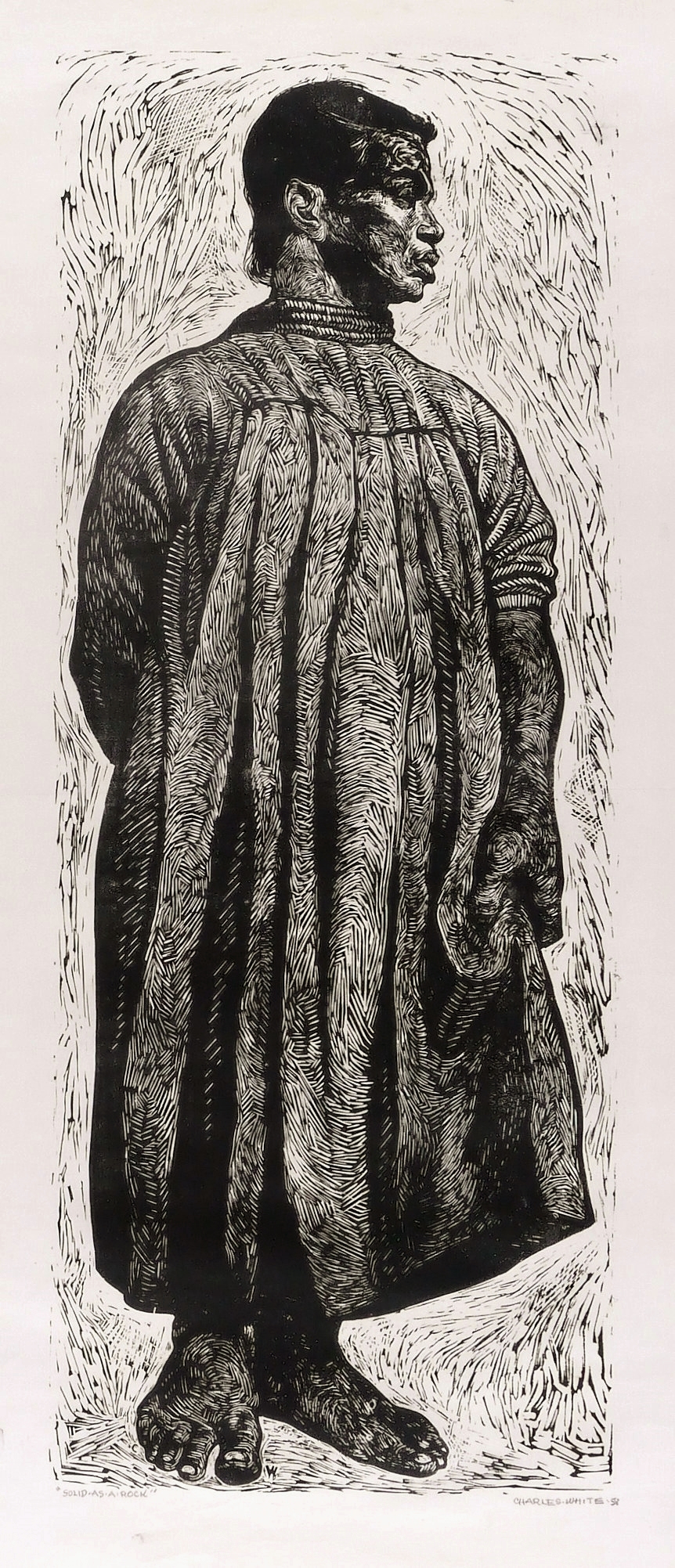
  • Charles White – „Solid as a rock (My God is rock)“
    White, Charles. – „Solid as a rock (My God is rock)”
  • Horst Weiße – „Kopf-Schulter“
    Weiße, Horst. – „Kopf-Schulter”
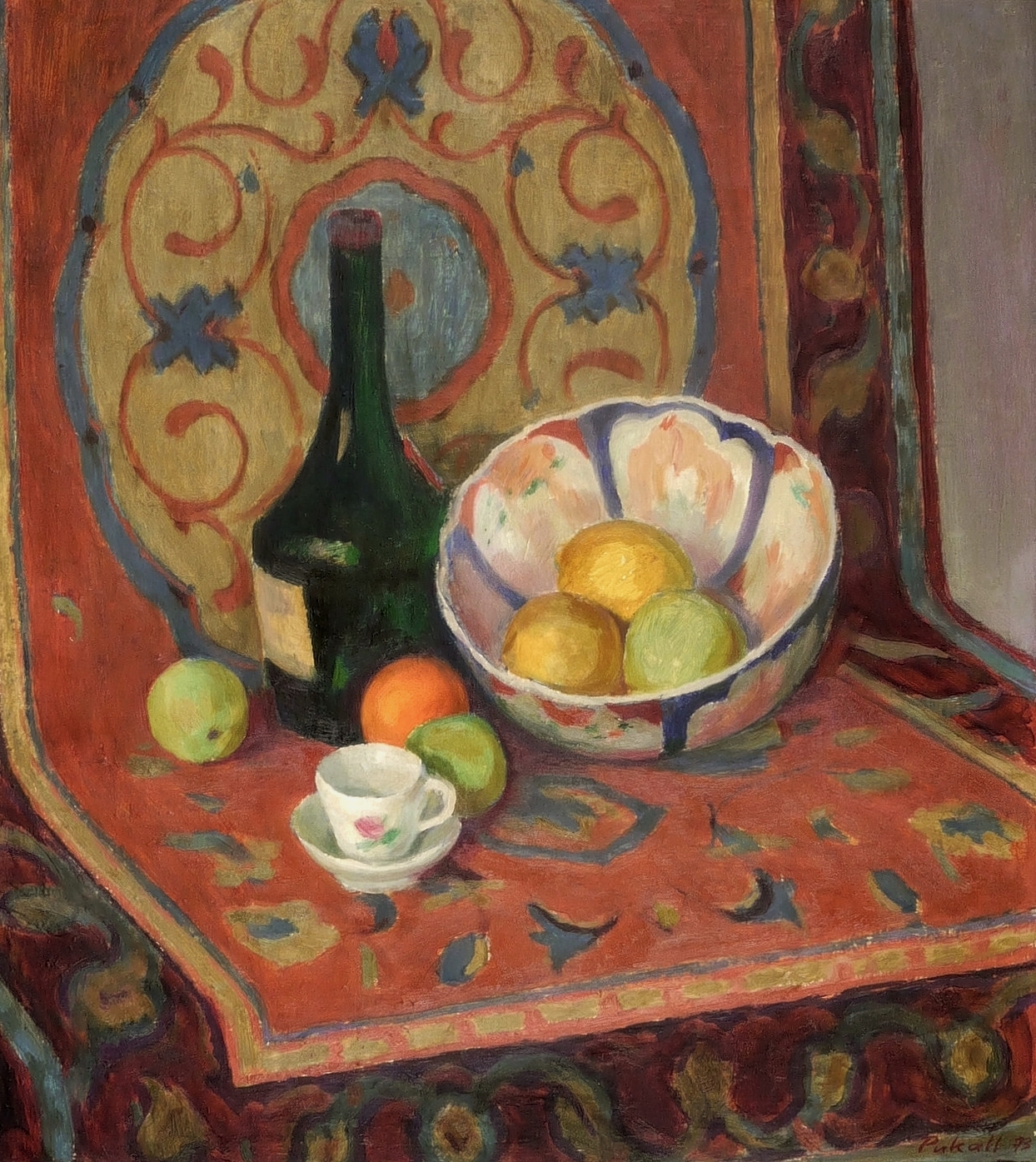
  • Egon Pukall – „Teppich mit Stillleben“
    Pukall, Egon. – „Teppich mit Stillleben”
  • Fritz Tröger – „Am Borsberg bei Pillnitz“
    Tröger, Fritz. – „Am Borsberg bei Pillnitz”
  • Werner Haselhuhn – „Landschaft“
    Haselhuhn, Werner. – „Landschaft”
  • Erich Fraaß – „Felder im Winter “
    Fraaß, Erich. – „Felder im Winter ”
  • Georg Eisler – „Landschaft mit Maler“
    Eisler, Georg. – „Landschaft mit Maler”
  • Anatoli Kaplan – „Busi (Ich bin Prinz und Busi ist die Prinzessin)“
    Kaplan, Anatoli. – Lied der Lieder (Scholem Alejchem). – Erster Teil. – „Busi (Ich bin Prinz und Busi ist die Prinzessin)”
  • Anatoli Kaplan – „Beim Rabbi (Gerichtsprozess des Schneiders)“
    Kaplan, Anatoli. – Der behexte Schneider (Scholem Alejchem). – Siebentes Kapitel. – „Beim Rabbi (Gerichtsprozess des Schneiders)”
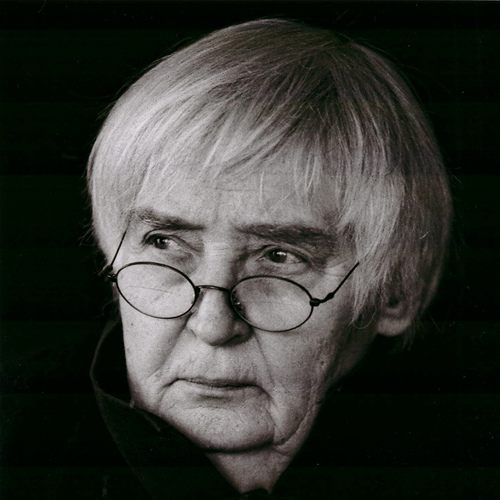
  • Siegfried Klotz – „Bildnis Erhard Frommhold“
    Klotz, Siegfried. – „Bildnis Erhard Frommhold”
  • Gert Söder – „Erinnerung an den Oybin“
    Söder, Gert. – „Erinnerung an den Oybin”
  • Hermann Theodor Richter – „Sitzender weiblicher Akt“
    Richter, Hermann Theodor. – „Sitzender weiblicher Akt”
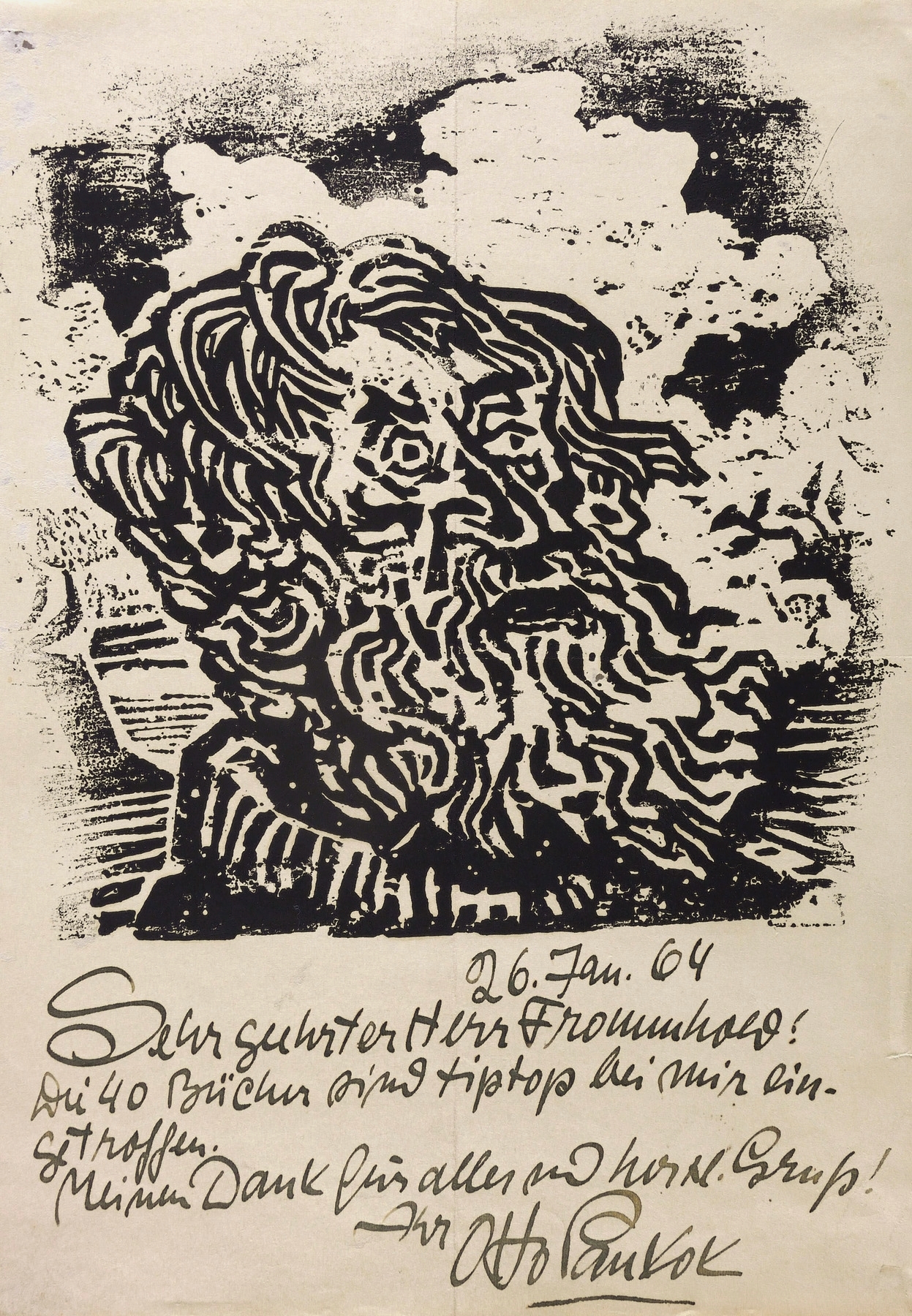
  • Otto Pankok – „Selbst (Wind)“
    Pankok, Otto. – „Selbst (Wind)”
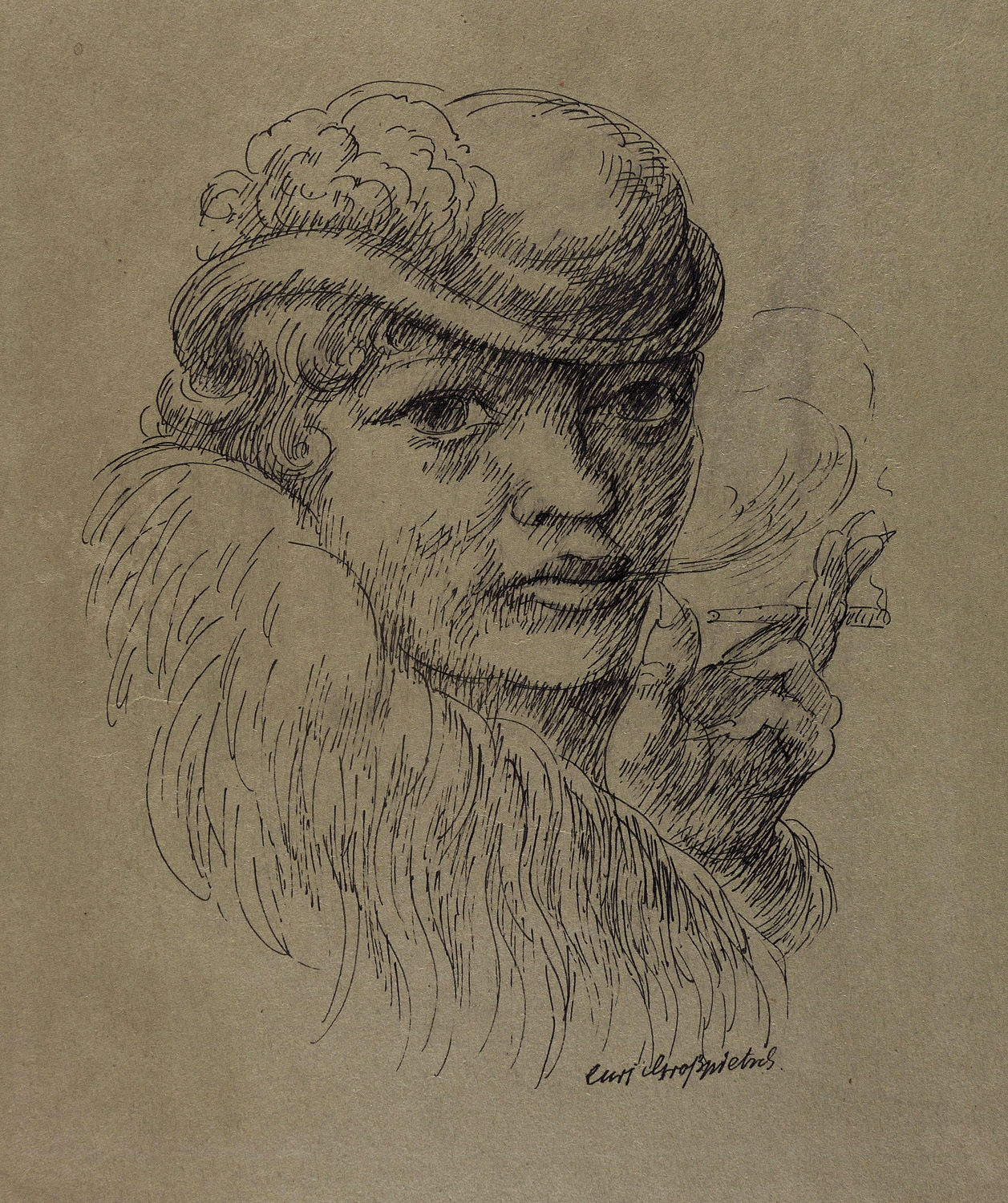
  • Curt Großpietsch – „Dame mit Zigarette“
    Großpietsch, Curt. – „Dame mit Zigarette”
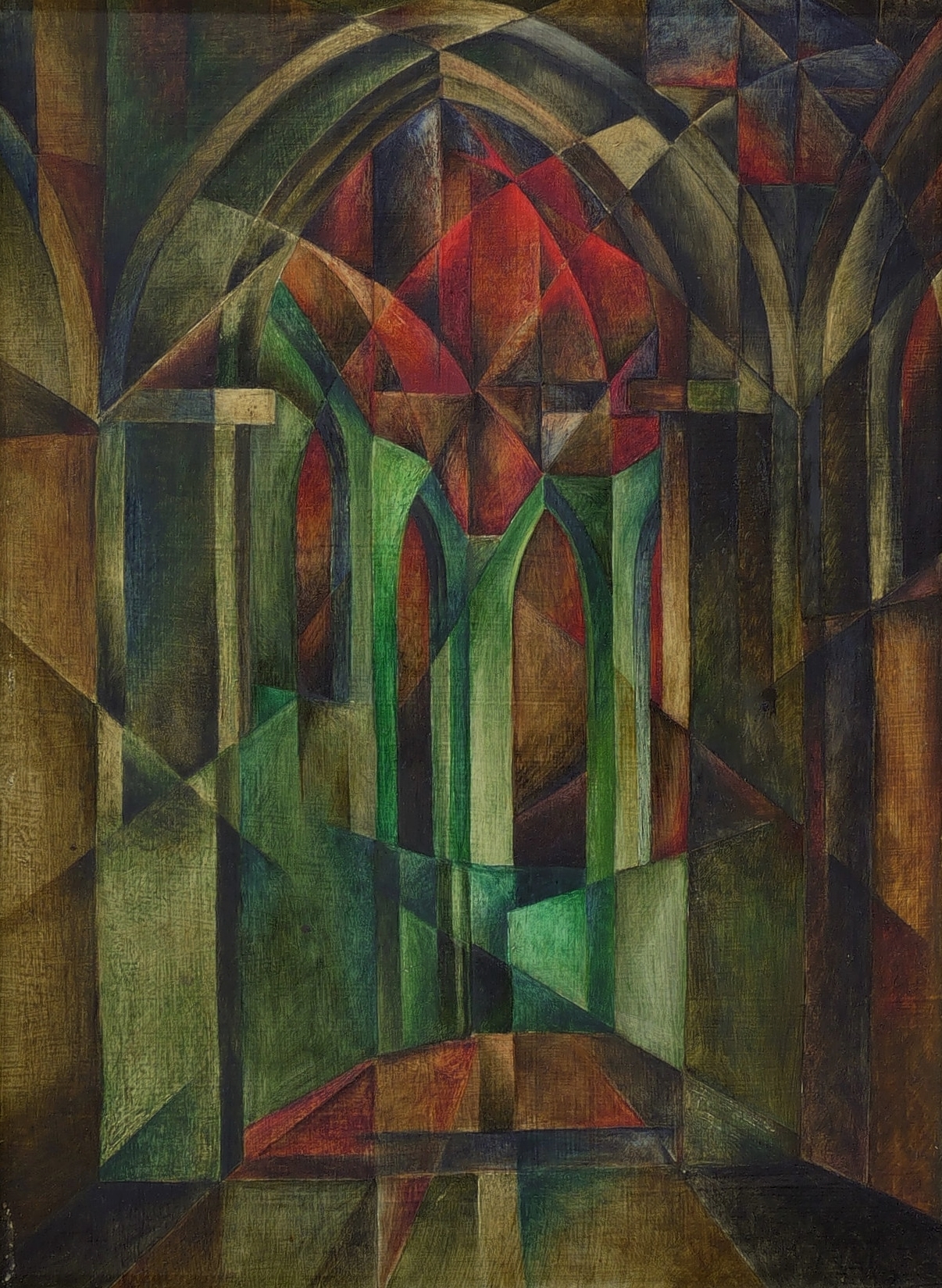
  • Curt Großpietsch – „Auferstehung der Toten“
    Großpietsch, Curt. – „Auferstehung der Toten”
  • Paul Wilhelm – „Marion mit Pelzstola und Hut“
    Wilhelm, Paul. – „Marion mit Pelzstola und Hut”
  • Ludwig Meidner – „Selbstbildnis (Ludwig Meidner VIII)“
    Meidner, Ludwig. – „Selbstbildnis (Ludwig Meidner VIII)”
  • Karl Albiker – „Stehender Akt (Plastische Ausführung)“
    Albiker, Karl. – „Stehender Akt (Plastische Ausführung)”
  • Wilhelm Rudolph – „Raben“
    Rudolph, Wilhelm. – „Raben”
  • Wilhelm Rudolph – „Planwagen“
    Rudolph, Wilhelm. – „Planwagen”
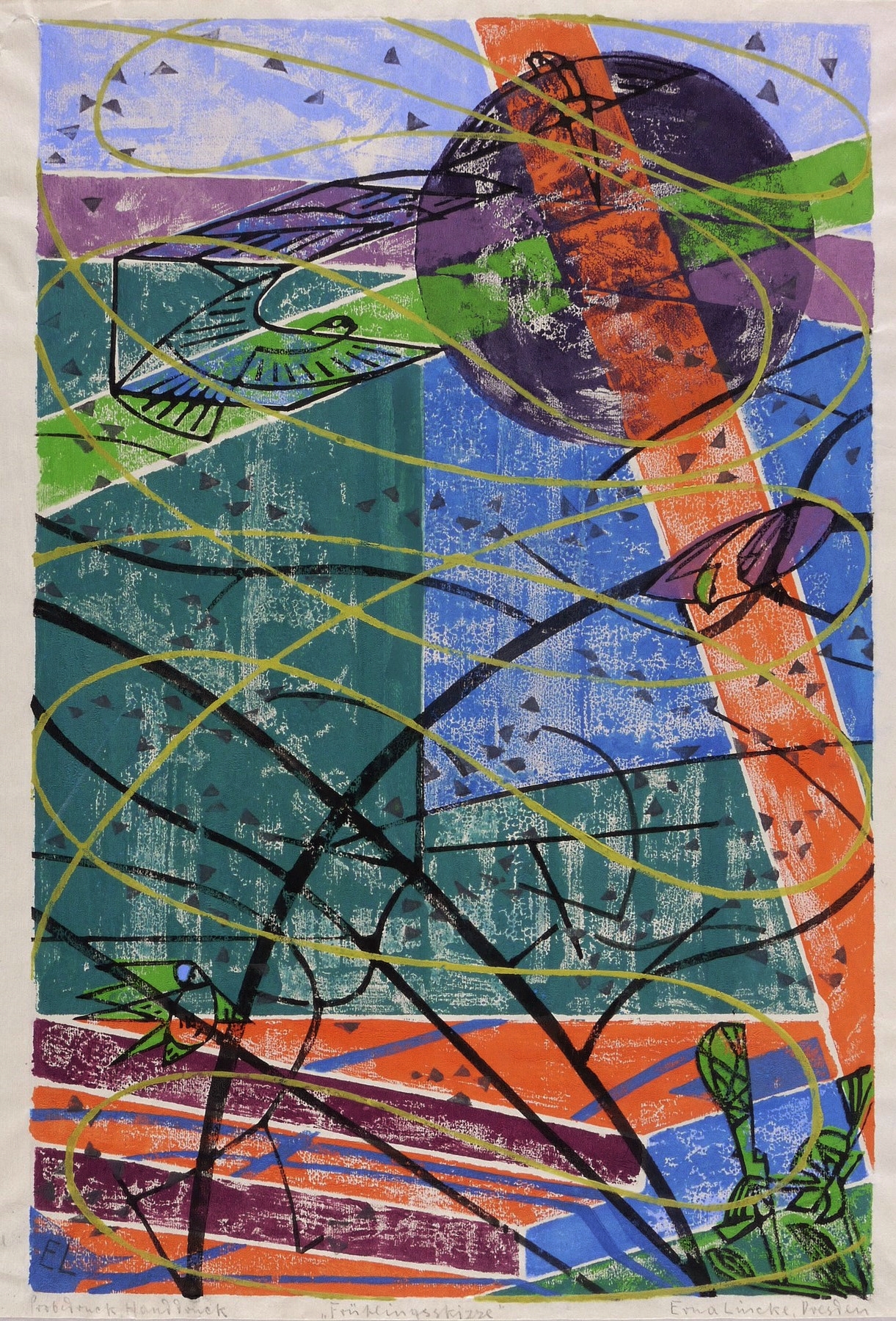
  • Erna Lincke – „Frühlingsskizze“
    Lincke, Erna. – „Frühlingsskizze”
  • Otto Lange – „Eisbahn (Franckes Eisbahn)“
    Lange, Otto. – „Eisbahn (Franckes Eisbahn)”
  • Erich Buchwald-Zinnwald – „Zinnwald im Schnee“
    Buchwald-Zinnwald, Erich. – „Zinnwald im Schnee”
  • Herbert Tucholski – „Fischerboote vor Stralsund“
    Tucholski, Herbert. – „Fischerboote vor Stralsund”
  • Wilhelm Rudolph – „Pferdewagen“
    Rudolph, Wilhelm. – „Pferdewagen”
  • Frans Masereel – „Ohne Titel (Lesender mit Akt)“
    Masereel, Frans. – „Ohne Titel (Lesender mit Akt)”
  • Hans Grundig – „Pommern“
    Grundig, Hans. – „Pommern”
  • Lea Grundig – „Kinderspielplatz bei Nacht“
    Grundig, Lea. – Frauenleben. – Blatt XII. – „Kinderspielplatz bei Nacht”
  • Alfred Ahner – „Zwei Bulldoggen“
    Ahner, Alfred. – „Zwei Bulldoggen”
  • Jussuf Abbo – „Kopf (Porträtbüste Yvonne Georgi?)“
    Abbo, Jussuf. – „Kopf (Porträtbüste Yvonne Georgi?)”
  • Otto Dix – „Contessa“
    Dix, Otto. – „Contessa”
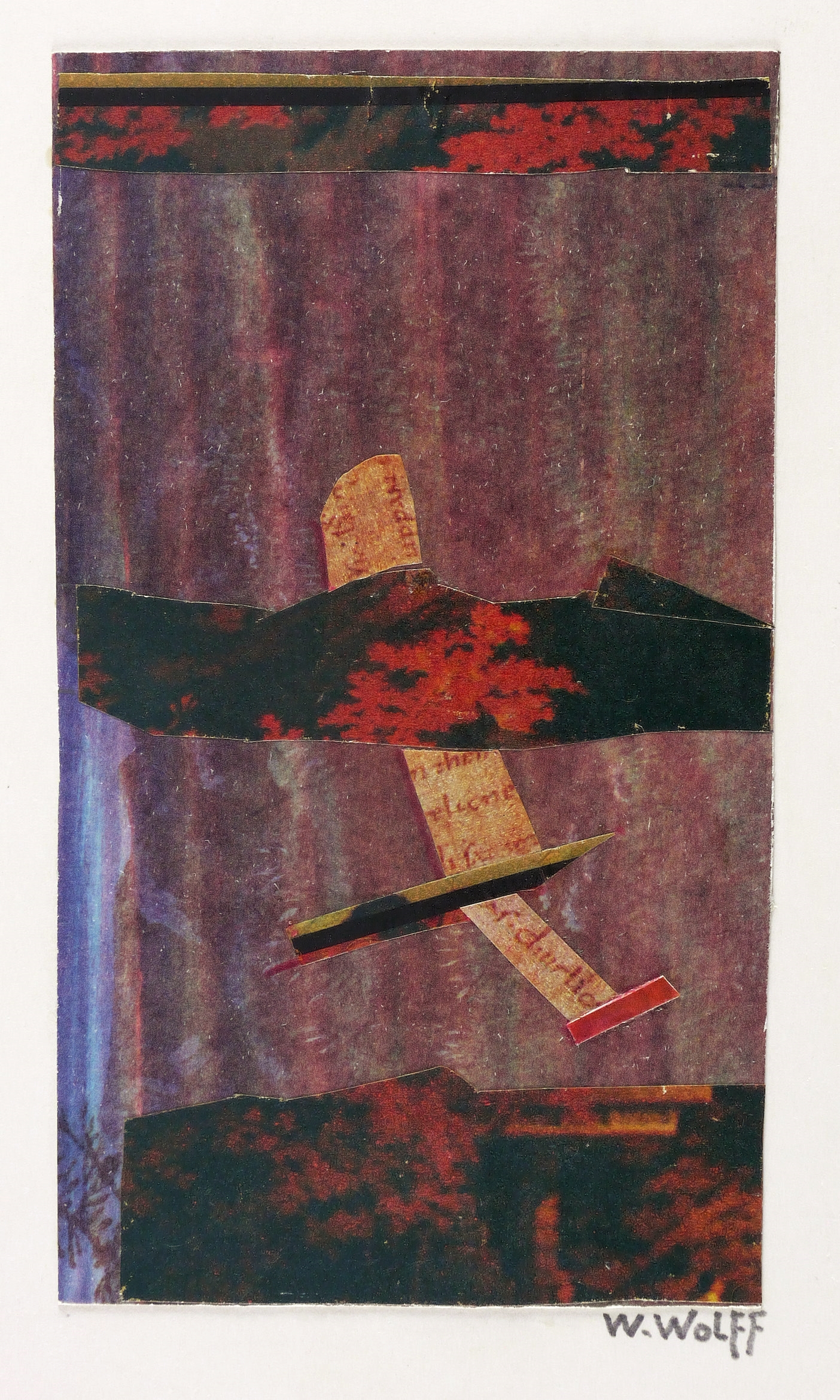
  • Willy Wolff – „Ohne Titel“
    Wolff, Willy. – „Ohne Titel”
  • Willy Wolff – „Ohne Titel (Einfach Musik)“
    Wolff, Willy. – „Ohne Titel (Einfach Musik)”
  • Nikolai Grizjuk – „Ohne Titel (Musikstillleben vor Stadtkulisse)“
    Grizjuk, Nikolai. – „Ohne Titel (Musikstillleben vor Stadtkulisse)”
  • Wieland Förster – „Kairouan“
    Förster, Wieland. – Tunesien. – „Kairouan”
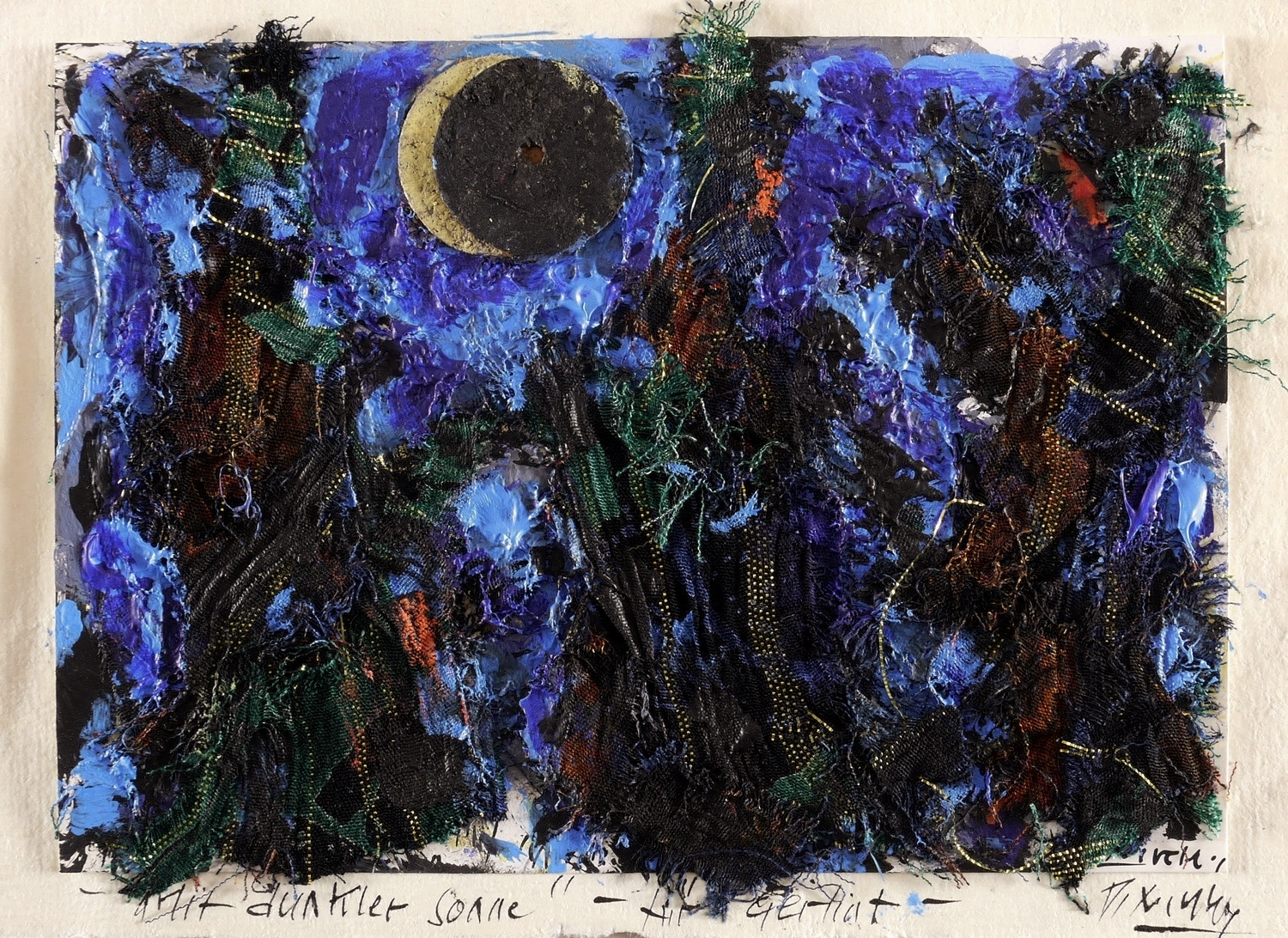
  • Wolfgang Petrovsky – „Mit dunkler Sonne“
    Petrovsky, Wolfgang. – „Mit dunkler Sonne”
  • Rainer Zille – „Meeresfauna“
    Zille, Rainer. – „Meeresfauna”
  • El Lissitzky – „Proun 1D“
    Lissitzky, El. – „Proun 1D”
  • Fritz Cremer – „Der Geschlagene“
    Cremer, Fritz. – „Der Geschlagene”
  • Conrad Felixmüller – „Selbstbildnis mit zeichnender Hand“
    Felixmüller, Conrad. – „Selbstbildnis mit zeichnender Hand”
  • Peter Graf – „Badende (Bad im Waldsee)“
    Graf, Peter. – „Badende (Bad im Waldsee)”
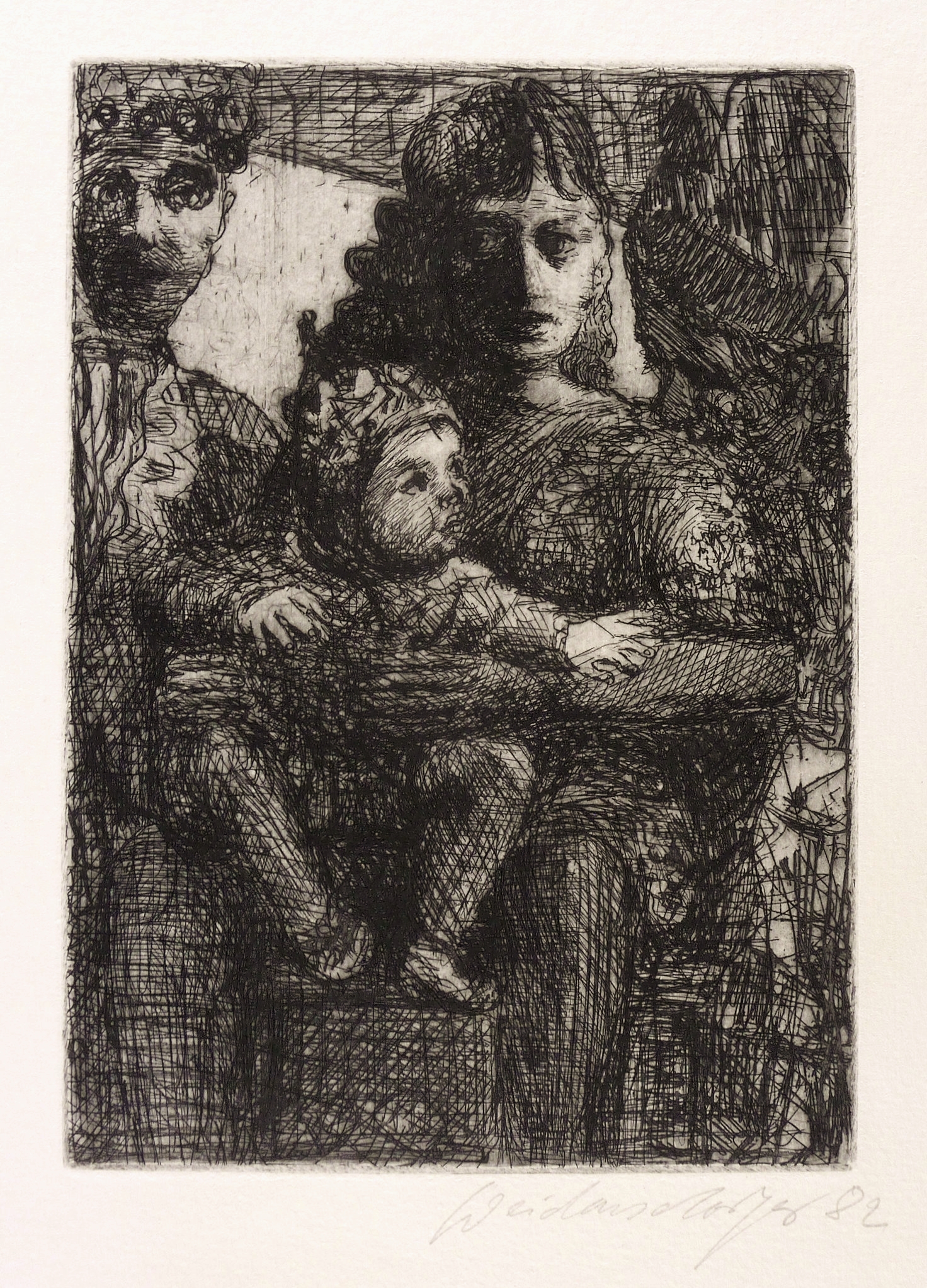
  • Claus Weidensdorfer – „Familie Selbdritt“
    Weidensdorfer, Claus. – „Familie Selbdritt”
  • Alexander Wolfgang – „Segelboot am Ufer“
    Wolfgang, Alexander. – „Segelboot am Ufer”
  • Klaus Drechsler – „Männerporträt“
    Drechsler, Klaus. – „Männerporträt”
  • Theodor Rosenhauer – „In der Mansarde“
    Rosenhauer, Theodor. – „In der Mansarde”
  • Wieland Förster – „Ohne Titel (Sich umkleidende Frauen)“
    Förster, Wieland. – „Ohne Titel (Sich umkleidende Frauen)”
  • Veit Hofmann – „Ohne Titel (Magischer Garten)“
    Hofmann, Veit. – „Ohne Titel (Magischer Garten)”
  • Ernst Hassebrauk – „Puppe“
    Hassebrauk, Ernst. – „Puppe”
  • Hans Theo Richter – „Vorlesender mit hellem Buch und Mädchen“
    Richter, Hans Theo. – „Vorlesender mit hellem Buch und Mädchen”
  • Rosemarie Stephan (Julia) – „Roter Akt“
    Stephan, Rosemarie (Julia). – „Roter Akt”
  • Lothar Sell – „Schlafende mit kleinem Bandoneonspieler“
    Sell, Lothar. – „Schlafende mit kleinem Bandoneonspieler”
  • Gustav Seitz – „Heinrich Mann (Kopf auf Sockel)“
    Seitz, Gustav. – „Heinrich Mann (Kopf auf Sockel)”
  • Gerda Lepke – „Ohne Titel (Nike von Samothrake)“
    Lepke, Gerda. – „Ohne Titel (Nike von Samothrake)”
  • Klaus-Michael Stephan – „Harlekin“
    Stephan, Klaus-Michael. – „Harlekin”
  • Werner Klemke – „Streit zweier Courtisanen um ein Stück Leinwand“
    Klemke, Werner. – Die Facezien des Poggio Fiorentino. – Nr. 78. – „Streit zweier Courtisanen um ein Stück Leinwand”
  • Werner Klemke – „Eine Courtisane verspottet die Venezianer“
    Klemke, Werner. – Die Facezien des Poggio Fiorentino. – Nr. 244. – „Eine Courtisane verspottet die Venezianer”
  • Walther Klemm – „Zwei Lokomotiven“
    Klemm, Walther. – „Zwei Lokomotiven”
  • Stefan Plenkers – „Zirkusartistinnen“
    Plenkers, Stefan. – „Zirkusartistinnen”
  • Stefan Plenkers – „Durchblick aufs Meer“
    Plenkers, Stefan. – „Durchblick aufs Meer”
  • Stefan Plenkers – „Fischer am Tisch“
    Plenkers, Stefan. – „Fischer am Tisch”
Johannes Heisig

Johannes Heisig

Johannes Heisig creates an exclusive pictorial cosmos with painterly fervor. His brushwork is at times powerful and expressive, at times nervous and fleeting, embedded in his own sensitively orchestrated colorism. Over five decades, Johannes Heisig has developed a brilliant style, which has achieved perfection and authenticity through the self-critical practice of rejecting and searching for form.

Details

Peter Graf

Peter Graf

In addition to portraits and still lifes featuring everyday objects such as a meat grinder, a broiler, a lemon or tablets, Peter Graf loves allegory, often incorporating artistic references ranging from Parmigianino and Caspar David Friedrich to Manet and Picasso. Compositions developed to the point of abstraction, especially landscapes, testify to an artist whose pictorial creations never cease to surprise and who clearly takes great pleasure in painting.

Details

Hubertus Giebe

Hubertus Giebe

Details

Werner Stötzer

Details

Curt Querner

Curt Querner

Curt Querner loves the changing moods and whims of nature, especially the month of March, which he calls the »winter killer«. He lends every season, every portrait and every nude painting powerful, earthy tones with bright counterpoints. Querner described his understanding of truthful realism in painting in his diary in 1946 as follows: »The essential! Seeing things as they really are and taking them into account.«

Details

Egon Pukall

Egon Pukall

Egon Pukall's landscapes are metamorphoses of the near into the distant. They tell of a longing for the light and colors of the Mediterranean. His interior and window paintings, in contrast, are characterized by pure areas of colour, quiet harmony and balance. The window stands metaphorically for the boundary between inside and outside, between the reality of Dresden's Elbhang and a Mediterranean illusion.

Details

Fritz Tröger

Details

Erich Fraaß

Erich Fraaß

"Colors are effects of light and forces, that move the mind and the artist gives them form in his creations. The radiance of the image testifies to the colorful creative power of its creator; the clearer and purer the color, the stronger the concentration; the more distinct the color, the more convincing the tone. One must not interpret or meddle with the colors; they resonate to the degree that they are given and reflect the inner world of the creator."

Details

Siegfried Klotz

Siegfried Klotz

Details

Wilhelm Rudolph

Wilhelm Rudolph

Details

Otto Dix

Otto Dix

Details

Wieland Förster

Wieland Förster

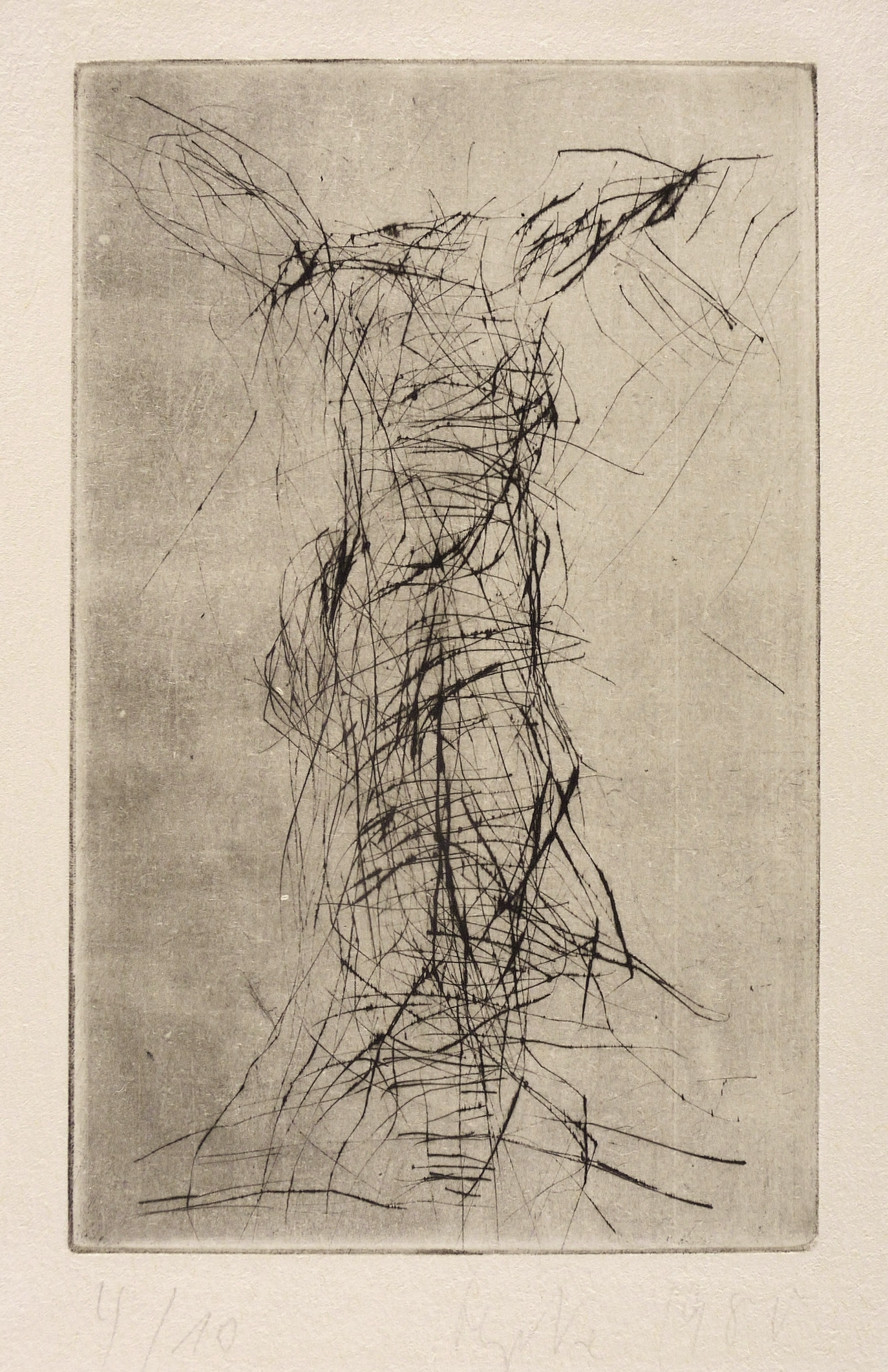
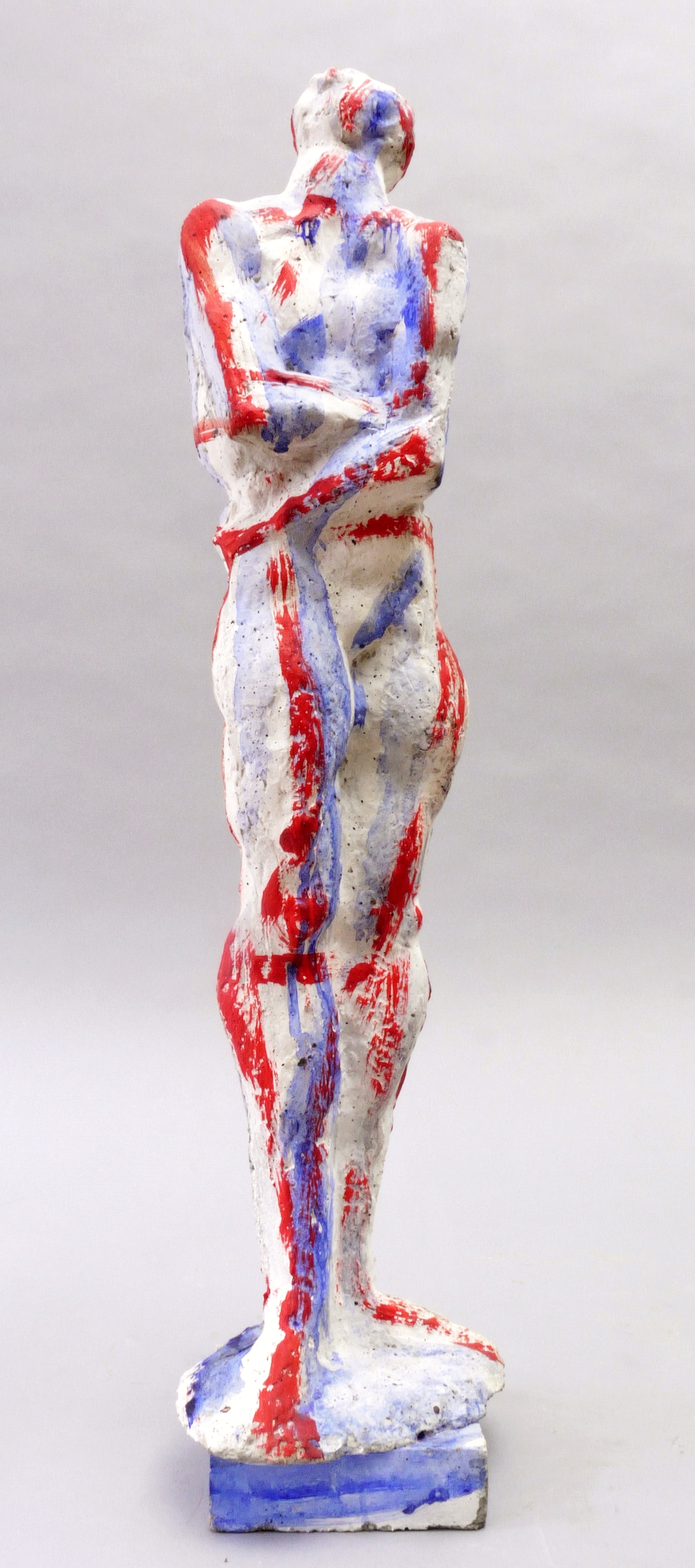
The sculptures of the great European sculptor Wieland Förster are among the icons of 20th-century sculpture. His works continue the tradition of sculpture since August Rodin, who elevated the fragment to an art form. They creatively incorporate influences from sculptors of classical modernism such as Brancusi, Arp, and Moore. Wieland Förster depicts pain, suffering, and martyrdom on the one hand, and beauty, sensuality, and eros on the other — the metaphors of barbarism and humanity.

Details

Conrad Felixmüller

Details

Claus Weidensdorfer

Claus Weidensdorfer

Details

Klaus Drechsler

Klaus Drechsler

Klaus Drechsler looks back on a large and enduring body of work, always with an eye on the fragile beauty and transience of life. His paintings, graphic works and sculptures grew steadily over five decades without any internal breaks, independent yet in constant friction with art history and his time.

Details

Ernst Hassebrauk

Ernst Hassebrauk

Details

Hans Theo Richter

Hans Theo Richter

Details

Gerda Lepke

Gerda Lepke

Gerda Lepke's lyrical imagery is concrete, unmistakably expressed inner vision. Ever-growing, increasingly dense and deepening layers of lines, brushstrokes, drops of paint and splashes give rise to colour structures and line formations that only appear abstract at first glance. They reveal a dynamic and translucent representation of landscape and people that always originates from the object itself.

Details

Introduction

In his final years, Erhard Frommhold (1928–2007), once head editor at Verlag der Kunst and a sought-after publicist, lived with Gerlint Soeder (1942–2024), formerly secretary of the Verband Bildender Künstler der DDR (Association of Visual Artists of the GDR). Just as their art collections merged in their Blasewitz apartment, they are now being presented here in selected exhibits.

The exhibition tells of the diverse relationships and friendships that connected both of them with artists in Dresden, Weimar and Berlin, in Los Angeles (Charles White), Leningrad (Anatoli Kaplan), Novosibirsk (El Lissizky) and Vienna (Georg Eisler).