Klaus Drechsler
Allegorien des Lebens

22. April 2023 — 17. June 2023

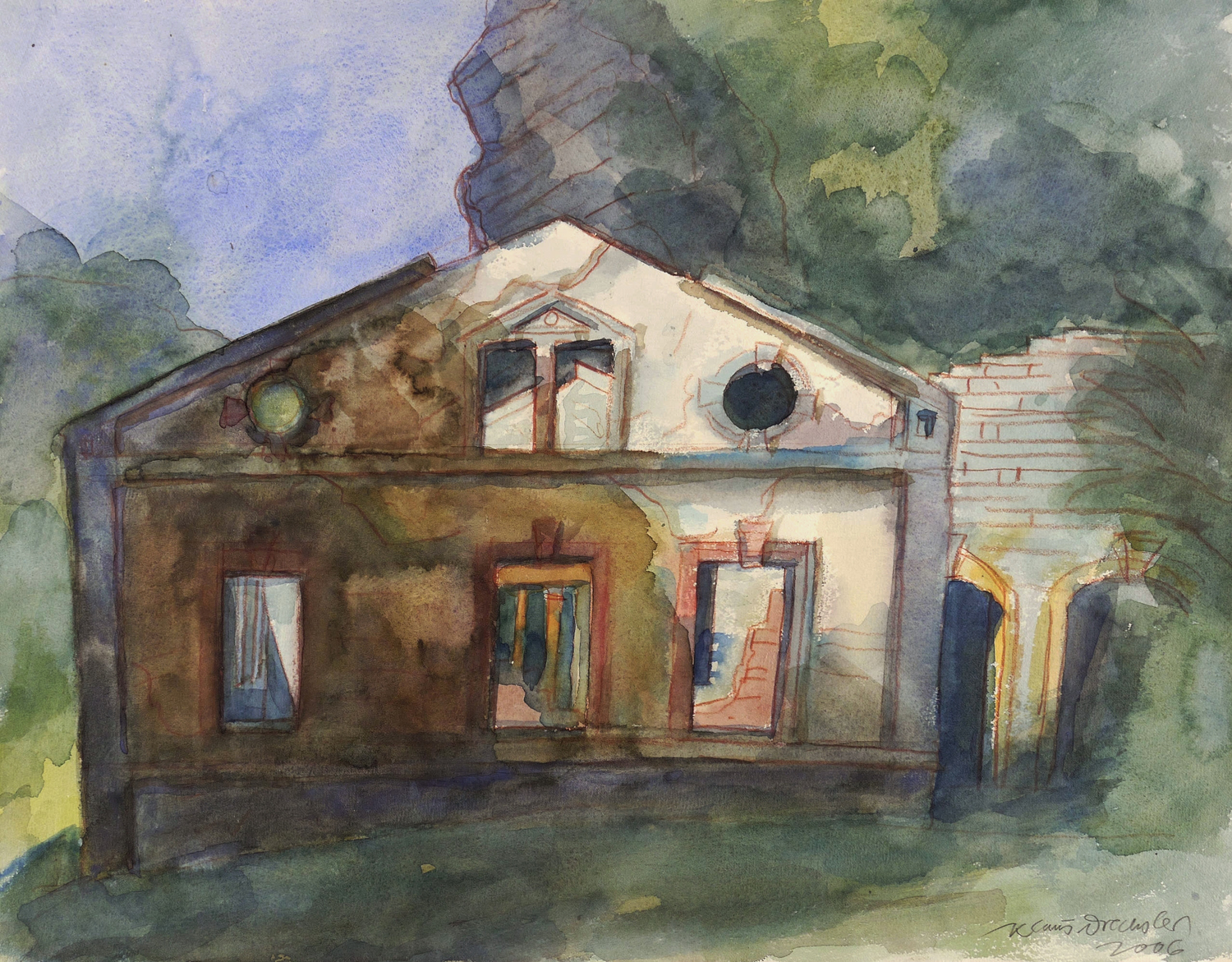
Klaus Drechsler looks back on a large and enduring body of work, always with an eye on the fragile beauty and transience of life. The upcoming exhibition brings together paintings, watercolours and drawings from over thirty years of creative work with the artist's current sculptures.

  • Fang-Maske mit Anthurienblüte
    Drechsler, Klaus. – „Fang-Maske mit Anthurienblüte”
  • Mulattin
    Drechsler, Klaus. – „Mulattin”
  • Überreife Banane
    Drechsler, Klaus. – „Überreife Banane”
  • Stillleben mit schwarzer Teekanne
    Drechsler, Klaus. – „Stillleben mit schwarzer Teekanne”
  • Blauer Birnenteller
    Drechsler, Klaus. – „Blauer Birnenteller”
  • Stillleben mit Melonenstück
    Drechsler, Klaus. – „Stillleben mit Melonenstück”
  • Granatapfel mit gedrehter Zinnflasche
    Drechsler, Klaus. – „Granatapfel mit gedrehter Zinnflasche”
  • Schreihals
    Drechsler, Klaus. – „Schreihals”
  • Drei kleine Räucherfische
    Drechsler, Klaus. – „Drei kleine Räucherfische”
  • Draufgänger
    Drechsler, Klaus. – „Draufgänger”
  • Frauenmantel und Glockenblume
    Drechsler, Klaus. – „Frauenmantel und Glockenblume”
  • Kleines Stillleben mit Kaktusfrucht und Birne
    Drechsler, Klaus. – „Kleines Stillleben mit Kaktusfrucht und Birne”
  • Sehnsucht
    Drechsler, Klaus. – „Sehnsucht”
  • Schnepfenstolz
    Drechsler, Klaus. – „Schnepfenstolz”
  • Stillleben mit Mohnzopf
    Drechsler, Klaus. – „Stillleben mit Mohnzopf”
  • Zinnteller mit Granatapfel, Birne und Mandarine
    Drechsler, Klaus. – „Zinnteller mit Granatapfel, Birne und Mandarine”
  • Melonenstück, zwei Birnen, ein Apfel
    Drechsler, Klaus. – „Melonenstück, zwei Birnen, ein Apfel”
  • Granatapfel und Schüssel IV
    Drechsler, Klaus. – „Granatapfel und Schüssel IV”
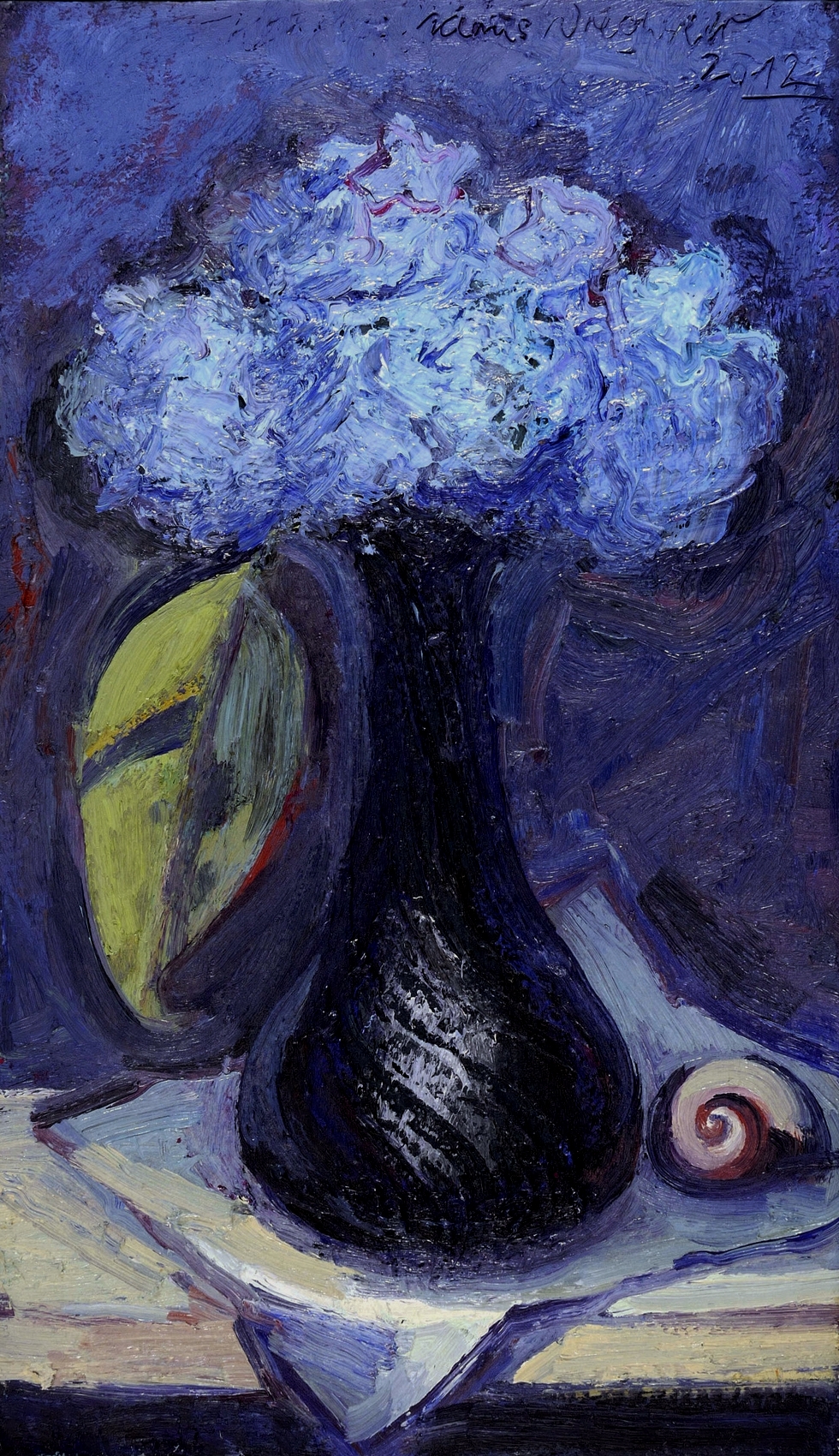
  • Blaue Hortensie I
    Drechsler, Klaus. – „Blaue Hortensie I”
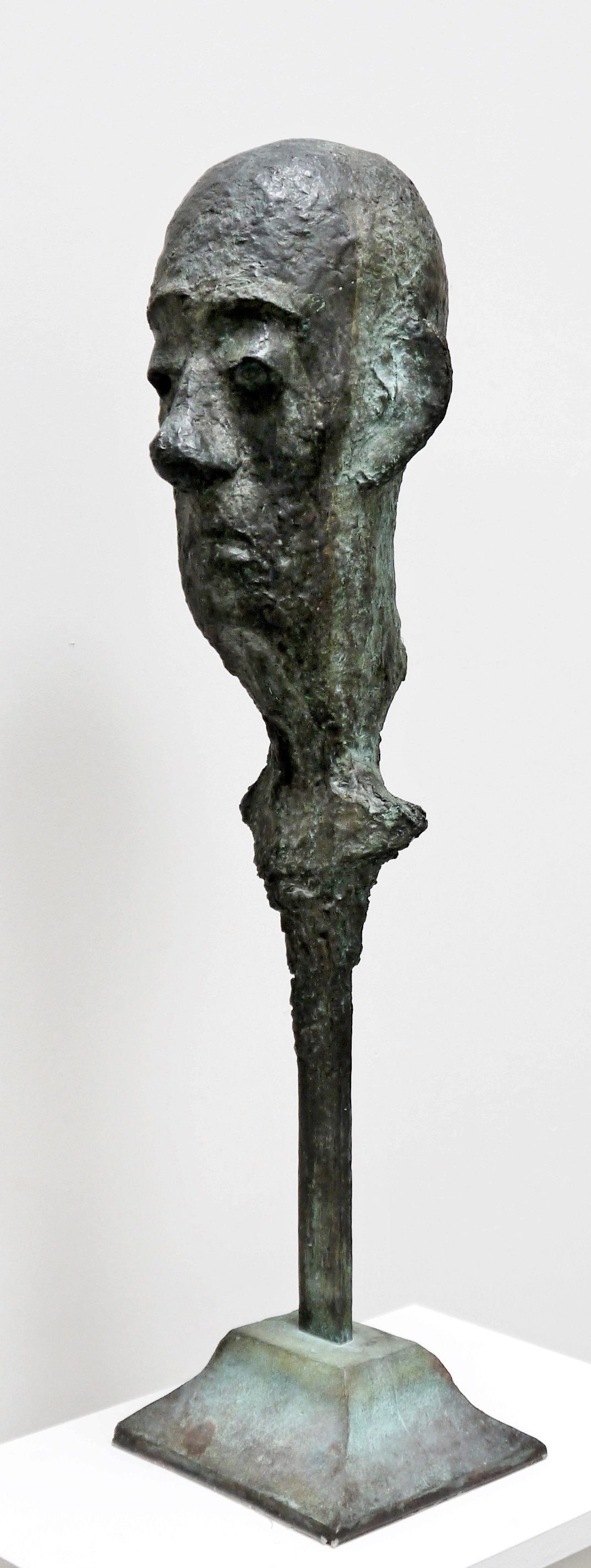
  • Alter Philosoph II
    Drechsler, Klaus. – „Alter Philosoph II”
  • Stillleben mit halber Melone
    Drechsler, Klaus. – „Stillleben mit halber Melone”
  • Das große Flohbegräbnis (Alptraum I)
    Drechsler, Klaus. – „Das große Flohbegräbnis (Alptraum I)”
  • Aufzug der großen Maske (Alptraum II)
    Drechsler, Klaus. – „Aufzug der großen Maske (Alptraum II)”
  • Selbstbetrachtung
    Drechsler, Klaus. – „Selbstbetrachtung”
  • Spielkarten mit Apfelteller I
    Drechsler, Klaus. – „Spielkarten mit Apfelteller I”
  • Die kleine Frau W.
    Drechsler, Klaus. – „Die kleine Frau W.”
  • Eiertiegel mit blauer Kanne
    Drechsler, Klaus. – „Eiertiegel mit blauer Kanne”
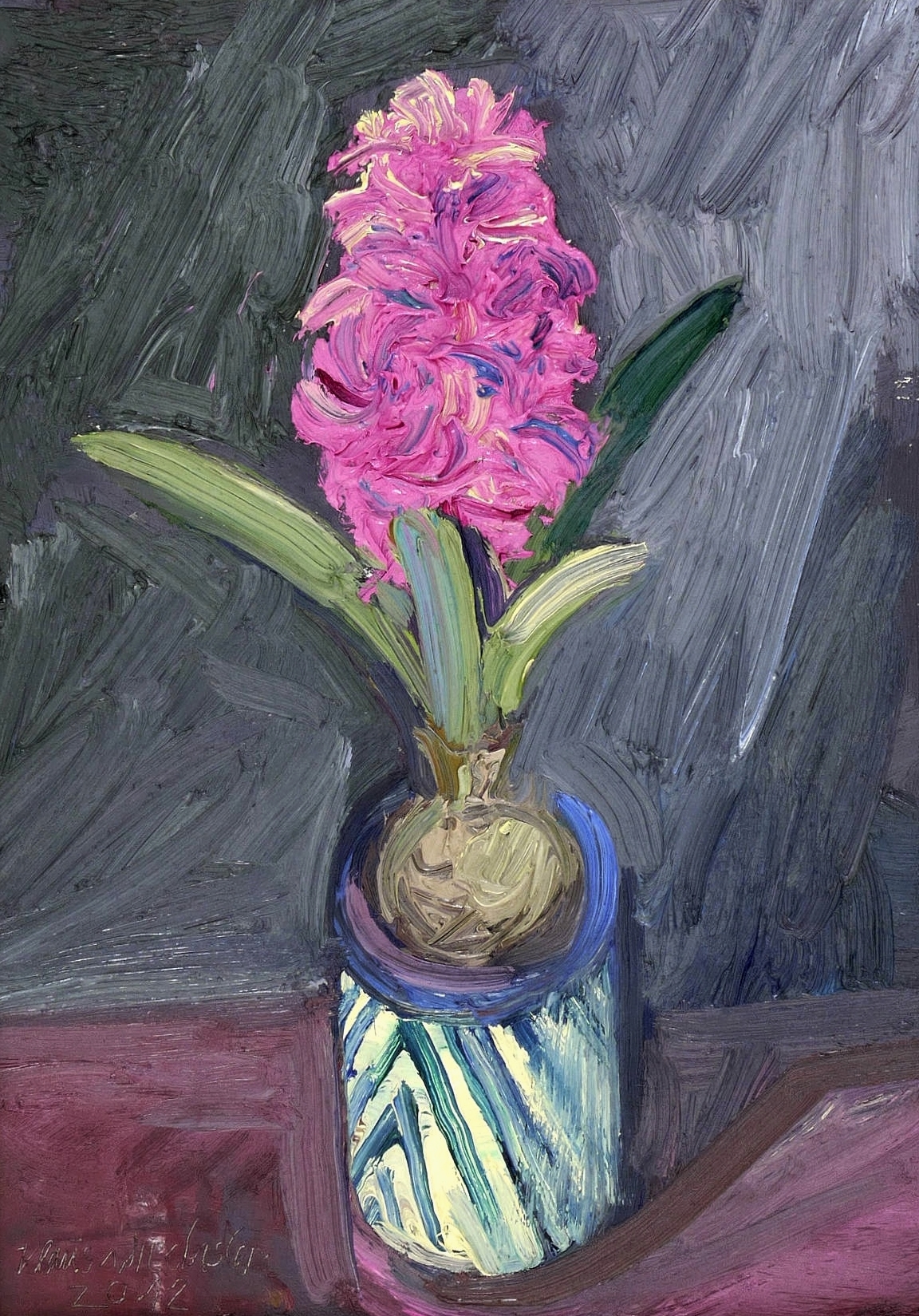
  • Rosa Hyazinthe
    Drechsler, Klaus. – „Rosa Hyazinthe”
  • Vergeblichkeit
    Drechsler, Klaus. – „Vergeblichkeit”
  • Schlammsichler
    Drechsler, Klaus. – „Schlammsichler”
  • Suchende
    Drechsler, Klaus. – „Suchende”
  • Laufsteg (Alptraum)
    Drechsler, Klaus. – „Laufsteg (Alptraum)”
  • Großer Kopf über grauer Masse (Alptraum)
    Drechsler, Klaus. – „Großer Kopf über grauer Masse (Alptraum)”
  • Alternder Clown
    Drechsler, Klaus. – „Alternder Clown”
  • Stillleben mit rotem Meeresfisch I
    Drechsler, Klaus. – „Stillleben mit rotem Meeresfisch I”
  • Alter Philosoph II
    Drechsler, Klaus. – „Alter Philosoph II”
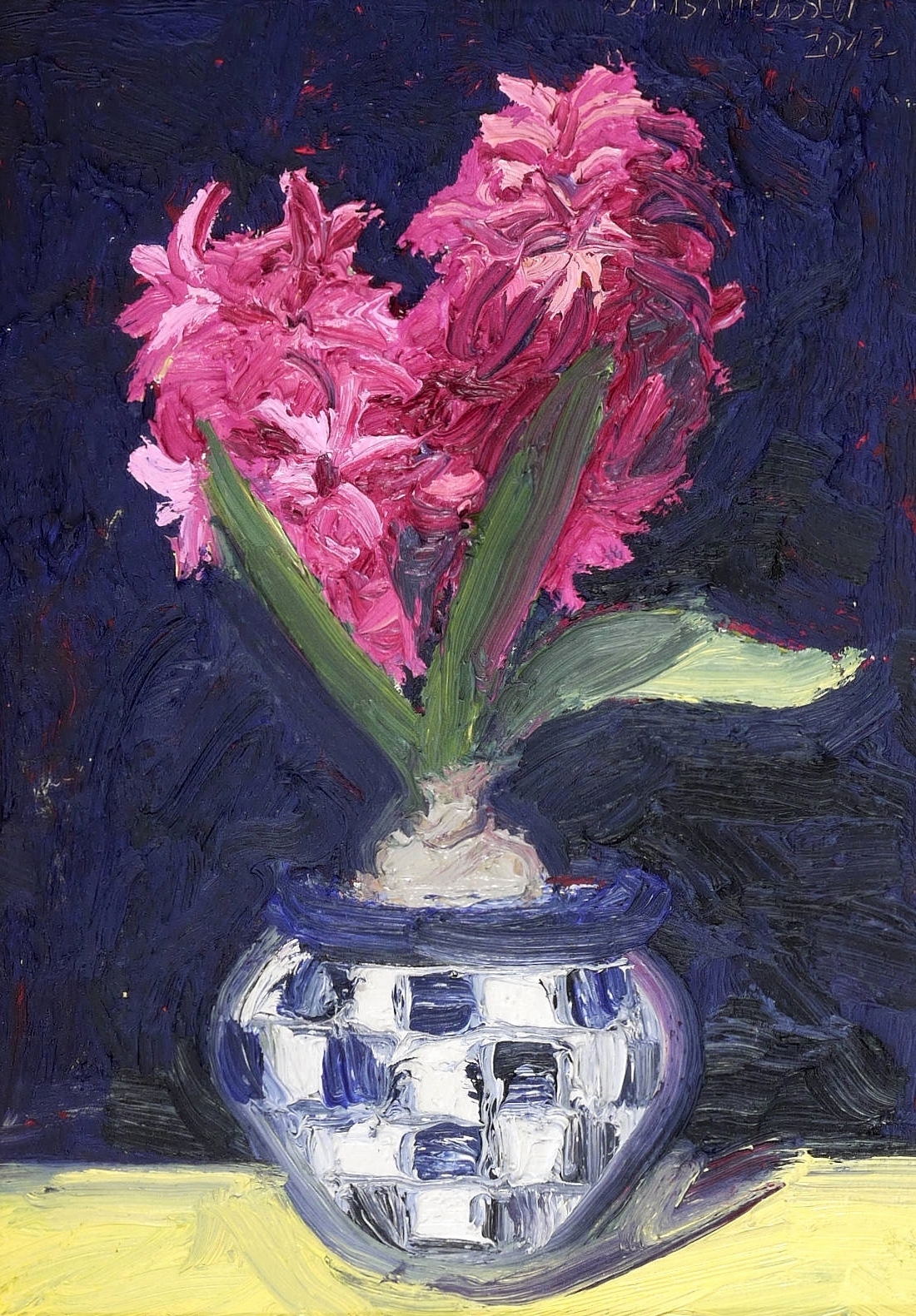
  • Hyazinthe mit Doppelblüte II
    Drechsler, Klaus. – „Hyazinthe mit Doppelblüte II”
  • Torhaus Lochmühle
    Drechsler, Klaus. – „Torhaus Lochmühle”
  • Kleiner Kultwagen II
    Drechsler, Klaus. – „Kleiner Kultwagen II”
  • Verfallenes Turbinenhaus (Liebethaler Grund)
    Drechsler, Klaus. – „Verfallenes Turbinenhaus (Liebethaler Grund)”
  • Seitenflügel Gutshof Helfenberg
    Drechsler, Klaus. – „Seitenflügel Gutshof Helfenberg”
  • Häuser an der Seidewitz I (Zuschendorf-Pirna)
    Drechsler, Klaus. – „Häuser an der Seidewitz I (Zuschendorf-Pirna)”
  • Gelbe Rhododendronblüten
    Drechsler, Klaus. – „Gelbe Rhododendronblüten”
  • Kleiner Kultwagen I
    Drechsler, Klaus. – „Kleiner Kultwagen I”
  • Weißbrot mit Birnenteller
    Drechsler, Klaus. – „Weißbrot mit Birnenteller”
  • Beschädigte Meeresschnecke
    Drechsler, Klaus. – „Beschädigte Meeresschnecke”
  • Stillleben mit Räucherfisch
    Drechsler, Klaus. – „Stillleben mit Räucherfisch”
  • Zitronenzweig auf großer Schale
    Drechsler, Klaus. – „Zitronenzweig auf großer Schale”
  • Schnüffler
    Drechsler, Klaus. – „Schnüffler”
  • Kleines Stillleben mit Kaktusfrucht und Birne
    Drechsler, Klaus. – „Kleines Stillleben mit Kaktusfrucht und Birne”
  • Vanitasstillleben mit Spiegel II
    Drechsler, Klaus. – „Vanitasstillleben mit Spiegel II”
  • Schwarze Teekanne mit Zitronenzweig
    Drechsler, Klaus. – „Schwarze Teekanne mit Zitronenzweig”
  • Eile
    Drechsler, Klaus. – „Eile”
Klaus Drechsler

Klaus Drechsler

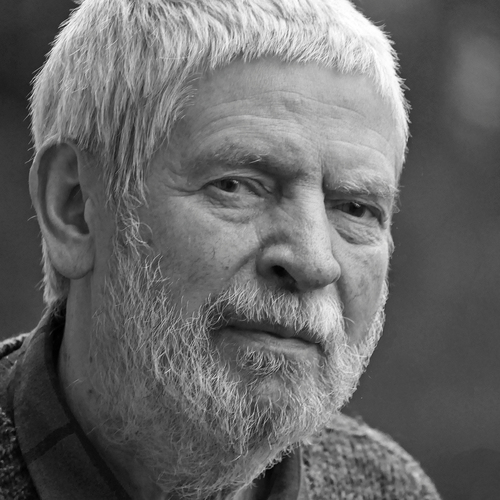
Klaus Drechsler looks back on a large and enduring body of work, always with an eye on the fragile beauty and transience of life. His paintings, graphic works and sculptures grew steadily over five decades without any internal breaks, independent yet in constant friction with art history and his time.

Details

Introduction

The subtle tones resonate in Klaus Drechsler's highly cultivated watercolour paintings. It is no coincidence that still lifes and seemingly deserted rural habitats are among his main themes. Klaus Drechsler is a magician of light who brings forth a glow from the depths of his paintings that is scarcely believed possible. Klaus Drechsler was born into a family of farm workers who had to leave their home in Silesia after the end of the war. Drechsler's early years were overshadowed by the experiences of German and Soviet troops passing through, some of whom were completely brutalised. These experiences, some of them traumatic, left him with a vulnerability, a sensitivity and keen hearing that sharpened his senses and became a prerequisite for his artistic work.

Klaus Drechsler spent his childhood and youth in Lusatia. Later, he settled in idyllic Wachwitzgrund, on the outskirts of Dresden. It was in this environment that his distinctive work emerged. Drechsler's extensive paintings, graphic art and sculptures grew steadily over five decades, without any internal breaks, independently, yet in constant confrontation with art and contemporary history. The central theme is vanitas, the cycle of becoming and passing away, the relationship between beauty and transience. His basic motifs are conceivably unspectacular and taken from everyday life: Klaus Drechsler finds suitable metaphors for transience in the faces of elderly people, in the depiction of abandoned farmsteads, in bread and ripe fruit. Drechsler's pictures lead us to pause and question. Muted, gently glowing colours define his precious colour scheme, which corresponds to the light and shade of life and helps the subjects to take on a life of their own. Colourful yet subdued, with gentle transitions from light to shadow, a quiet tone emerges that testifies to a deep respect for the subject of the painting. Since the 1990s, he has also been working in sculpture, in which, as in his drawings, he grapples with the creative task of depicting human and animal figures. Literary, character portraits, human and all-too-human traits – all of these find an exploratory and at the same time revealing representation, even to the point of caricature and crude, drastic tones. Drechsler's sculptures are the creations of a brilliant designer who wants above all to tell stories with his figures. Light and shadow catch on the rugged, craggy surface of the bronze outer skin. The seemingly vibrating surfaces are given an almost painterly patina. Here, too, the painter in the sculptor reveals himself. All of Klaus Drechsler's creations, whether in painting or sculpture, possess a certain gentleness, a fundamental humanism, revealing his humility towards things, his love of humanity and his sacred wonder at the nature of the world.