Wilhelm Rudolph
Aus allen Hölzern war Leben zu erwecken

01. October 2022 — 26. November 2022

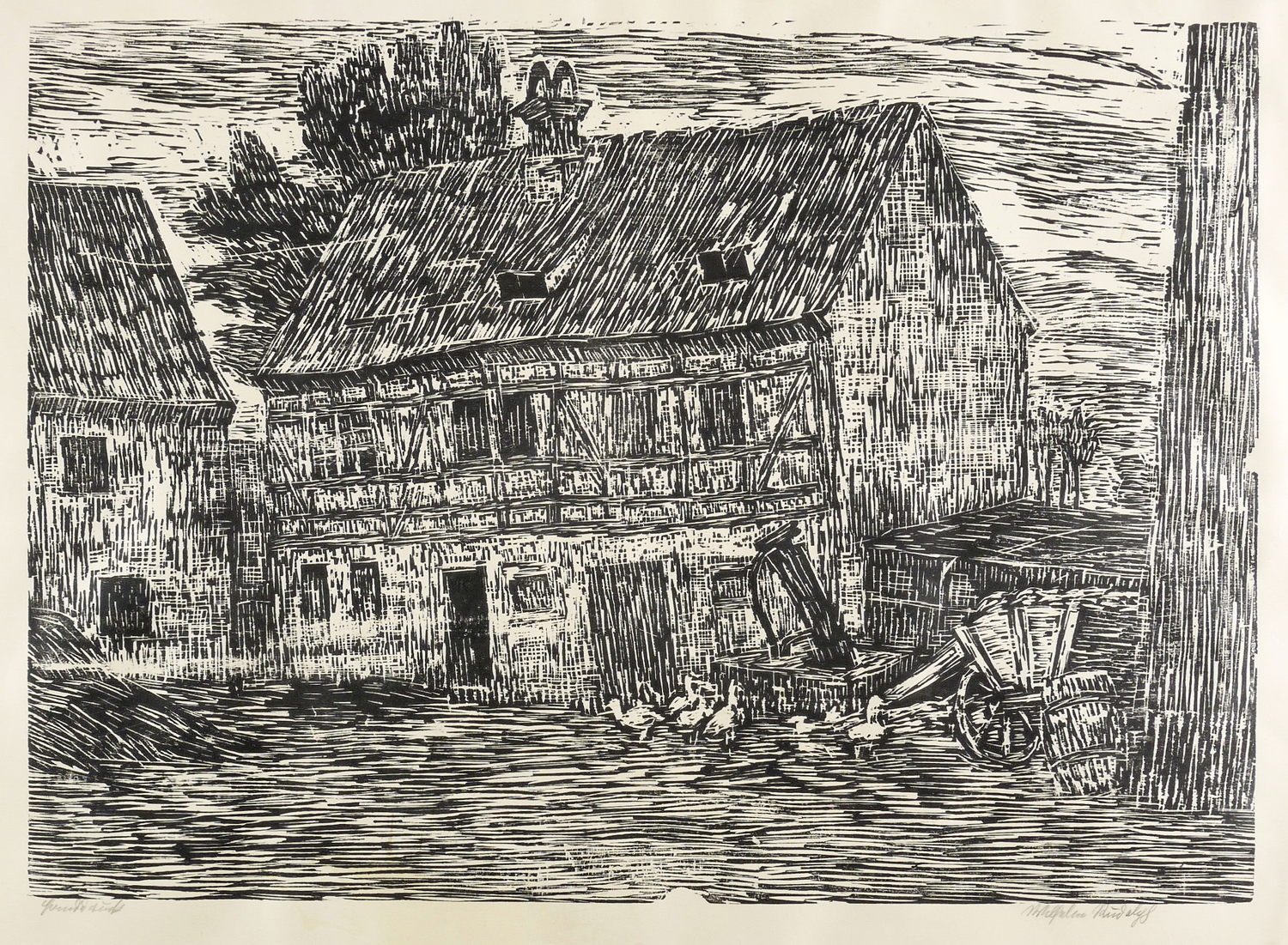
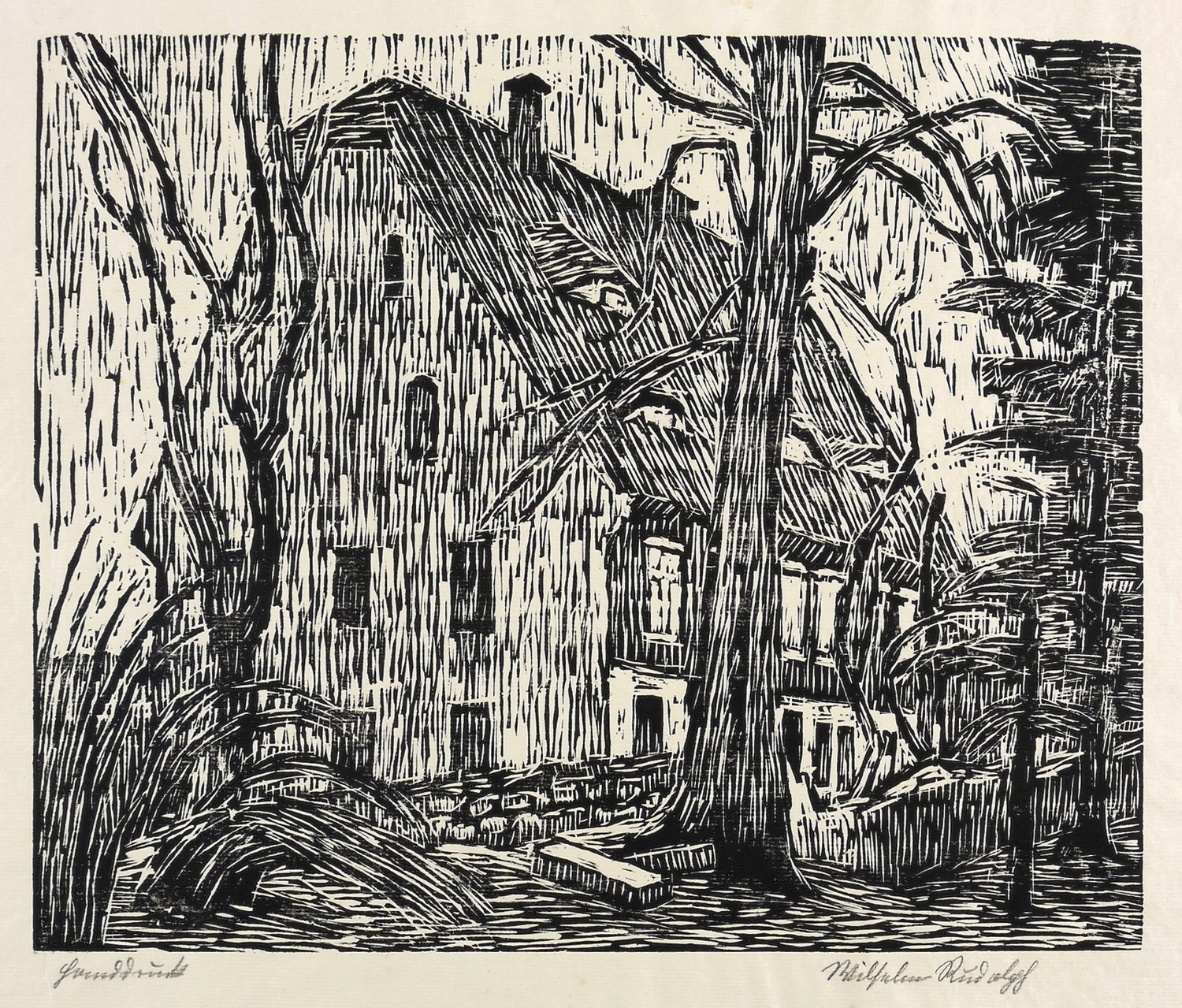
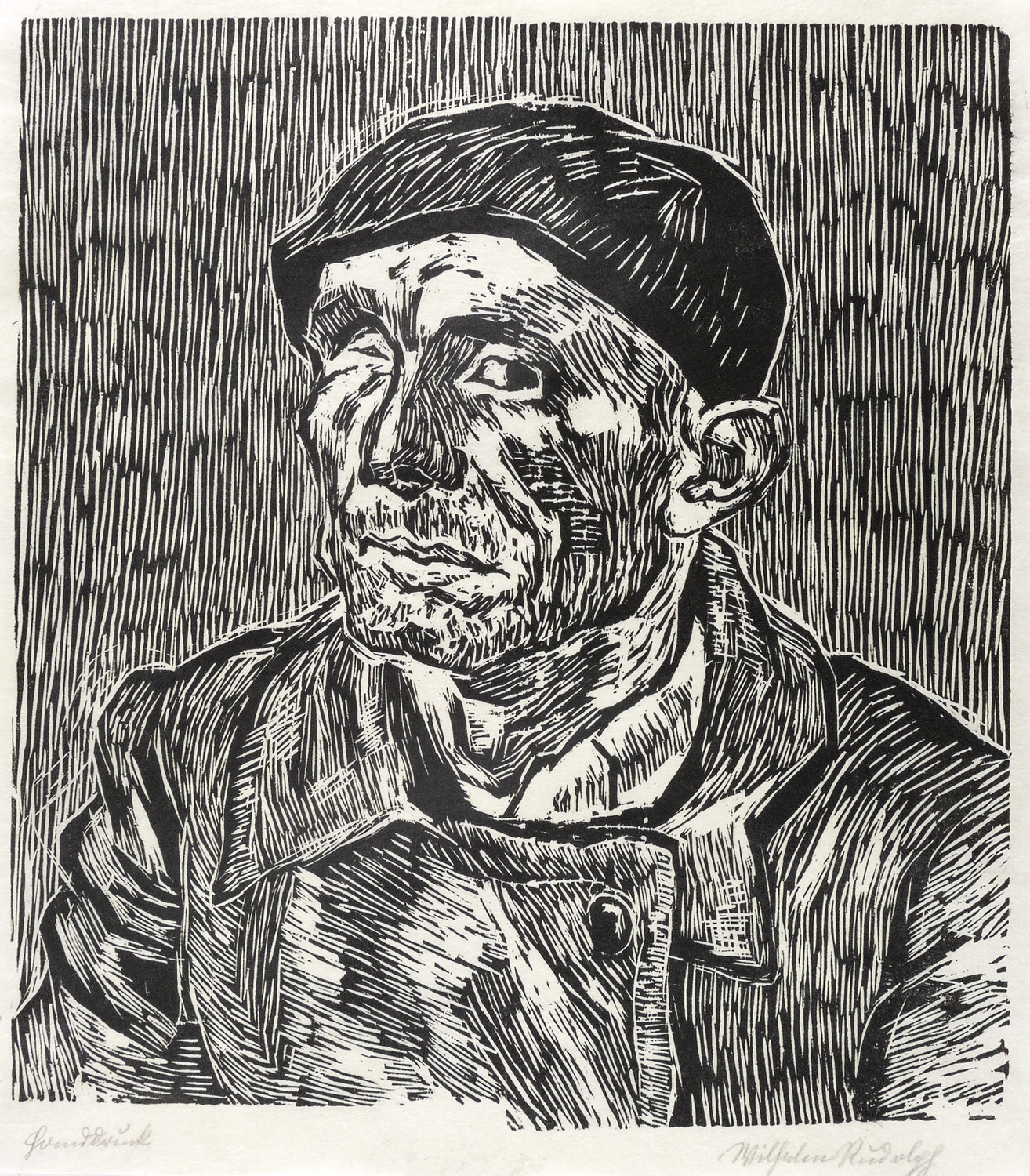
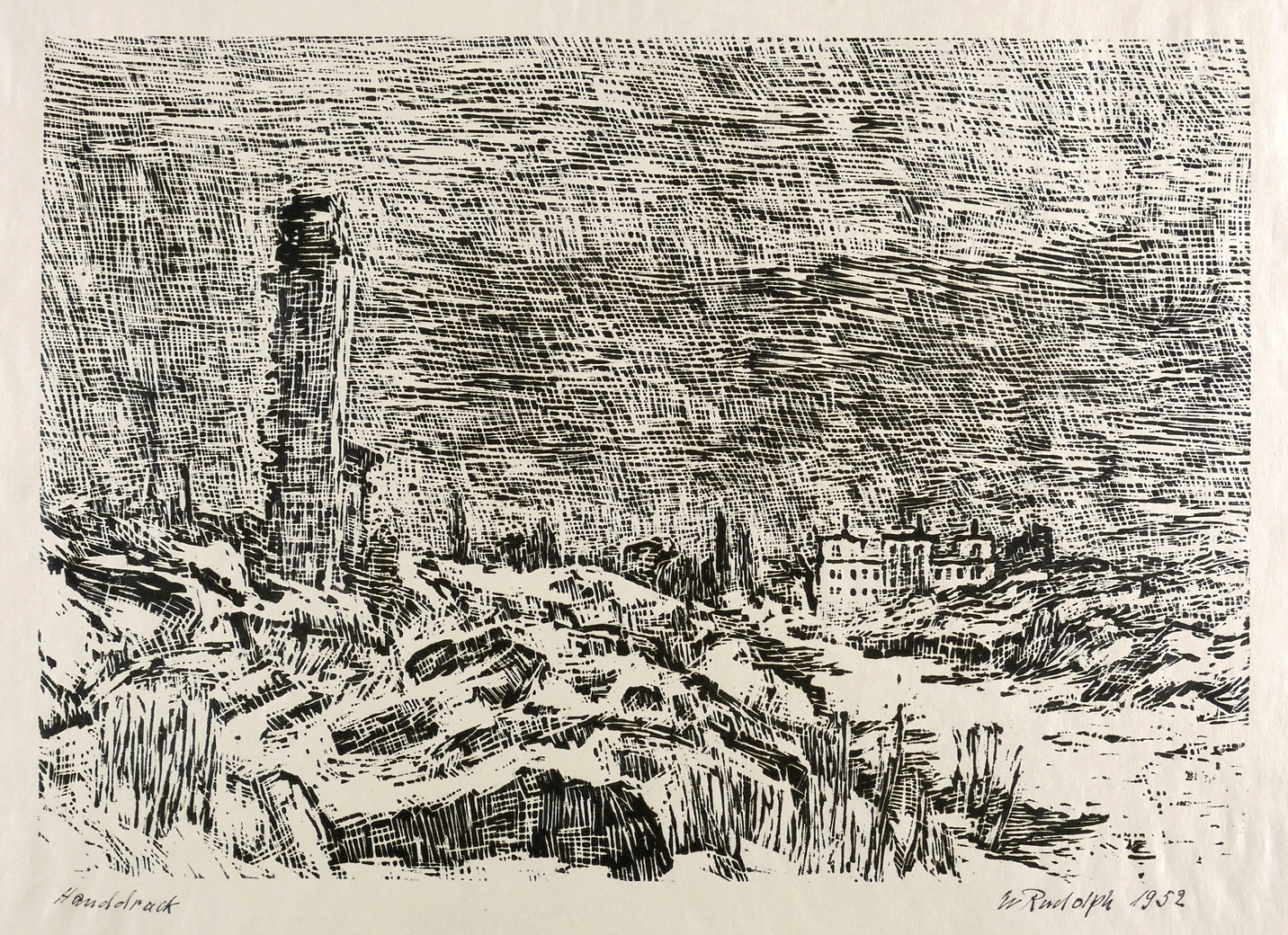
The painter, draughtsman and gifted woodcut artist Wilhelm Rudolph (1889-1982) created a harrowing series with his graphic documentary work »Dresden 1945« about the destruction of his hometown, now an iconic testimony to war and destruction. The upcoming exhibition also features landscapes, portraits, animal and nude depictions from six decades of the artist's creative career, stylistically ranging from his expressionist beginnings to a realism of his very own.

  • Wilhelm Rudolph – „Bauernhof mit Hühnerschar“
    Rudolph, Wilhelm. – „Bauernhof mit Hühnerschar”
  • Wilhelm Rudolph – „Keppmühle bei Hosterwitz“
    Rudolph, Wilhelm. – „Keppmühle bei Hosterwitz”
  • Wilhelm Rudolph – „Ludwig Godenschweg“
    Rudolph, Wilhelm. – „Ludwig Godenschweg”
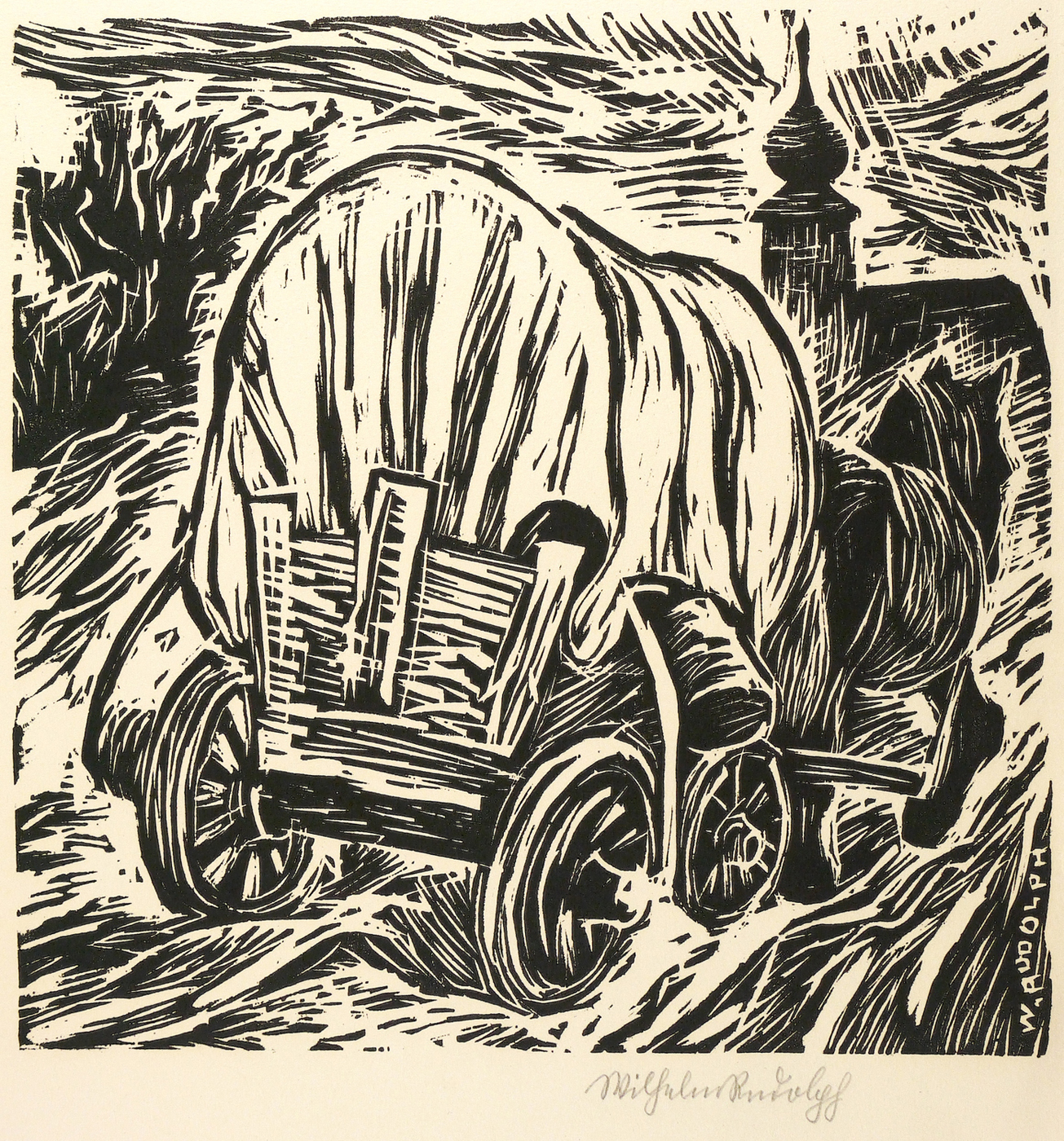
  • Wilhelm Rudolph – „Planwagen“
    Rudolph, Wilhelm. – „Planwagen”
  • Wilhelm Rudolph – „Arbeiterkopf (Schuster)“
    Rudolph, Wilhelm. – „Arbeiterkopf (Schuster)”
  • Wilhelm Rudolph – „Lumpensammler Heinrich Krause“
    Rudolph, Wilhelm. – „Lumpensammler Heinrich Krause”
  • Wilhelm Rudolph – „Kohlenträger im Schnee“
    Rudolph, Wilhelm. – „Kohlenträger im Schnee”
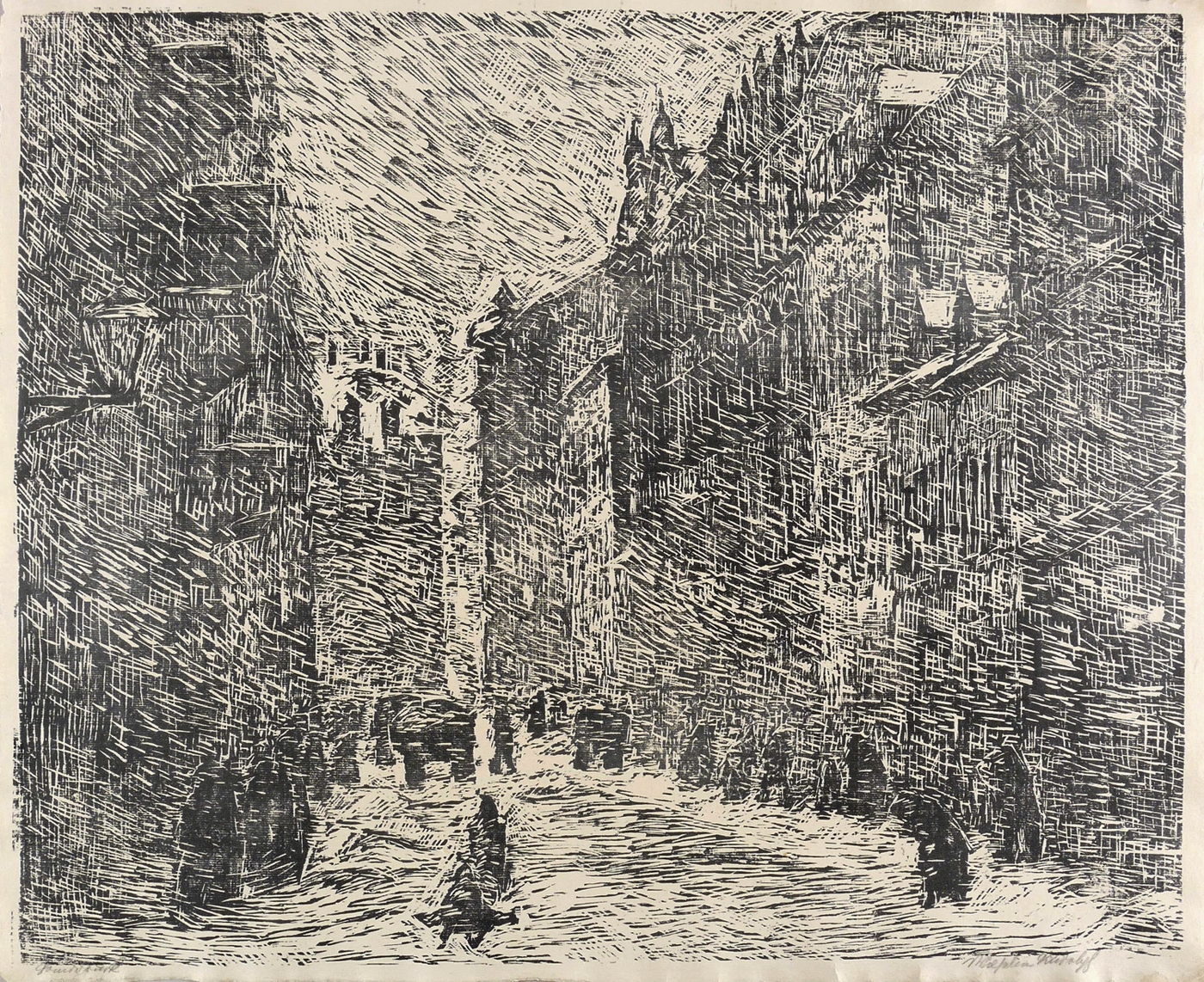
  • Wilhelm Rudolph – „Görlitzer Straße im Schneetreiben“
    Rudolph, Wilhelm. – „Görlitzer Straße im Schneetreiben”
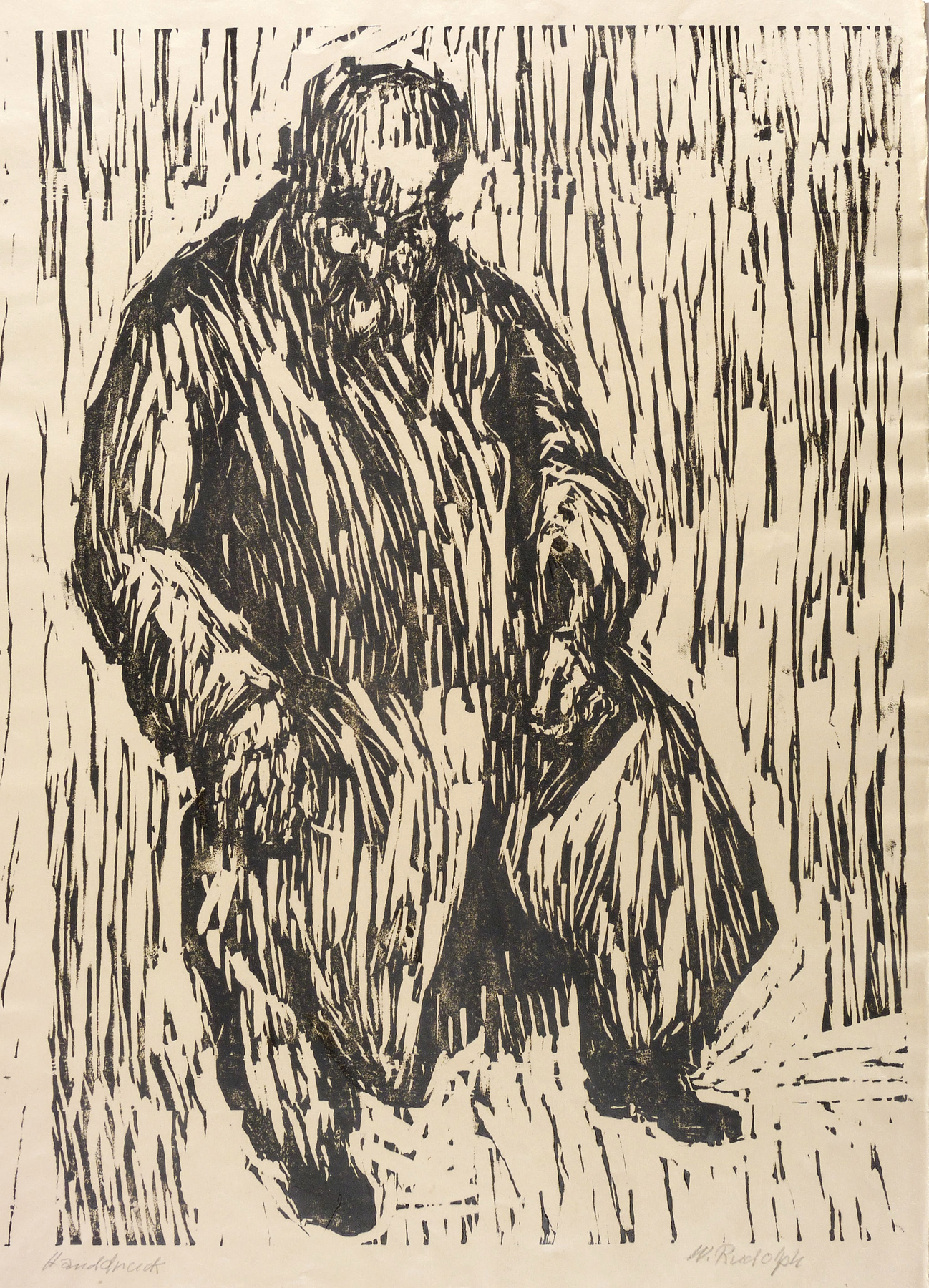
  • Wilhelm Rudolph – „Sitzender Alter im Mantel“
    Rudolph, Wilhelm. – „Sitzender Alter im Mantel”
  • Wilhelm Rudolph – „Laternen (Brühlsche Terrasse im Regen)“
    Rudolph, Wilhelm. – Das zerstörte Dresden. – „Laternen (Brühlsche Terrasse im Regen)”
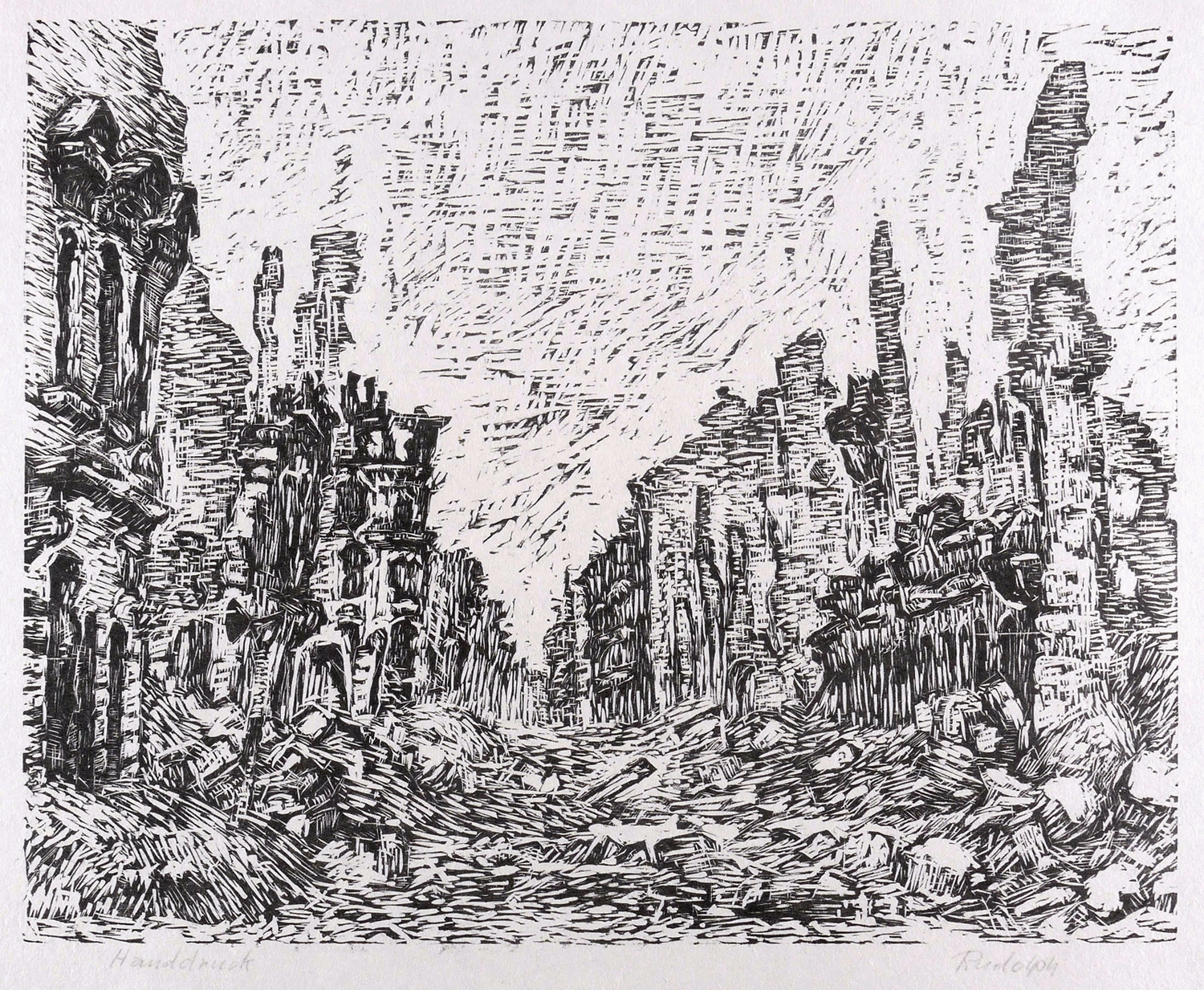
  • Wilhelm Rudolph – „Mathildenstraße (Ruinenstadt)“
    Rudolph, Wilhelm. – Das zerstörte Dresden. – „Mathildenstraße (Ruinenstadt)”
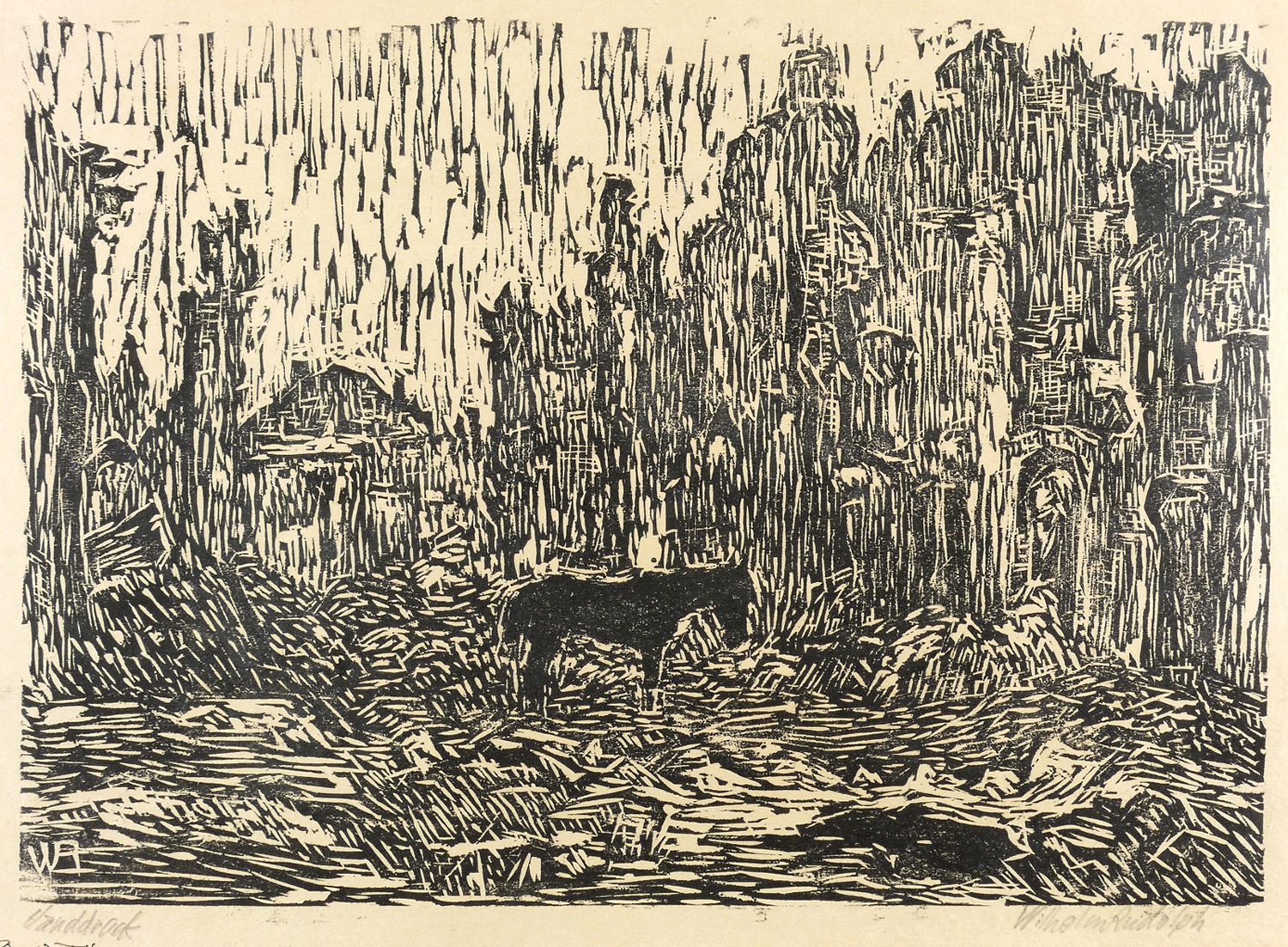
  • Wilhelm Rudolph – „Pferd in Trümmern“
    Rudolph, Wilhelm. – Das zerstörte Dresden. – „Pferd in Trümmern”
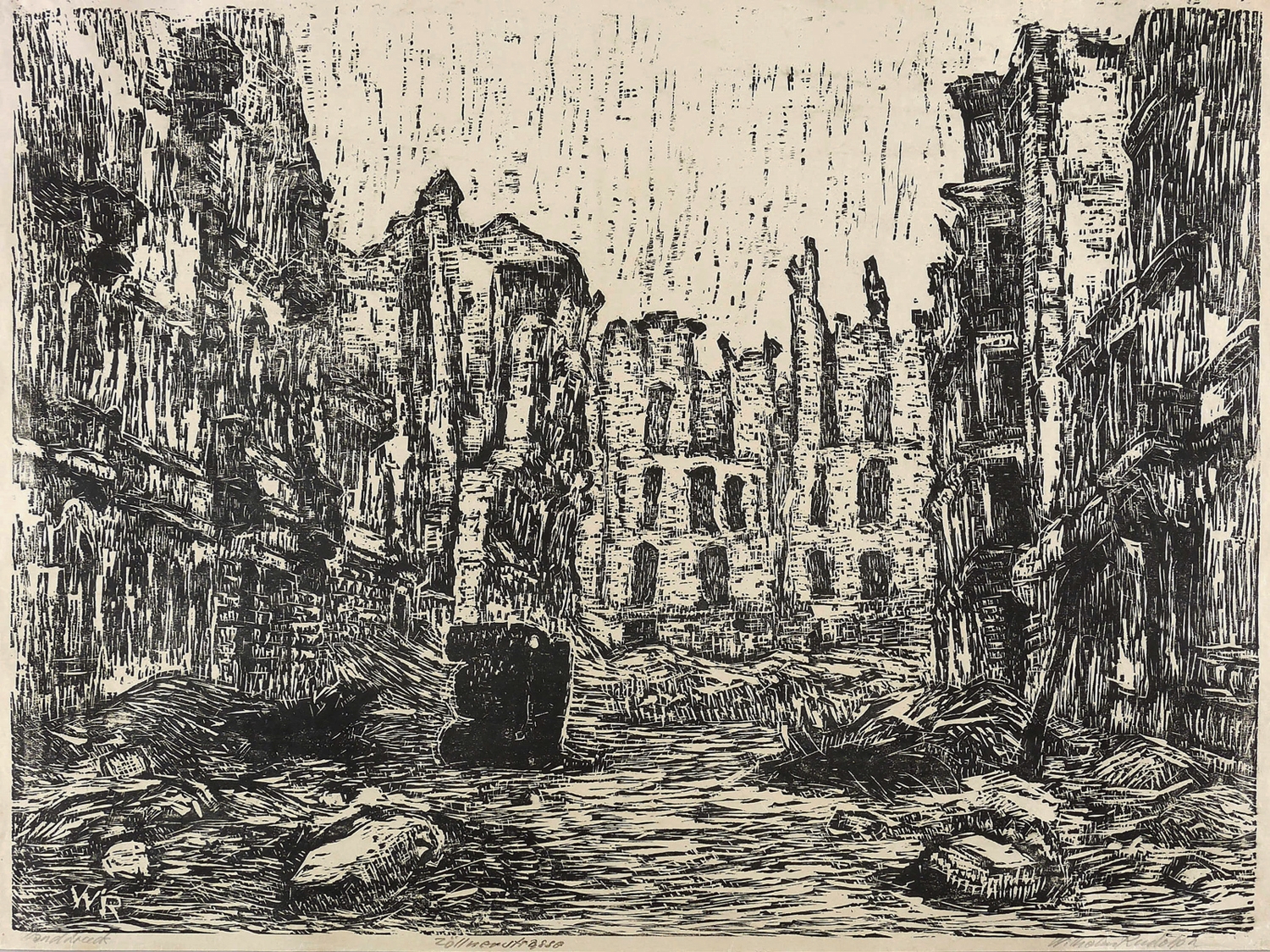
  • Wilhelm Rudolph – „Zöllnerstraße in Dresden (Ruinenstadt)“
    Rudolph, Wilhelm. – Das zerstörte Dresden. – „Zöllnerstraße in Dresden (Ruinenstadt)”
  • Wilhelm Rudolph – „Johanneskirche von der Pillnitzer Straße (Striesener Straße I)“
    Rudolph, Wilhelm. – Das zerstörte Dresden. – „Johanneskirche von der Pillnitzer Straße (Striesener Straße I)”
  • Wilhelm Rudolph – „Am Altmarkt“
    Rudolph, Wilhelm. – Das zerstörte Dresden. – „Am Altmarkt”
  • Wilhelm Rudolph – „Heidelandschaft (Wiese mit Gebüsch und Baumgruppe)“
    Rudolph, Wilhelm. – „Heidelandschaft (Wiese mit Gebüsch und Baumgruppe)”
  • Wilhelm Rudolph – „Der Maler im Garten“
    Rudolph, Wilhelm. – „Der Maler im Garten”
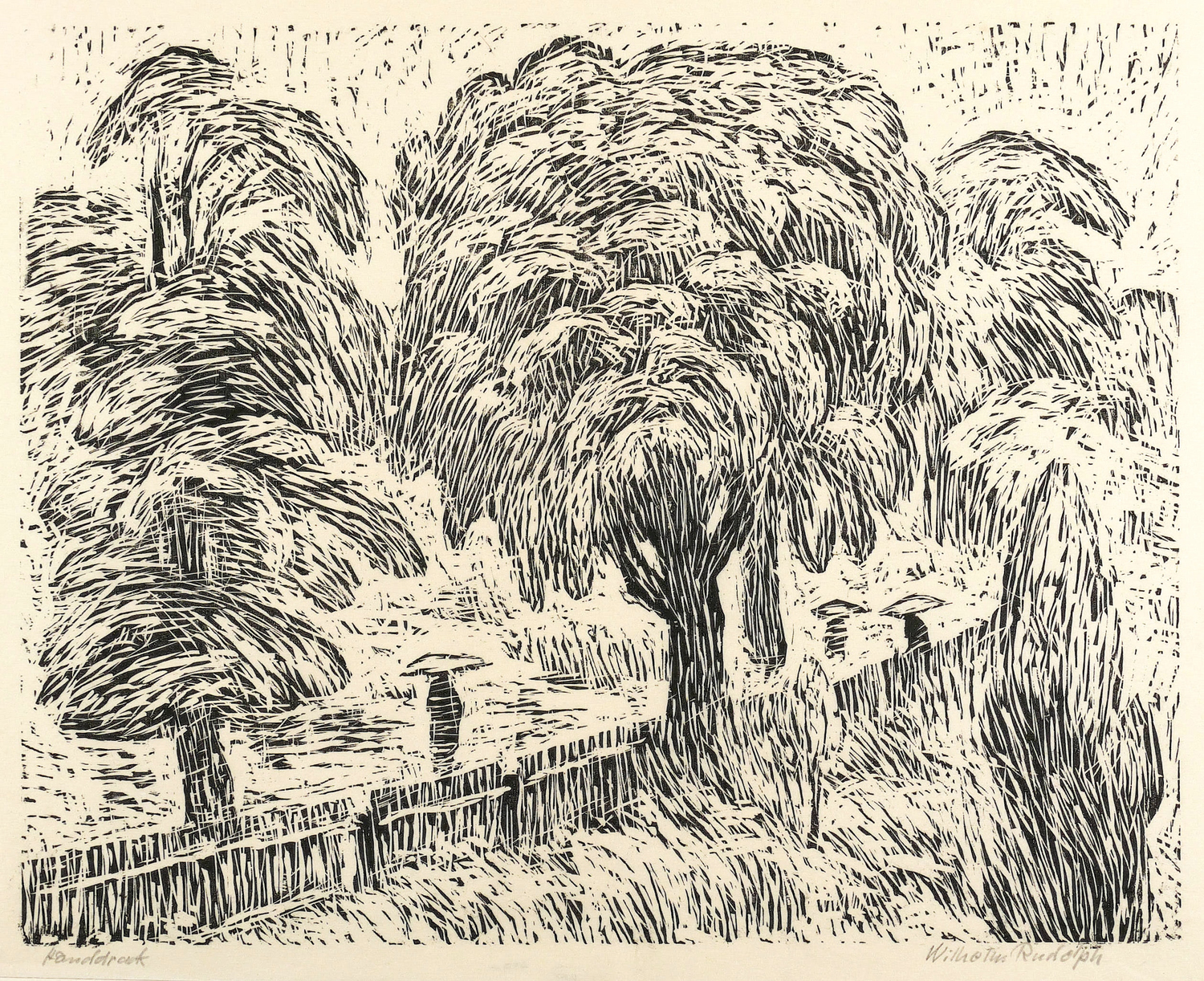
  • Wilhelm Rudolph – „Schlossgarten Pillnitz“
    Rudolph, Wilhelm. – „Schlossgarten Pillnitz”
  • Wilhelm Rudolph – „Pappeln an der Elbe (Elbauen bei Pillnitz)“
    Rudolph, Wilhelm. – „Pappeln an der Elbe (Elbauen bei Pillnitz)”
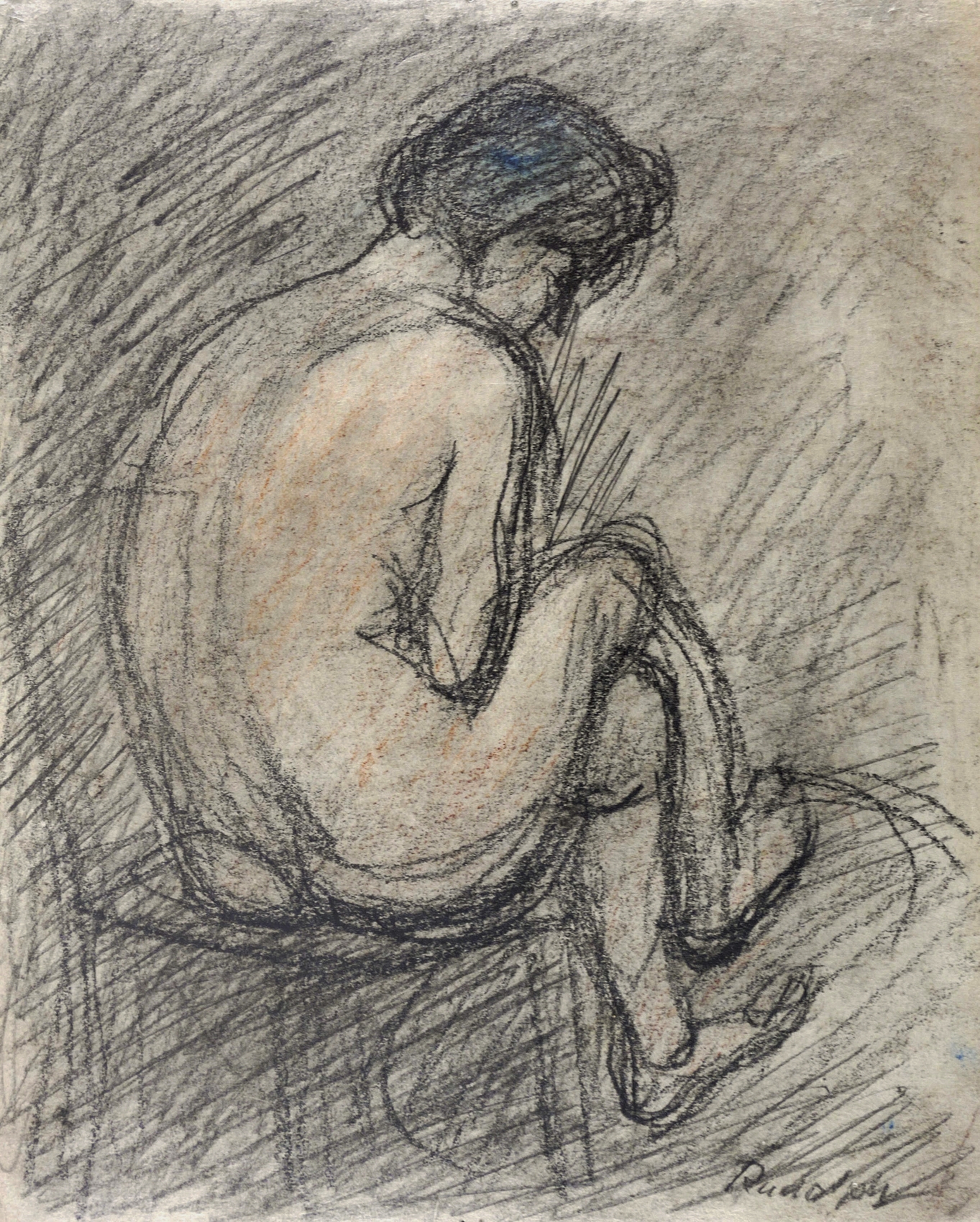
  • Wilhelm Rudolph – „Sitzender Rückenakt“
    Rudolph, Wilhelm. – „Sitzender Rückenakt”
  • Wilhelm Rudolph – „Sich kämmende Mädchen“
    Rudolph, Wilhelm. – „Sich kämmende Mädchen”
  • Wilhelm Rudolph – „Zwei liegende Akte im Freien“
    Rudolph, Wilhelm. – „Zwei liegende Akte im Freien”
  • Wilhelm Rudolph – „Drei Frauenakte vor untergehender Sonne“
    Rudolph, Wilhelm. – „Drei Frauenakte vor untergehender Sonne”
  • Wilhelm Rudolph – „Liegender Akt vor Pillnitzer Elbinsel“
    Rudolph, Wilhelm. – „Liegender Akt vor Pillnitzer Elbinsel”
  • Wilhelm Rudolph – „Landstraße im Winter“
    Rudolph, Wilhelm. – „Landstraße im Winter”
  • Wilhelm Rudolph – „Mann mit Fohlen in den Elbwiesen“
    Rudolph, Wilhelm. – „Mann mit Fohlen in den Elbwiesen”
  • Wilhelm Rudolph – „Kleine Gewitterlandschaft“
    Rudolph, Wilhelm. – „Kleine Gewitterlandschaft”
  • Wilhelm Rudolph – „Dresdner Vorort“
    Rudolph, Wilhelm. – „Dresdner Vorort”
  • Wilhelm Rudolph – „Regenwetter“
    Rudolph, Wilhelm. – „Regenwetter”
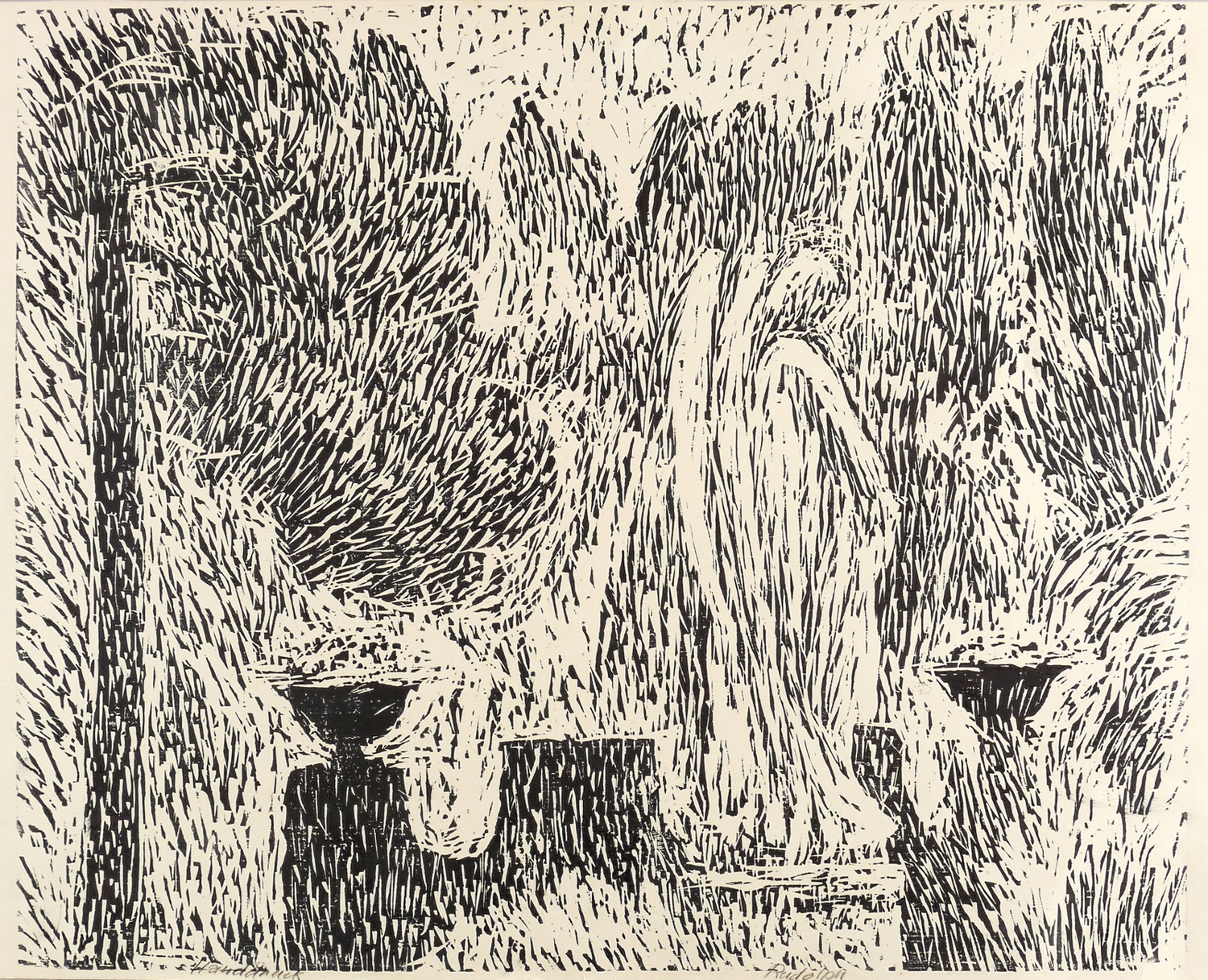
  • Wilhelm Rudolph – „Engel mit Opferschalen (Friedhof Tolkewitz XI)“
    Rudolph, Wilhelm. – „Engel mit Opferschalen (Friedhof Tolkewitz XI)”
  • Wilhelm Rudolph – „Pillnitzer Straße“
    Rudolph, Wilhelm. – Das zerstörte Dresden. – „Pillnitzer Straße”
  • Wilhelm Rudolph – „Striesener Straße mit Wintersonne“
    Rudolph, Wilhelm. – Das zerstörte Dresden. – „Striesener Straße mit Wintersonne”
  • Wilhelm Rudolph – „Johanneskirche (Striesener Straße II)“
    Rudolph, Wilhelm. – Das zerstörte Dresden. – „Johanneskirche (Striesener Straße II)”
  • Wilhelm Rudolph – „Augustusbrücke mit Booten und Schiffsanleger“
    Rudolph, Wilhelm. – „Augustusbrücke mit Booten und Schiffsanleger”
  • Wilhelm Rudolph – „Am Fürstenplatz (Stephanienstraße mit Carolahaus)“
    Rudolph, Wilhelm. – Das zerstörte Dresden. – „Am Fürstenplatz (Stephanienstraße mit Carolahaus)”
  • Wilhelm Rudolph – „Elbfähre“
    Rudolph, Wilhelm. – „Elbfähre”
  • Wilhelm Rudolph – „Bär“
    Rudolph, Wilhelm. – „Bär”
  • Wilhelm Rudolph – „Büffel“
    Rudolph, Wilhelm. – „Büffel”
  • Wilhelm Rudolph – „Reh“
    Rudolph, Wilhelm. – „Reh”
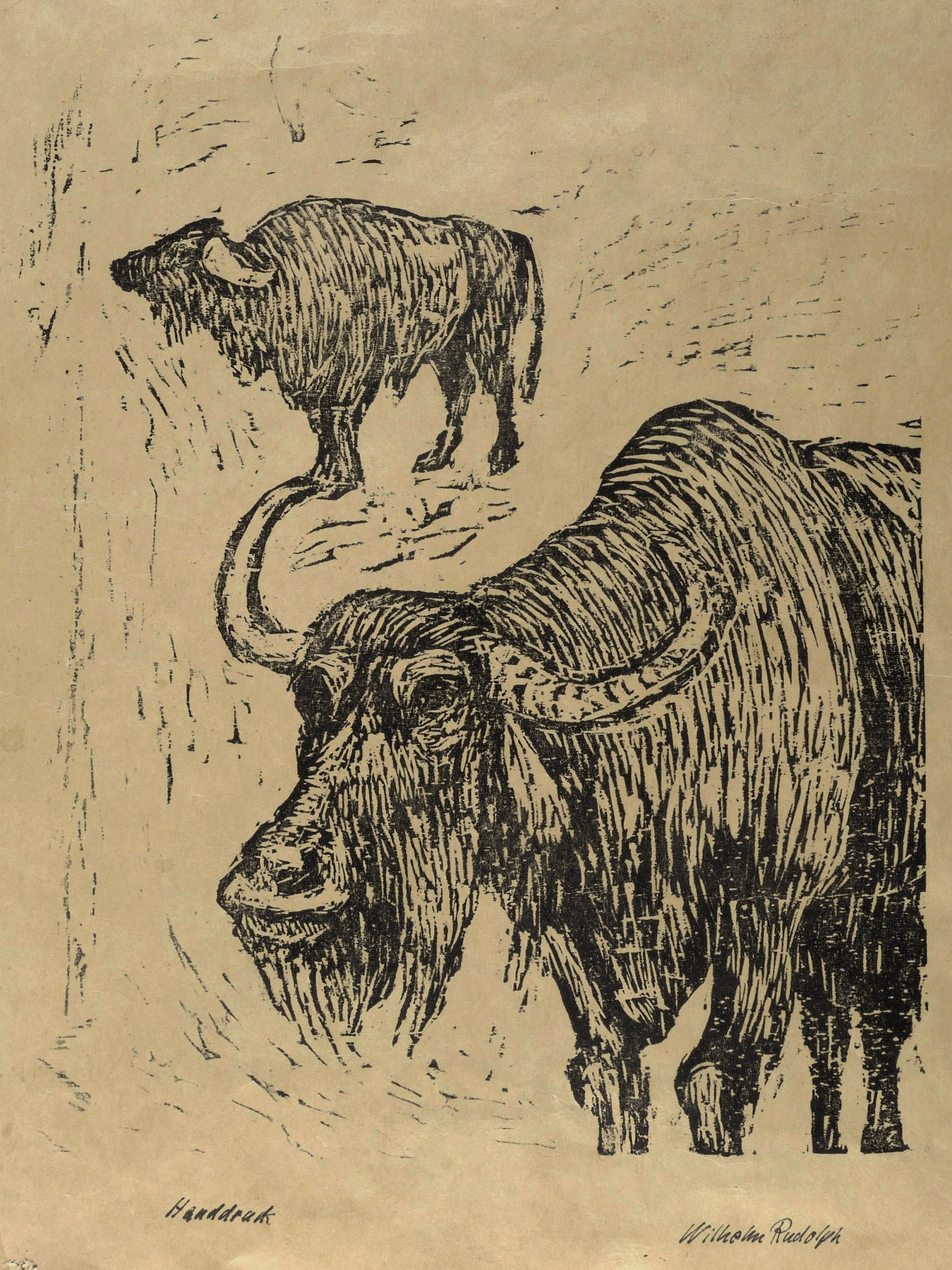
  • Wilhelm Rudolph – „Zwei Wasserbüffel“
    Rudolph, Wilhelm. – „Zwei Wasserbüffel”
  • Wilhelm Rudolph – „Vier Rehe im Wald“
    Rudolph, Wilhelm. – „Vier Rehe im Wald”
  • Wilhelm Rudolph – „Zwei liegende Ziegen“
    Rudolph, Wilhelm. – „Zwei liegende Ziegen”
  • Wilhelm Rudolph – „Eule“
    Rudolph, Wilhelm. – „Eule”
  • Wilhelm Rudolph – „Esel“
    Rudolph, Wilhelm. – „Esel”
  • Wilhelm Rudolph – „Hannover“
    Rudolph, Wilhelm. – Herrenhäuser Gärten Hannover. – An der Graft. – „Hannover”
  • Wilhelm Rudolph – „Kartoffellese“
    Rudolph, Wilhelm. – „Kartoffellese”
  • Wilhelm Rudolph – „Mondnacht in den Elbauen“
    Rudolph, Wilhelm. – „Mondnacht in den Elbauen”
  • Wilhelm Rudolph – „Häuserzeile“
    Rudolph, Wilhelm. – „Häuserzeile”
Wilhelm Rudolph

Wilhelm Rudolph

Details

Introduction

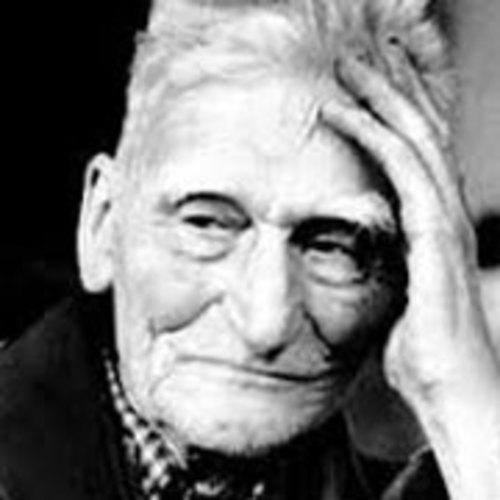
In its current exhibition, Galerie Himmel is dedicating itself to the printmaking work of Dresden painter and graphic artist Wilhelm Rudolph (1889–1982). The focus is on Rudolph's woodcuts, which occupy a prominent place in German art history. They combine high craftsmanship with They combine a high level of craftsmanship with a self-sufficient formal will of rare consistency. Over more than seven decades, Wilhelm Rudolph created a diverse and powerful body of work. The highlight of his career is considered to be his expressive graphic work complex »Das zerstörte Dresden« (The Destroyed Dresden), which comprises several hundred pen-and-ink drawings, watercolours, woodcuts, etchings and lithographs. The intensity and scope of this artistic exploration is unparalleled in German art of that period. Yet all too often, this master of woodcut printing is defined solely by his view of destruction. In this respect, his equally significant motifs – landscapes, animals and nudes – offer welcome insights into his work. In his mature woodcuts, expressionist compositional techniques are combined with impressionistic, sometimes even pointillistic treatment of light. Dense hatching and dynamic textures increasingly dissolve the graphite-glazed black of the woodblock and make it permeable. Blurred areas appear to be in motion, and the brittle material comes to life. Wilhelm Rudolph was born in 1889 into a family of weavers. In 1906, he began an apprenticeship as a lithographer, only to transfer to the Dresden Art Academy in 1908. His teachers were Robert Sterl and Carl Bantzer. Wilhelm Rudolph survived the First World War as an infantryman on the Western Front. In 1932, he was appointed lecturer at the Dresden Art Academy. In 1933, his works were defamed in the »Degenerate Art« exhibition in the atrium of Dresden Town Hall, and from 1937 onwards there was a de facto ban on exhibiting and selling his works. In 1939, he was politically denounced and finally dismissed from his teaching position. During the bombing of his hometown of Dresden, Wilhelm Rudolph lost a large part of his oeuvre. After the city was destroyed in a firestorm on the night of 14 February 1945, Rudolph, in a state of innermost distress and boundless horror, took on its ravaged face. He climbed through the smoking, partly still burning rubble and drew like a man possessed with a reed pen and ink, creating hundreds of images of the devastation. The resulting woodcut cycle »Dresden 1945« belongs – alongside the Series of etchings by Francisco de Goya, Käthe Kollwitz and Otto Dix – among the most powerful graphic works on the theme of war. This artistic achievement, summarised by Erhard Frommhold under the term ‘moral landscape’, is the basis for Wilhelm Rudolph's extraordinary status as an artist today. From 1946 to 1949, Wilhelm Rudolph once again held a professorship in painting and graphic art at the Dresden Art Academy, but was dismissed from teaching again by the then rector Hans Grundig, despite protests from his students. After his dismissal, he lived as a freelance artist in Dresden and remained artistically productive until his death, even in his old age. Throughout his life, he remained a loner and ascetic who was completely absorbed in his art.