Wilhelm Lachnit
Elegical Exercises

06. September 2025 — 15. November 2025 | in the cabinet

The life's work of Dresden artist Wilhelm Lachnit is characterized by his perseverance, determination, and strength to never compromise his artistic independence, aesthetic compass, and artistic vision to any official, state-ordered artistic doctrine. He resisted both under the rule of National Socialism and later under the oppressive conditions of restrictive socialist cultural policy in the early years after the founding of the GDR, even when he was stripped of his professorship at the Dresden Hochschule für Bildende Kuenste in 1954.

  • Wilhelm Lachnit – „Sitzender Akt“
    Lachnit, Wilhelm. – „Sitzender Akt”
  • Wilhelm Lachnit – „Vogel“
    Lachnit, Wilhelm. – „Vogel”
  • Wilhelm Lachnit – „Stier und Lesender“
    Lachnit, Wilhelm. – „Stier und Lesender”
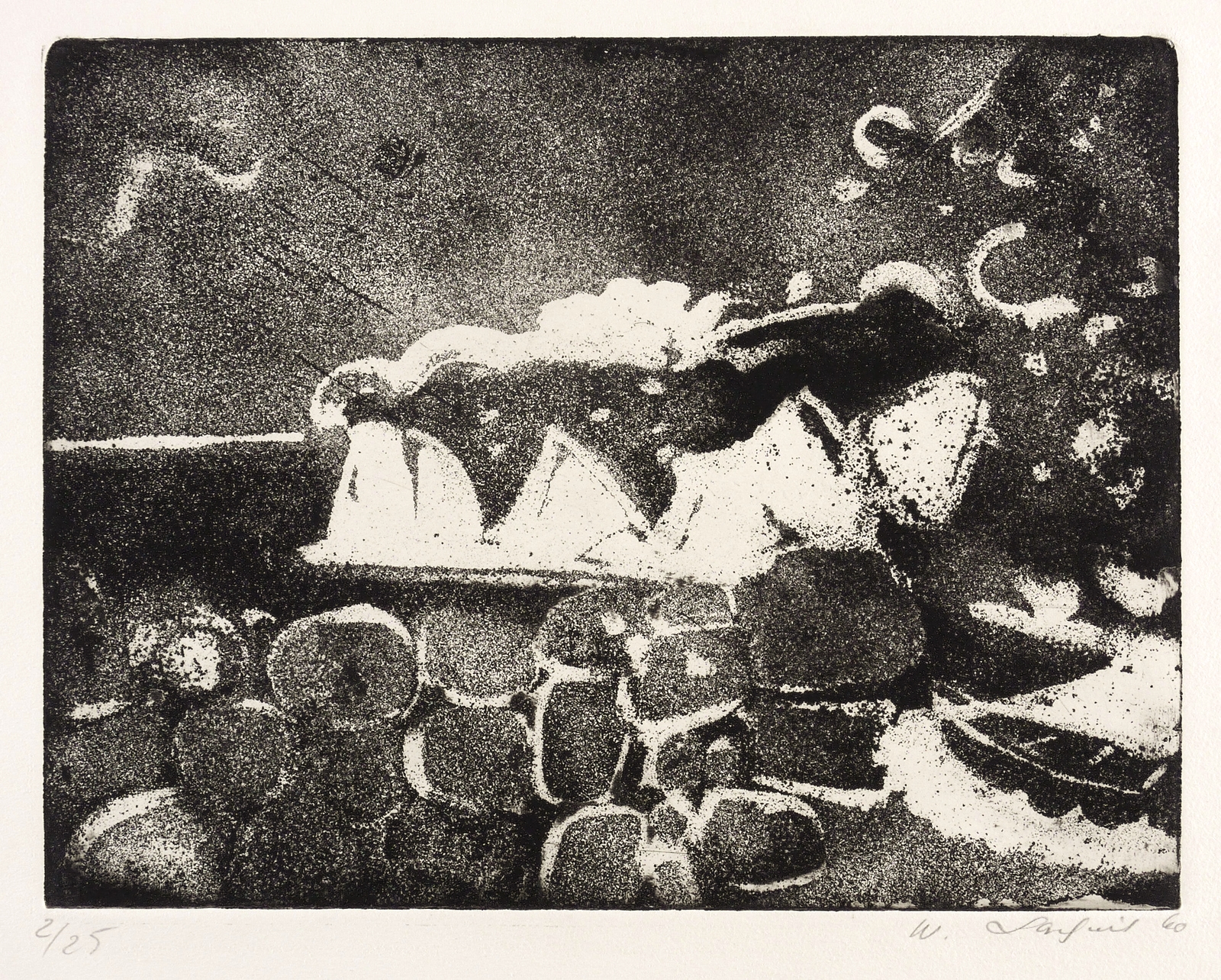
  • Wilhelm Lachnit – „Steilküste“
    Lachnit, Wilhelm. – „Steilküste”
  • Wilhelm Lachnit – „Obstteller auf blauem Grund“
    Lachnit, Wilhelm. – „Obstteller auf blauem Grund”
  • Wilhelm Lachnit – „Mann mit Hund“
    Lachnit, Wilhelm. – „Mann mit Hund”
  • Wilhelm Lachnit – „Susanna und die beiden Alten“
    Lachnit, Wilhelm. – „Susanna und die beiden Alten”
  • Wilhelm Lachnit – „Frauenkopf mit Blumen im Haar“
    Lachnit, Wilhelm. – „Frauenkopf mit Blumen im Haar”
  • Wilhelm Lachnit – „Weiblicher Akt“
    Lachnit, Wilhelm. – „Weiblicher Akt”
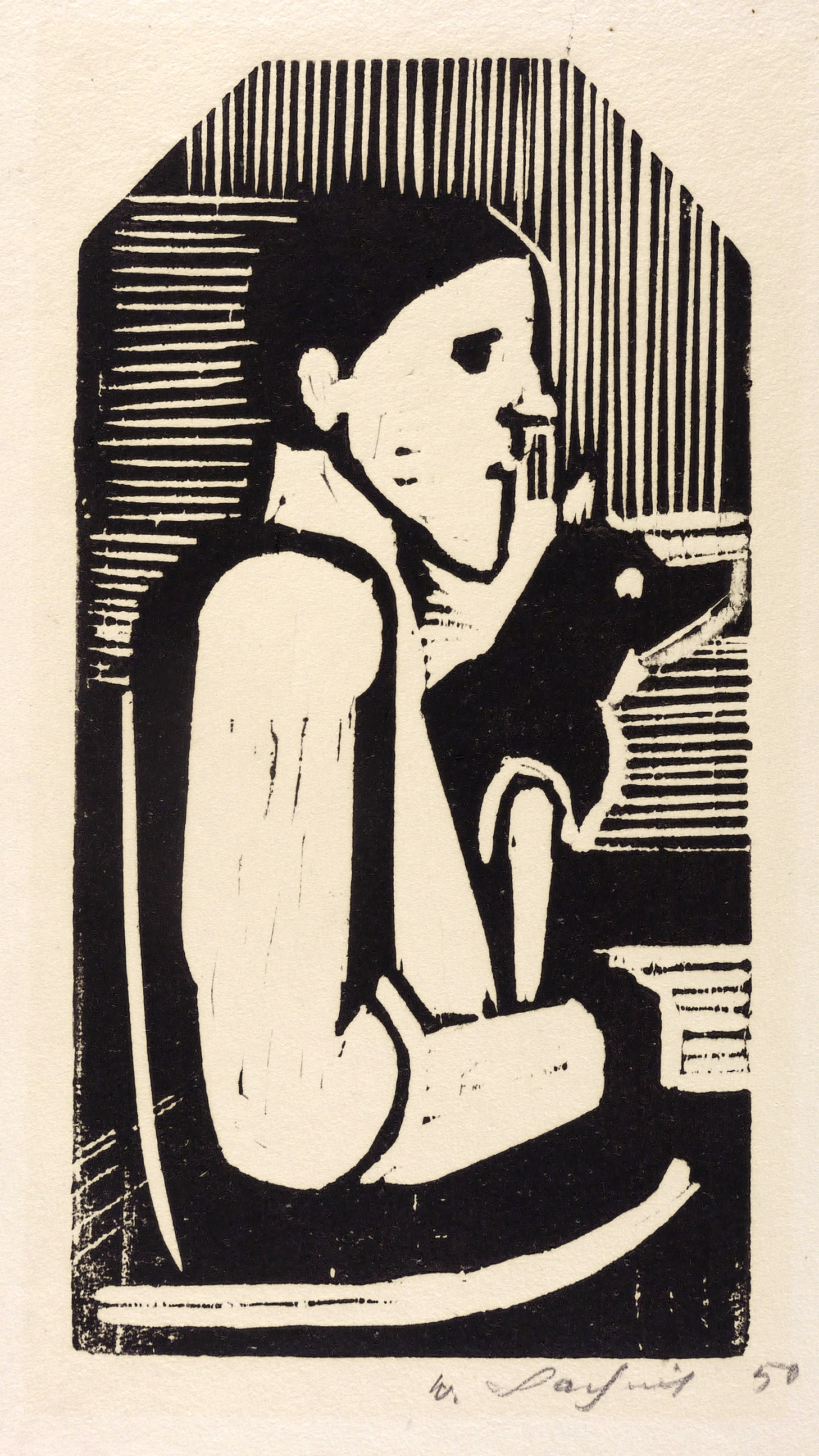
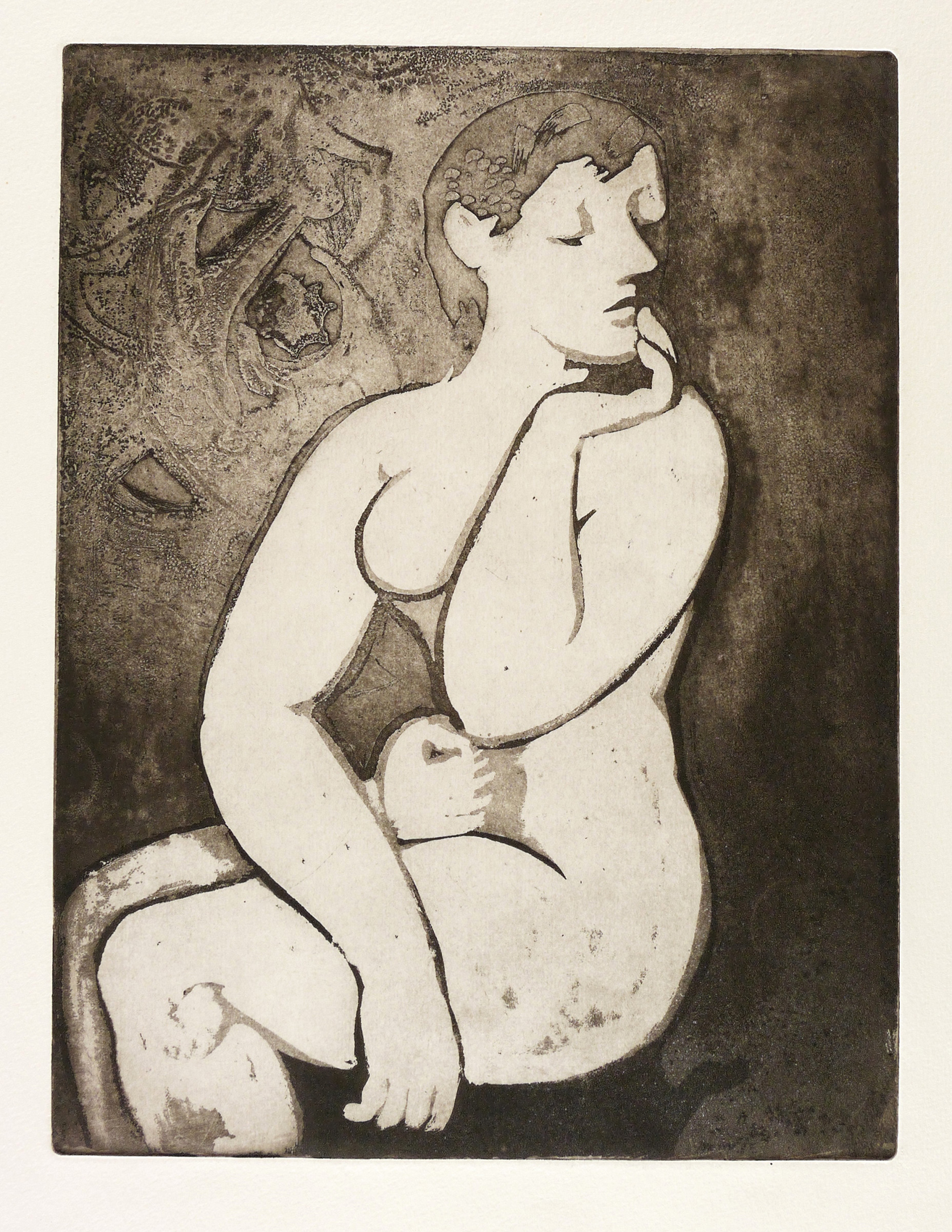
  • Wilhelm Lachnit – „In Gedanken (Halbakt mit aufgestütztem Kopf)“
    Lachnit, Wilhelm. – „In Gedanken (Halbakt mit aufgestütztem Kopf)”
  • Wilhelm Lachnit – „Der Herbst“
    Lachnit, Wilhelm. – „Der Herbst”
  • Wilhelm Lachnit – „Stillleben“
    Lachnit, Wilhelm. – „Stillleben”
  • Wilhelm Lachnit – „Zwei Masken“
    Lachnit, Wilhelm. – „Zwei Masken”
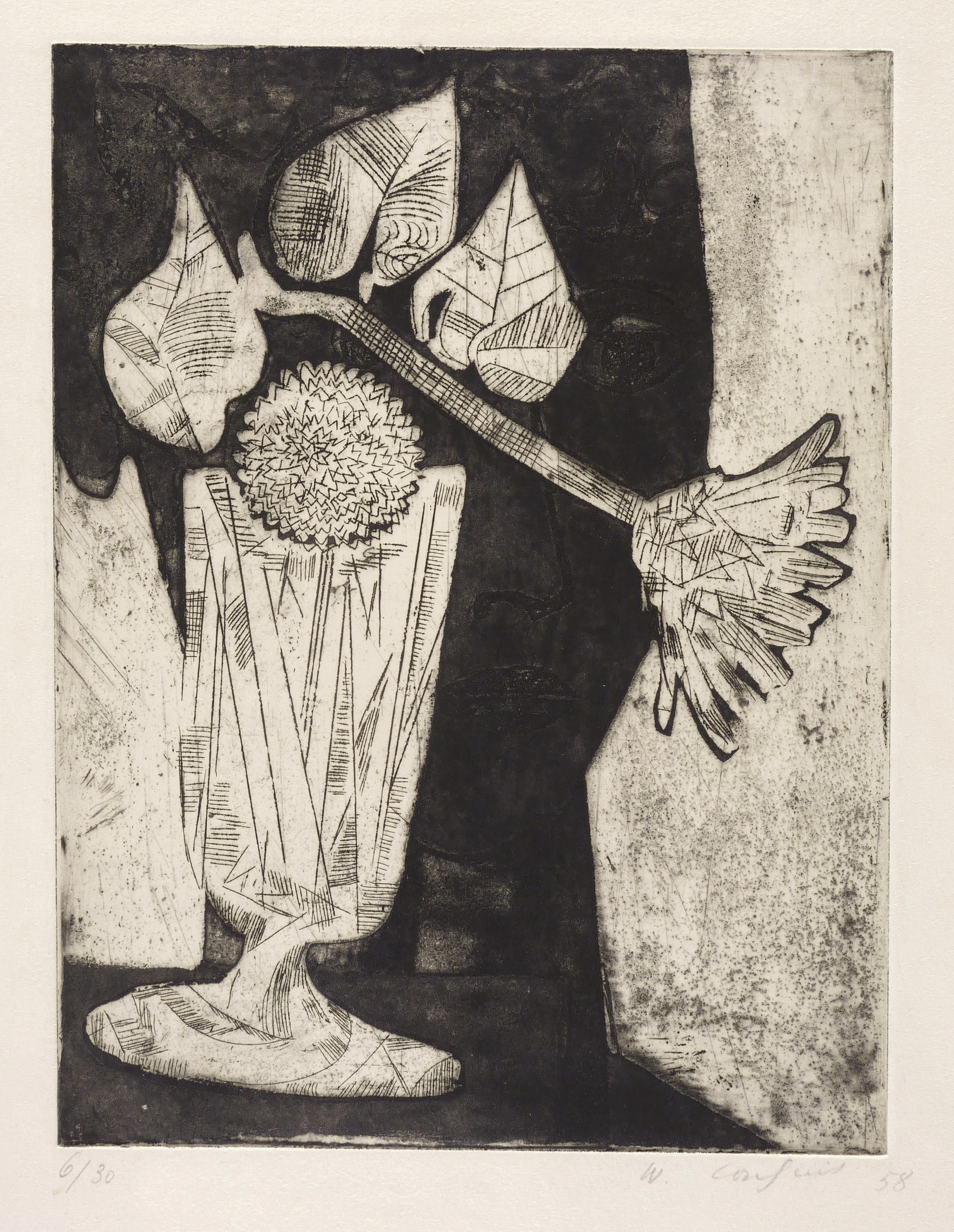
  • Wilhelm Lachnit – „Blumenglas vor dunklem Kopf“
    Lachnit, Wilhelm. – „Blumenglas vor dunklem Kopf”
  • Wilhelm Lachnit – „Halbakt mit Aquarium und Affe“
    Lachnit, Wilhelm. – „Halbakt mit Aquarium und Affe”
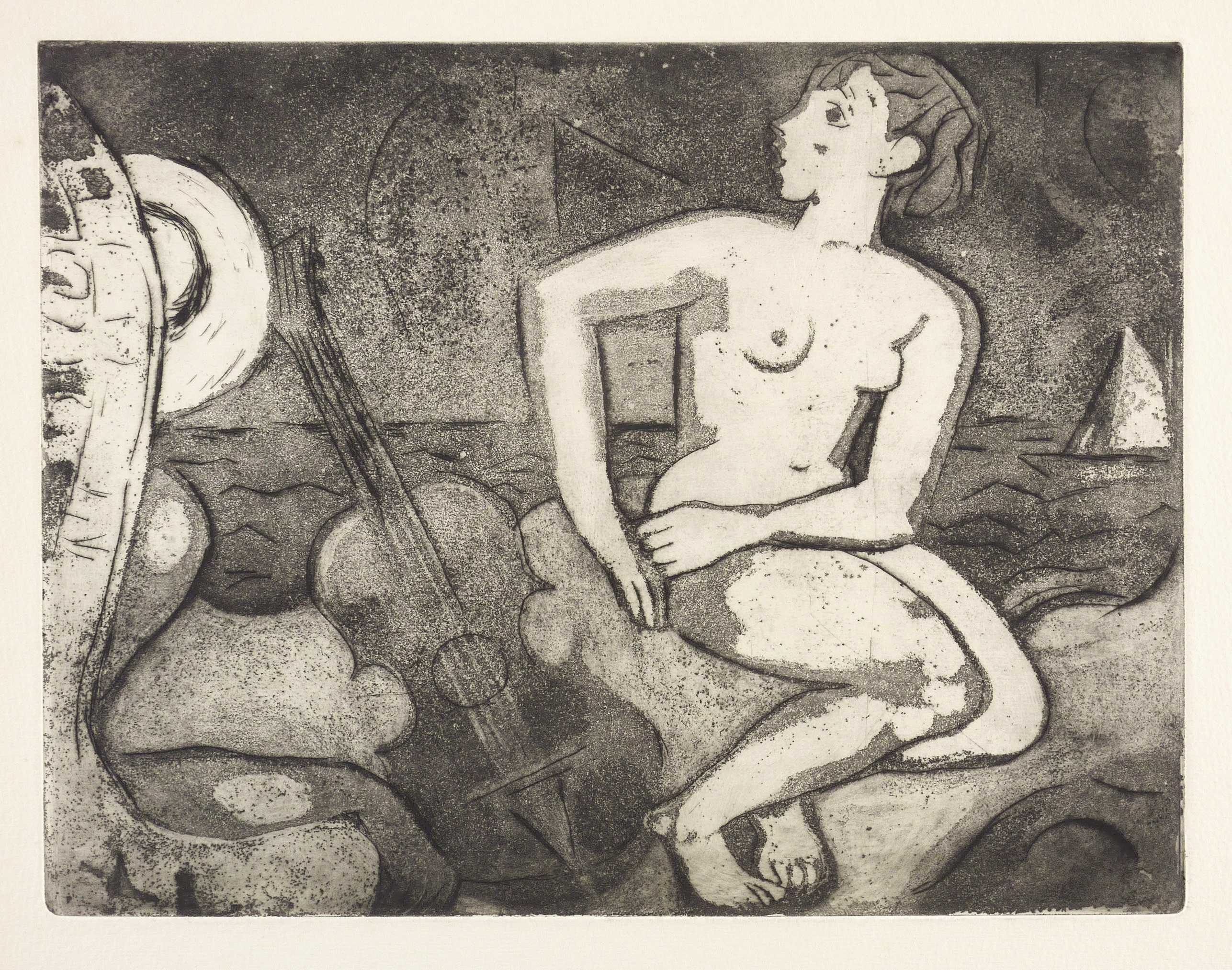
  • Wilhelm Lachnit – „Akt mit Cello am Meer“
    Lachnit, Wilhelm. – „Akt mit Cello am Meer”
  • Wilhelm Lachnit – „Stillleben (Fischteller)“
    Lachnit, Wilhelm. – „Stillleben (Fischteller)”
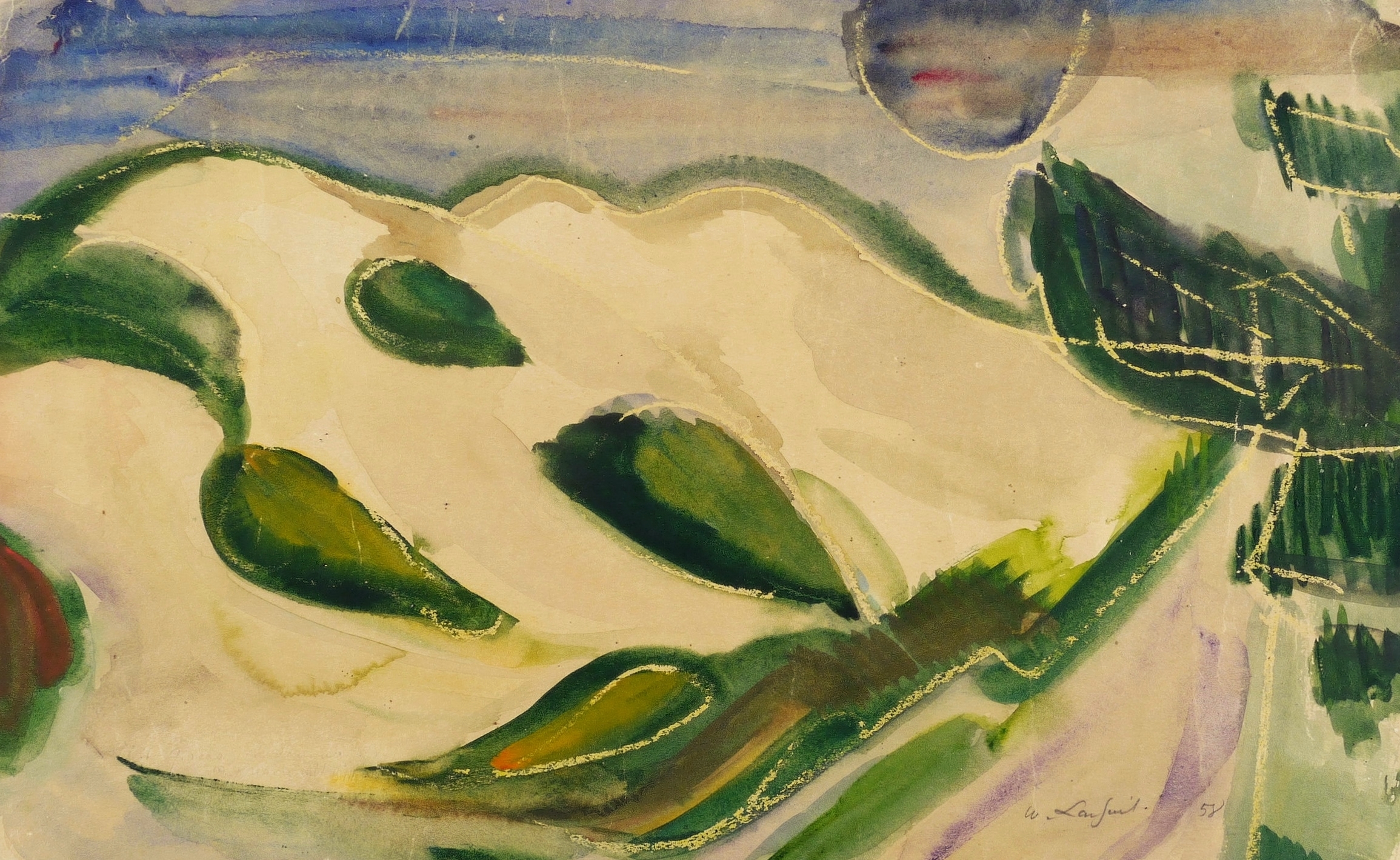
  • Wilhelm Lachnit – „Dünenlandschaft“
    Lachnit, Wilhelm. – „Dünenlandschaft”
  • Wilhelm Lachnit – „Akt am Strand“
    Lachnit, Wilhelm. – „Akt am Strand”
  • Wilhelm Lachnit – „Kopf mit Fisch (Junge mit Aquarium)“
    Lachnit, Wilhelm. – „Kopf mit Fisch (Junge mit Aquarium)”
  • Wilhelm Lachnit – „Kristallschale und Fischkopf“
    Lachnit, Wilhelm. – „Kristallschale und Fischkopf”
  • Wilhelm Lachnit – „Mutter und Kind I“
    Lachnit, Wilhelm. – „Mutter und Kind I”
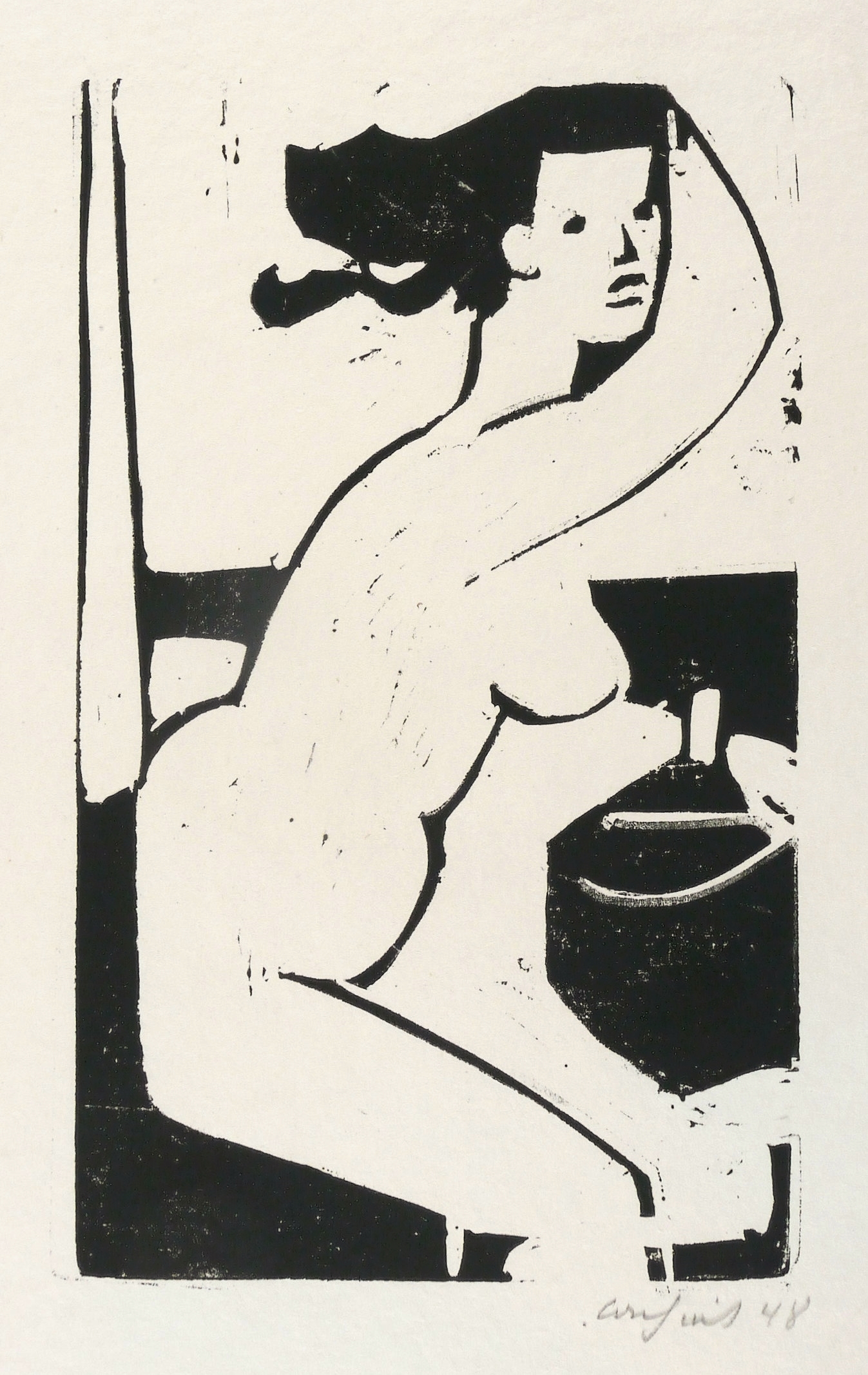
  • Wilhelm Lachnit – „Frauenakt, sich die Haare richtend (Am Morgen)“
    Lachnit, Wilhelm. – „Frauenakt, sich die Haare richtend (Am Morgen)”

Introduction

From our long-standing and constantly expanding collection of works by Wilhelm Lachnit, we are presenting several works on paper, watercolors, aquatints, and lithographs. Each of these works speaks for itself. However, they all breathe the spirit of a conscientious search for form, a rigor in the construction of the pictorial composition, a never excessive reduction to surfaces and few colors, a palpable inner geometry, presented in a melancholic tone, a kind of solemn metric. The resulting elegiac tone touches us directly and allows us to see the most diverse objects in the light of the worldview of an artist, Wilhelm Lachnit.

This comes from Wilhelm Lachnit's paintings – a harmony, but as they said in Dresden, a harmony in Catholic colours. He cooled down the Baroque with the cold water of Classicism. He wanted to create images of life that went beyond mere observation, capturing, organising and taming demonism, glamour and smell. What lay behind the eyes, in the brain, was to be included – the ornament.
Harald Metzkes
Wilhelm Lachnit. Gemälde, Graphik, Zeichnungen, Berlin: Akademie der Künste 1990, S. 4

Lachnit did not want to create copies, he strove for spiritualisation and metaphorical representation of things. He achieved nuanced colourfulness, increasing solidity and tectonics, compositional density and sublimated expressiveness. There is no tendency towards dissolution of form, even in his most abstract works. Only in his late monotypes can an opening towards Informel be observed.
Sigrid Walther
Refugium und Melancholie. Wilhelm Lachnit. Malerei, Dresden: Städtische Galerie 2012, S. 14