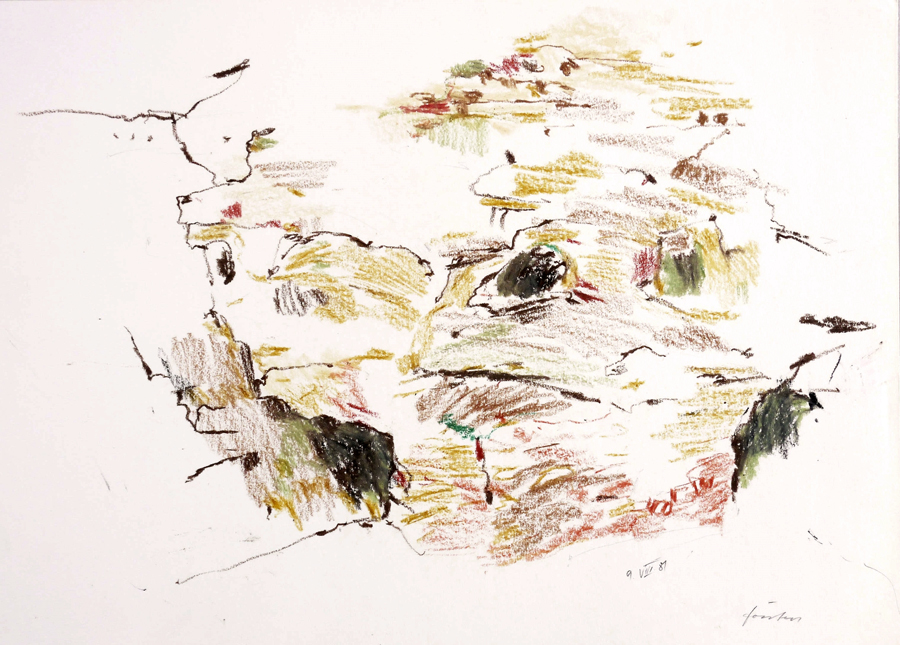
Wieland Förster, born in Dresden in 1930, is one of the most important sculptors of the 20th century. With his figures, whether desperate, hopeful or loving, he bears witness to humanity. We are delighted to be able to present sculptures and drawings from all phases of the artist's career.
Förster, Wieland. – „Kruzifixus”
Förster, Wieland. – „Kleiner männlicher Torso - 13. Februar 1945”
Förster, Wieland. – „Schmerz”
Förster, Wieland. – „Prenzlauer Berg”
Förster, Wieland. – „Schlafende”
Förster, Wieland. – „Pietà”
Förster, Wieland. – „Kleiner trauernder Mann”
Förster, Wieland. – „Kleine Gruppe I”
Förster, Wieland. – „Mänade II”
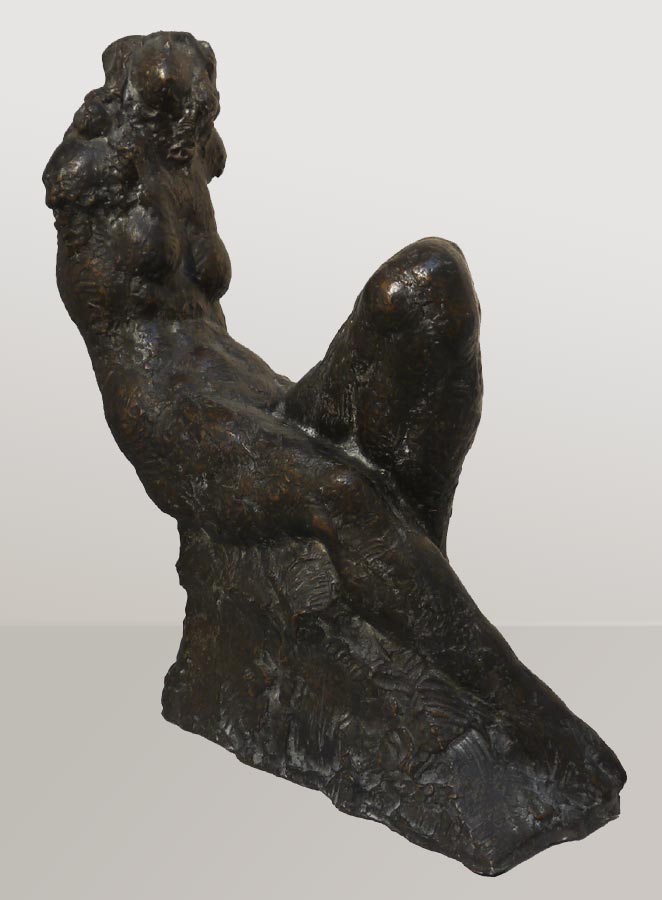
Förster, Wieland. – „Kleine ruhende Mänade”
Förster, Wieland. – „Mänade I”
Förster, Wieland. – „Hero”
Förster, Wieland. – „Ohne Titel (Kleine Liegende)”
Förster, Wieland. – „Sitzende Halbfigur, die Hände im Schoß”
Förster, Wieland. – „Marilyn '50”
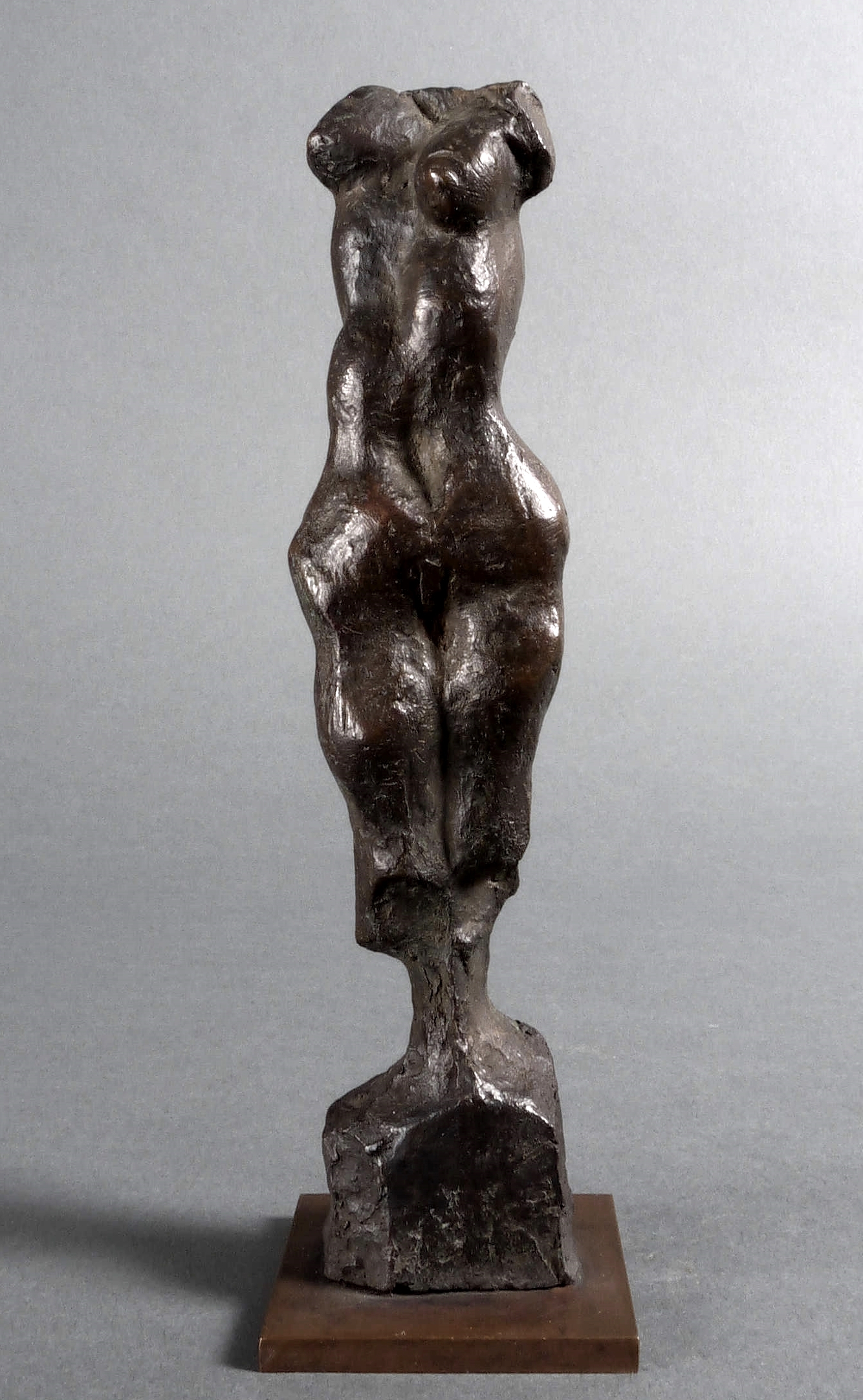
Förster, Wieland. – „Weiblicher Torso”
Förster, Wieland. – „Akt mit angezogenem Bein”
Förster, Wieland. – „Torso einer Liegenden”
Förster, Wieland. – „Rügen”
Förster, Wieland. – „Preußische Ebene”
Förster, Wieland. – „Umarmung I (Relief)”
Förster, Wieland. – „Kleines Paar”
Förster, Wieland. – „Großer Einblick II”
Förster, Wieland. – „Weiblicher Torso II”
Förster, Wieland. – „Bewegter Torso”
Förster, Wieland. – „Kleine Schlafende”
Förster, Wieland. – „Ohne Titel (Schlafende)”
Förster, Wieland. – „Apoll und Daphne”
Förster, Wieland. – „Zu Penthesilea III”
Förster, Wieland. – „Bildnis Elfriede Jelinek V”
Förster, Wieland. – „Bildnis Otto Niemeyer-Holstein”
Förster, Wieland. – „Penthesilea-Gruppe I”
Förster, Wieland. – „Portrait Otmar Suitner”
Förster, Wieland. – „Sitzende mit angezogenem Bein”
The sculptures of the great European sculptor Wieland Förster are among the icons of 20th-century sculpture. His works continue the tradition of sculpture since August Rodin, who elevated the fragment to an art form. They creatively incorporate influences from sculptors of classical modernism such as Brancusi, Arp, and Moore. Wieland Förster depicts pain, suffering, and martyrdom on the one hand, and beauty, sensuality, and eros on the other — the metaphors of barbarism and humanity.
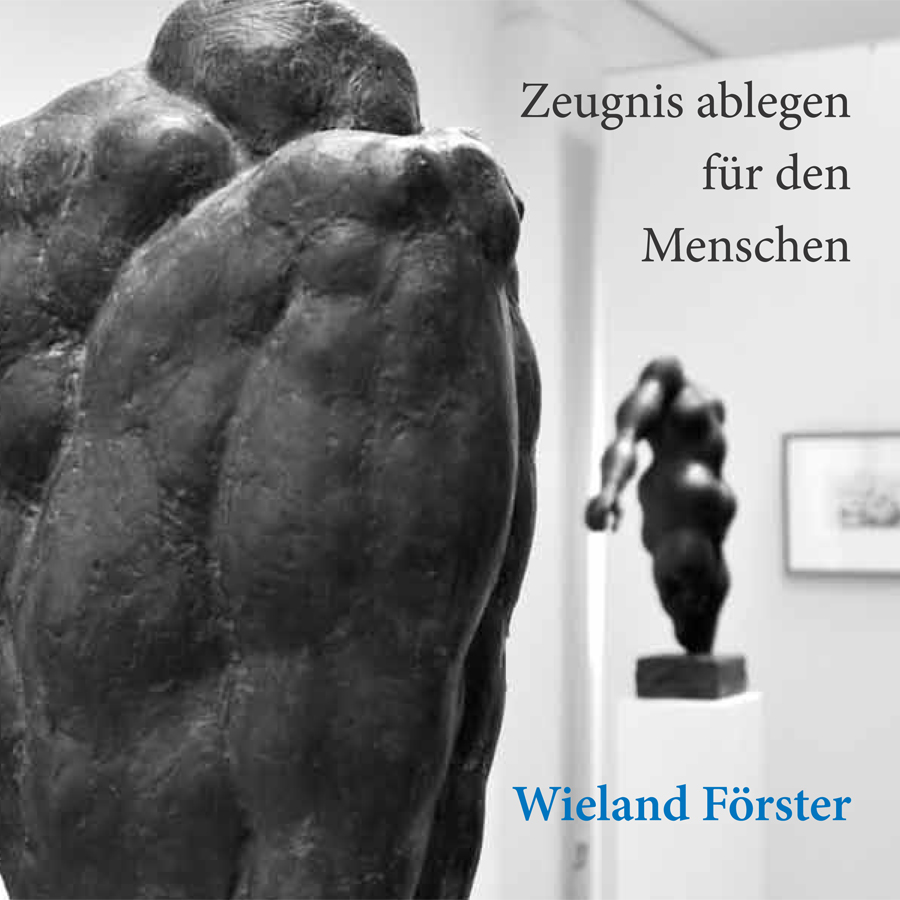
Böhlitz, Michael / Himmel, Anja (Hrsg.). – „Wieland Förster. Zeugnis ablegen für den Menschen”.
2022. Galerie Himmel (Eigenverlag), Dresden. – Ausstellungskatalog, von Wieland Förster. – 21 x 21 cm (Format).
8°, Broschur, 104 S., 60 Abb. – Katalog zur Ausstellung ″Wieland Förster. Zeugnis ablegen für den Menschen″ in der Galerie Himmel in Dresden, 2. Juli - 10. September 2022. – Vorwort von Anja Himmel und Michael Böhlitz, Text von Bernhard Maaz. – Ausführlicher Katalog mit zahlreichen Werk-Abb. – Erstausgabe, neu.
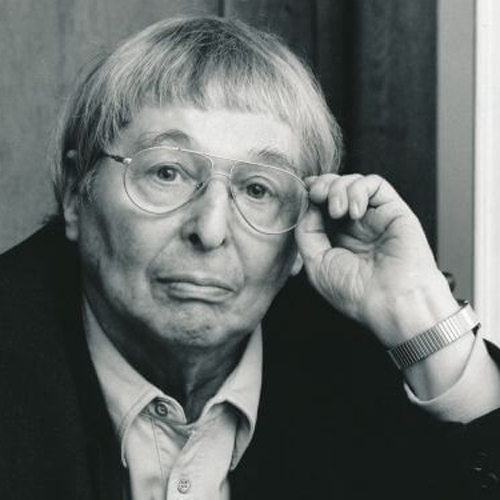
Wieland Förster, born in Dresden in 1930 and now living near Oranienburg, is one of the great German sculptors of the 20th century. He became a sculptor because he »suffered from certain fundamental wounds... It was an attempt to come to terms with the shocks that had penetrated me.«
In 1945, Wieland Förster witnessed the bombing of his hometown Dresden and its destruction. Due to unfortunate circumstances, the 16-year-old was sentenced to seven and a half years of forced labour in 1946. After three and a half years, he was released from the Bautzen special camp as part of an amnesty, his youth behind him. »Here, in the Bautzen special camp, in well over a thousand nights, I swore to myself, as I vegetated in the death barracks from 1947 onwards, to resist violence for the rest of my life and to stand up vehemently for humanity«, said the sculptor.
After training as a technical draughtsman, he began studying sculpture at Walter Arnold's in Dresden in 1953. As a master student of Fritz Cremer, he came to the German Academy of Arts in East Berlin in 1959. As early as 1961, the self-confessed »formalist«. By 1961, the self-confessed »formalist« had to drop out and from then on worked on his life's work in a small Berlin shop studio. Förster's main theme is the human being. Not only the suffering, the physically and mentally wounded, as he created for Dresden with the »Großer Trauernder« (Great Mourner, 1982/83) or later with the skinned and subjugated »Marsyas – Jahrhundertbilanz« (Marsyas – Century Balance Sheet, 1999). The vital, sensually beautiful female figure, the torso as a fragment, the couples that seem to be grown together, and the portrait between abstraction and individuality also reveal his haunting image of humanity. In 1967, during a trip to Tunisia, Wieland Förster had his primal experience, when »the immortality of the rocks in their immeasurably rich formations and the indestructible, albeit vulnerable growth of the olive tree« became parables for his visual art creations.
Formally, years earlier, the discovery of the egg shape had led him to the basic form for his work. Each figure, each torso is rhythmically constructed from differently inclined, even directed egg shapes. Independent of art trends and fashions, Wieland Förster found a sculptural expression that combines the achievements of modern sculpture since the late 19th century. He has much in common with August Rodin, who elevated the fragment to an art form. Ernst Barlach, Wilhelm Lehmbruck and Henry Moore are also worth mentioning. Alberto Giacometti, Constantin Brancusi and Bernhard Heiliger also impressed him, yet never made him an imitator. His forms are not bound to an optimistic, idealised view of humanity. He drew deeply on his own experience and tradition to create them. He was a sculptor who was not bound by any artistic trends or fashions.
Wieland Förster,
Kruzifixus, 2004
Bronze, 99,5 x 51,5 x 21,5 cm