Introduction
Werner Stötzer
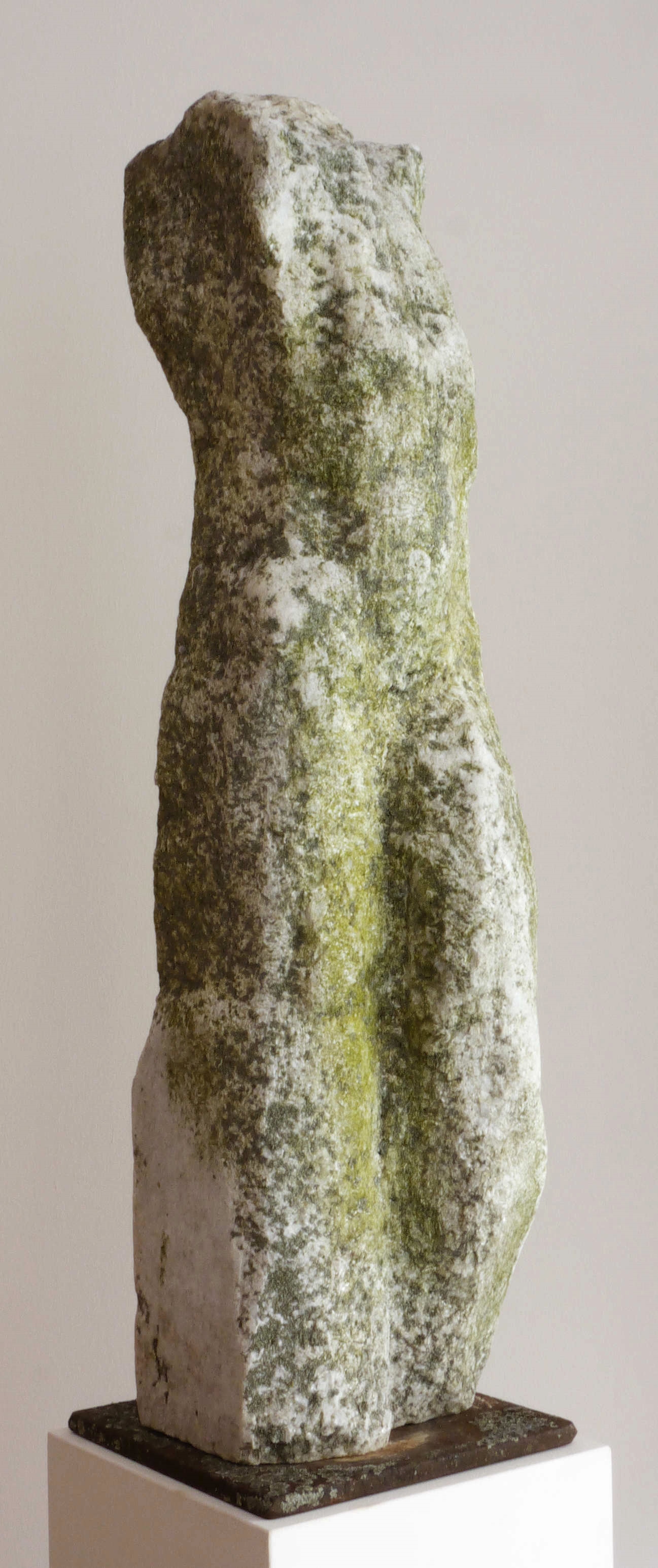
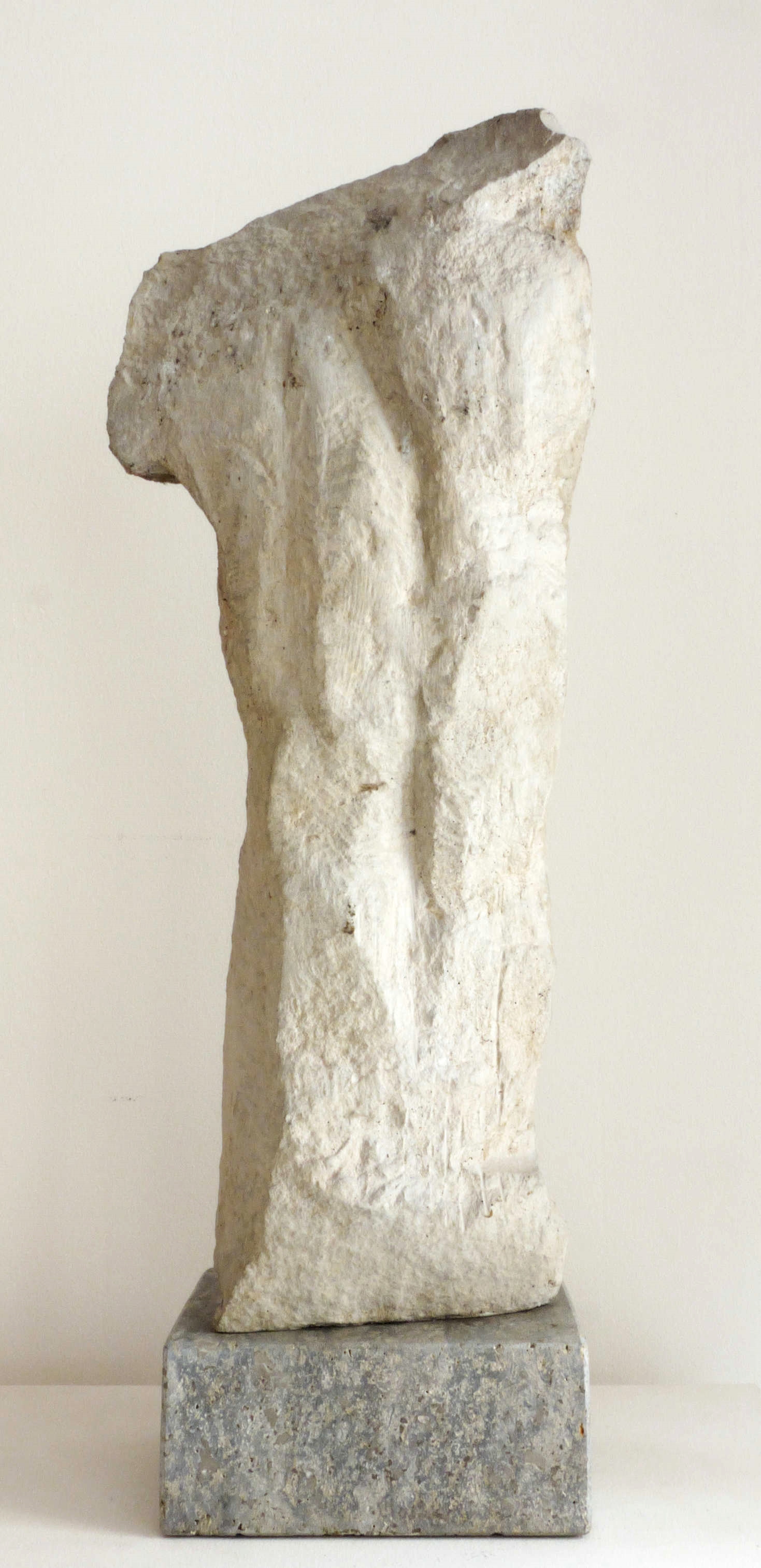
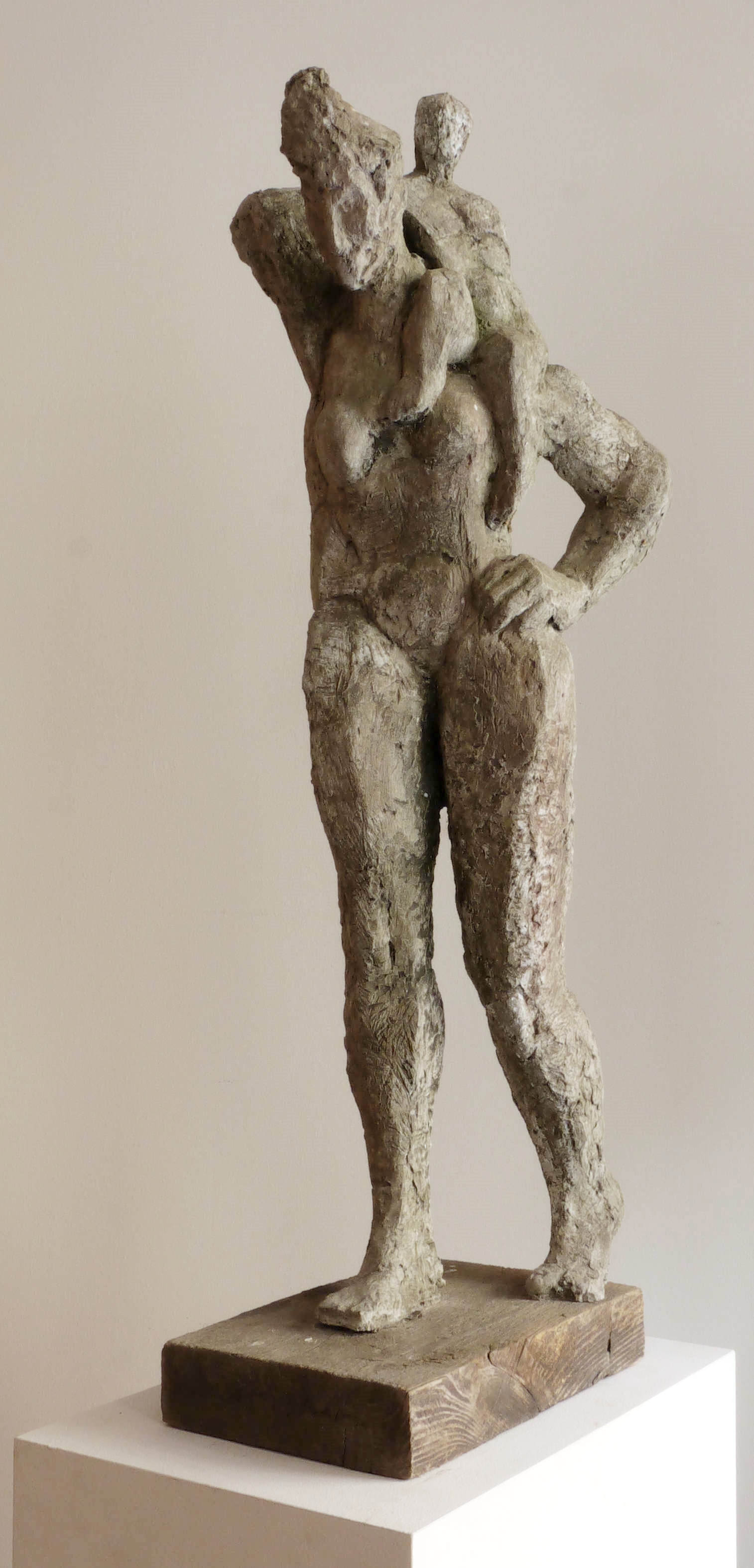
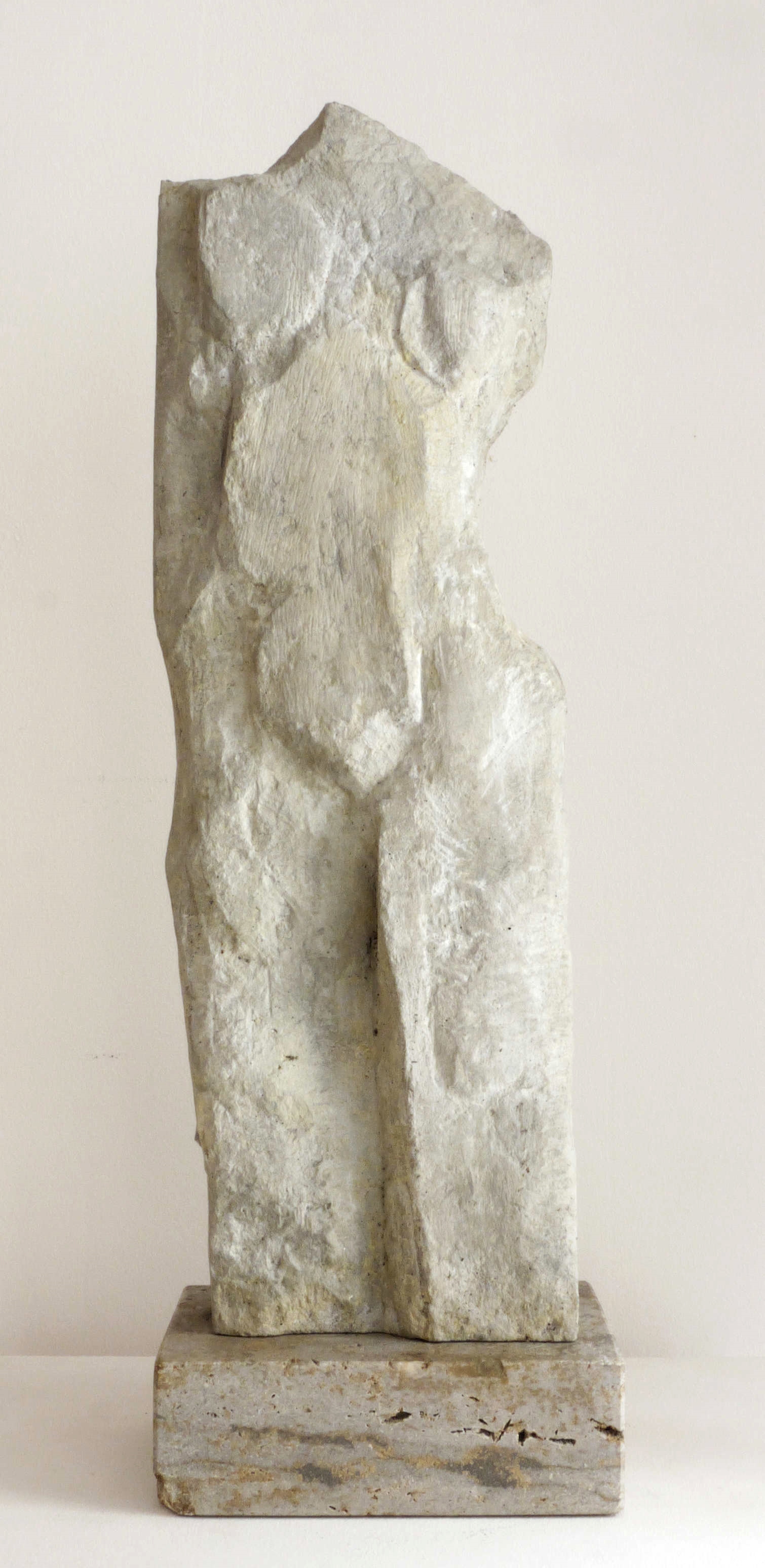
The sculptures of Werner Stötzer, a native of Thuringia who lived in East Berlin for many years and moved to the Oderbruch region in 1980, appear calm, archaic and timeless, but also oppressively heavy and at the same time floatingly light. Walter Jens spoke of a »synthesis of monumentality and grace«. Stötzer uses the Stones as they come from the quarry, tracing the surfaces and leaving corners, edges and cuts intact. One must »not go against its (the stone's) nature,« one must »give it the form that suits it,« according to the sculptor. Werner Stötzer is undoubtedly one of Germany's most important sculptors. As a mentor to master students at the Academy of Arts in Berlin, where he himself was a master student under Gustav Seitz from 1954 to 1958, he has influenced an entire Generation of sculptors. Stötzer's work focuses on the human figure and its existential questions. He seeks to trace the spiritual in the material of stone or clay and bring it to the surface by giving his figures gentle, often only vaguely legible proportions and creating a textured, dynamic surface. His images of people, concentrated on the essential, are created through conscious sculptural reduction, are Abstract and remain fragmentary. Stötzer's haunting, sensually poetic and at the same time philosophical works embody the dignity and attitude of human beings in a threatened world.
Strawalde
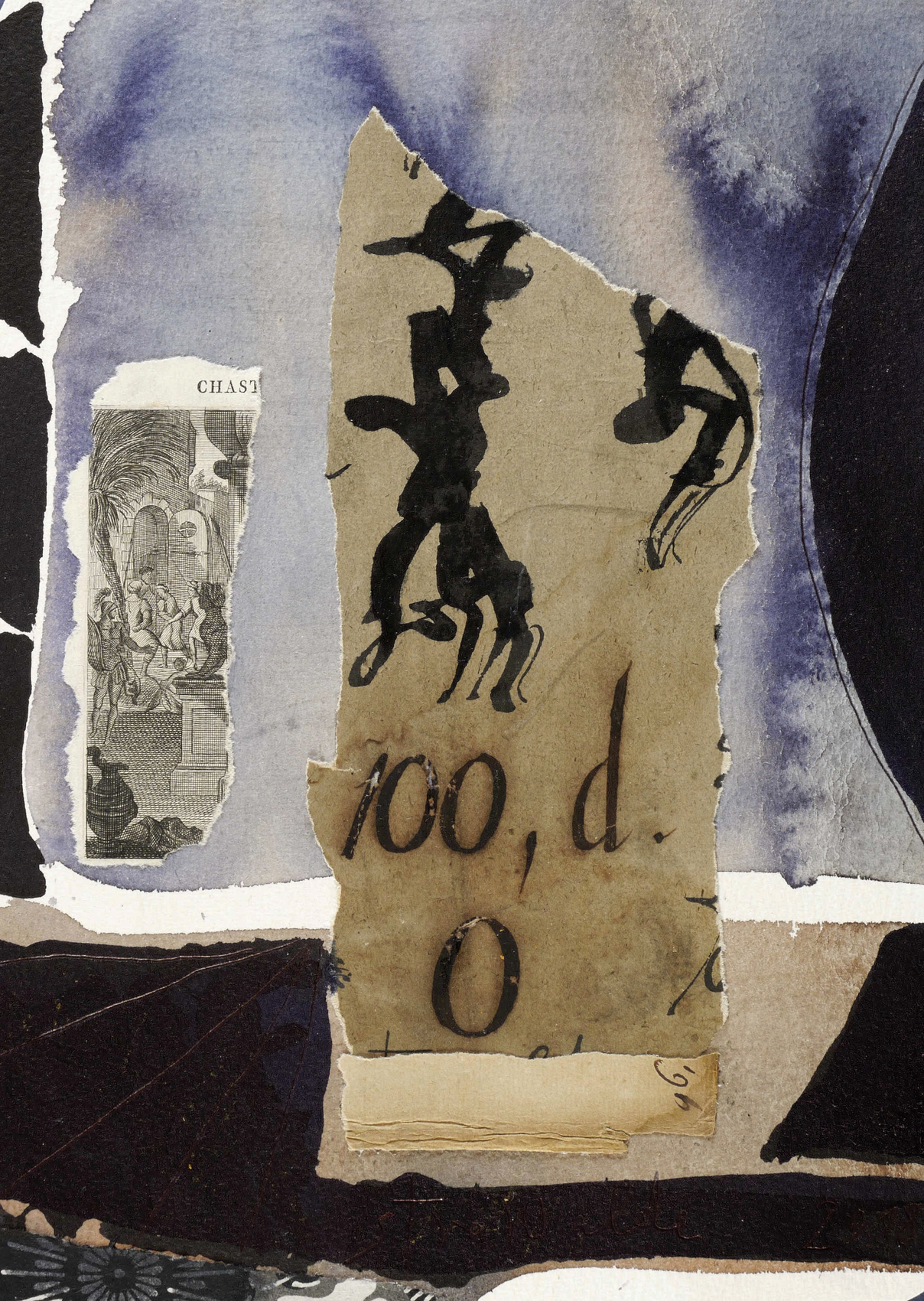
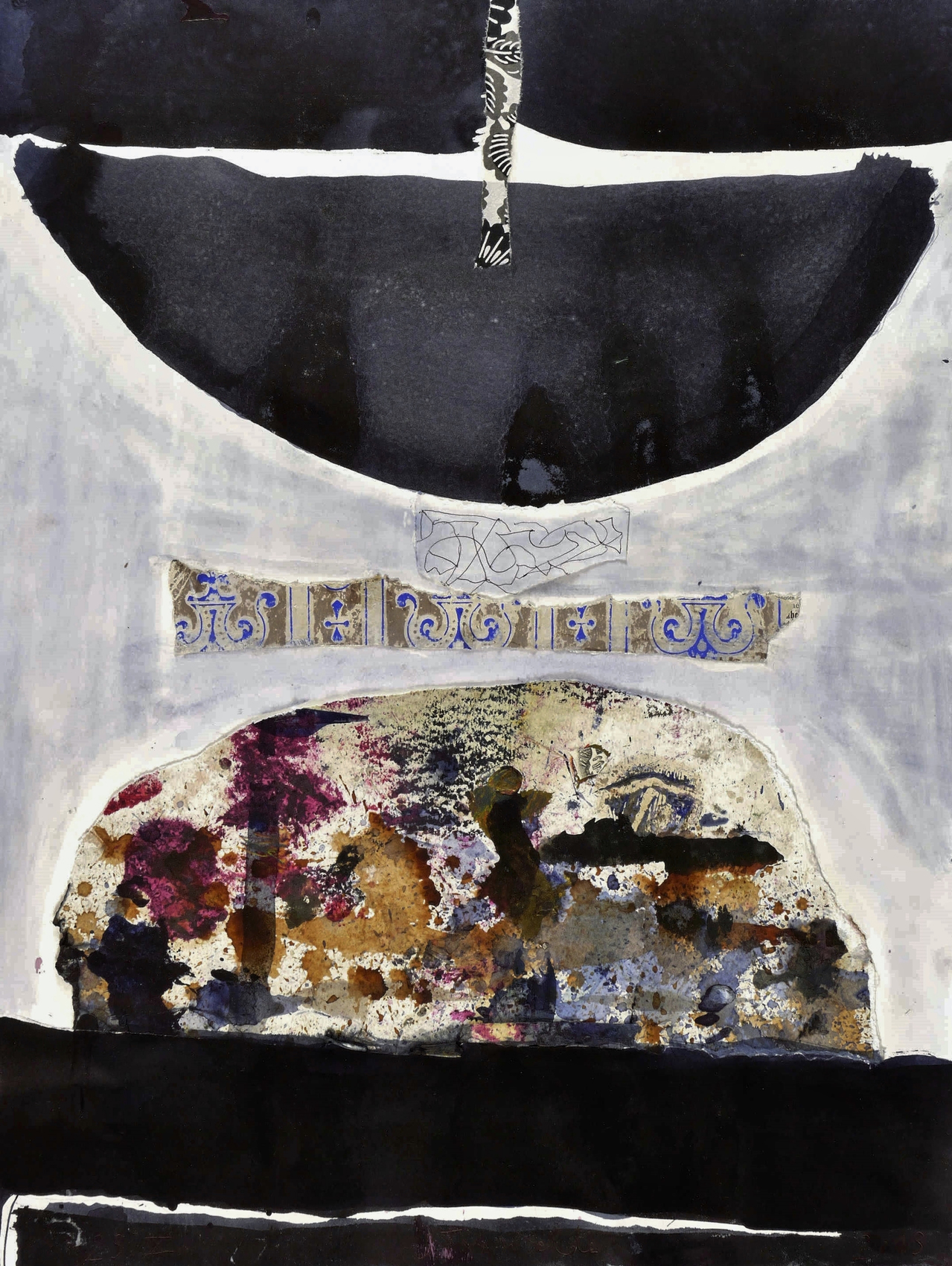
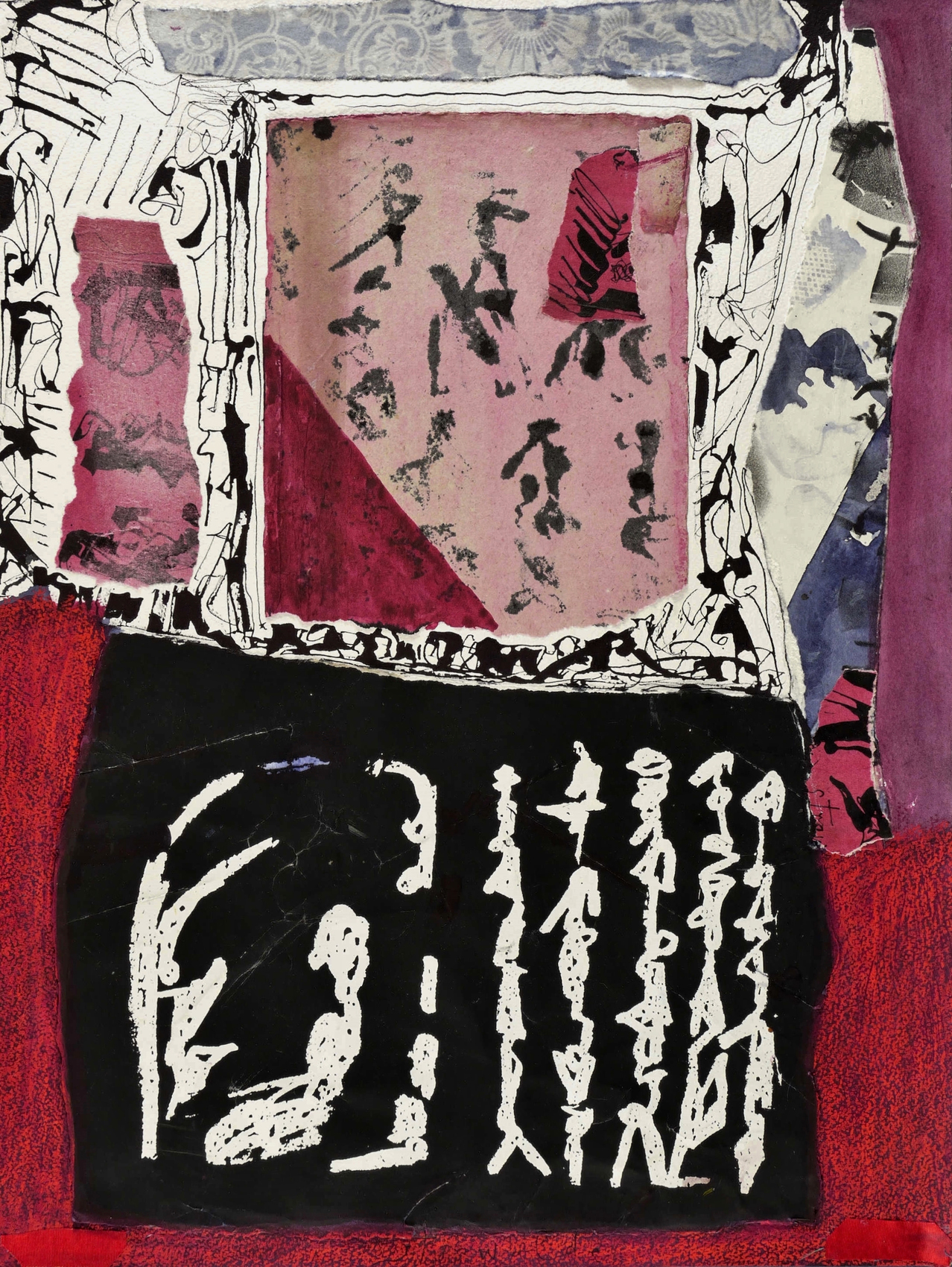
Jürgen Böttcher, who named himself after his hometown of Strahwalde in Upper Lusatia, created enchantingly sensual portraits of women as well as bold, symbolic abstractions. As a pioneer of GDR documentary film, he made over fifty films. Both in terms of content and form, his films are groundbreaking. Böttcher seeks for meaning in life and beauty in the everyday. In his DEFA documentary film »Drei von vielen« (Three of Many) (1961), he approaches young workers who have devoted themselves to art and an alternative way of life. The film, dedicated to his Dresden painter friends Peter Herrmann, Peter Graf and Peter Makolies, was immediately banned in the GDR. In addition to his work as a director, Strawalde has always drawn and, since the early 1990s, has been painting more intensively again. Independence and freedom characterise his work to this day. In his paintings, drawings, collages and assemblages, the figurative stands alongside the associative. What is striking is a playful moment, combined with an enthusiasm for materials such as Precious papers, tapestries, fabrics, calligraphy, sheet metal and porcelain. Collaged in a powerful and poetic visual language, Strawalde almost constructs his works as if they were film scenes. In this way, he achieves a concentrated Expression through the additive.