Introduction
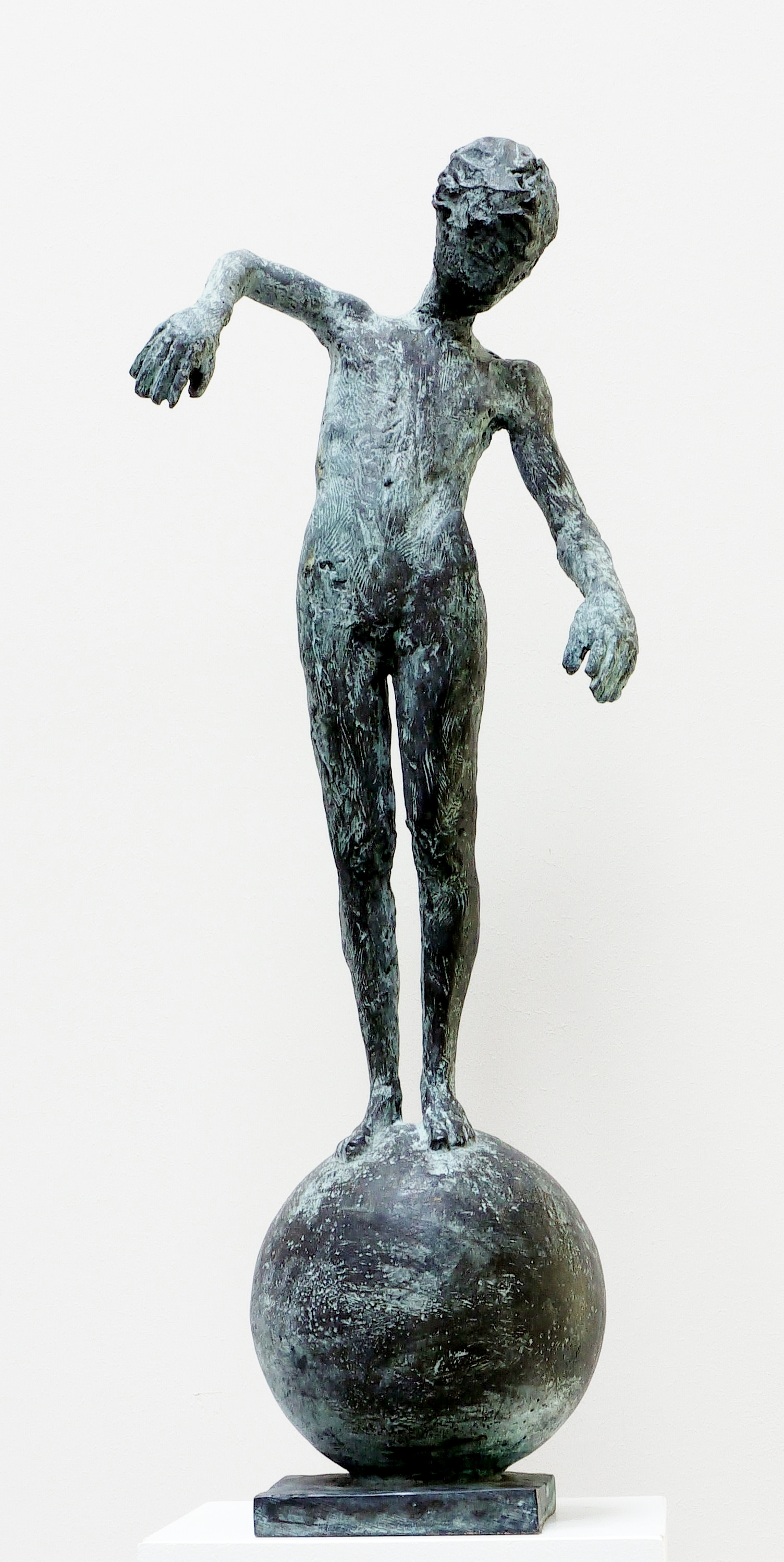
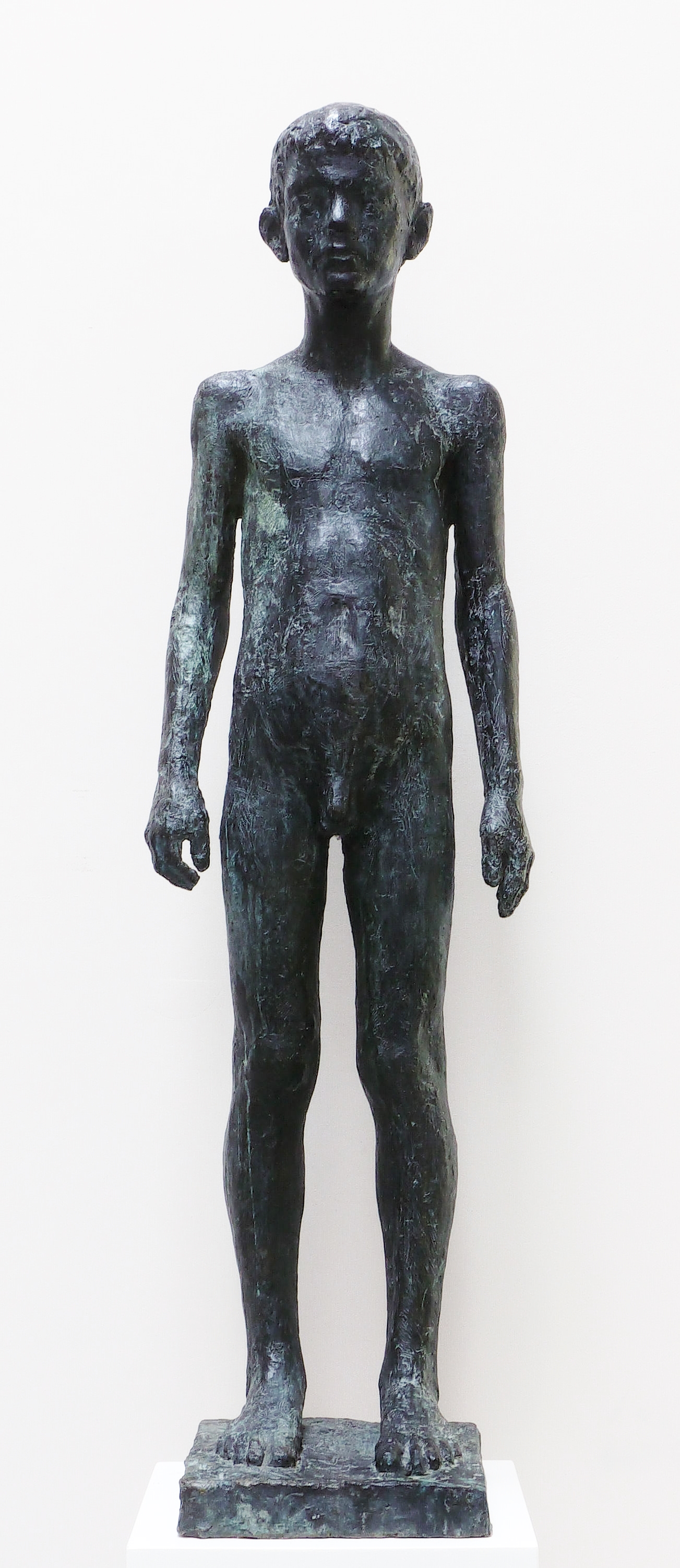
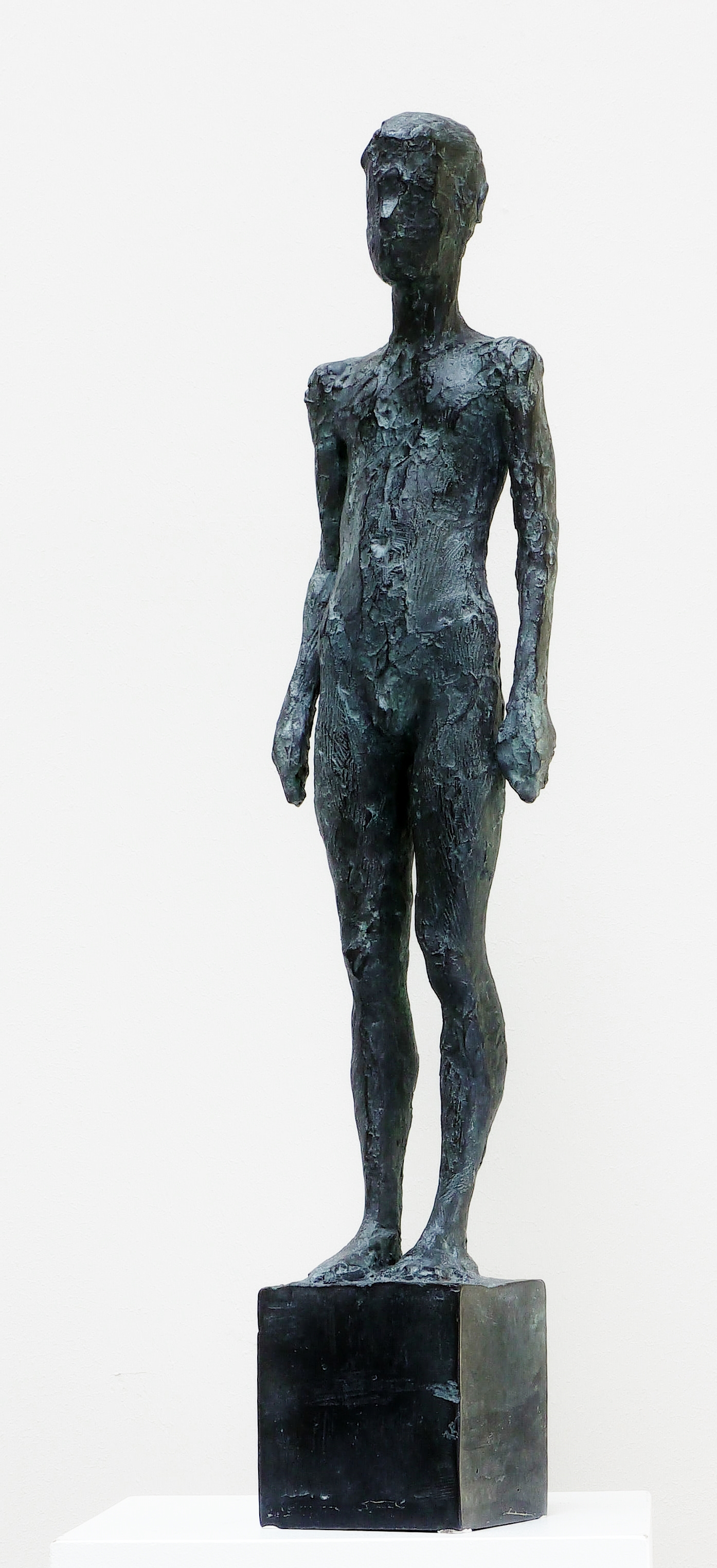
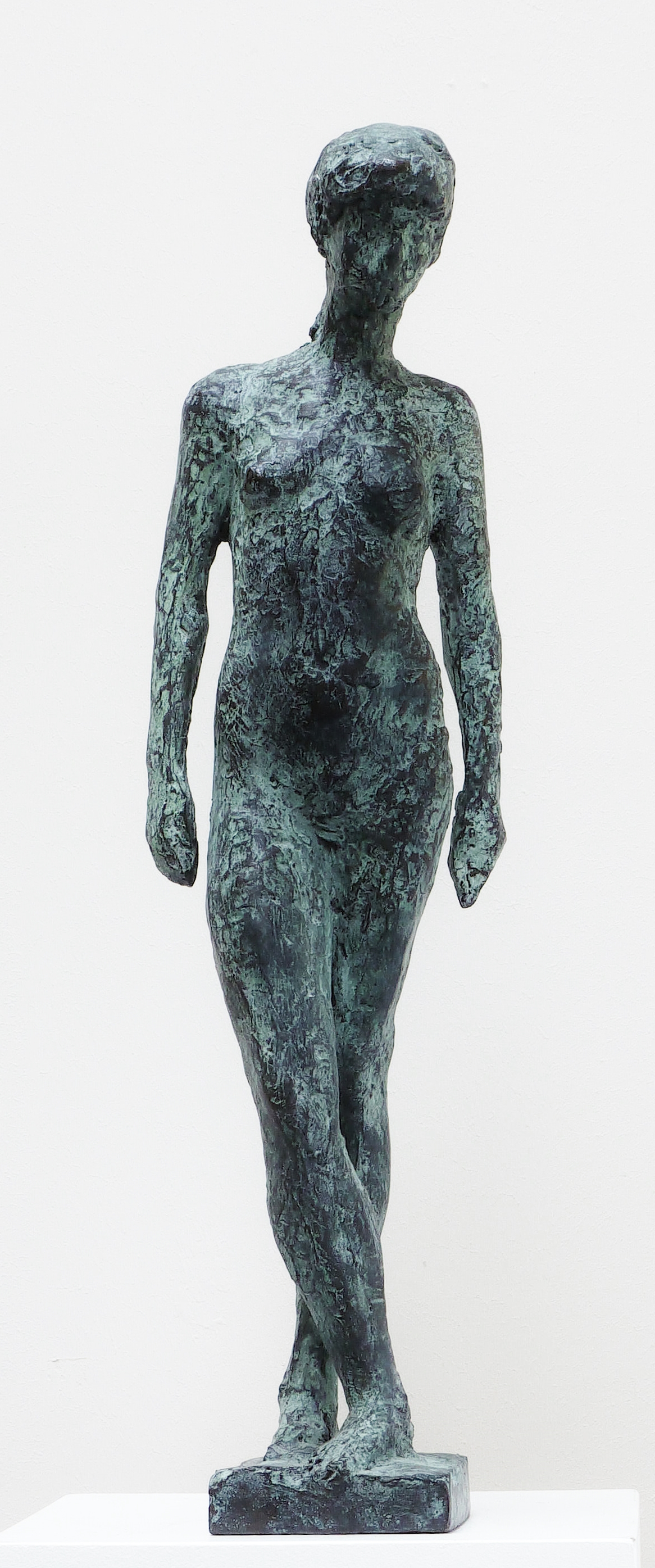
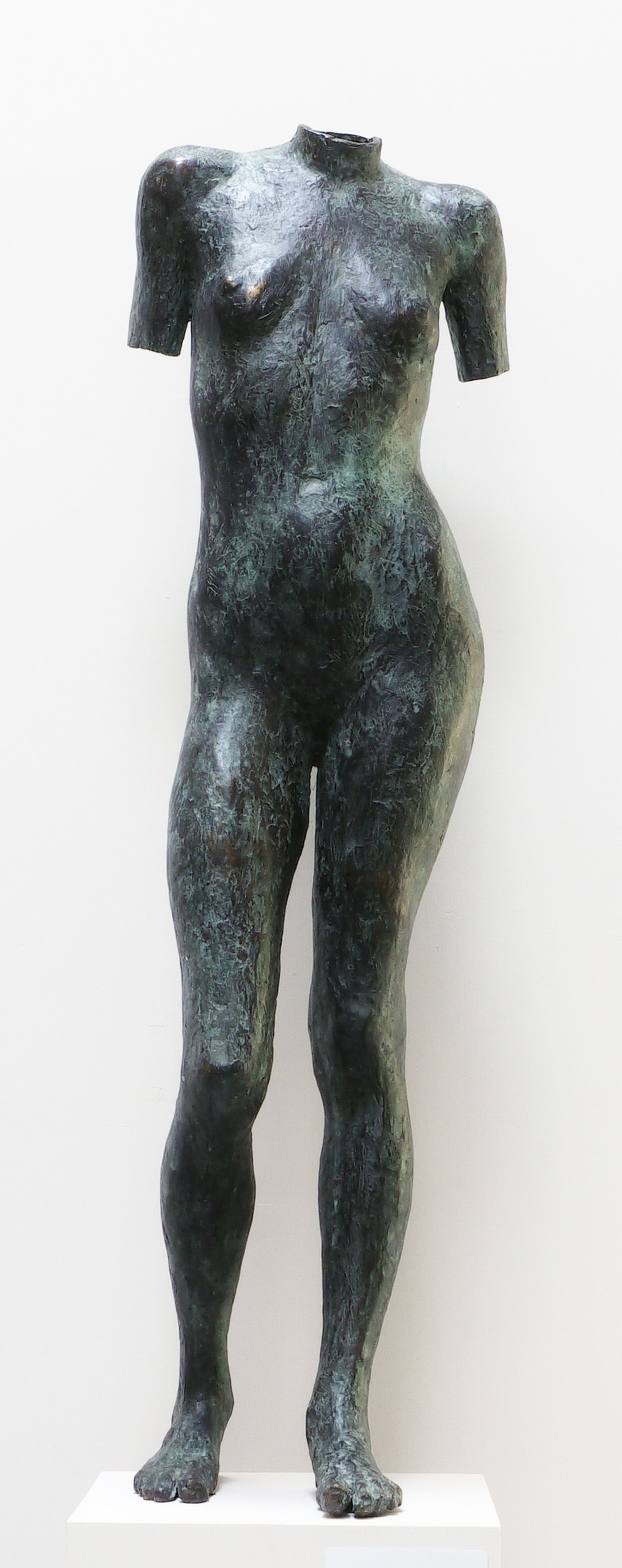
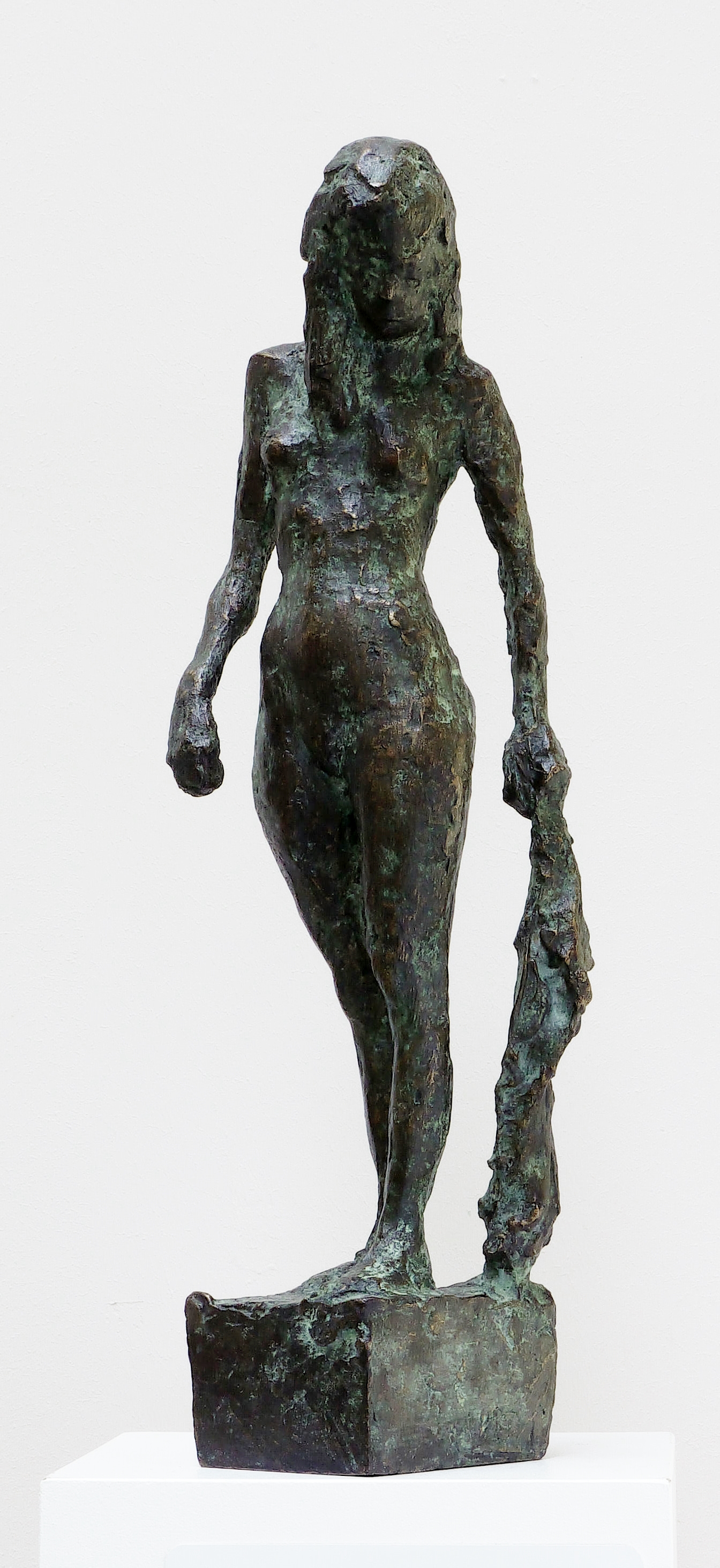
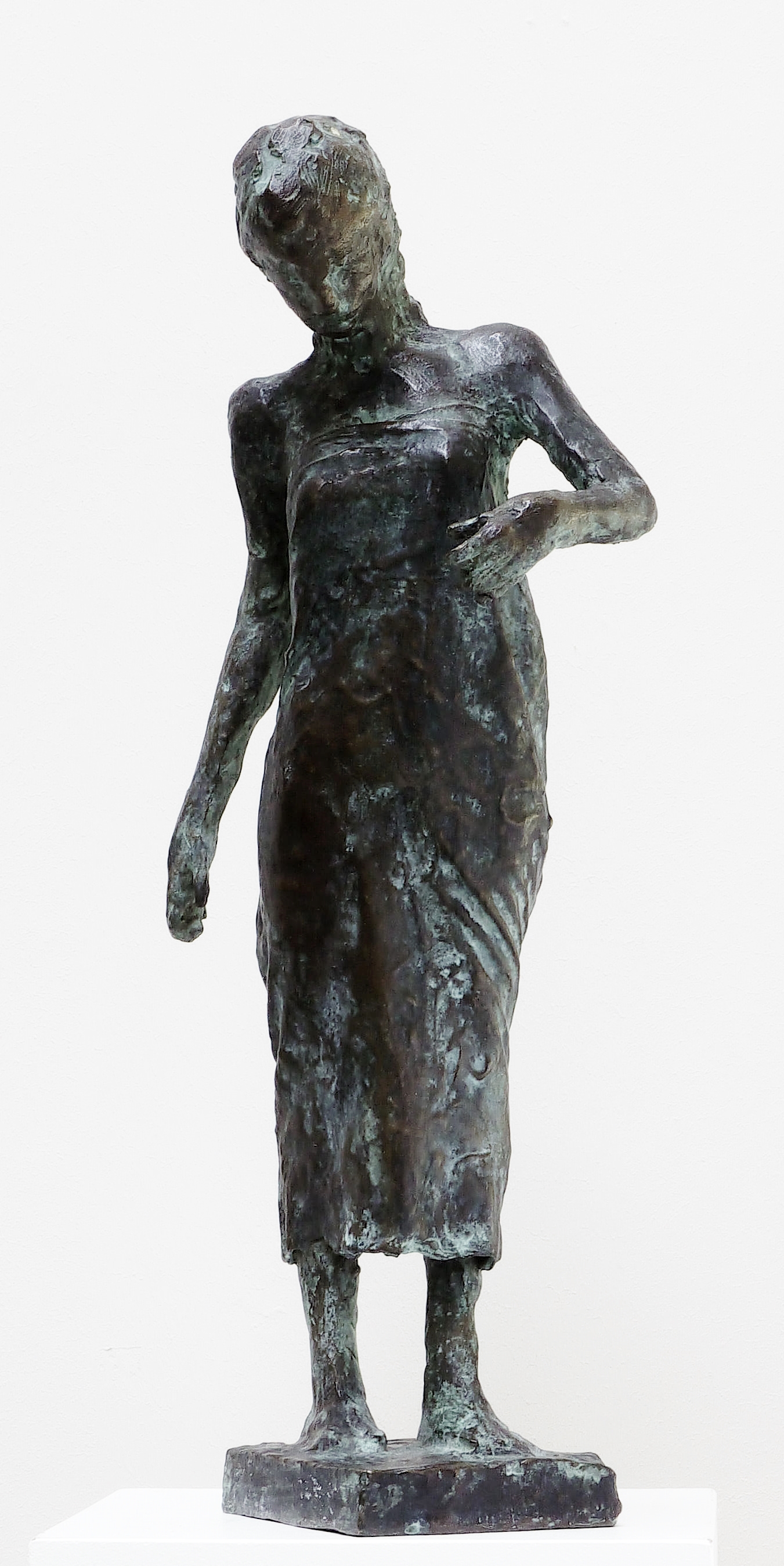
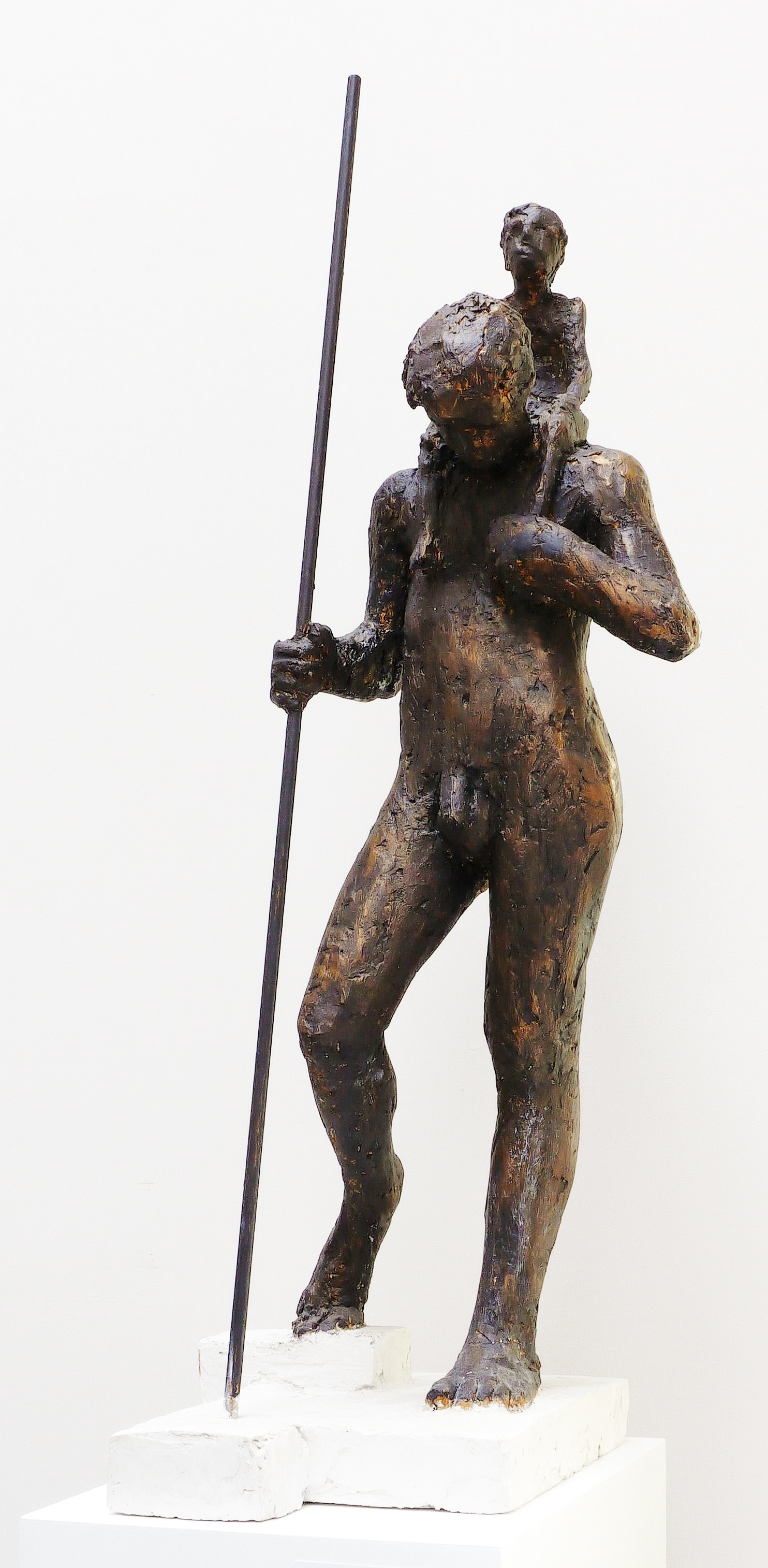
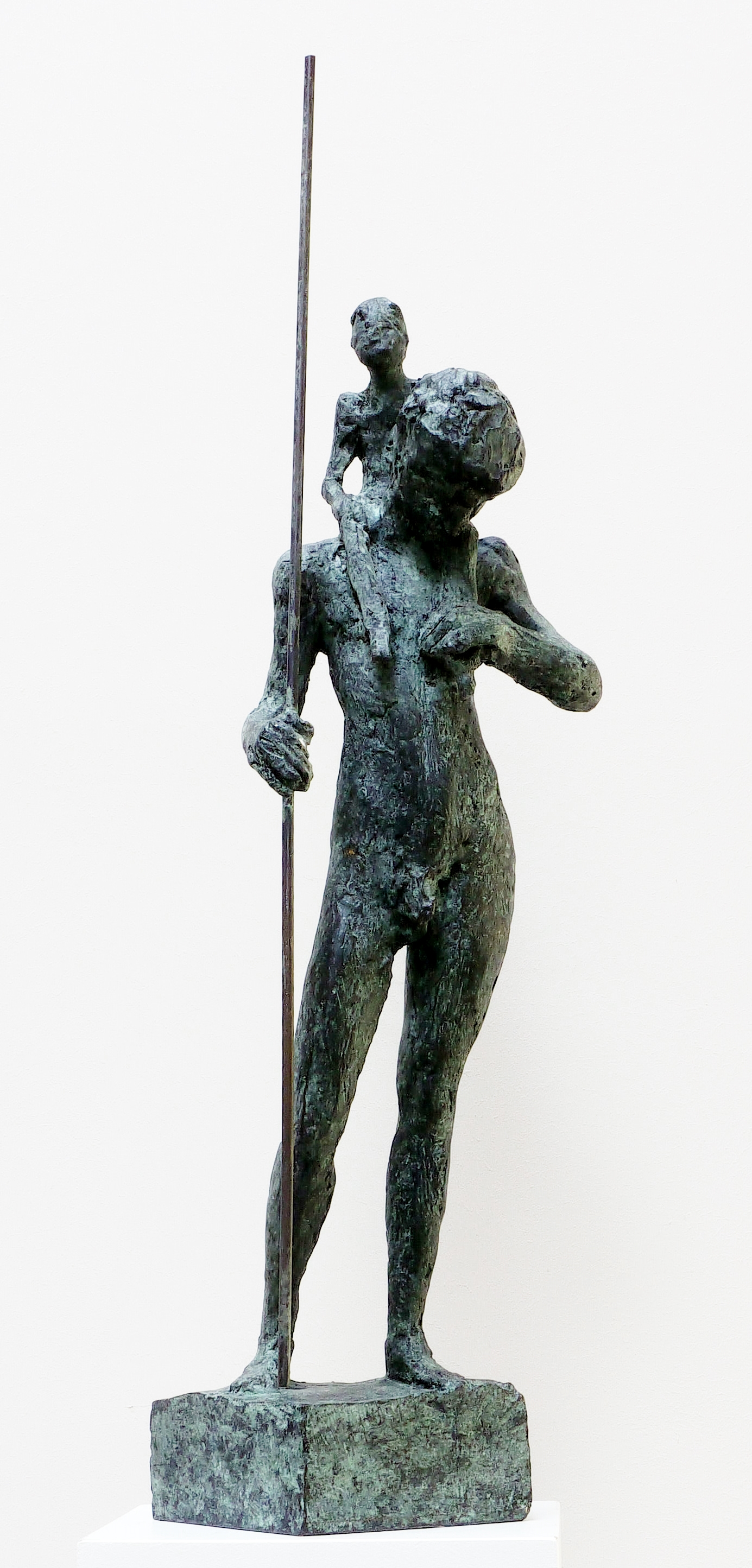
The central theme of sculptor Thomas Jastram's work is the human figure. His work strikes a balance between his own creative forms and tradition, between tectonic structure and movement, between figure and space, between the moment and eternity. His unmistakable signature style is the result of precise observation and fascination with his models, whether standing, walking, sitting or lying down, whether nude or clothed, as a statuette or life-size figure.
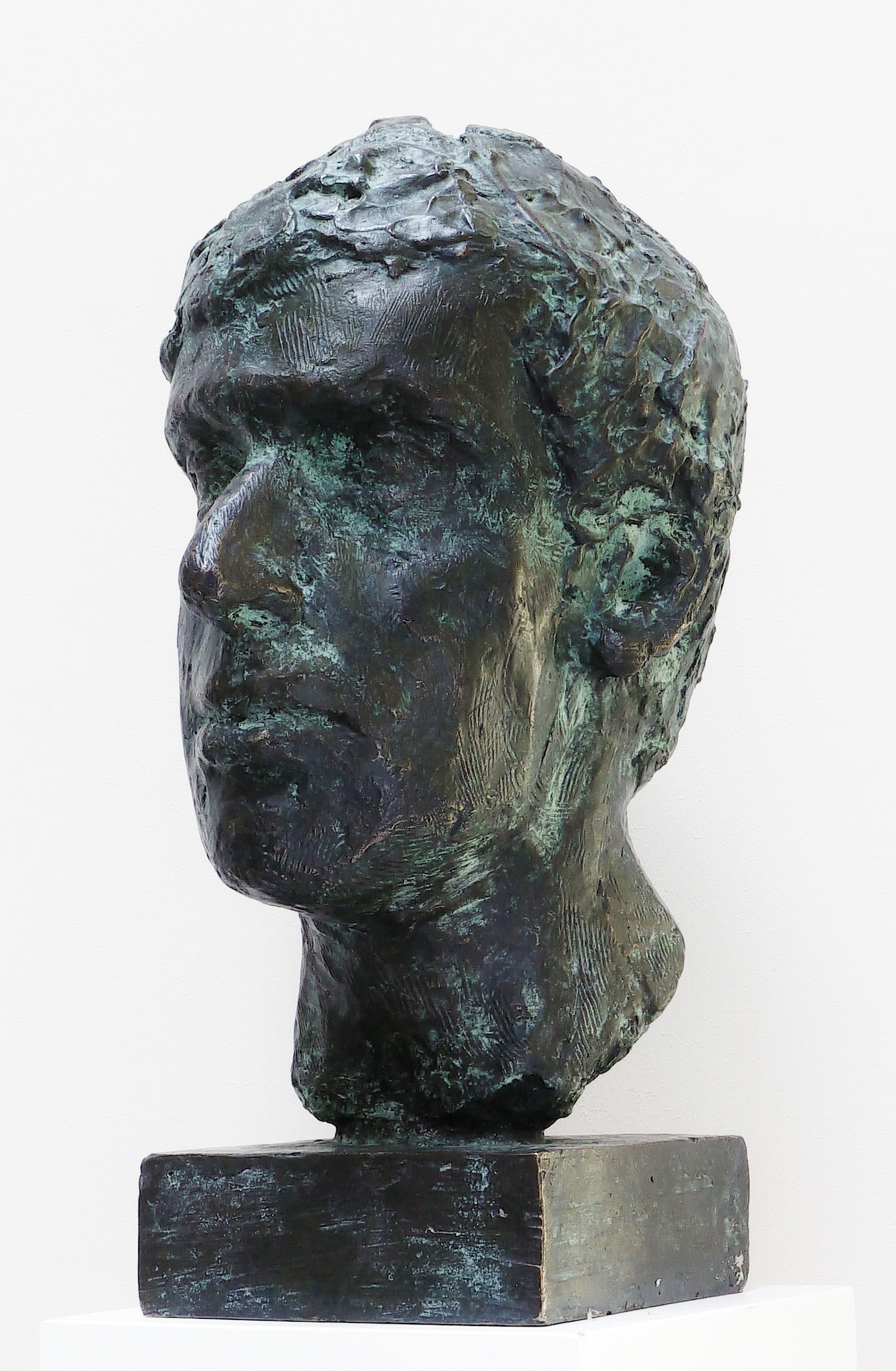
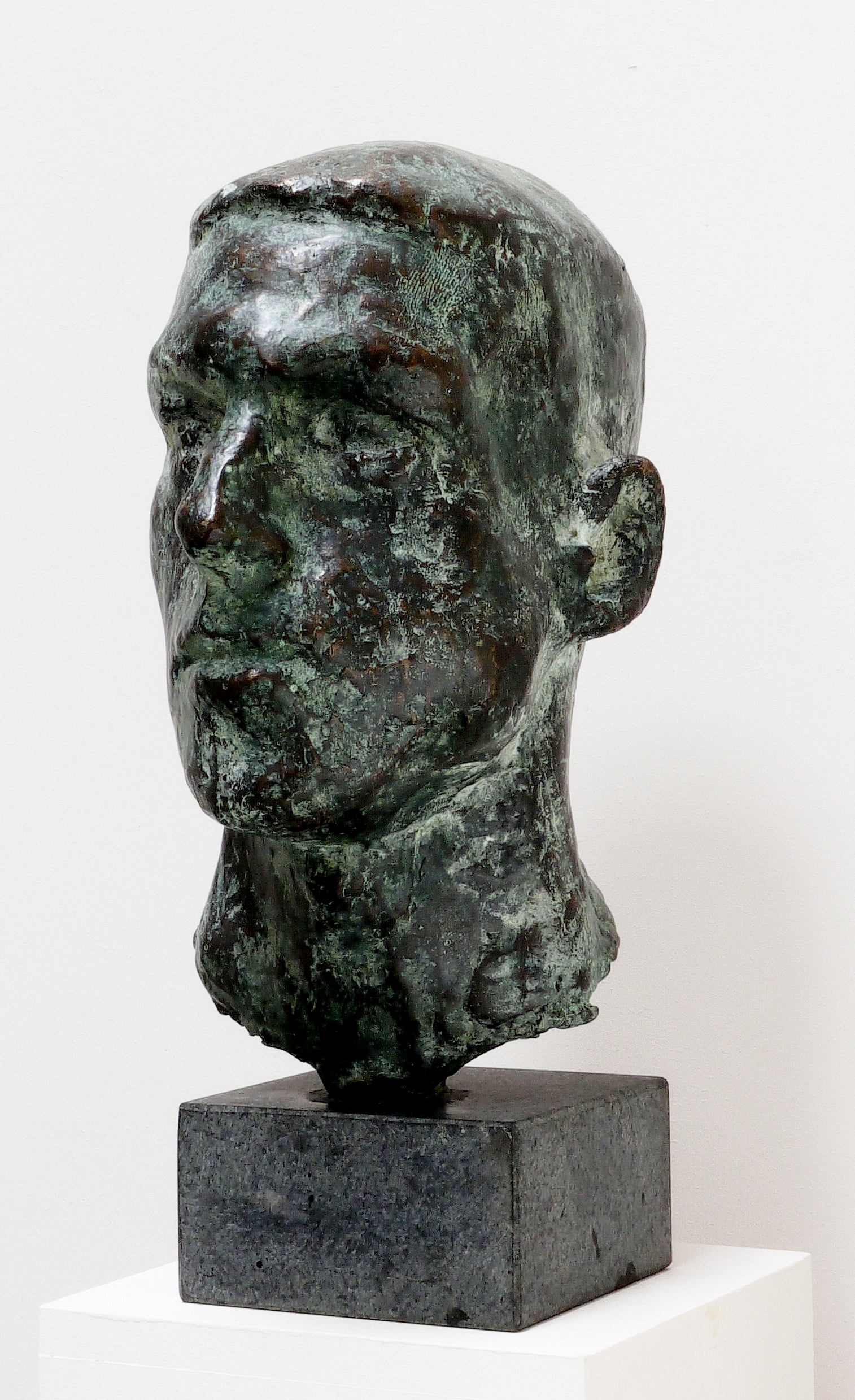
Jastram is a master of portraiture who, through careful exploration, strives to capture the essence of his subject. His teacher at the Dresden Art Academy, the sculptor Helmut Heinze, described his student's approach as follows: »When creating a portrait, he first sought the similarity of volume in the composition; he always went for the whole, seeking the overall sculptural form, and only then the details, the small features such as the nose, mouth and eyes. For him, the form is almost already contained in the volume of the particular head.«
Thomas Jastram works calmly, »so as not,« as he says, »to increase life from plastic.« With his portraits, he succeeds in creating extraordinary images of people that lie between abstraction and individuality. Small to medium-sized bronze statuettes depict people in seemingly elementary postures and gestures, sometimes appearing erotic and cheerful, sometimes pensive and fragile or seized by a mild melancholy. The figures are devoid of pathos and their emotions are restrained. Concrete facial features that might suggest portraiture are largely dissolved. The sculptor is concerned with exploring the expressive possibilities of the figure, with individual variations, without disregarding the laws of the human body. A significant body of work consists of life-size bronze sculptures created for public spaces. Monumental works can be found in Rostock, Schwerin, Neubrandenburg and Binz. In the group of figures ‘Pieta’ (2010), a memorial to the victims of Nazi military justice in Torgau, Jastram approaches the political monument in a sensitive manner. A dead man laid out in state and a standing mourner represent the victims of fascist terror and their bereaved families. The standing position of the living emphasises, as a formal contrast, the horizontal stretching of the dead man. But their restrained gestures formulate an oppressively silent interpretation of violence in dictatorships.
For the bronze sculpture ‘Großer Reiter’ (Great Horseman, 1996), which now stands on the German-Polish border in Pomellen, Thomas Jastram brought the horse Casio into his studio. Jastram needed an objectifying counterpart to reality, concluded art historian Diether Schmidt. For him, a precise model study is a prerequisite for understanding the order of nature, from which individual wonders can then be carved out, accentuated and varied. The lively effect of the figures is supported by a finely differentiated, partly rugged, almost vibrant surface modelling, which brings out the interplay of light and shadow on the bronze skin to a particular degree.