Introduction
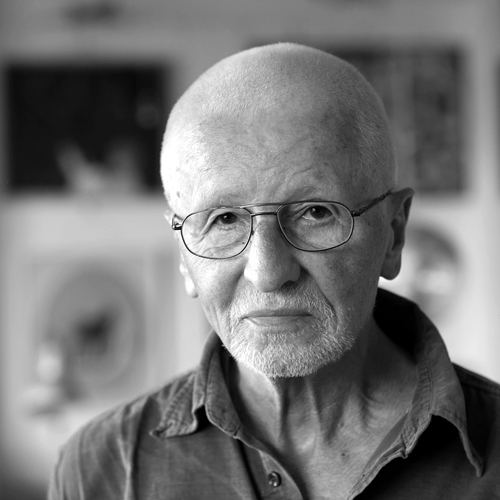
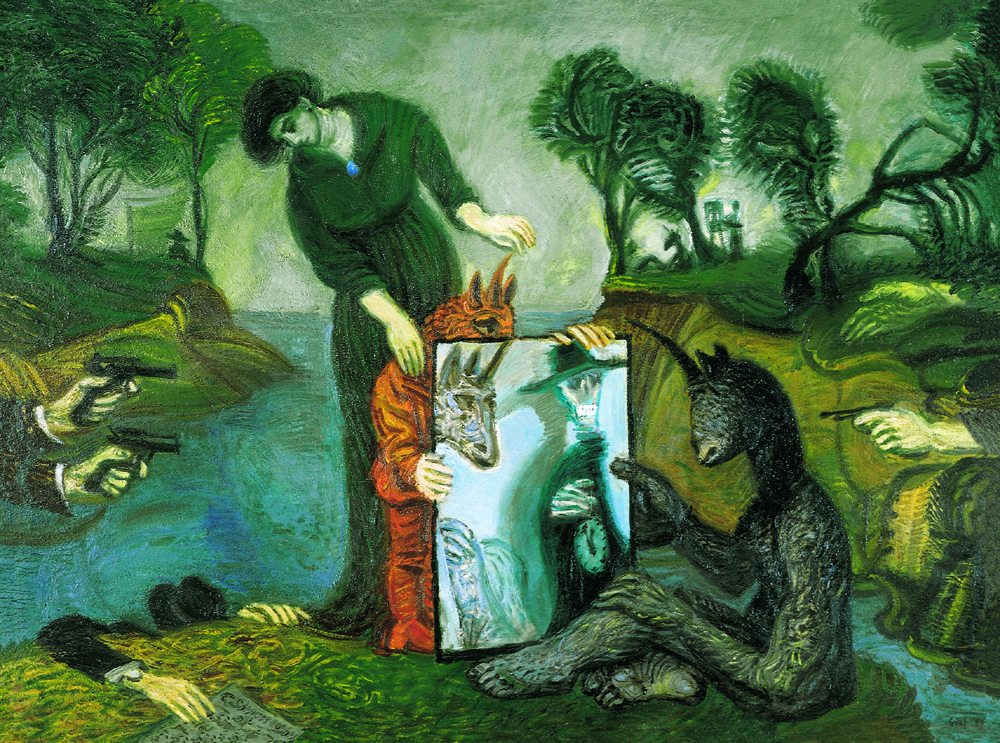
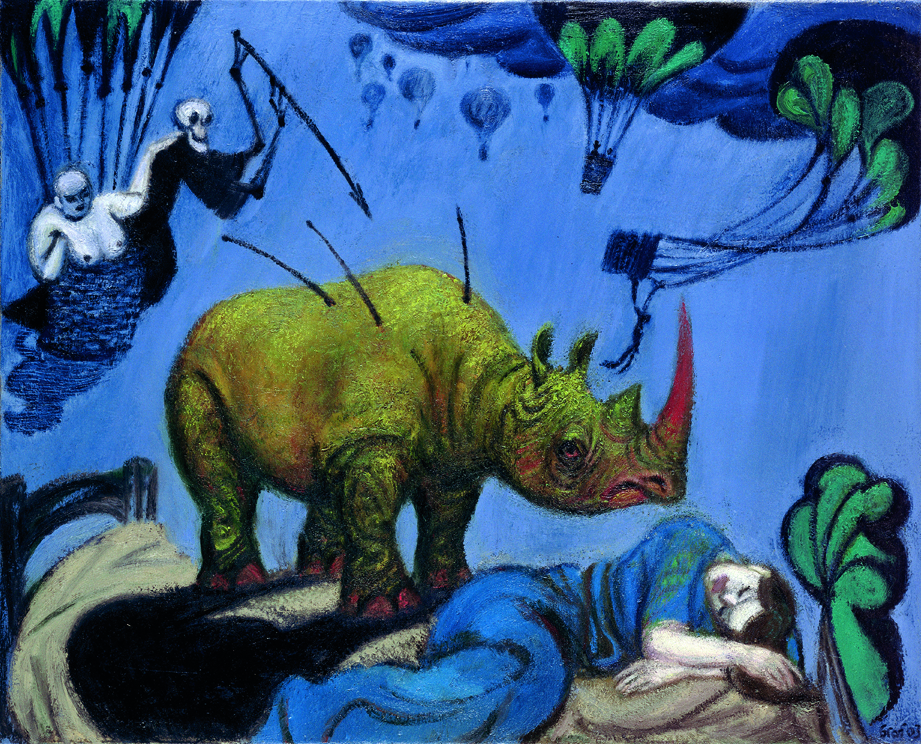
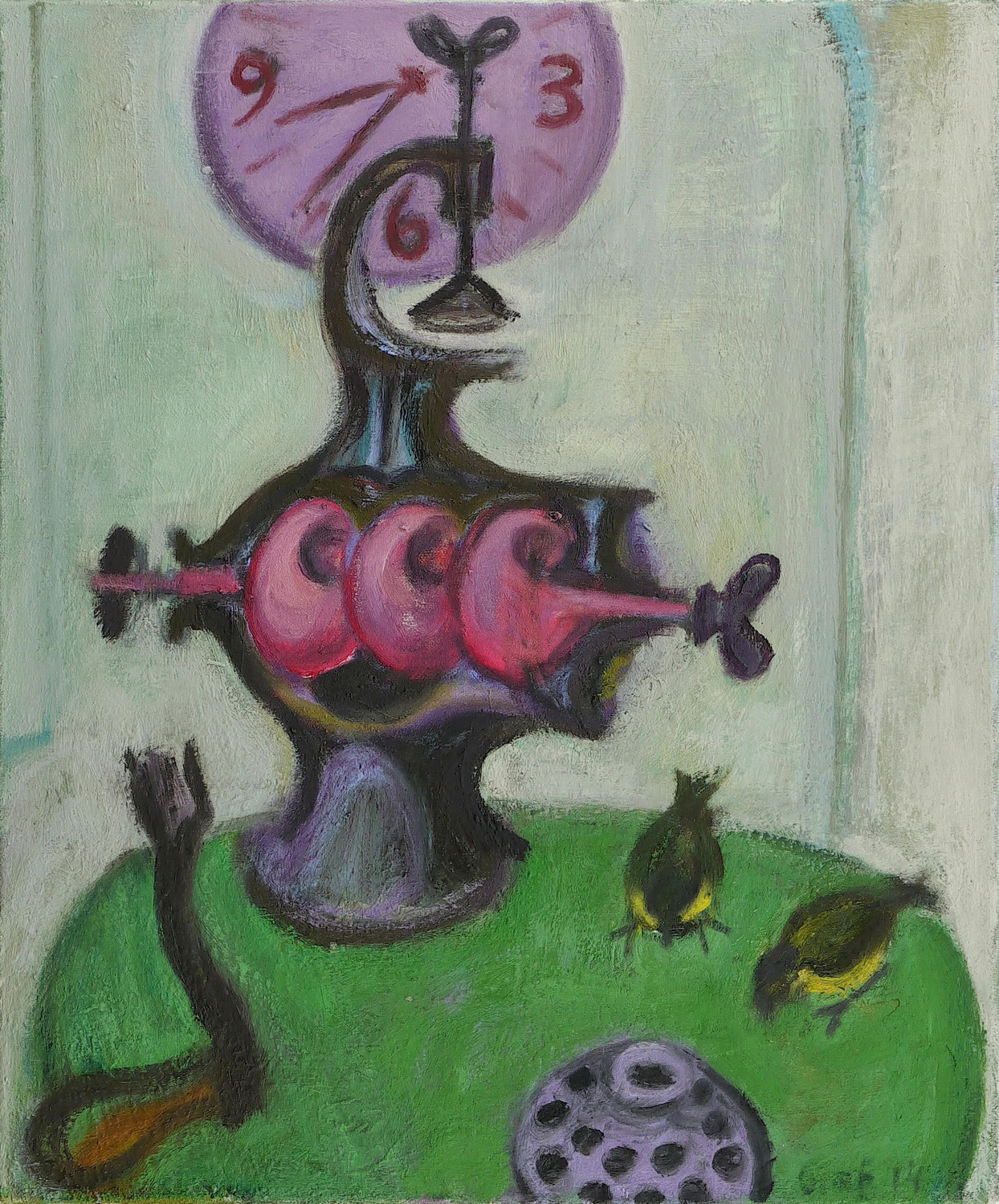
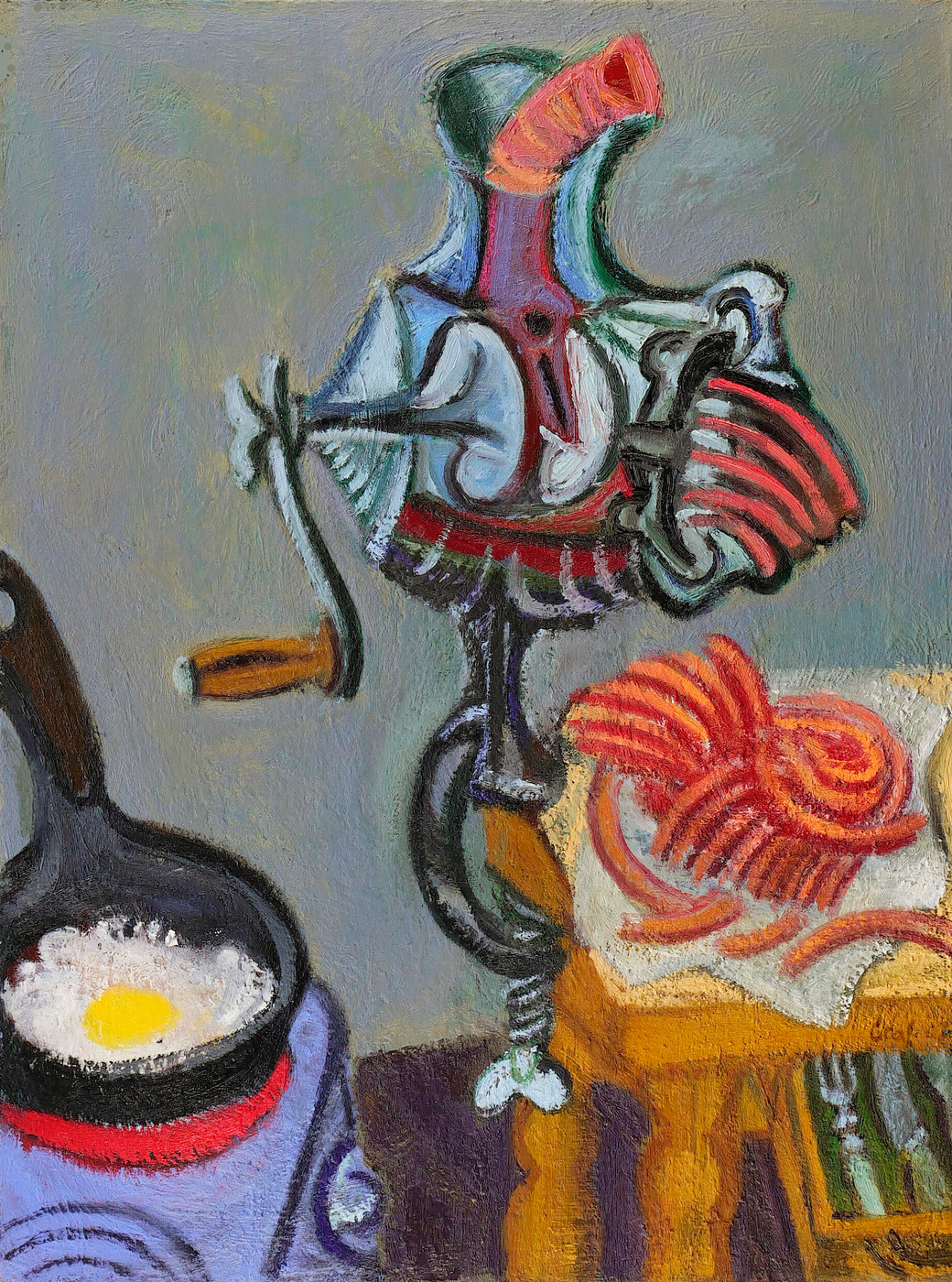
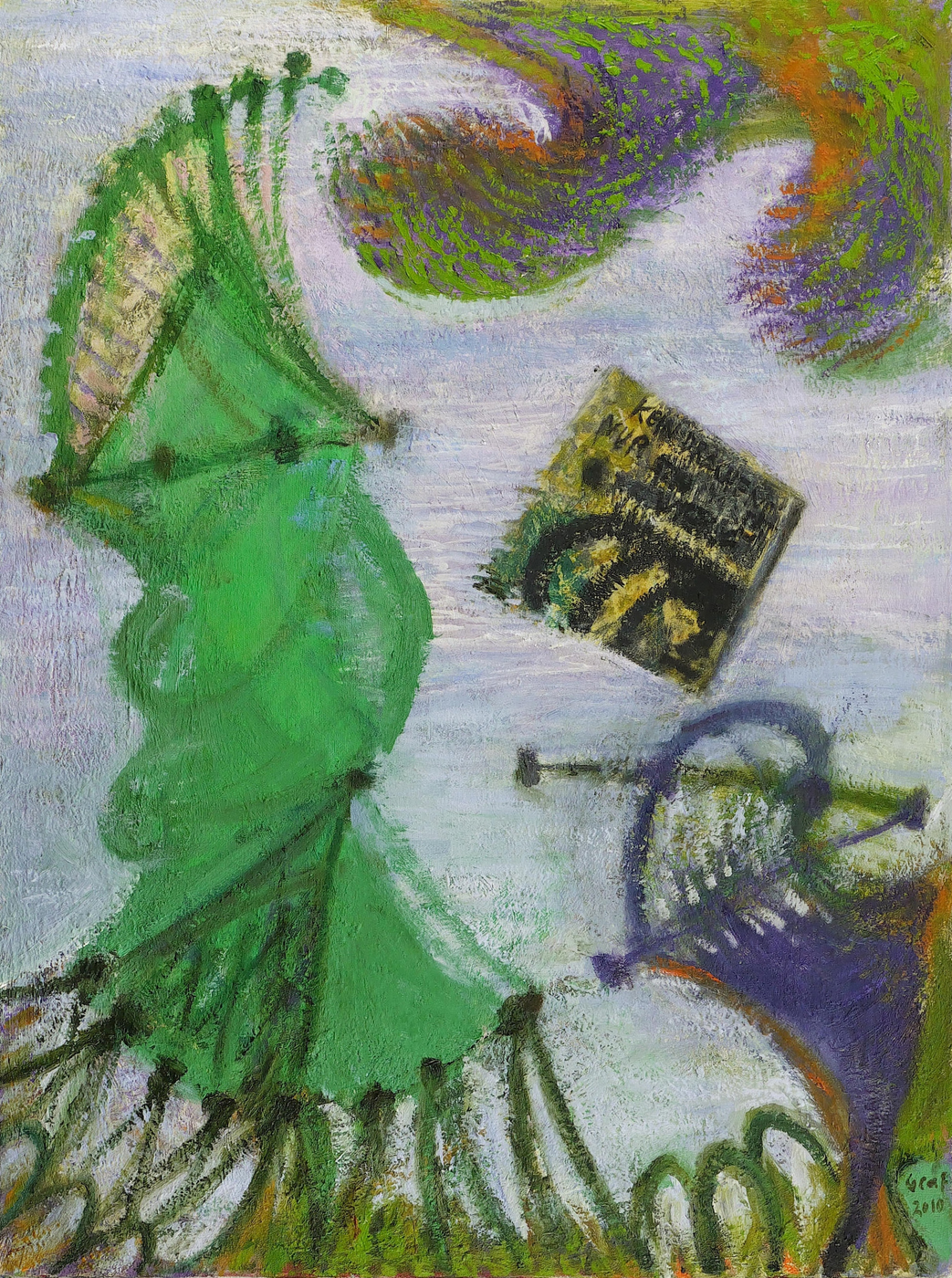
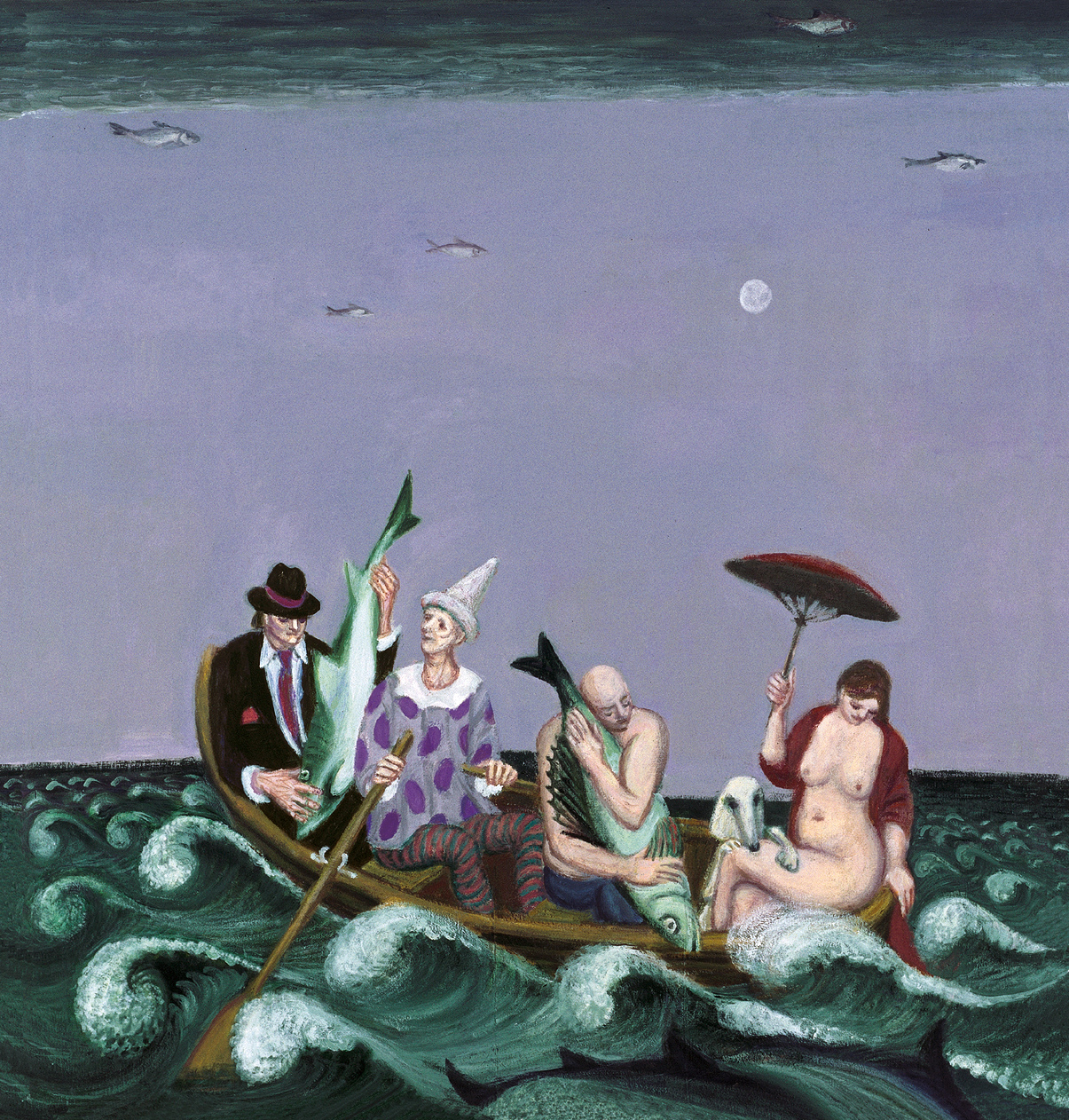
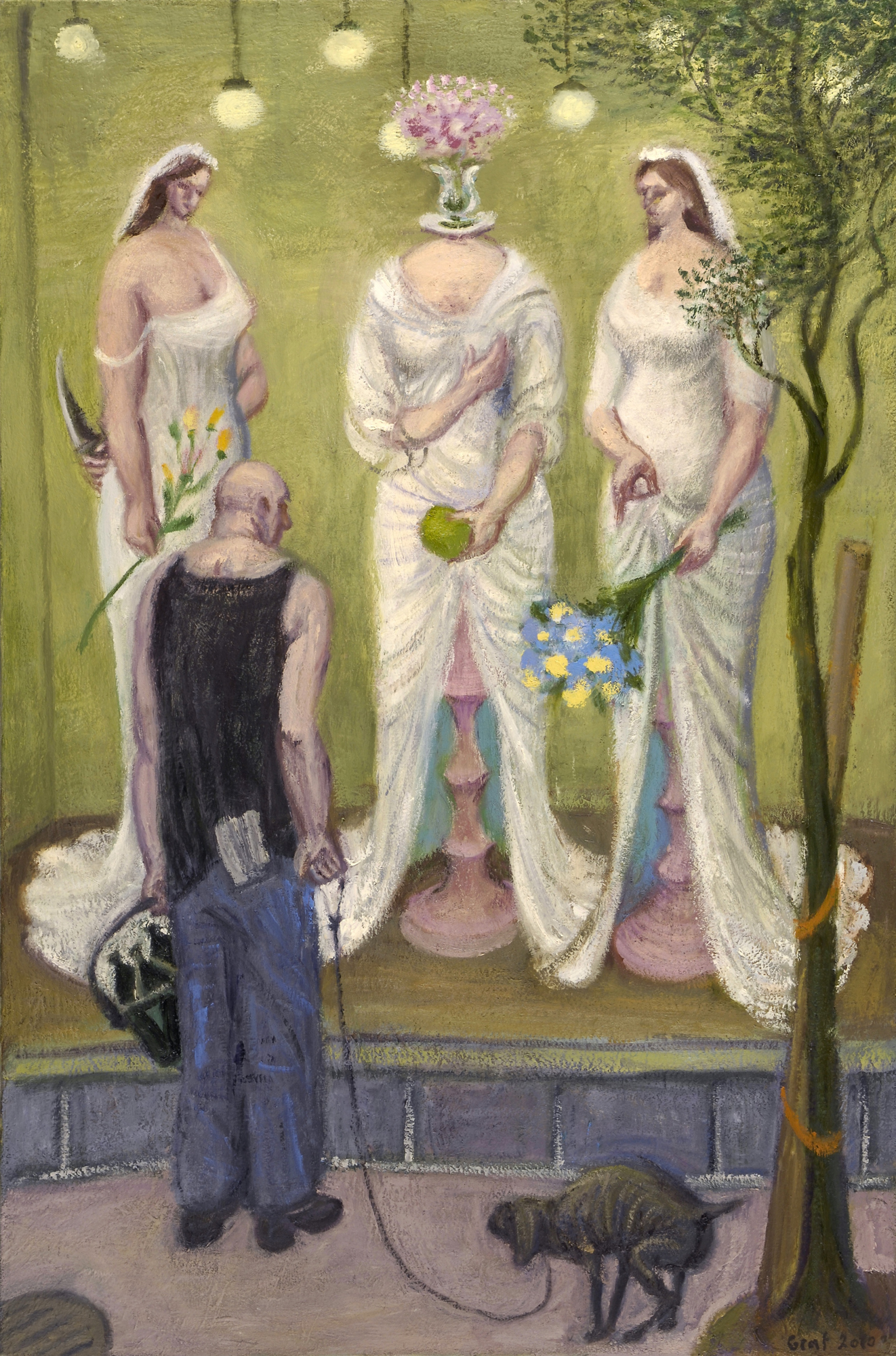
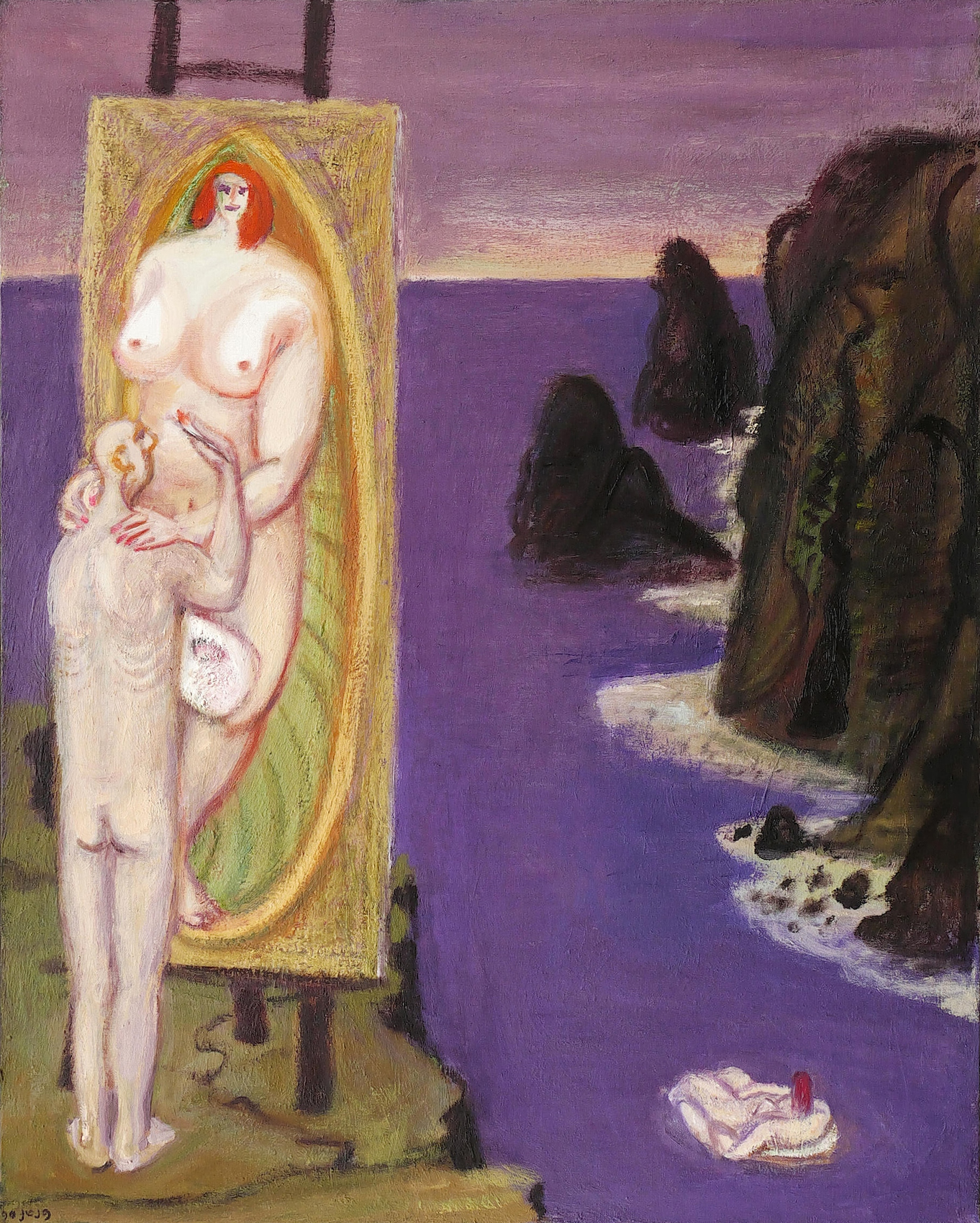
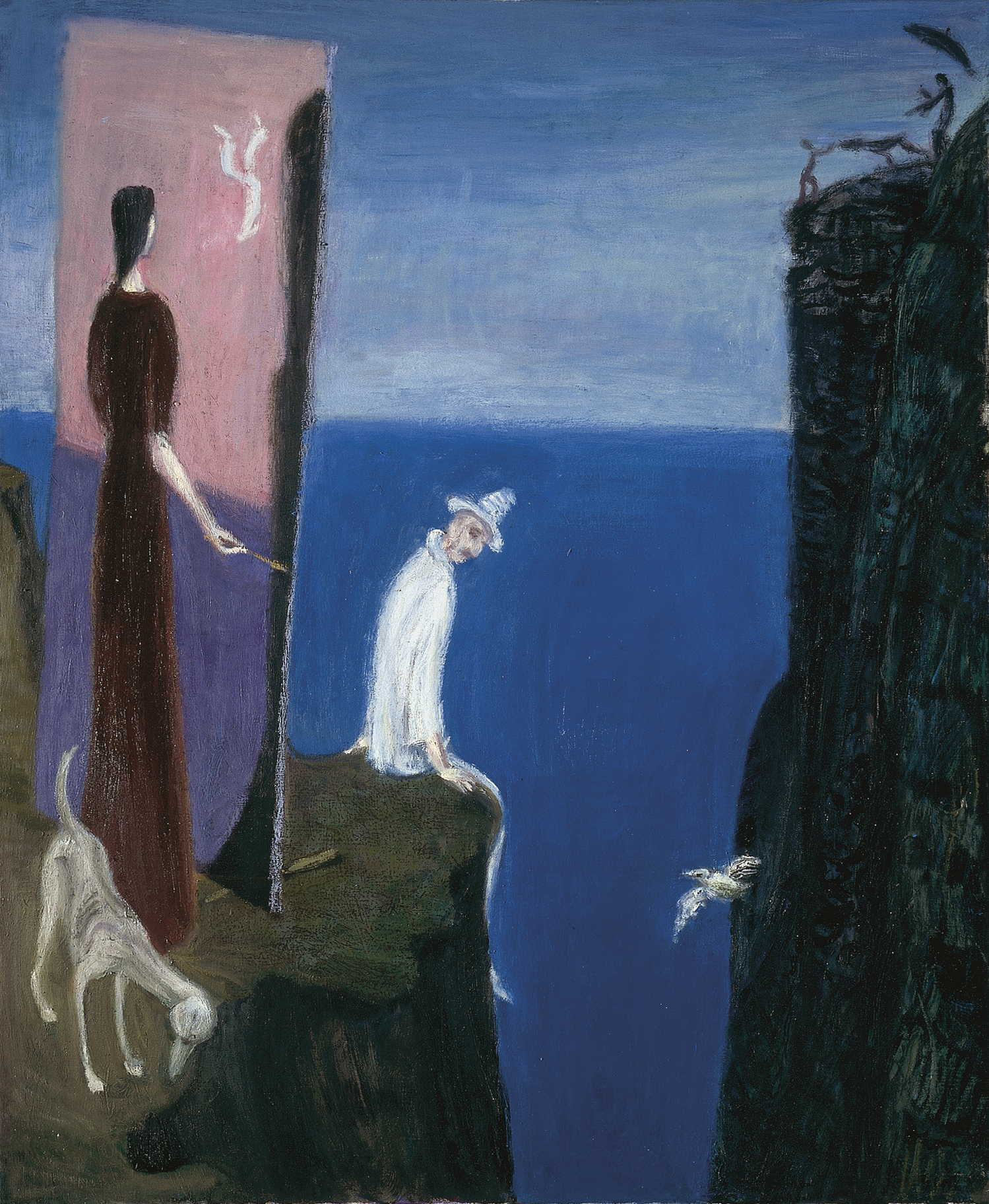
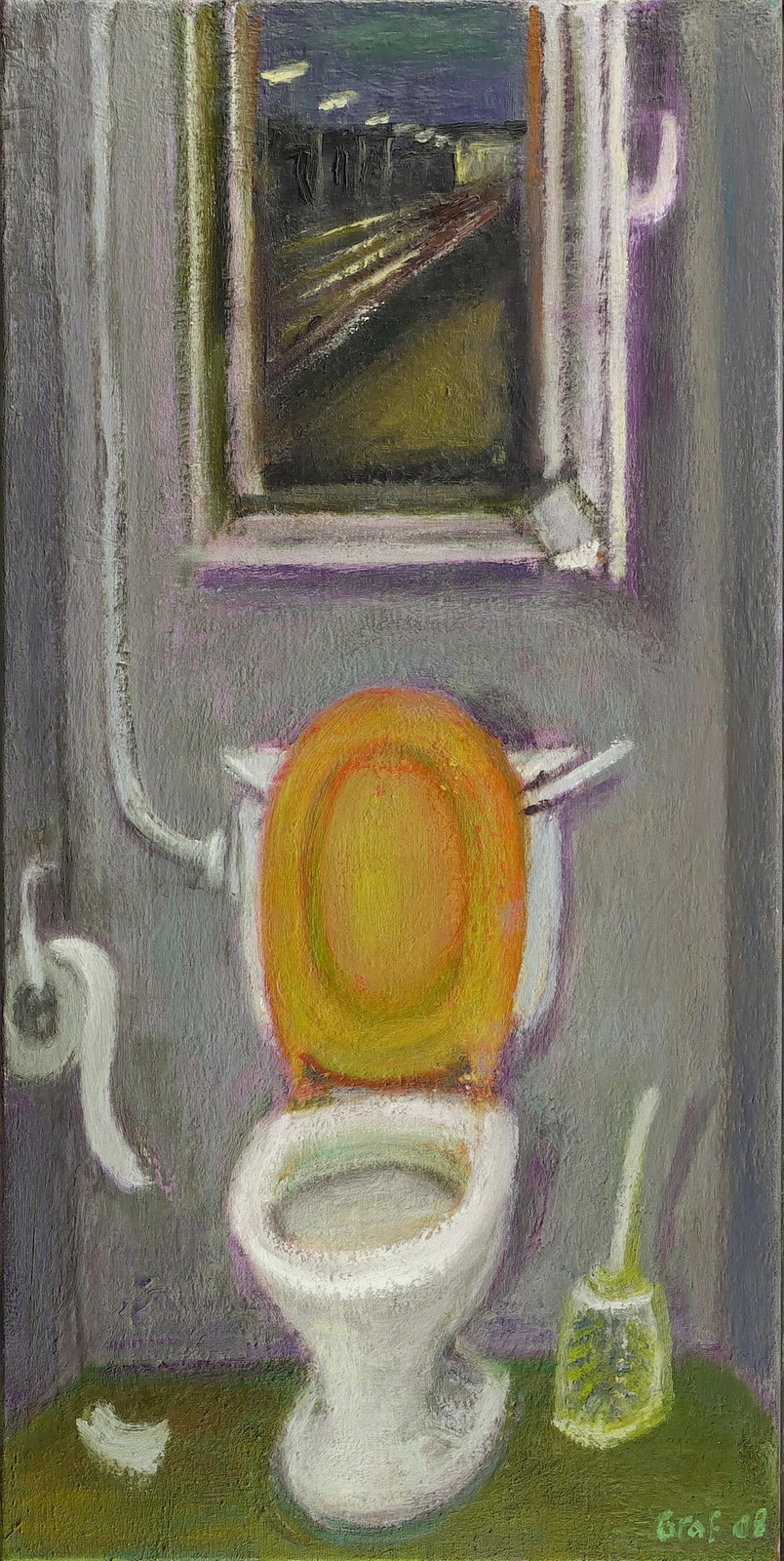
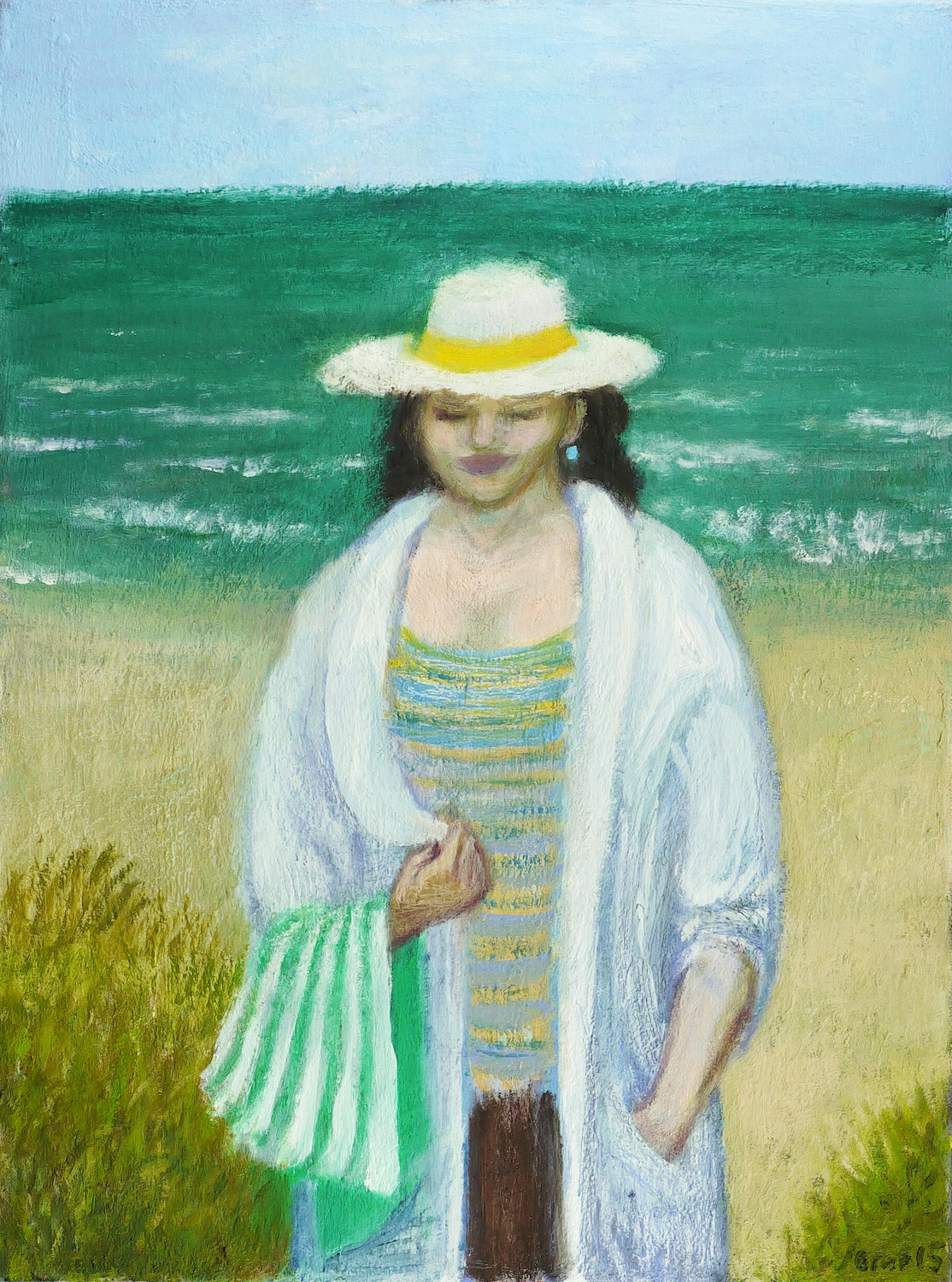
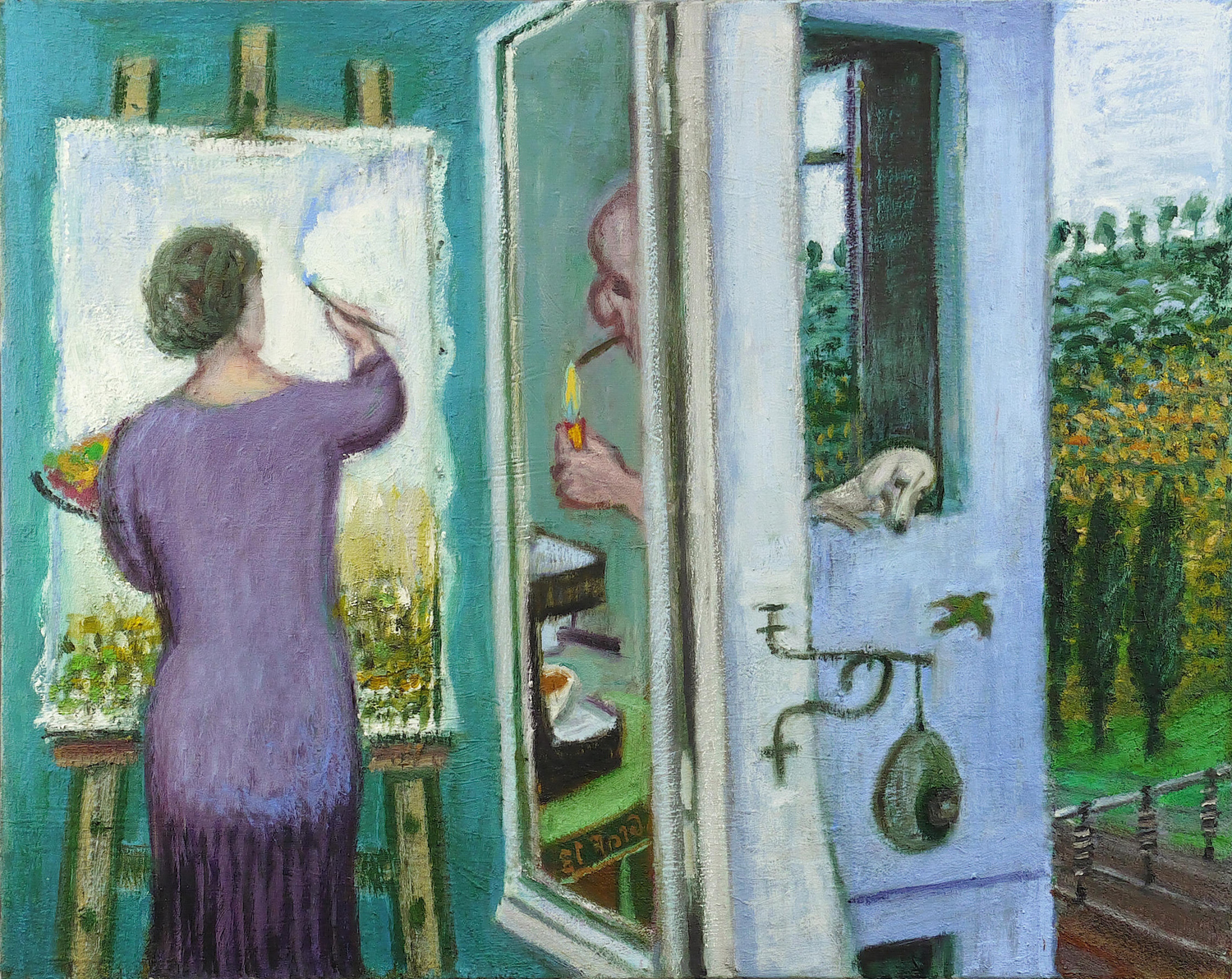
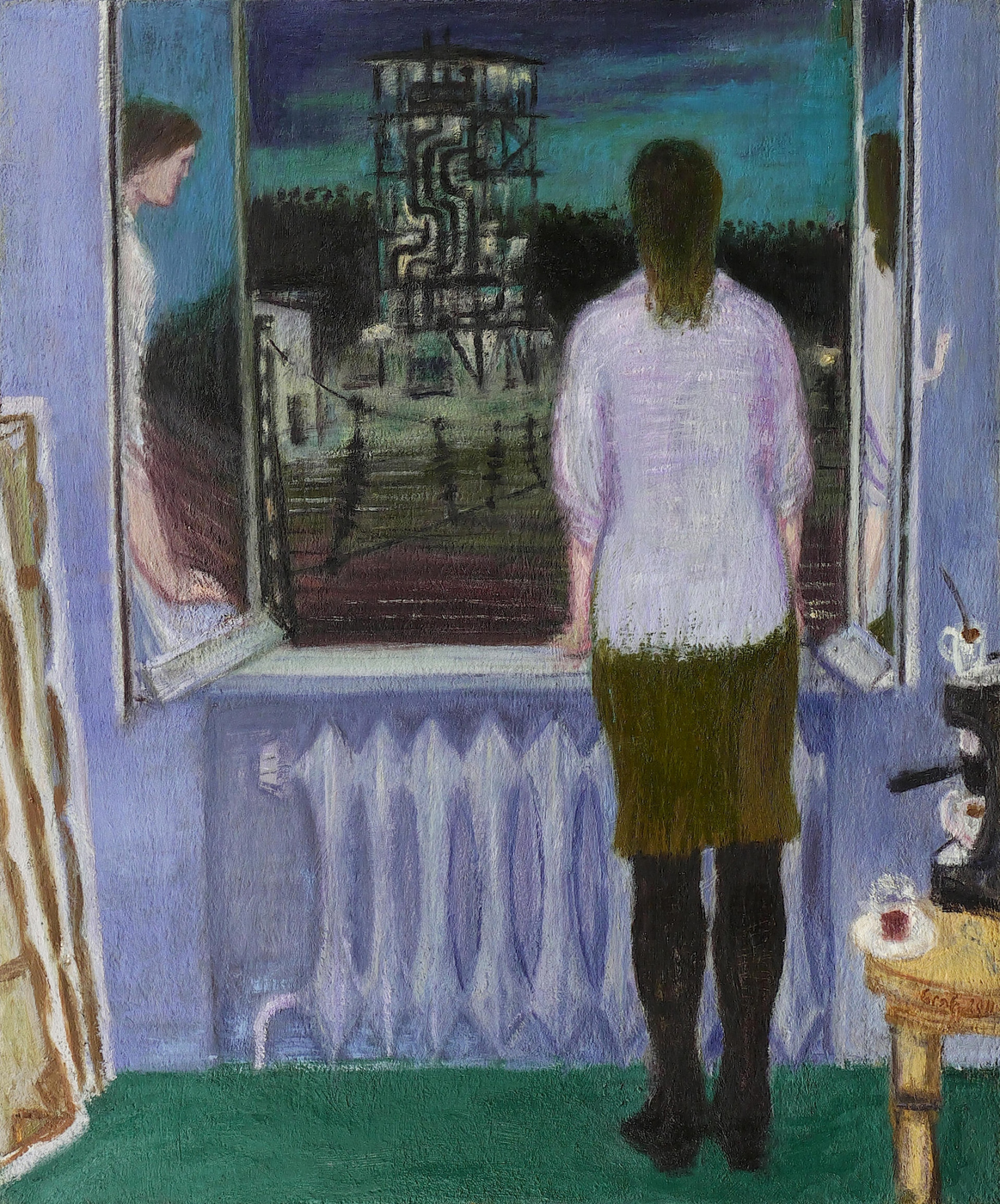
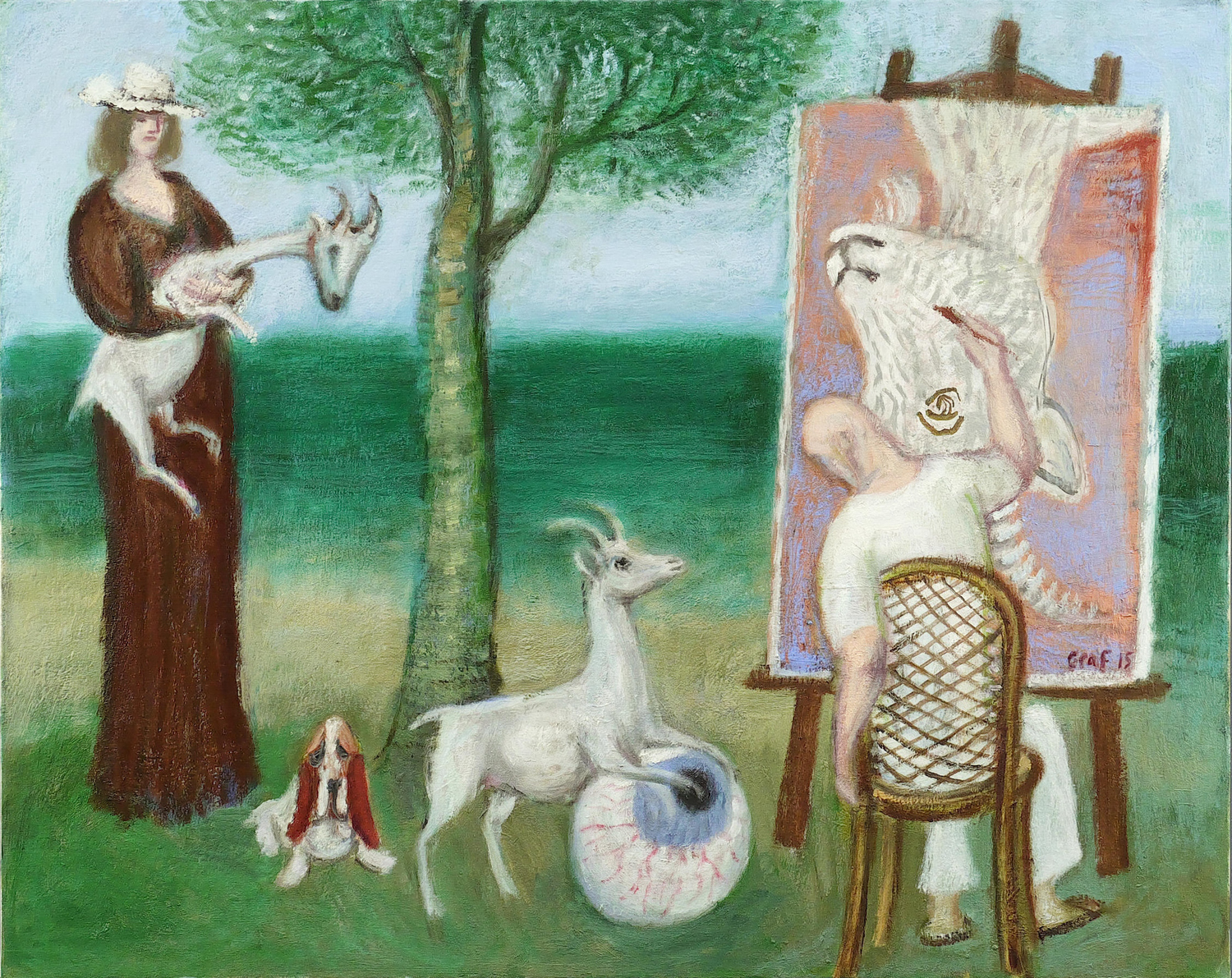
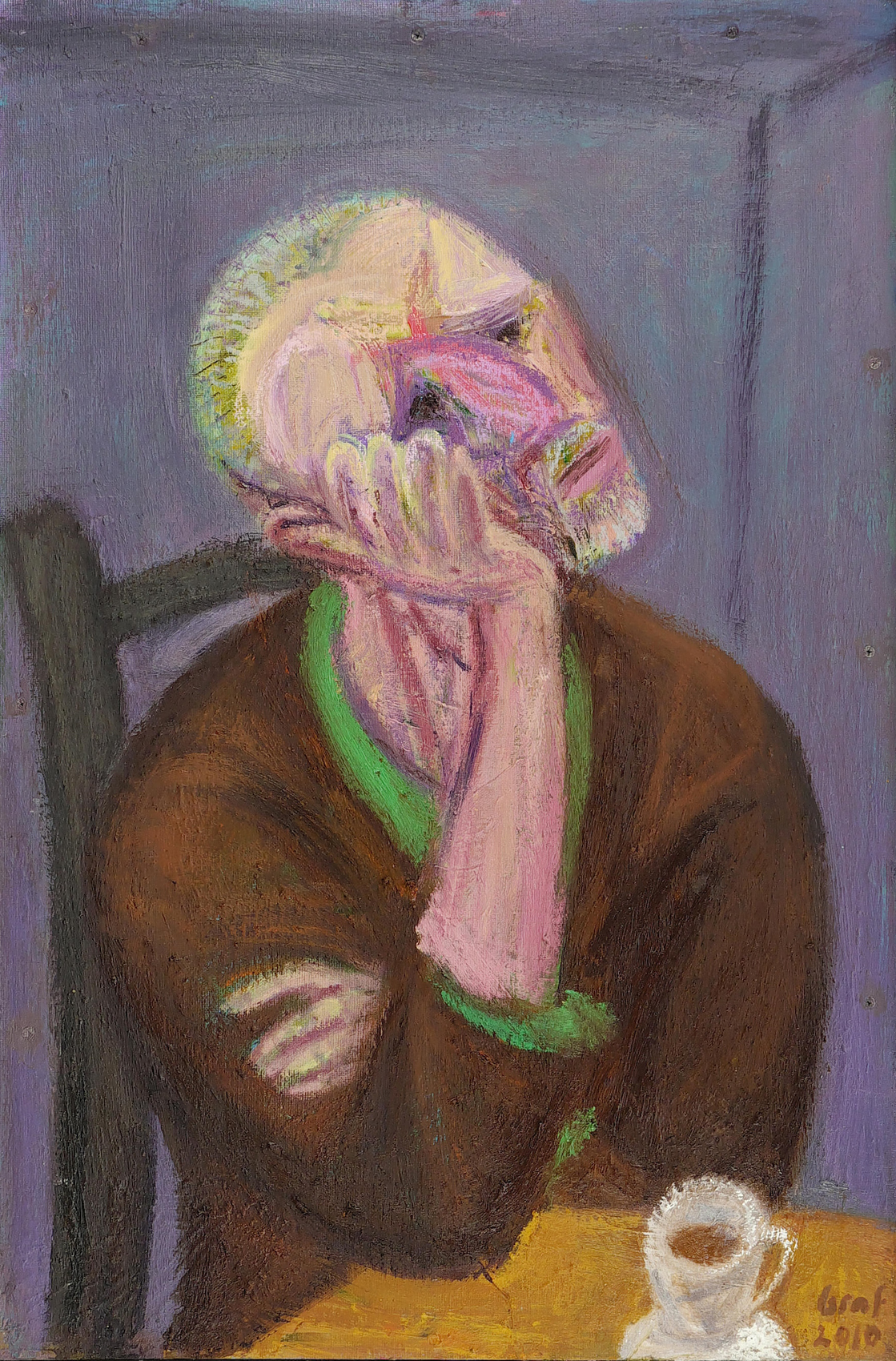
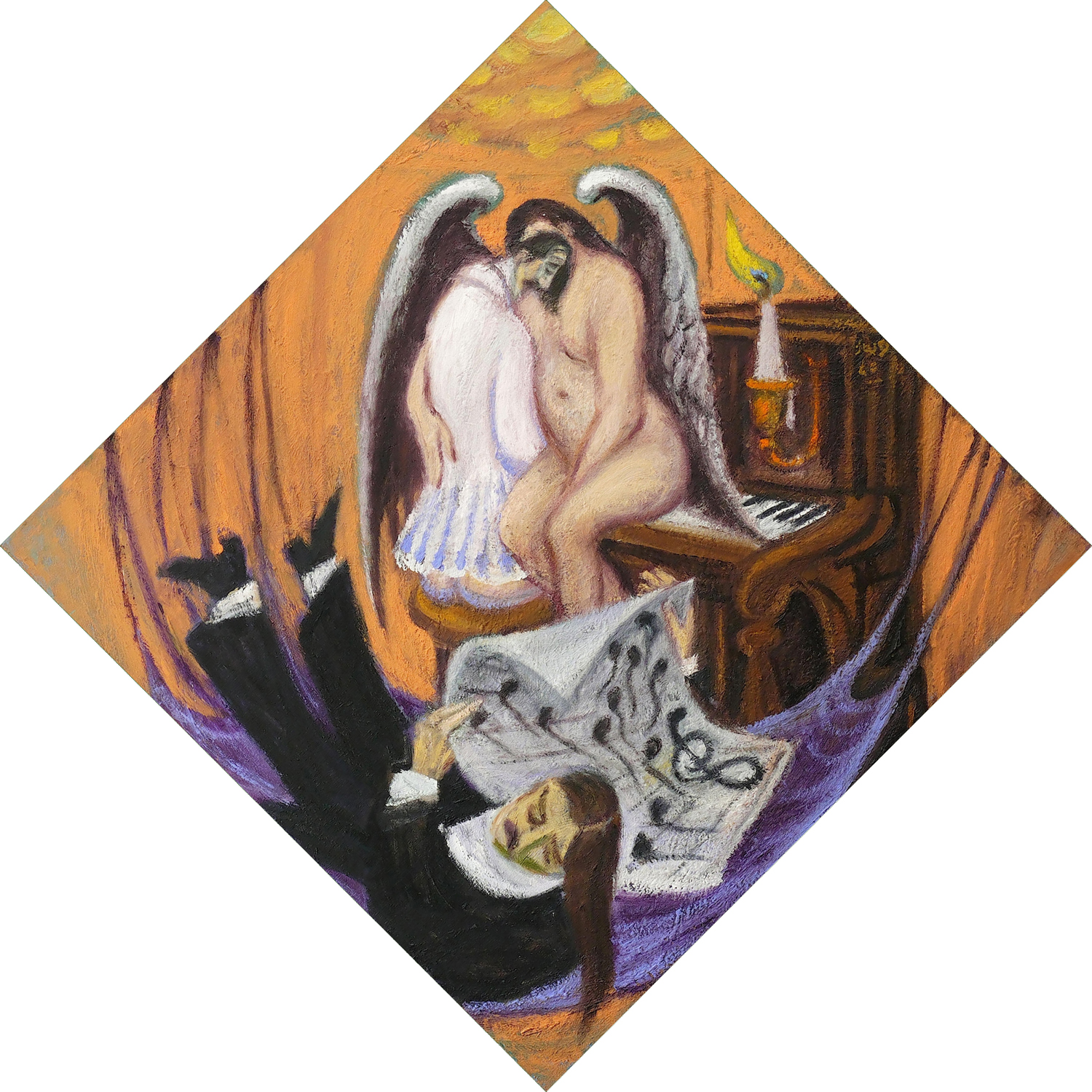
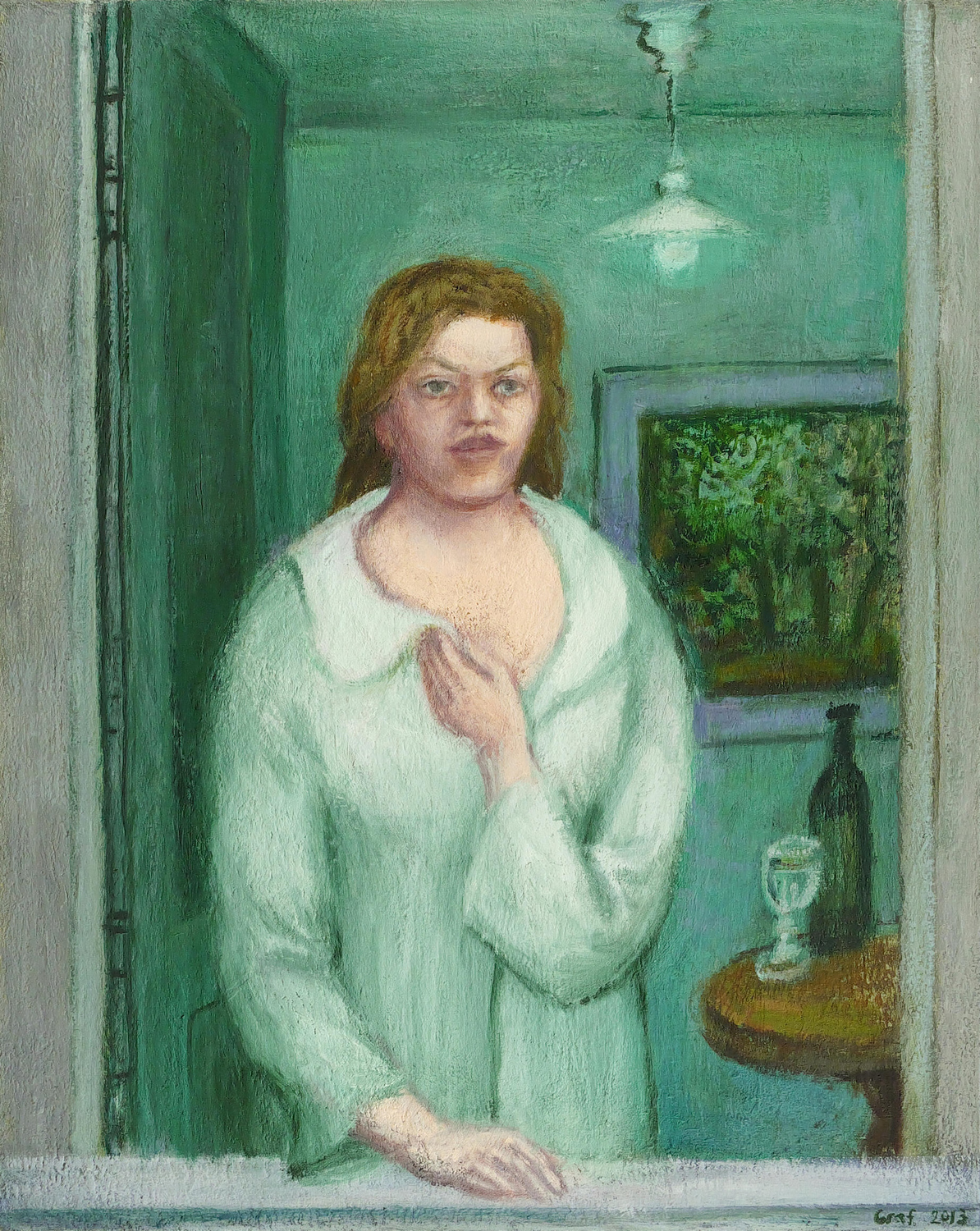
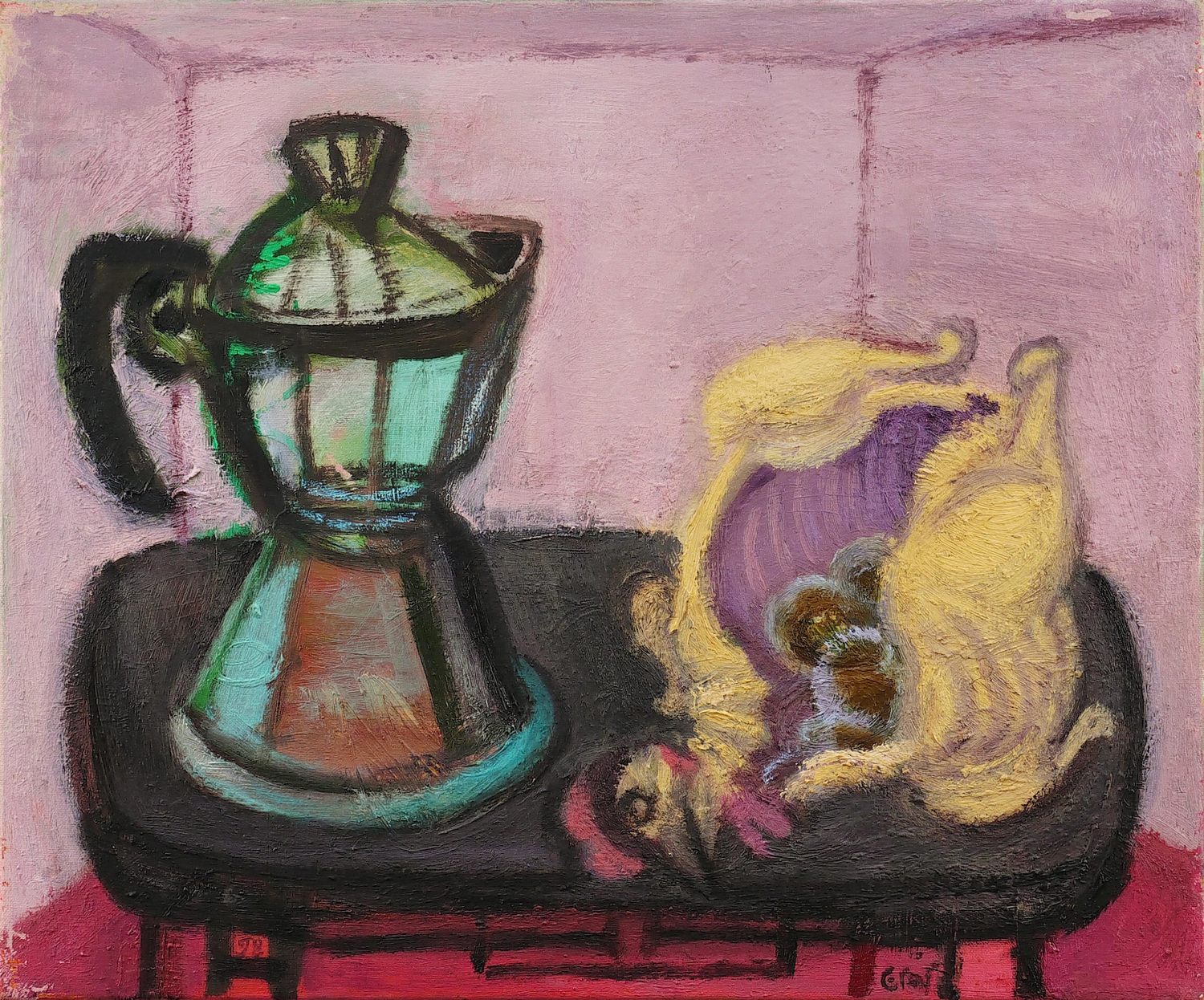
The artist Peter Graf, who now lives in the wine town of Radebeul near Dresden, was born in Crimmitschau in 1937 and discovered painting at an early age. His mother believes he inherited his talent for painting from his grandfather, the late Impressionist Robert Hahn. So the 12-year-old travelled by train to Zwickau every week to attend Karl Michel's drawing circle. Here he came into contact with artists of classical modernism for the first time, above all Picasso. After the early death of his father, the small family moved to Dresden in 1952. Graf attended Heinz Drache's drawing class and in 1953 met Jürgen Böttcher, who from 1976 onwards took the name of his birthplace, Stra(h)walde in Upper Lusatia. Graf began studying painting in Berlin-Weißensee in 1956, but his studies ended abruptly after a year due to his critical remarks about the system. However, despite the reprisals he experienced, his time in Berlin proved to be fruitful. Risky stays in West Berlin introduced the artist to the paintings of Beckmann, Picasso, Rousseau, Manet and Cezanne, as well as the world of jazz. Back in Dresden in 1957, Peter Herrmann's circle of friends – Winfried Dierske, Ralf Winkler alias A.R. Penck, Peter Makolies, Agathe and Jürgen Böttcher – became the artist's refuge. At regular meetings, they discussed music, film, literature and art. An impressive document of this period is the documentary film »Drei von vielen« (Three of Many), shot by Jürgen Böttcher in 1961, which tells the story of Graf, Herrmann and Makolies and was banned immediately after its completion. In 1965, Graf met the poet and singer Wolf Biermann. The »Dresden Biermann Circle« participates in a petition against Biermann's expatriation from the GDR in 1976. Despite having many friends, Peter Graf remains something of a loner. He believes it is better to »stand on the sidelines and view things from a distance,« as this is the only way to maintain independence. His unique life situation sets him apart from most of his artist friends. For almost three decades, he worked hard physically in various professions, driving tractors, forklifts, lorries and tankers, and working as a transport and warehouse worker. During this time, he painted after work. It was not until 1985 that Graf ventured into freelance artistry. Peter Graf's poetic works thrive on their dreamlike, surreal atmosphere, their alienation and their tongue-in-cheek subtext, but also on their longing and melancholy. It is a quiet, cultivated style of painting that masterfully combines muted tones of violet, blue, turquoise, green and brown with luminous counterpoints in muted tones. In addition to portraits and still lifes featuring everyday objects such as a meat grinder, a broiler, a lemon or tablets, Graf loves allegory, often incorporating artistic references ranging from Parmigianino and Caspar David Friedrich to Manet and Picasso. Compositions developed to the point of abstraction, especially landscapes, bear witness to an artist whose pictorial creations never cease to surprise and who clearly takes great pleasure in painting.