Introduction
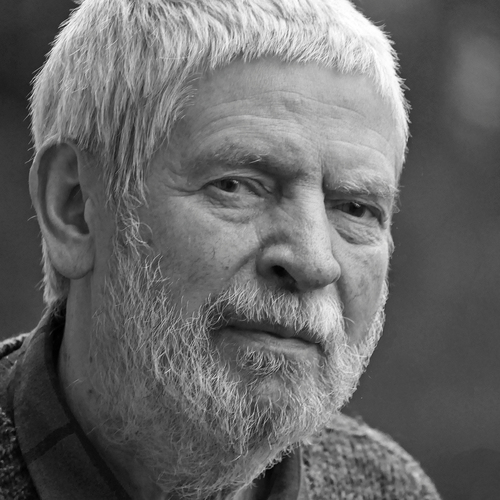
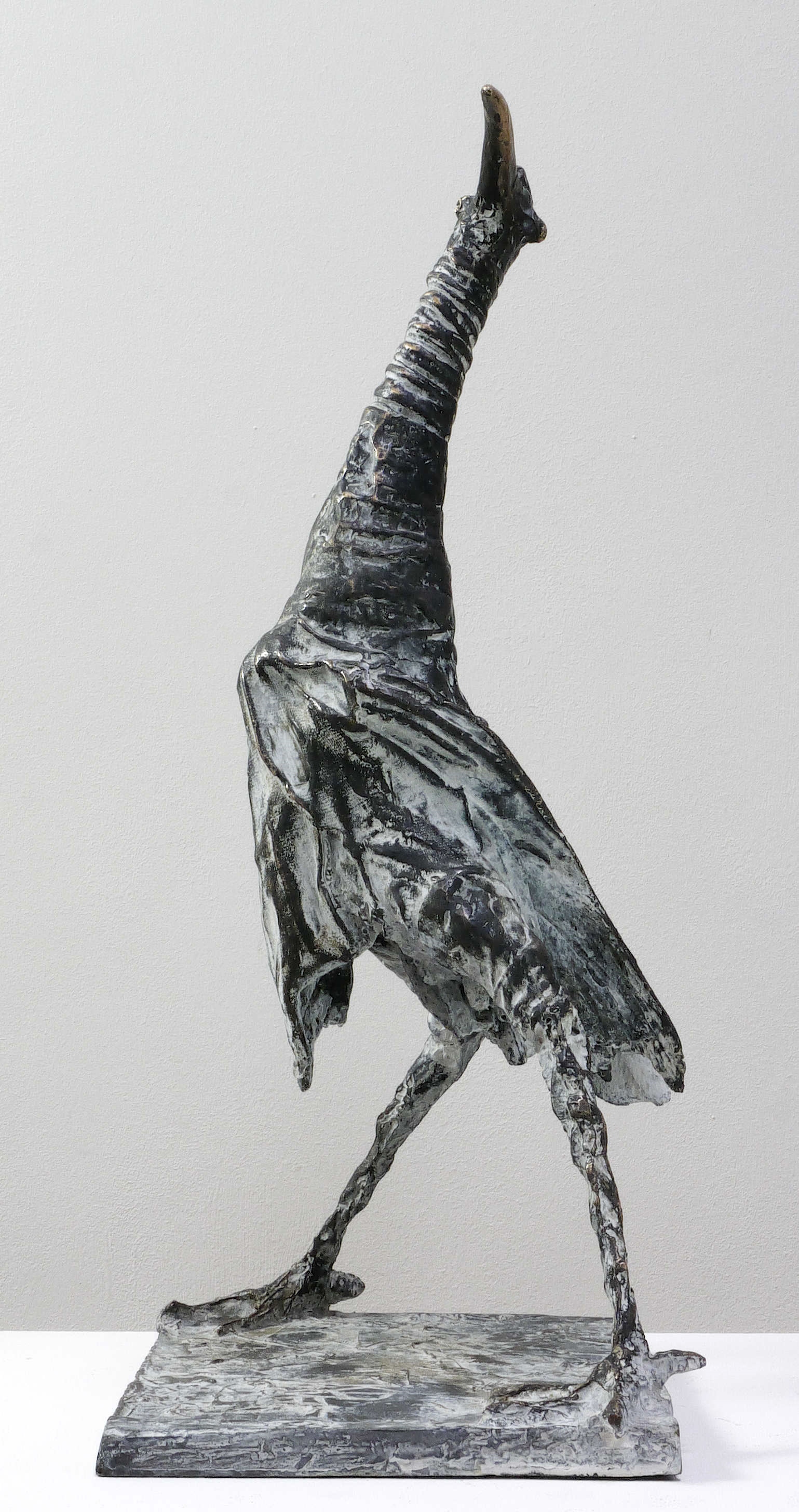
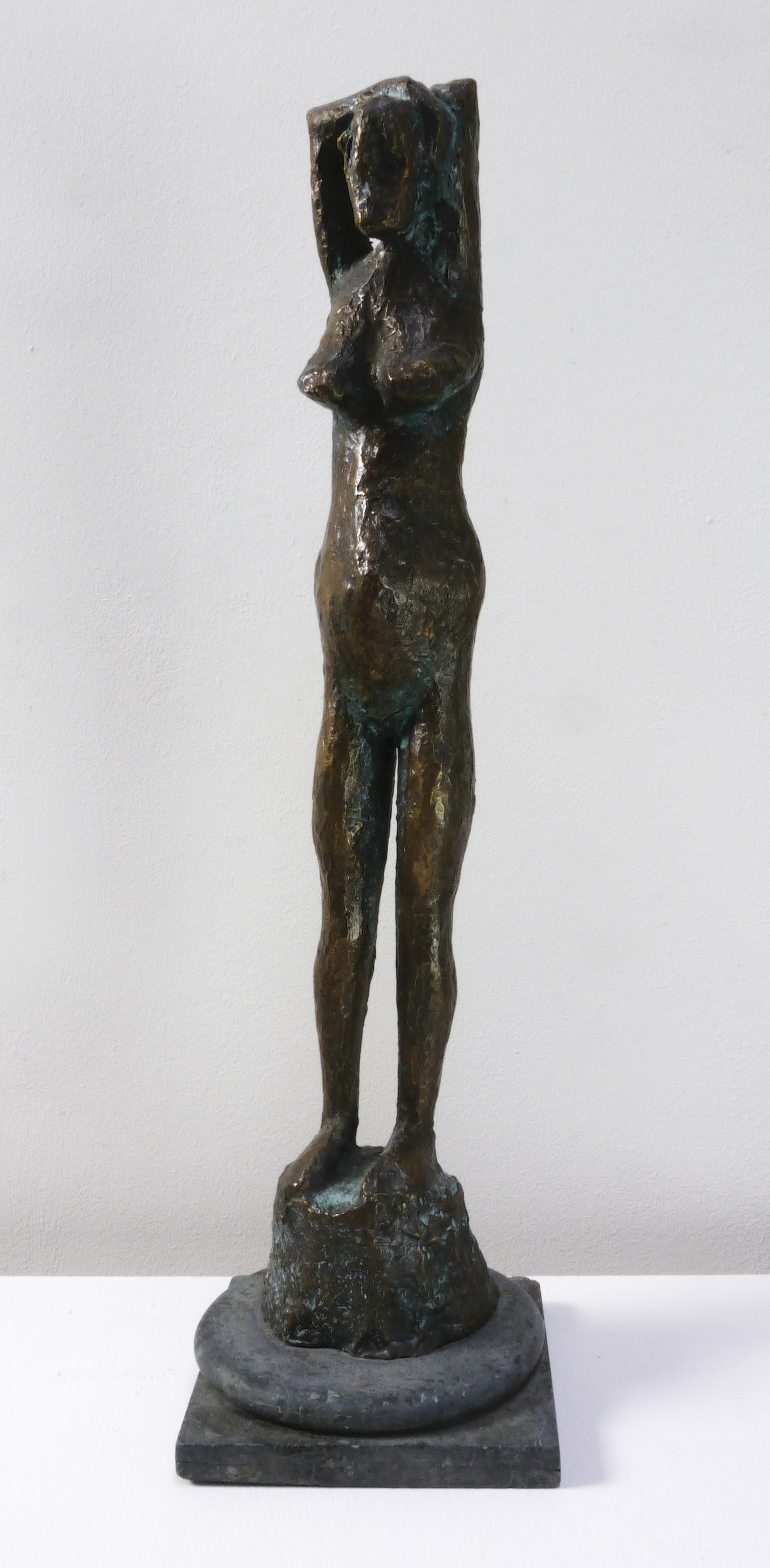
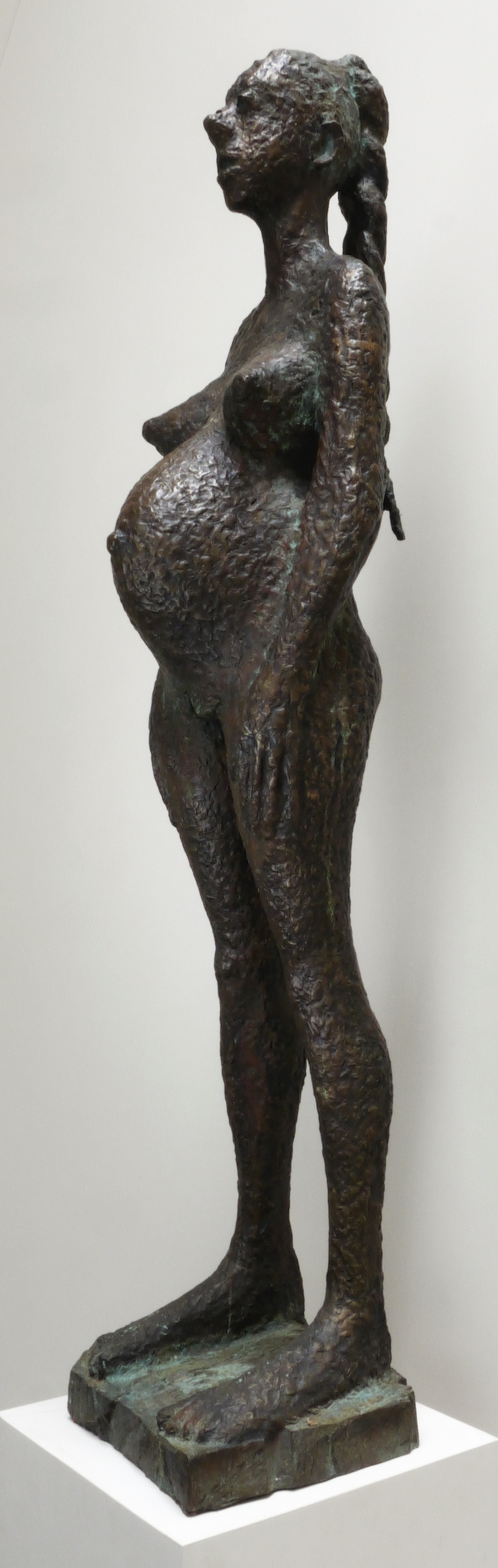
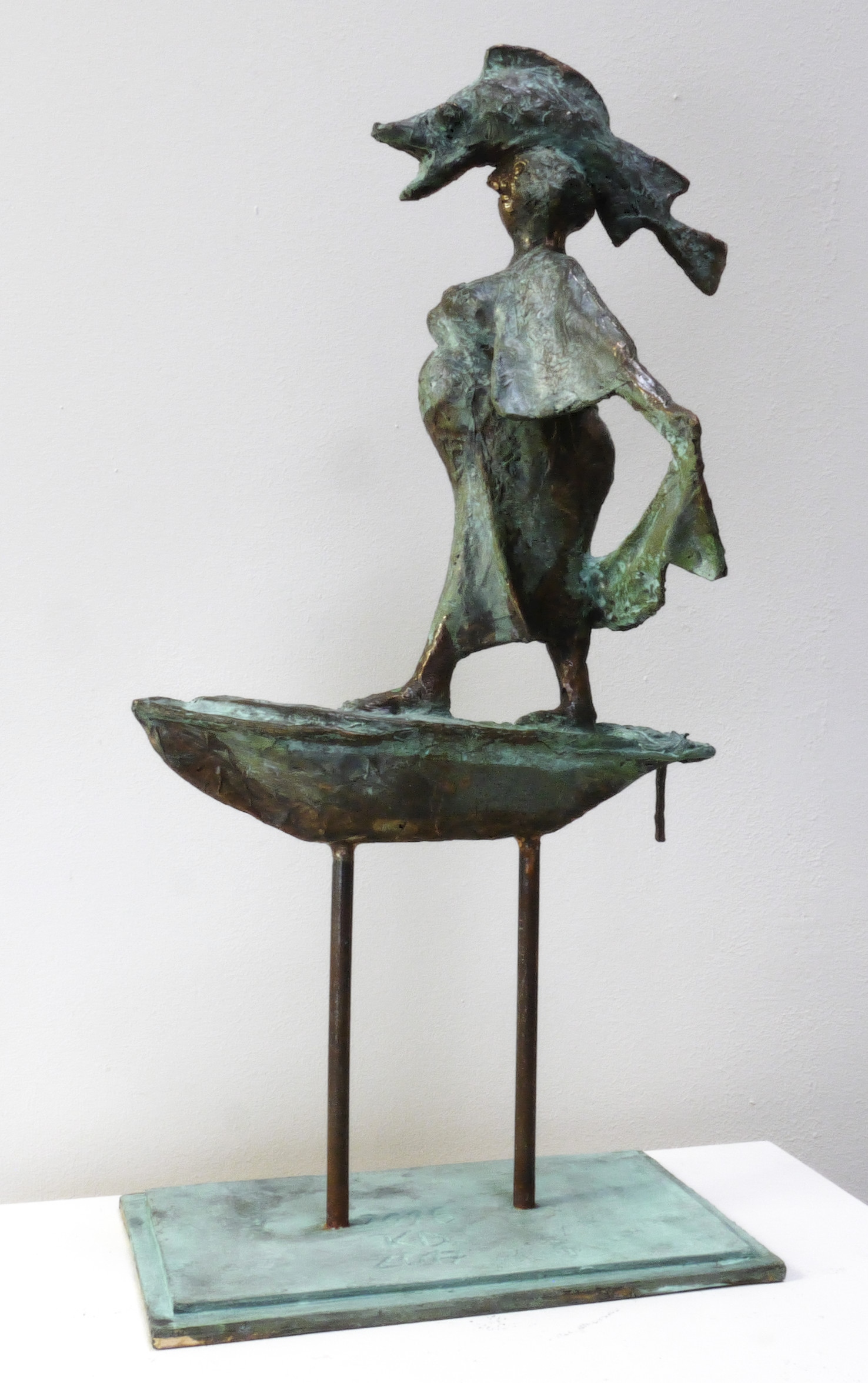
The highly cultivated watercolour paintings of Klaus Drechsler resonate with soft tones. It is no coincidence that still lifes and seemingly deserted rural habitats are among his main themes. Klaus Drechsler is a magician of light who, from the depths of his paintings, brings forth a glow from objects that one would hardly believe possible. Klaus Drechsler was born into a family of farm workers who had to leave their home in Silesia after the end of the war. The experiences of German and Soviet troops passing through, sometimes completely brutalised, overshadowed Drechsler's early years. These sometimes traumatic experiences left him with a vulnerability, a sensitivity and acute Hearing that sharpened his senses and became a prerequisite for his artistic work. Drechsler spent his childhood and youth in Lusatia. Later, he settled in the idyllic Wachwitzgrund, on the outskirts of Dresden. In this environment, a distinctive body of work emerges. Klaus Drechsler's extensive paintings, graphic art and sculptures have grown steadily over the decades, without any internal breaks, independently and yet in constant dialogue with art and contemporary history. The focal point is his preoccupation with the cycle of becoming and passing away. He is fascinated by traces of lived life. His basic motifs are unspectacular and taken from everyday life: in the faces of elderly people, in the depiction of abandoned farmsteads, in bread and ripe fruit, Klaus Drechsler finds suitable metaphors for vanitas. He shows things in their earthly Beauty and transience. His pictures invite us to pause and reflect. Muted, softly glowing colours define his exquisite colour scheme, which corresponds to the light and shade of life and helps the subjects take on a life of their own. Colourful yet muted, with gentle transitions from light and shadow, a quiet tone emerges that testifies to a deep respect for the subject of the picture. Since the mid-1990s, increasingly sculptural works, especially bronzes, have found their way into Drechsler's oeuvre. In stark contrast to his rather mild and balanced paintings, Drechsler's sculptures are somewhat more dramatic. The delicate animal sculptures are particularly noteworthy. Dogs, cats and, above all, birds. Strange creatures, almost primal in their eccentricity, are depicted because of their naked and sometimes ugly peculiarities. Klaus Drechsler manages to extract from these creatures both the expression of unconditional existential distress and that of the sometimes comical, even laughable nature of all creatures. Added to this are themes such as fertility and pregnancy, character studies and literary figures. Some of These figures, such as »Don Quixote«, are treated by Klaus Drechsler in a truly endearing manner, not without adding a touch of self- irony. Drechsler's sculptures are the creations of a brilliant designer who wants above all to tell the story of his figures. Light and shadow catch on the rugged, fissured surface of the bronze outer skin. The seemingly vibrating surfaces are given an almost painterly patina. Here, too, the painter in the sculptor is revealed.