Helmut Heinze. Hans Steger
Aus einem Geiste

06. May 2017 — 17. June 2017

  • Hans Steger – „Geneigter Frauenkopf“
    Steger, Hans. – „Geneigter Frauenkopf”
  • Helmut Heinze – „Knabenakt stehend“
    Heinze, Helmut. – „Knabenakt stehend”
  • Helmut Heinze – „Zwei Knabenakte nach Ludwig“
    Heinze, Helmut. – „Zwei Knabenakte nach Ludwig”
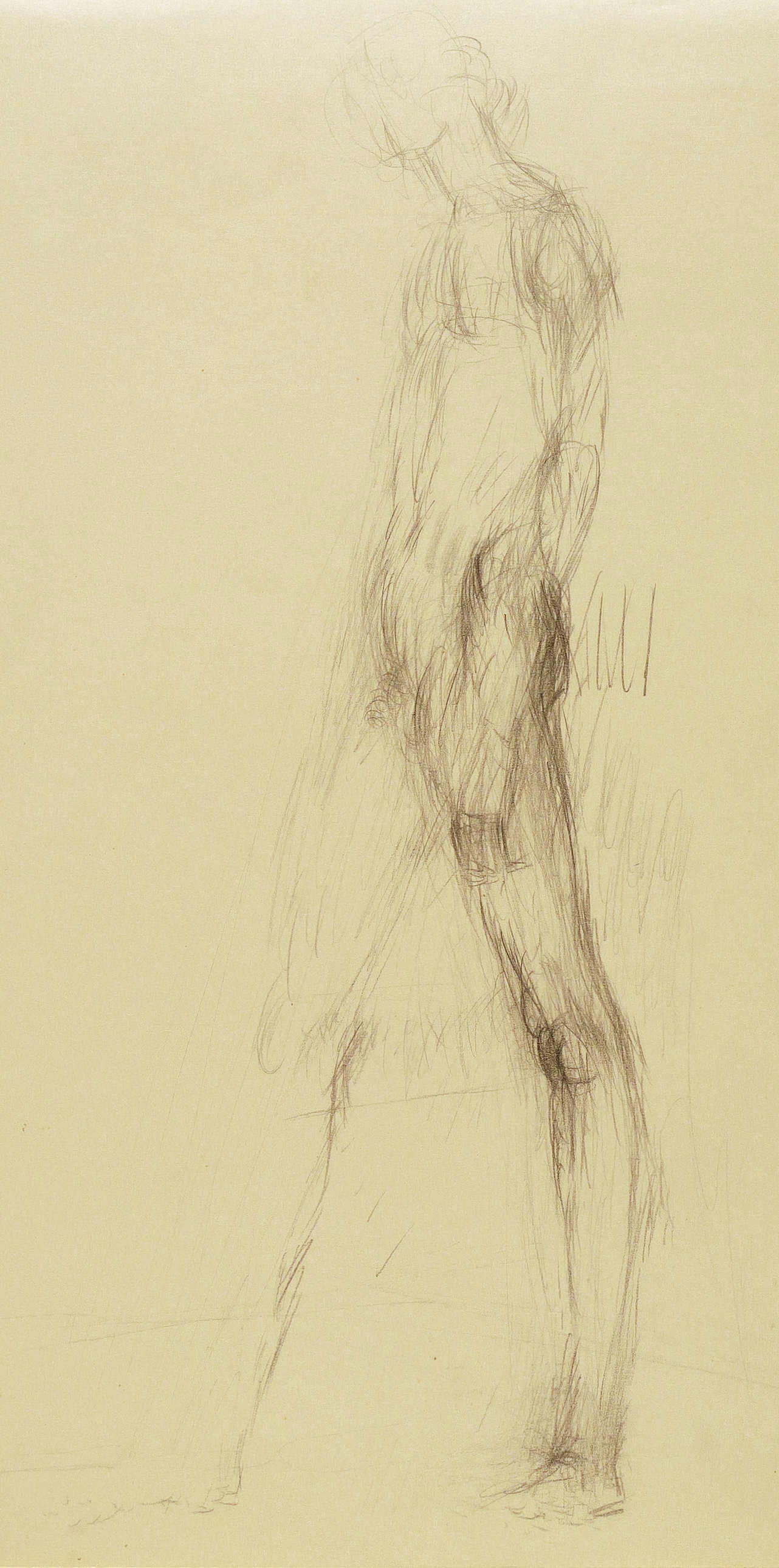
  • Helmut Heinze – „Knabenakt, schreitend“
    Heinze, Helmut. – „Knabenakt, schreitend”
  • Helmut Heinze – „Jünglingstorso“
    Heinze, Helmut. – „Jünglingstorso”
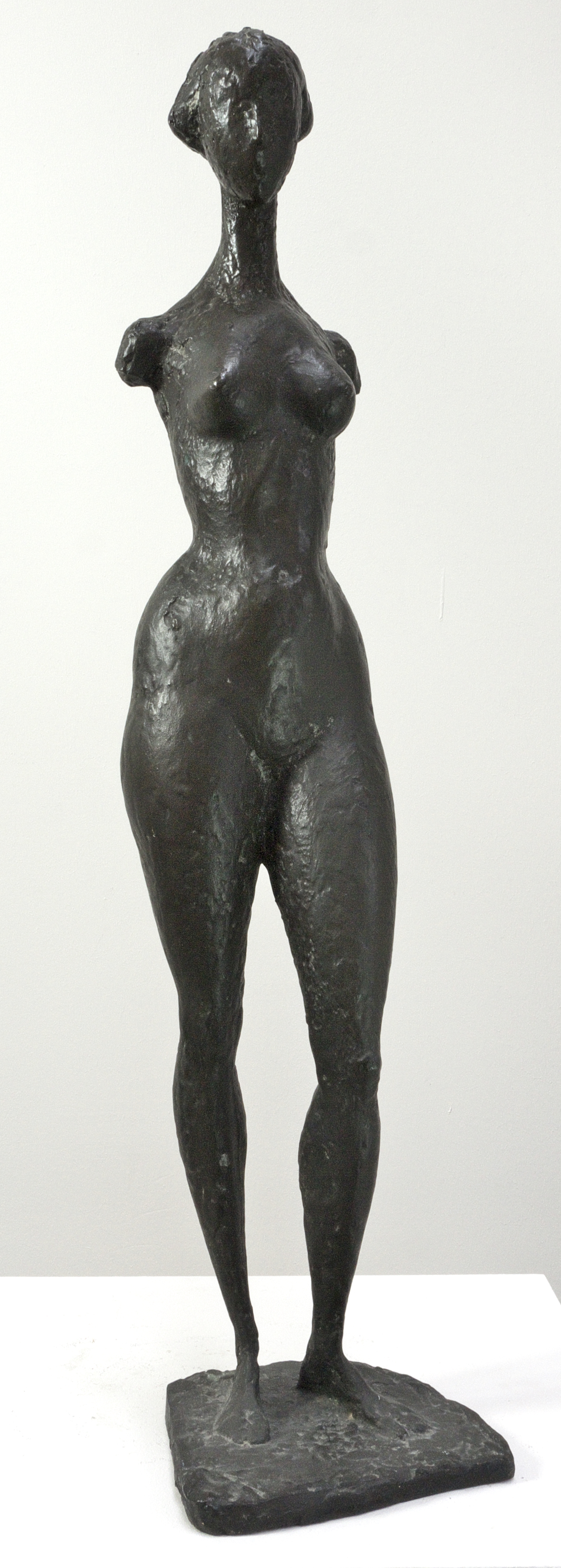
  • Hans Steger – „Aufsteigende“
    Steger, Hans. – „Aufsteigende”
  • Helmut Heinze – „Männlicher Akt“
    Heinze, Helmut. – „Männlicher Akt”
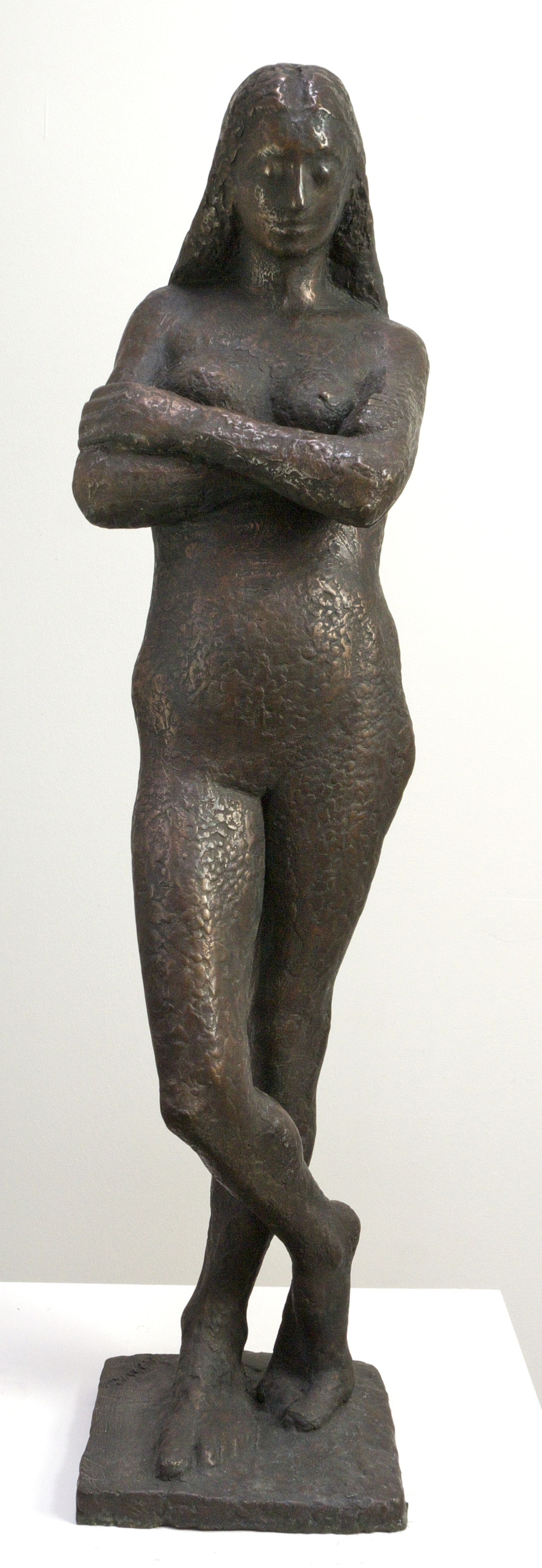
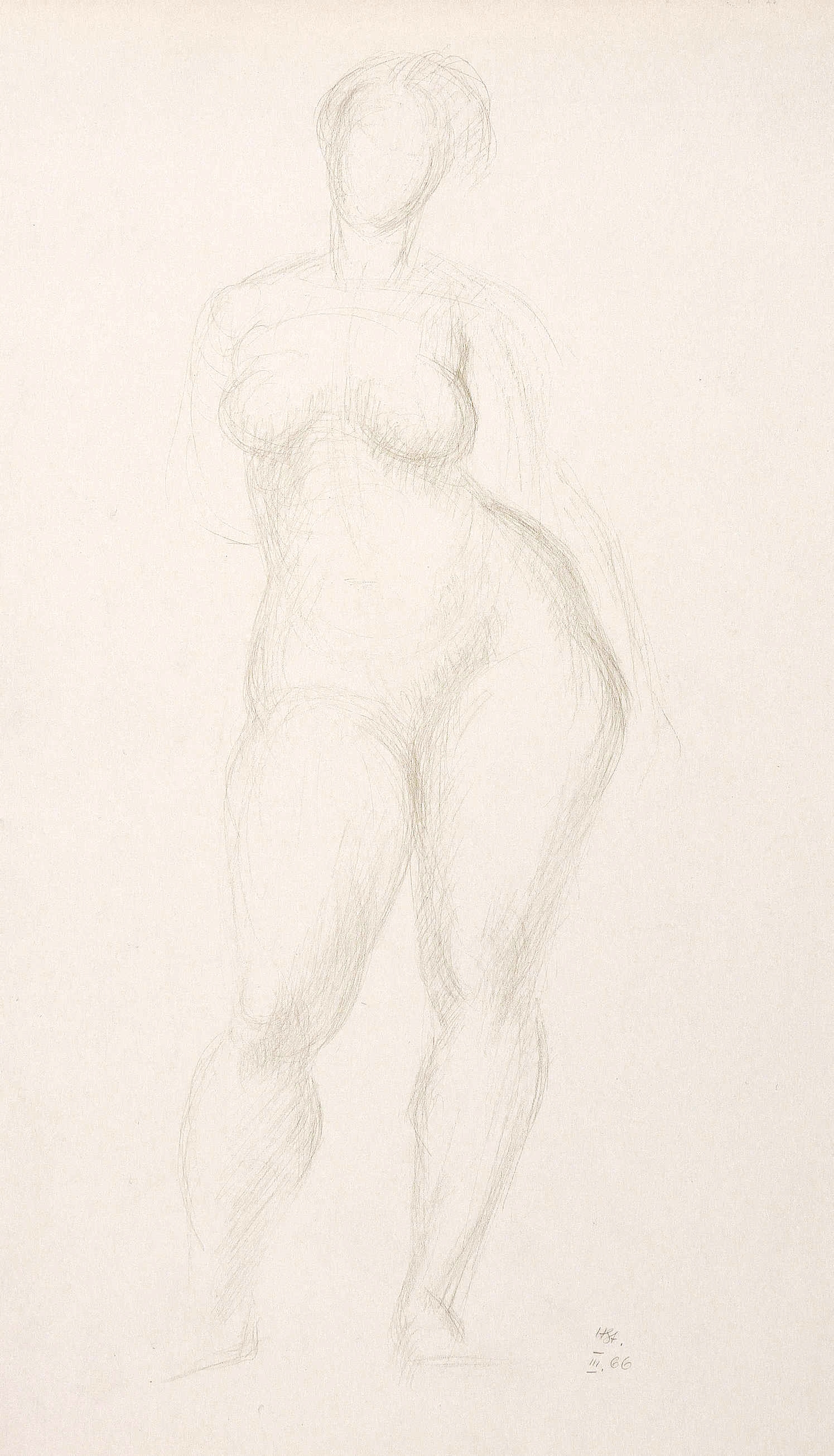
  • Helmut Heinze – „Stehender weiblicher Akt“
    Heinze, Helmut. – „Stehender weiblicher Akt”
  • Helmut Heinze – „Schwangere sitzend“
    Heinze, Helmut. – „Schwangere sitzend”
  • Helmut Heinze – „Stehender weiblicher Akt“
    Heinze, Helmut. – „Stehender weiblicher Akt”
  • Helmut Heinze – „Porträtzeichnung. Mein Vater“
    Heinze, Helmut. – „Porträtzeichnung. Mein Vater”
  • Helmut Heinze – „Porträt meines Vaters“
    Heinze, Helmut. – „Porträt meines Vaters”
  • Helmut Heinze – „Jünglingskopf“
    Heinze, Helmut. – „Jünglingskopf”
  • Helmut Heinze – „Porträt Jörg Zimmermann“
    Heinze, Helmut. – „Porträt Jörg Zimmermann”
  • Helmut Heinze – „Stehender weiblicher Akt - Balance“
    Heinze, Helmut. – „Stehender weiblicher Akt - Balance”
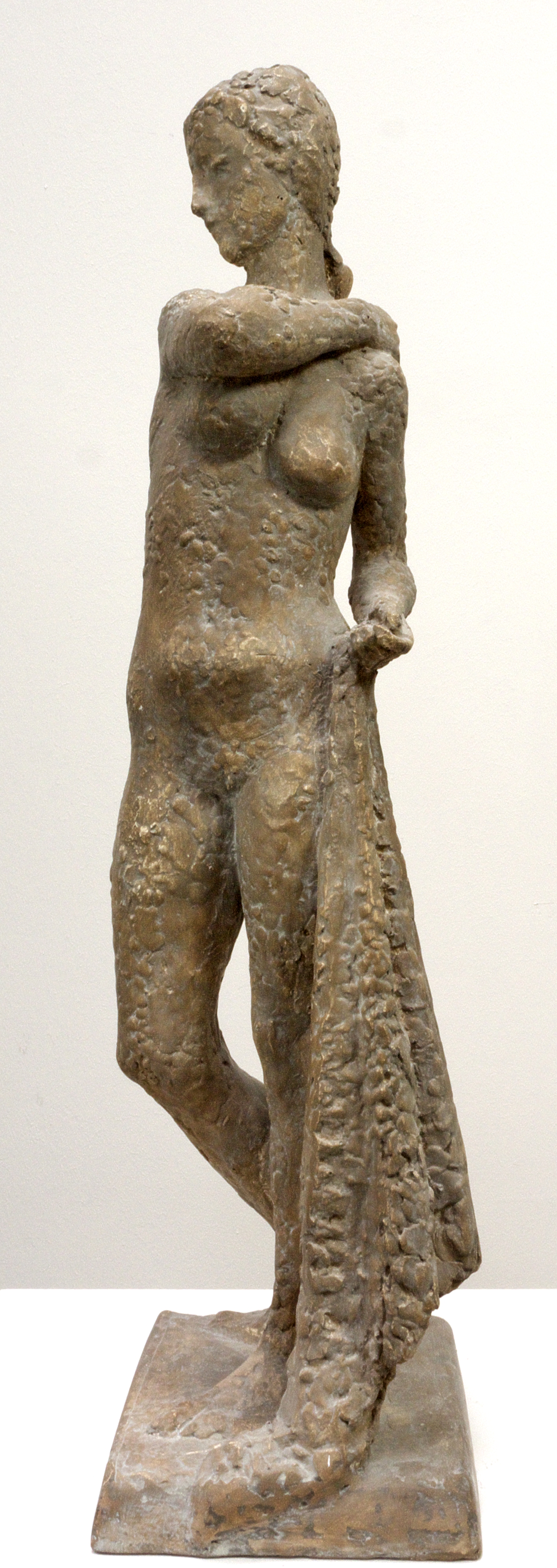
  • Helmut Heinze – „Statuette weiblicher Akt“
    Heinze, Helmut. – „Statuette weiblicher Akt”
  • Helmut Heinze – „Selbstbildnis“
    Heinze, Helmut. – „Selbstbildnis”
  • Helmut Heinze – „Selbstbildnis“
    Heinze, Helmut. – „Selbstbildnis”
  • Helmut Heinze – „Porträt Friedrich Wilhelm Junge“
    Heinze, Helmut. – „Porträt Friedrich Wilhelm Junge”
  • Helmut Heinze – „Stehender junger Mann“
    Heinze, Helmut. – „Stehender junger Mann”
  • Helmut Heinze – „Junge Akrobaten“
    Heinze, Helmut. – „Junge Akrobaten”
  • Helmut Heinze – „Alter Angler“
    Heinze, Helmut. – „Alter Angler”
  • Helmut Heinze – „Mutter und Kind“
    Heinze, Helmut. – „Mutter und Kind”
  • Hans Steger – „Porträt Frau C. Förster“
    Steger, Hans. – „Porträt Frau C. Förster”
  • Hans Steger – „Meine Mutter“
    Steger, Hans. – „Meine Mutter”
  • Hans Steger – „Porträt Karl Kröner“
    Steger, Hans. – „Porträt Karl Kröner”
  • Helmut Heinze – „Stehende weibliche Aktstudie“
    Heinze, Helmut. – „Stehende weibliche Aktstudie”
  • Hans Steger – „Weiblicher Torso“
    Steger, Hans. – „Weiblicher Torso”
  • Helmut Heinze – „Knabentorso“
    Heinze, Helmut. – „Knabentorso”
  • Helmut Heinze – „Knabenakt schreitend“
    Heinze, Helmut. – „Knabenakt schreitend”
  • Hans Steger – „Weiblicher Torso“
    Steger, Hans. – „Weiblicher Torso”
  • Hans Steger – „Stehende weibliche Aktstudie“
    Steger, Hans. – „Stehende weibliche Aktstudie”
  • Hans Steger – „Stehende weibliche Aktstudie“
    Steger, Hans. – „Stehende weibliche Aktstudie”
  • Hans Steger – „Liegender weiblicher Rückenakt“
    Steger, Hans. – „Liegender weiblicher Rückenakt”
  • Hans Steger – „Bekleidete, stehend“
    Steger, Hans. – Studie. – „Bekleidete, stehend”
  • Helmut Heinze – „Statuette Fritz Löffler“
    Heinze, Helmut. – „Statuette Fritz Löffler”
  • Helmut Heinze – „Statuette Bernhard Kretzschmar“
    Heinze, Helmut. – „Statuette Bernhard Kretzschmar”
  • Helmut Heinze – „Porträt Bernhard Kretzschmar“
    Heinze, Helmut. – „Porträt Bernhard Kretzschmar”
  • Helmut Heinze – „Stehender weiblicher Akt mit Tuch“
    Heinze, Helmut. – „Stehender weiblicher Akt mit Tuch”
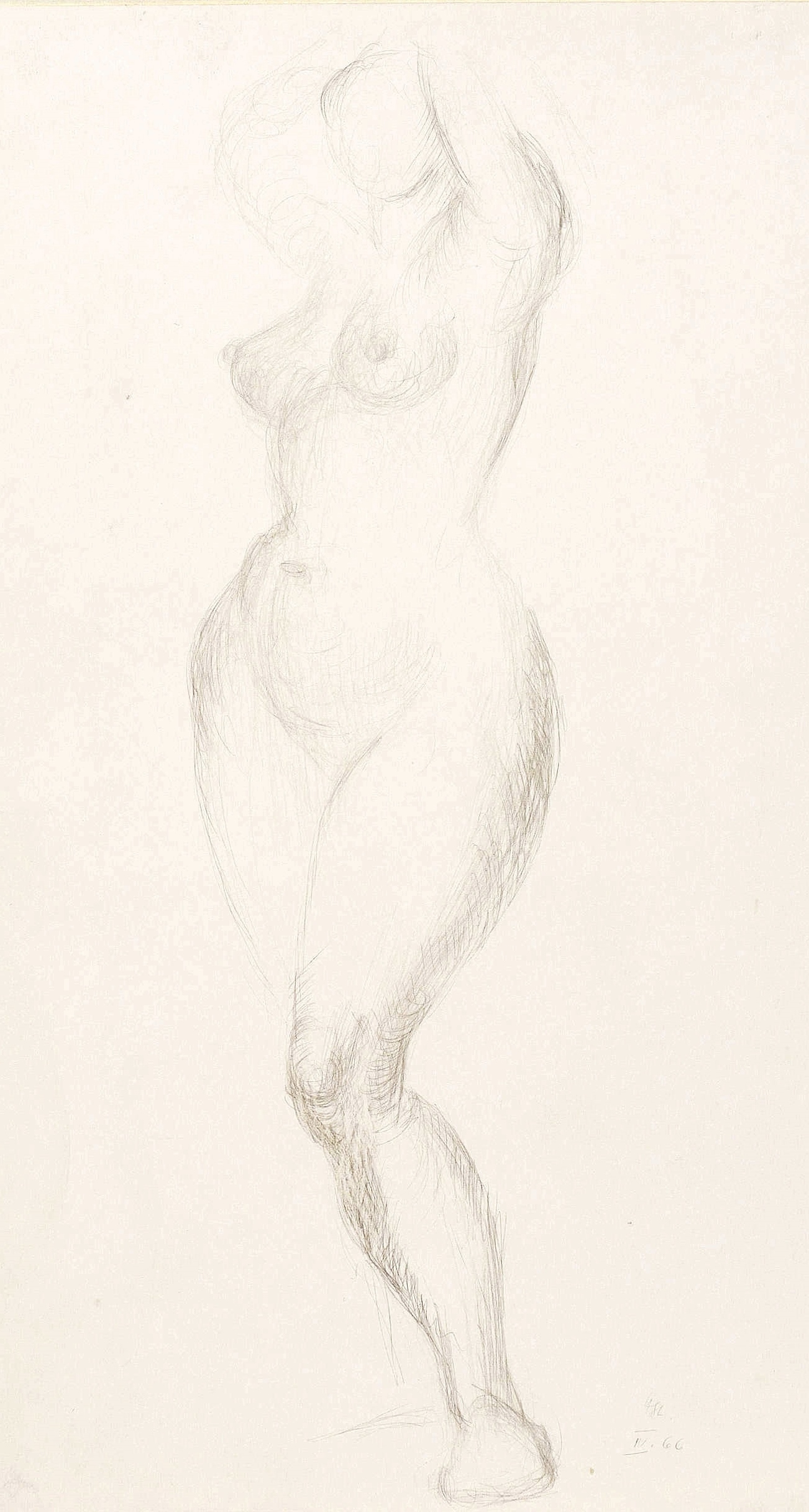
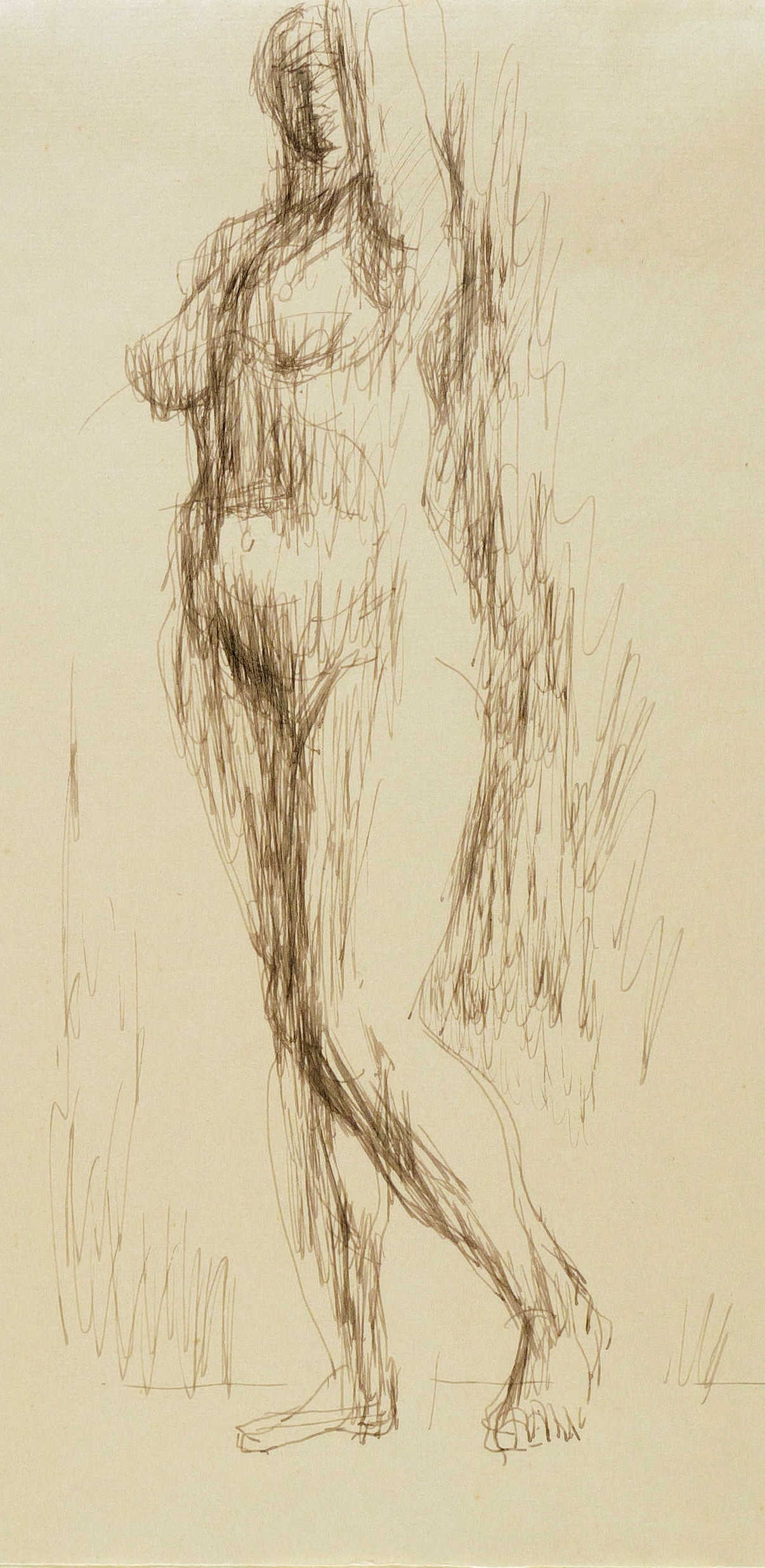
  • Helmut Heinze – „Weiblicher Akt mit erhobenen Arm“
    Heinze, Helmut. – „Weiblicher Akt mit erhobenen Arm”
  • Hans Steger – „Weiblicher Torso“
    Steger, Hans. – „Weiblicher Torso”
  • Helmut Heinze – „Stehender Knabe“
    Heinze, Helmut. – „Stehender Knabe”
  • Helmut Heinze – „Männlicher Torso“
    Heinze, Helmut. – „Männlicher Torso”
  • Helmut Heinze – „Knabentorso“
    Heinze, Helmut. – „Knabentorso”

Introduction

Helmut Heinze

Portraits and figures in the work of sculptor Helmut Heinze bear witness to a masterful, sensitive portraitist and deeply reflective artist. Subjected to the eternal artistic constants of space and physicality, of measure and statics , he wrestles with the psychology of his figures. In small and medium-sized statuettes, Heinze finally found his main theme, the boy nude. With strikingly elongated proportions, he gave expression to the aspiring and still somewhat awkward. His boys, with large feet rooted in the ground, literally grow upwards, their bodies reaching into the space, beginning to breathe, matter becoming spirit. For Helmut Heinze, »the young man stands as a recogniser on the threshold of life.« In his tentative stance, a pause is discernible, which can also be understood as the artist's reflection on steadfastness and walking in a time that severely restricted artistic freedom. Helmut Heinze drew inspiration from his teacher Hans Steger, whose art is deeply rooted in the views of Wilhelm Gerstel. He owes his intellectual inspiration to the painter Bernhard Kretzschmar, who encouraged him to »stand up straight and stand up for genuine values in art and in life«. He owes his intellectual inspiration to the painter Bernhard Kretzschmar, who encouraged him to »stand up and defend genuine values in art and in life« by creating a form from the uniqueness of the personal and the reality experienced that is entirely committed to the ideal of humanism. Helmut Heinze's quiet and haunting work thrives on a »psychologisation of matter« that is capable of making a spiritual dimension visible.

Hans Steger

»Art is a matter of the deepest humanity, a test of the fineness of spirit and soul.« This idea by Ernst Barlach, which also applies to the work of Hans Steger, was taken up by the latter in an essay about his ‘spiritual father’ Wilhelm Gerstel, whose pupil he was along with Fritz Cremer, Waldemar Grzimek and Gustav Seitz. In addition to Gerstel, it was Wilhelm Lehmbruck in particular who inspired Steger's work. He followed Lehmbruck's artistic conception of sculpture: »All art is measure; measure against measure, that is all. Therefore, a good sculpture must be handled like a good composition [...], therefore one cannot negate the detail, but rather the detail is the small measure for the large.« Hans Steger created a manageable, very dense oeuvre. His sensitive designs matured over long periods of time , always in search of artistic depth. Elaborately constructed scaffolding became the basis of his figurative work and testifies to his meticulous craftsmanship. Hans Steger treated portrait sculptures, such as the head »Meine Mutter« (My Mother) from 1951, as a kind of »applied psychology using the means of sculpture«. In addition to these portraits, which set standards in portrait art, there are figurative sculptures, mainly female nudes. One of his last works, the complex figure »Aufsteigende« (Ascending) from 1965-68, is the sum of his graphic and sculptural nature studies, created without a model, solely from his inner imagination. The exciting alternation of moderate volume and strongly tapered limbs lends the work great virtuosity and poignancy. Hans Steger and Helmut Heinze, as teacher and student, standing together in the tradition founded by Wilhelm Gerstel, created works as if »from one mind« by giving the human figure a contemporary form of inwardness and sensitivity.