Introduction
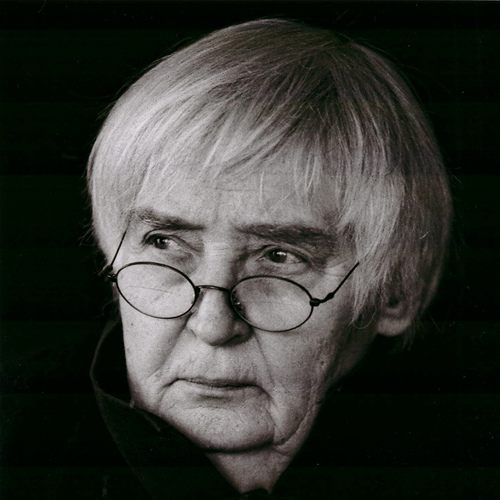
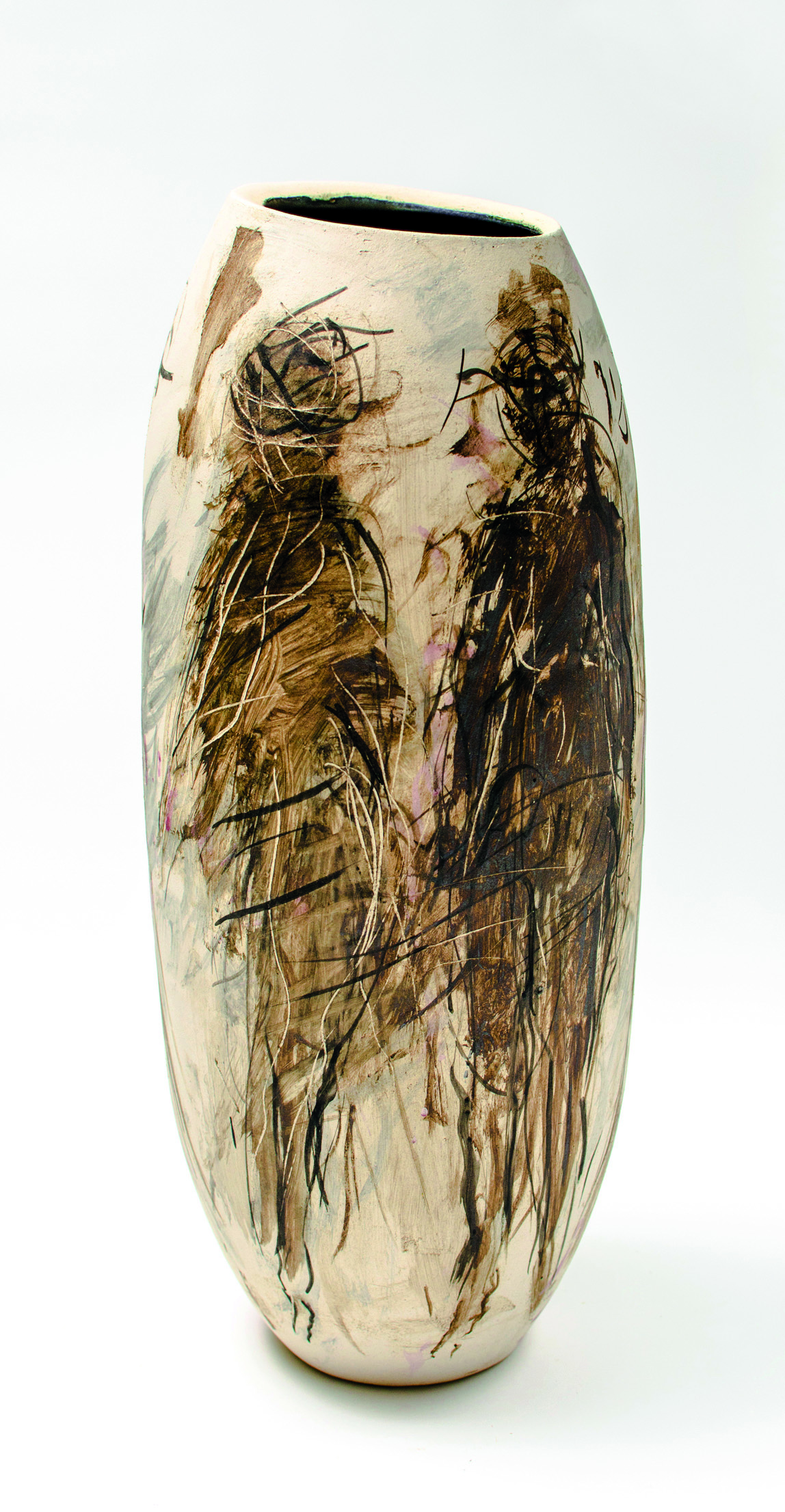
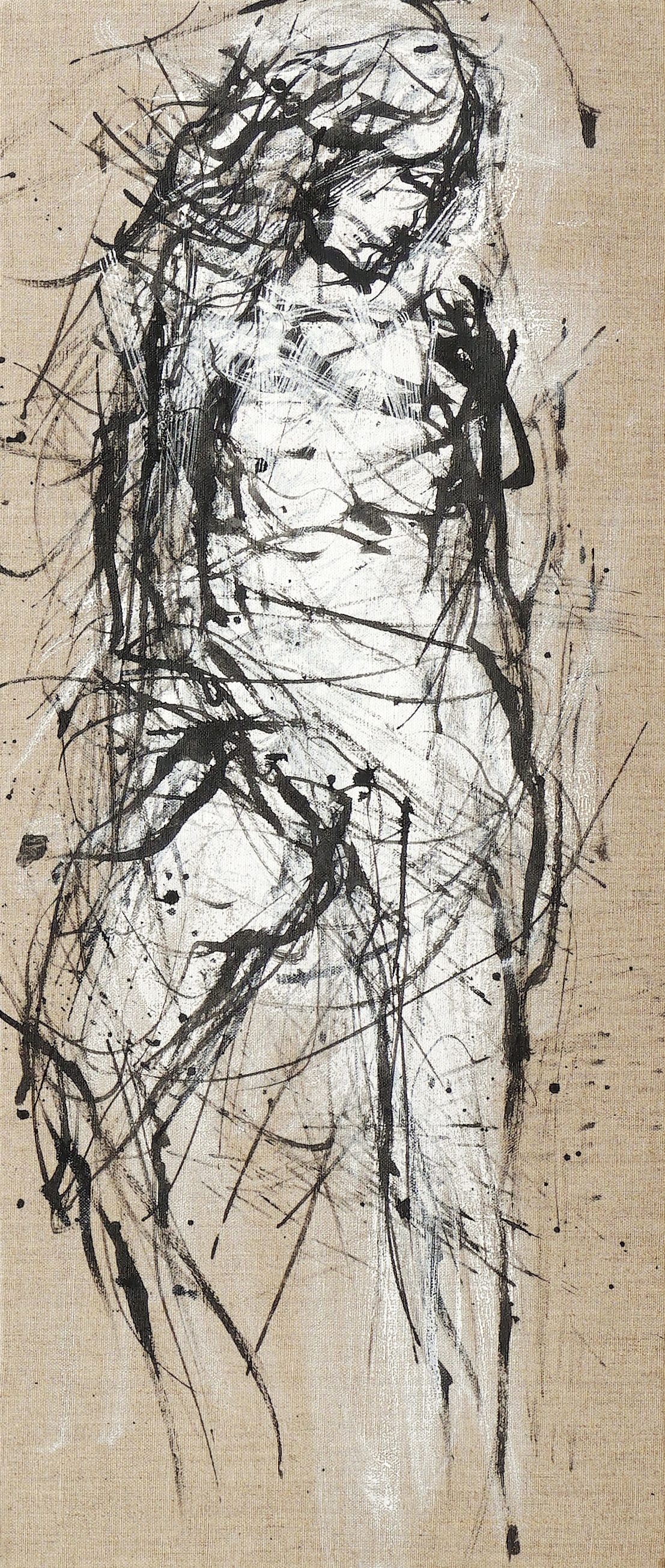
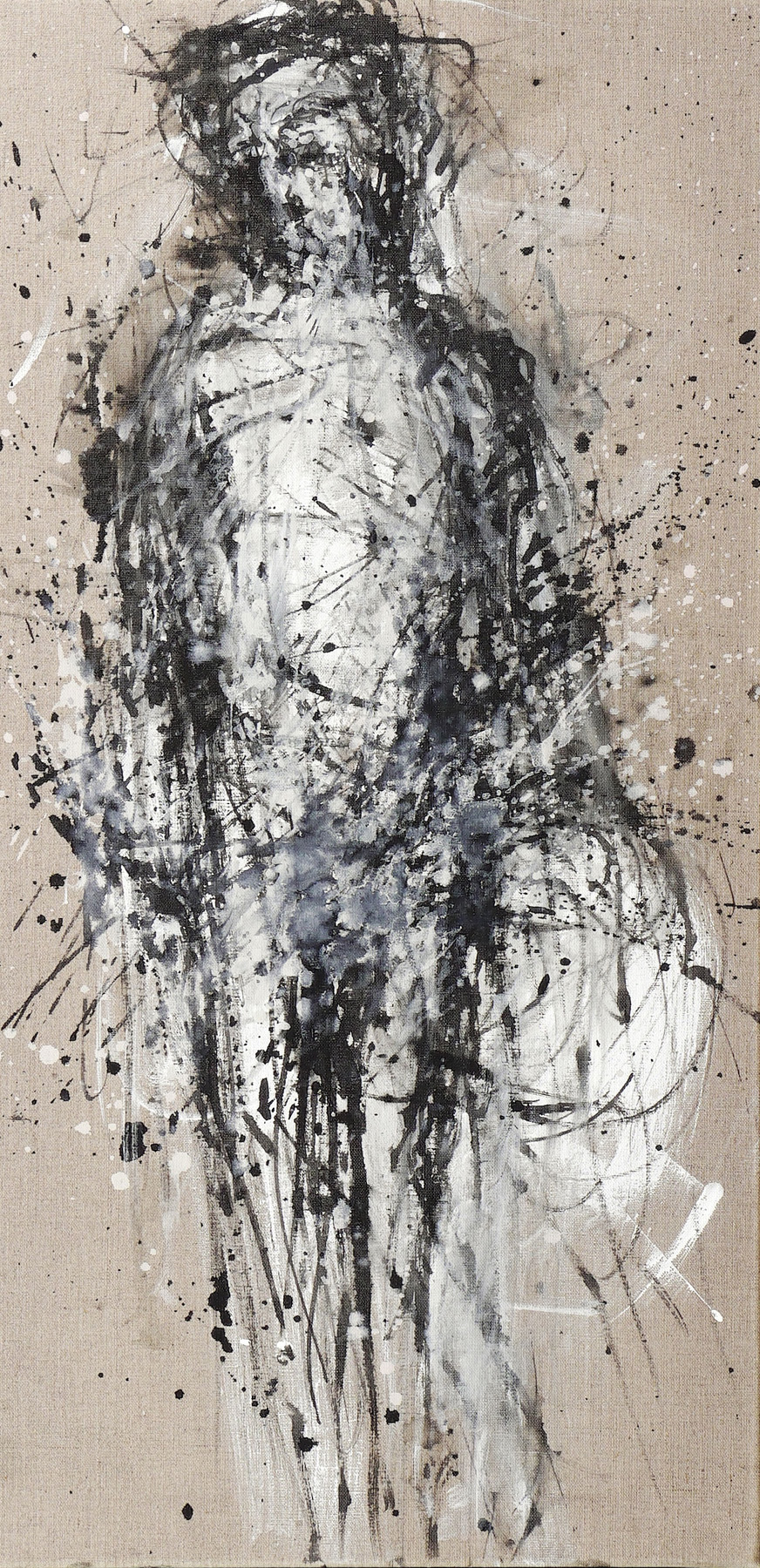
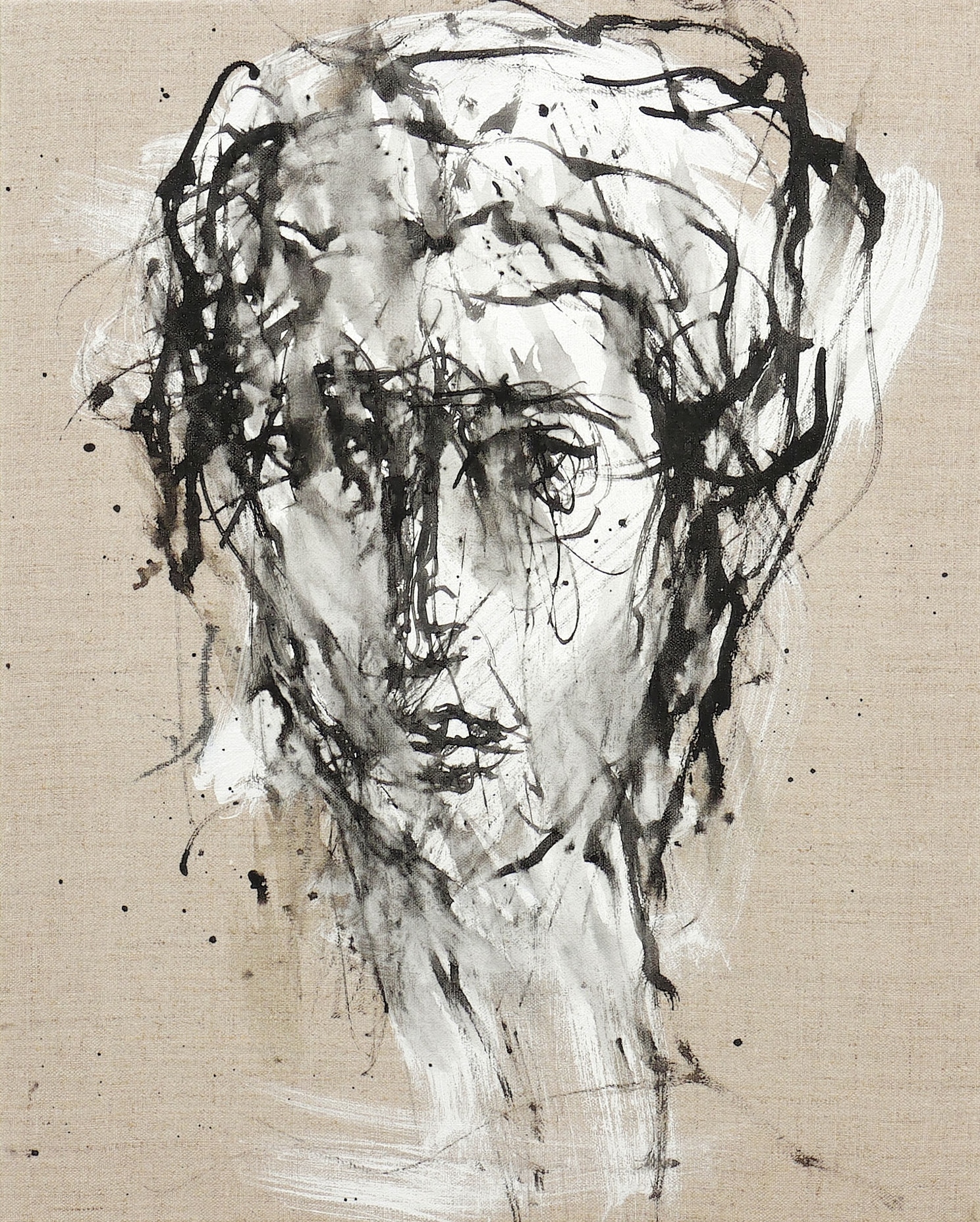
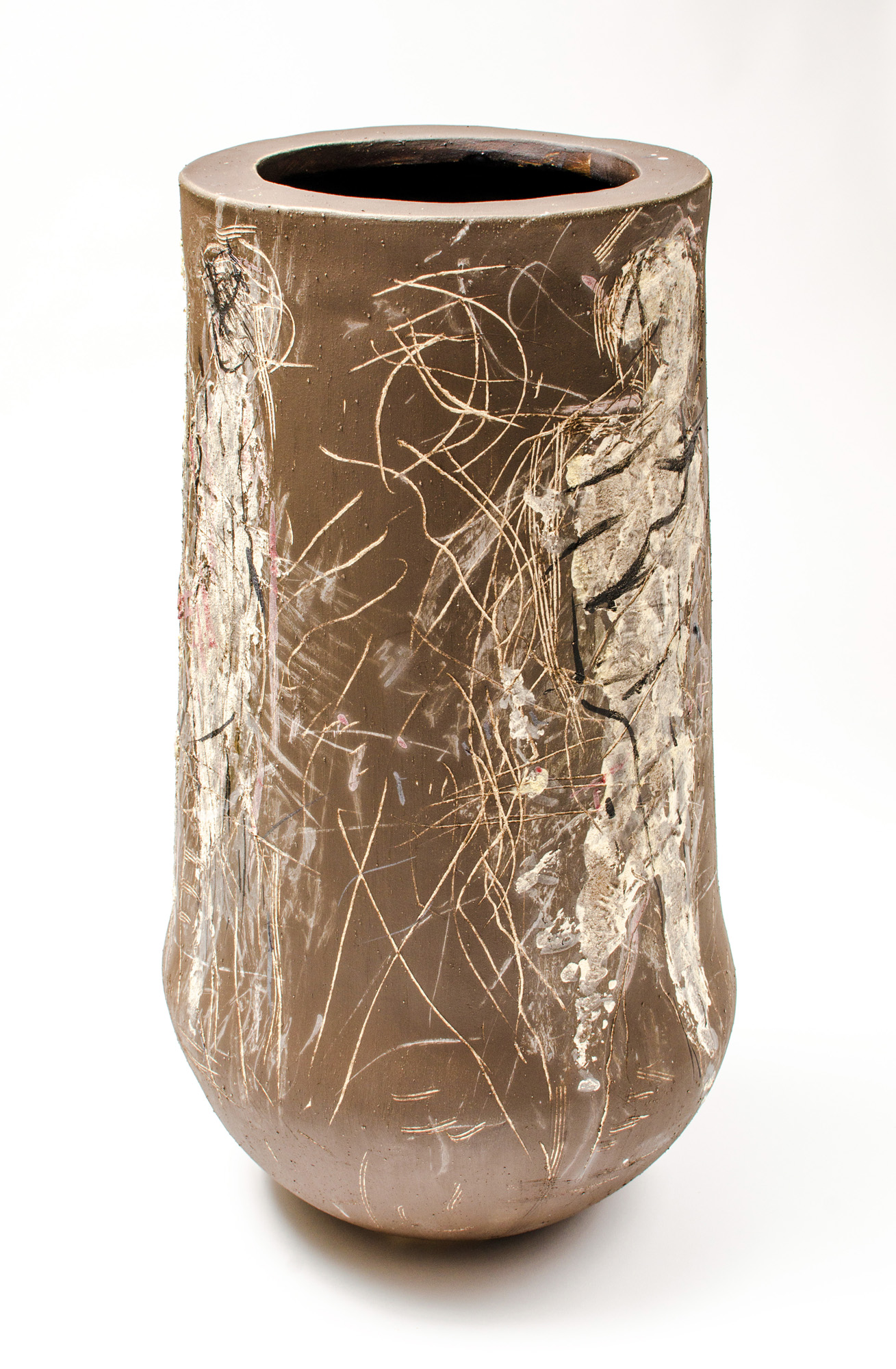
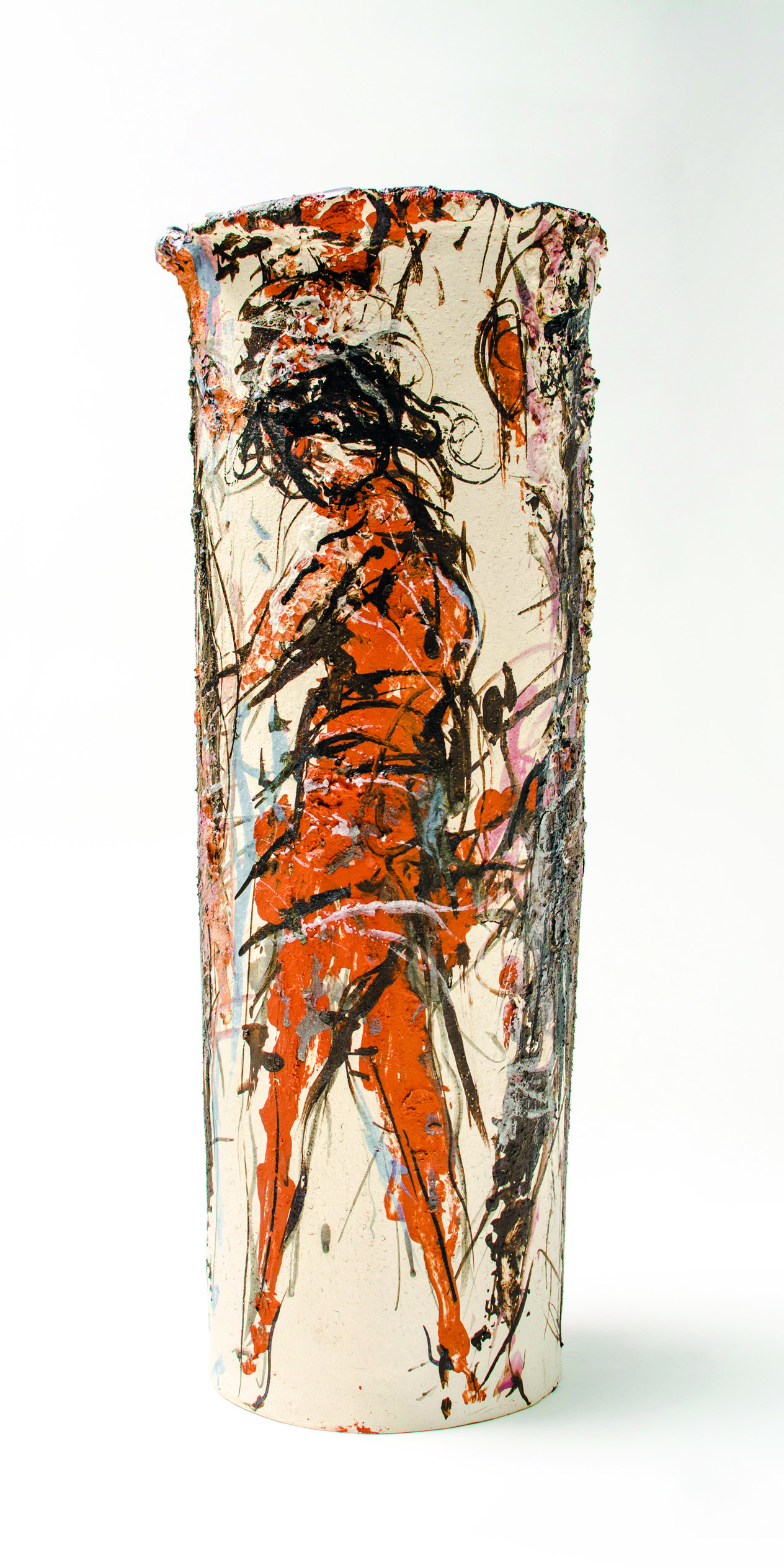
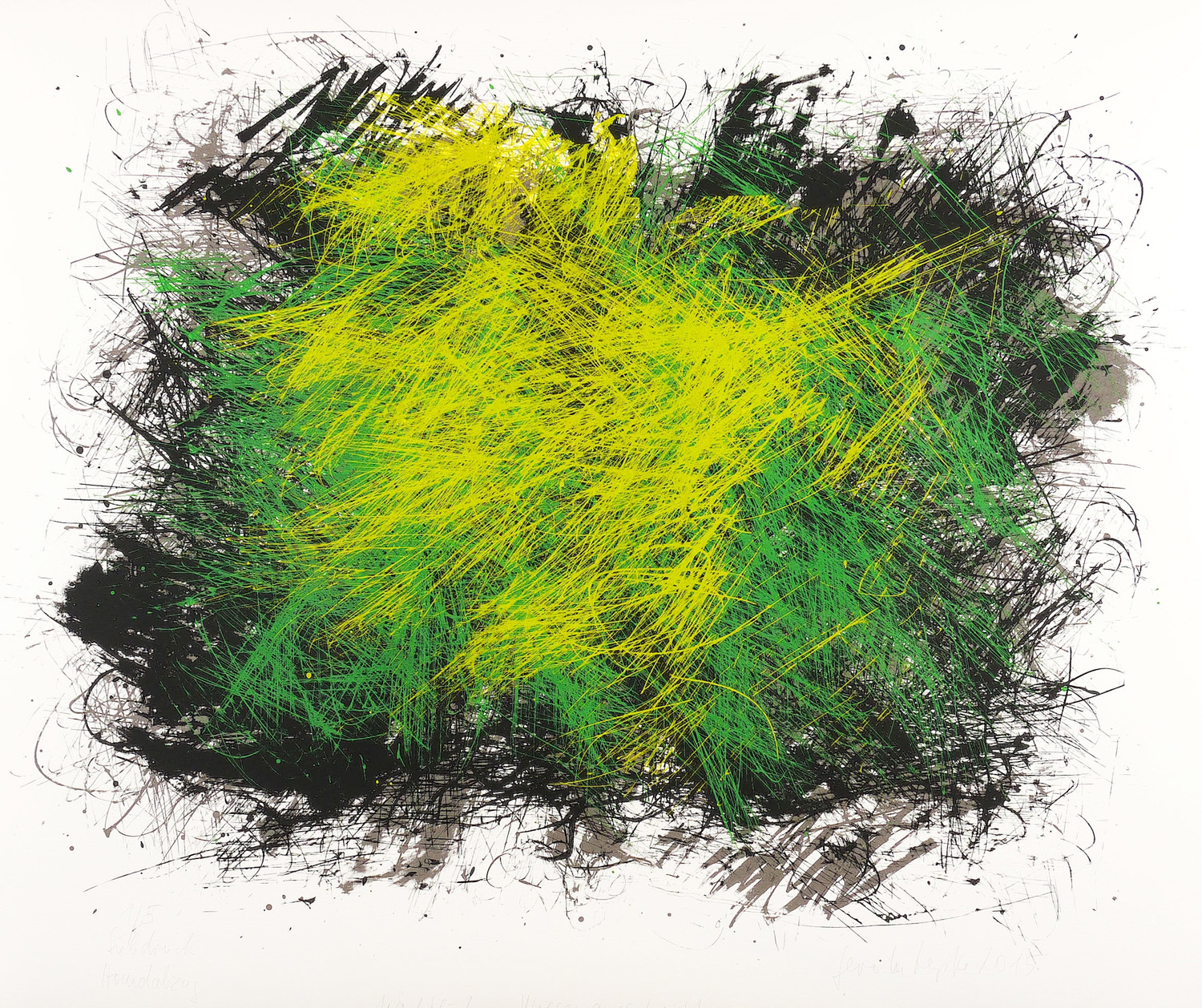
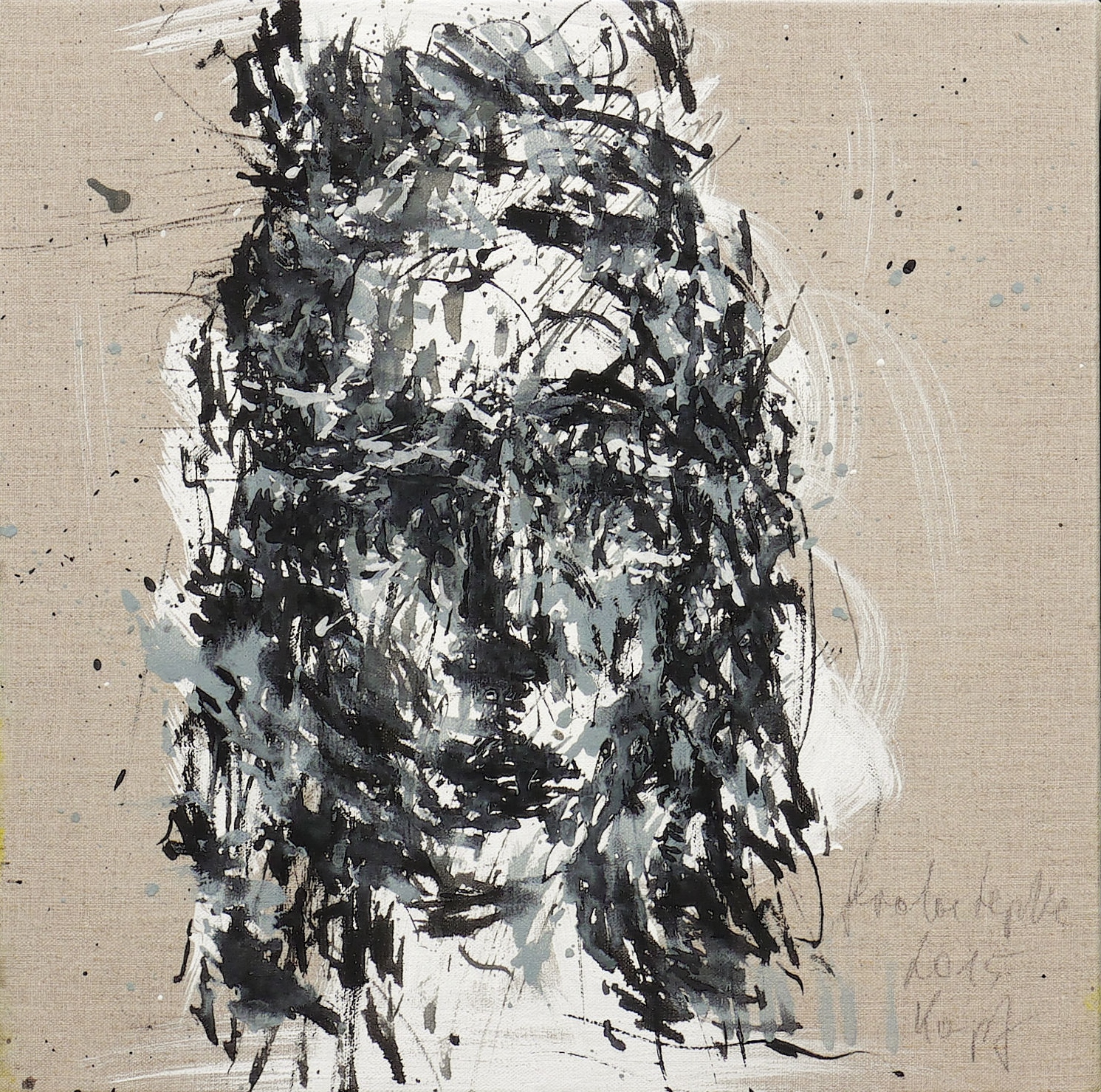
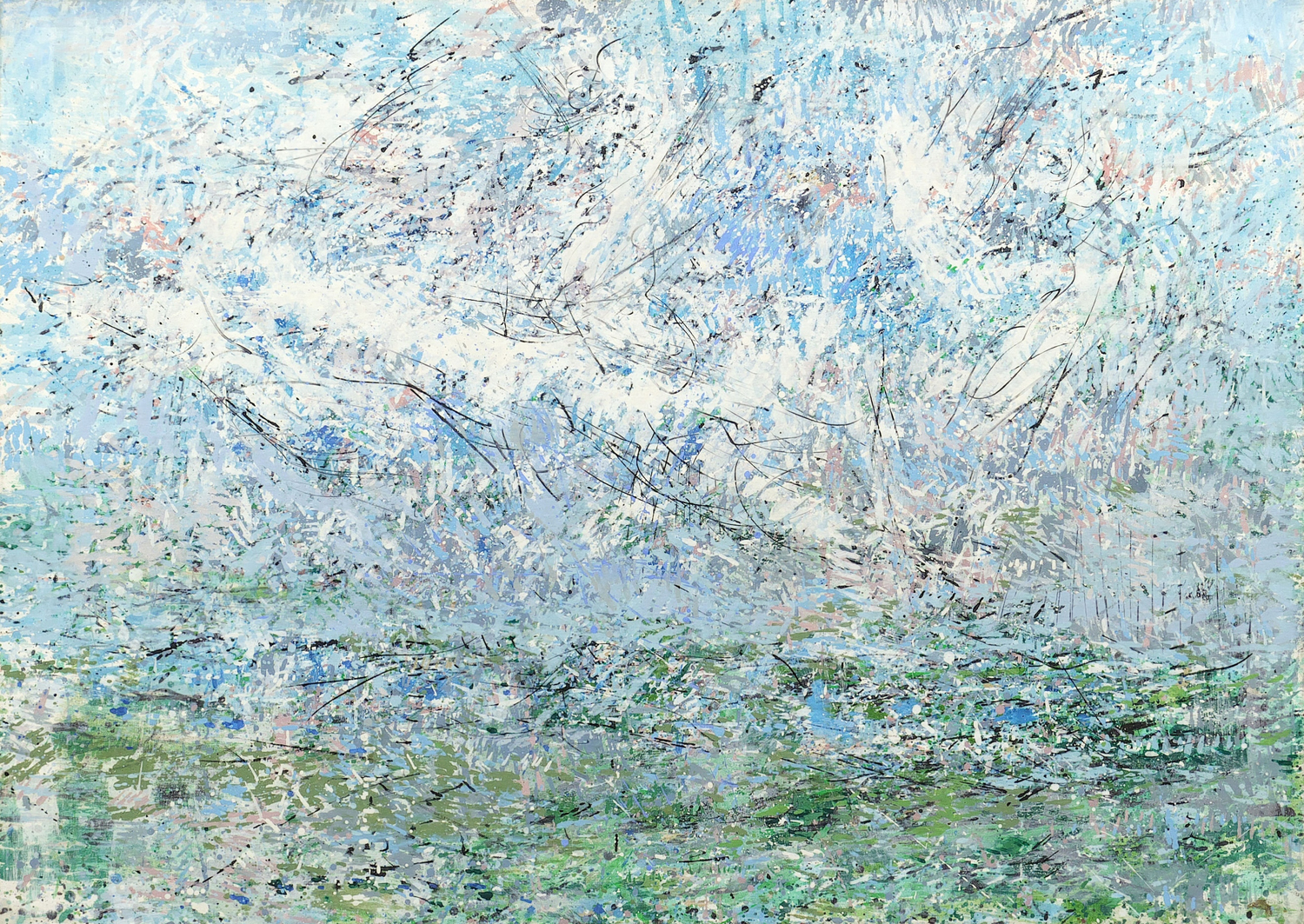
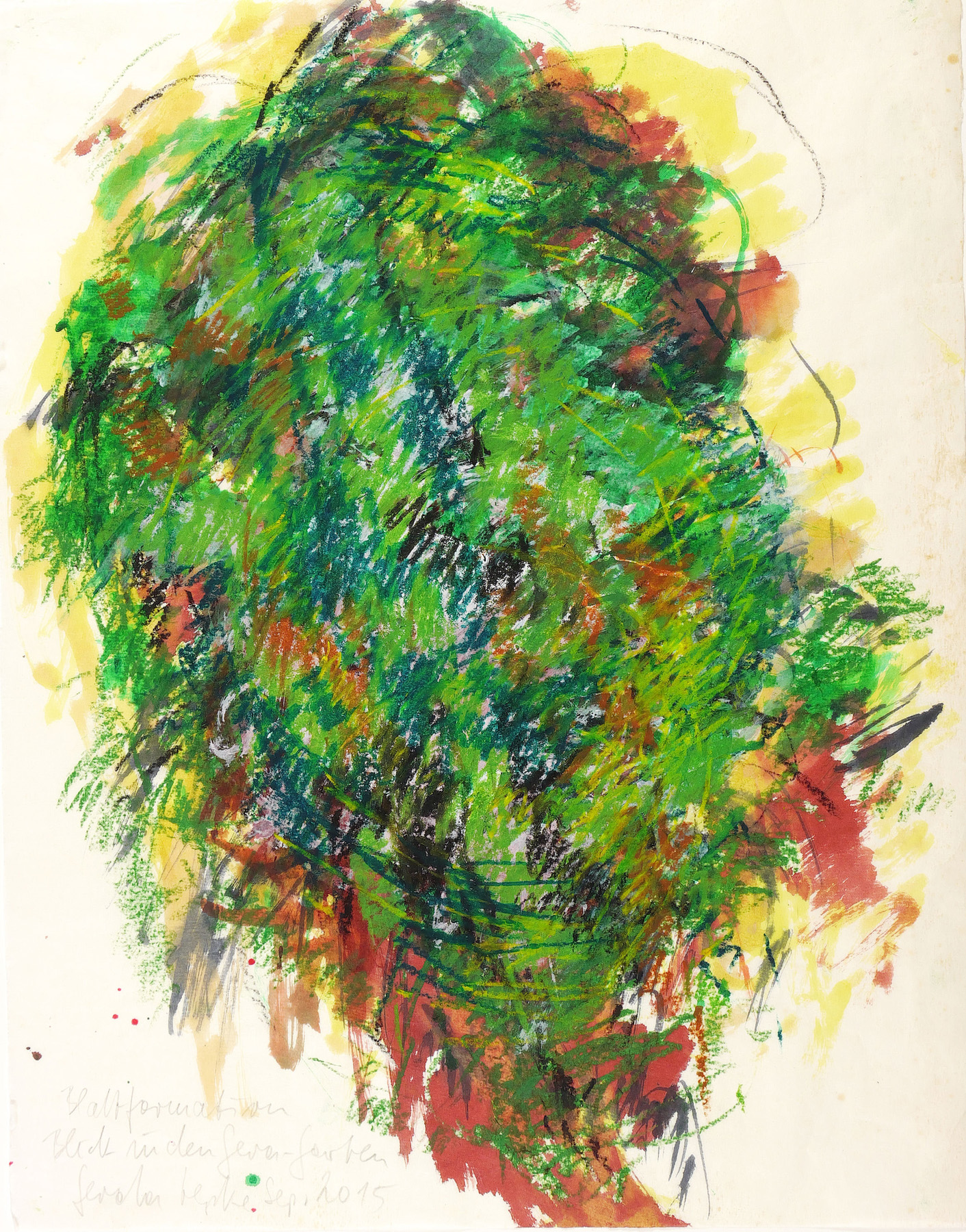
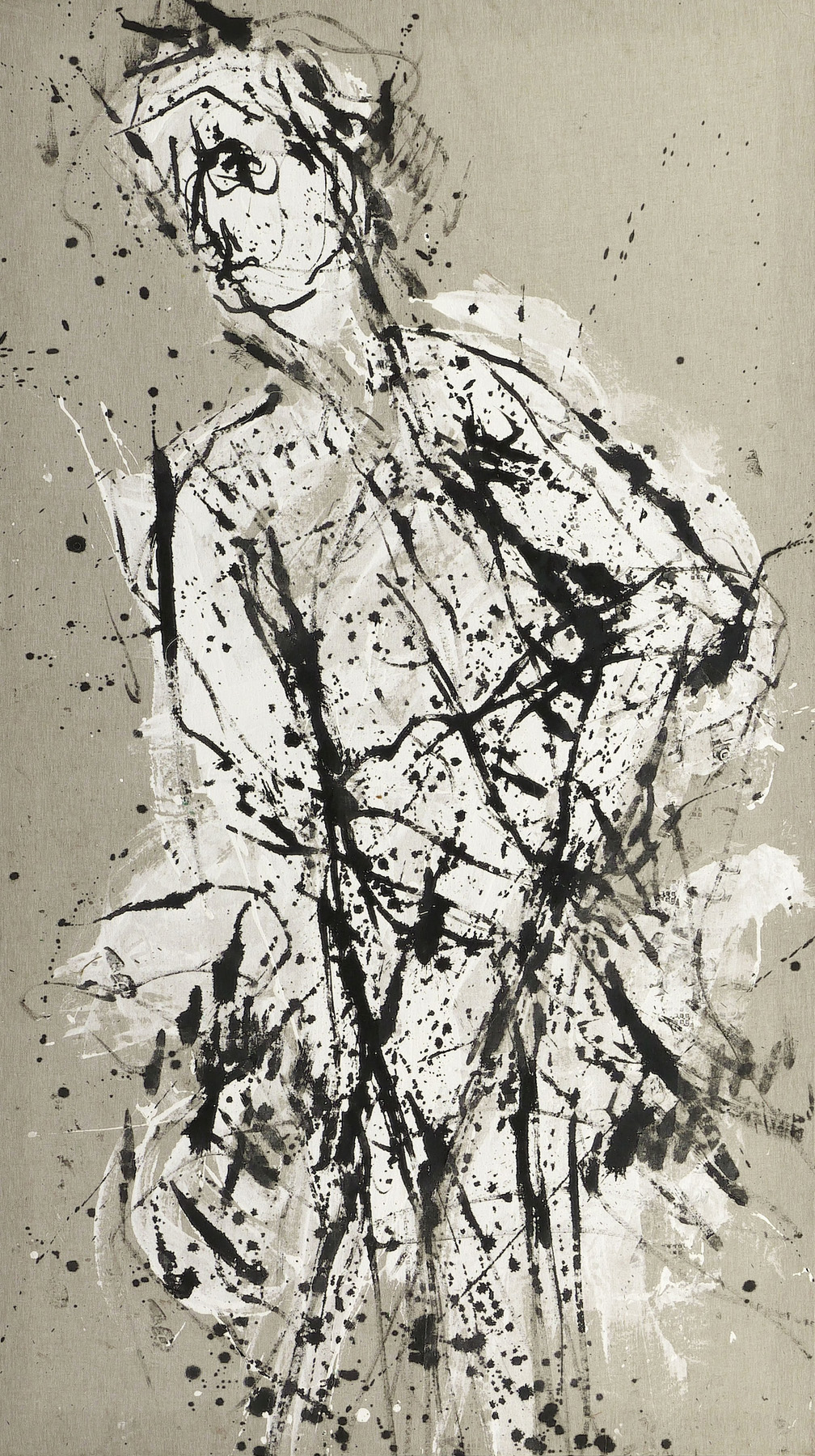
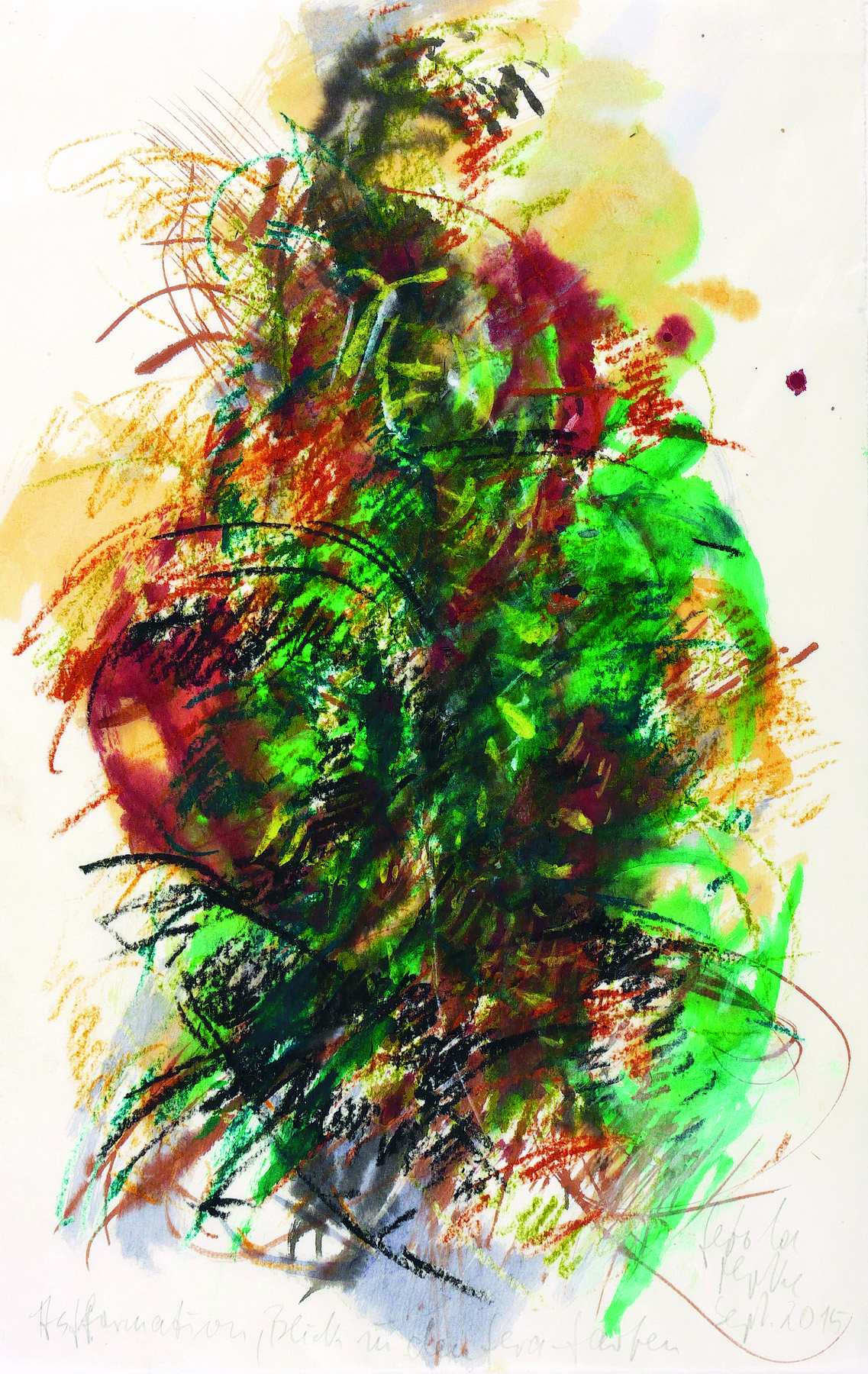
About five years ago, painter Gerda Lepke and ceramicist Kathrin Buskies met for the first time. Curious and fascinated, they approached each other's work. Since then, the two have been working closely together. They meet regularly for several weeks each year, usually when Gerda Lepke comes to Gera to paint in the studio house overlooking the unspoilt garden. Kathrin Buskies works in the immediate neighbourhood. Her spacious workshop with countless finished and unfinished vessels, with kilns, clay, tools, engobes and oxides tells the story of a woman who has dedicated her life to ceramic art. The initial impulse to get to know each other came from Gerda Lepke. She, the great Dresden painter, who can look back on a mature body of work that has grown over more than forty years, was inspired by the sight of Kathrin Buskies' archaic vessels Buskies, she was intrigued by the possibility of developing the main themes of her painting on a three-dimensional object: movement, light, space and fragment. Gerda Lepke has remained connected to her pictorial motifs throughout the years. Again and again, she has painted human figures and She has painted human figures and ancient sculptures, landscapes and skies, trees and branches again and again, always focusing on their changeability through time, light and space. Painting is a form of soliloquy for her, in which she struggles to find and invent, in which the object is constantly questioned. Gerda Lepke's vision is very strongly connected to her feelings. Gerda Lepke is not primarily concerned with content and meaning. Her images inevitably develop from form. She is interested in the exciting physical structure of a human figure, the movement and expression of a baroque sculpture. Form and contour are dissolved and enlivened by painterly means. She achieves this through her ecstatic lines, condensed layers of strokes, brush swings and splashes of paint that create vibrating and shimmering textures. The deliberately sketchy and fragmentary work, the cutting and cropping of the pictorial objects leads to a condensation and abstraction that always explores the representable between unrecognisability and recognisability. Ceramicist and designer Kathrin Buskies modestly refers to providing Gerda Lepke with clay »canvases«. With enthusiasm and a desire to experiment and discover, the two of them develop the With joy and a desire to experiment and discover, the two of them develop the vessel shapes together. Kathrin Buskies builds each vessel body with her hands. The resulting objects, made from rolled slabs and other assembled clay elements, are modelled in a time-consuming process. With their clear and reduced form, they radiate something archaic. Kathrin Buskies is deeply committed to clay as a material, with the necessary foresight, but also a sense of its possibilities and unpredictability. Despite many years of experience, chance and surprise play a major role in the firing process. It is not uncommon for only a small proportion of the fired vessels to pass muster. Kathrin Buskies is only satisfied when the vessels can withstand every angle, rotation and tactile examination, when they exude precisely the strength and beauty that make her signature so distinctive. Gerda Lepke draws, paints and scratches with brushes, sticks and knives on the damp clay, sometimes applying material to bring out structures. Kathrin Buskies repeatedly draws on her experience during the working process, because the reduced colour palette of the engobes and oxides, as well as the change in colours during firing, are new territory for Gerda Lepke, presenting her with both a challenge and an opportunity. Gerda Lepke has spread the full virtuosity of her unique painterly style, which is always also a drawing style, across the vessels. There are figures and rows of figures that seem to move on the clay surface. Landscapes, too, scratched and painted, follow the curve of the vessel. The result is an extraordinary harmony between two extraordinary voices.