Introduction
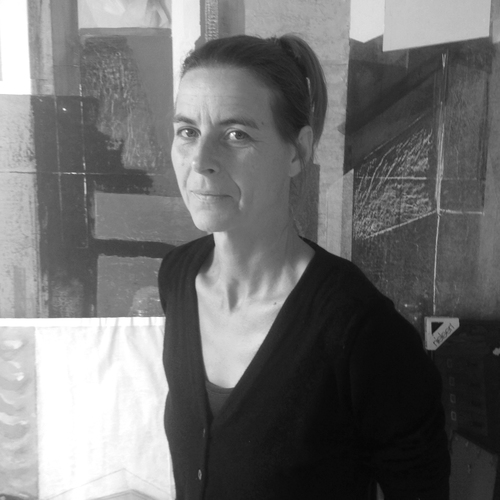
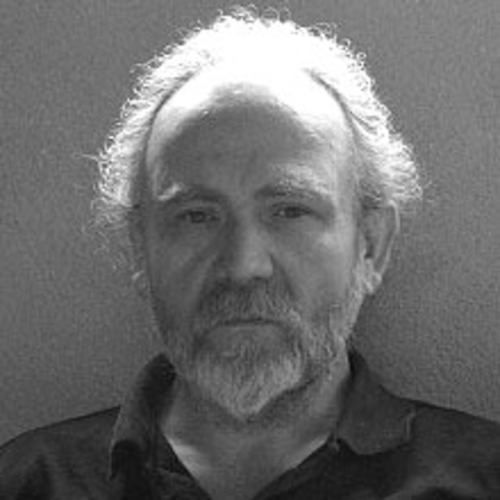
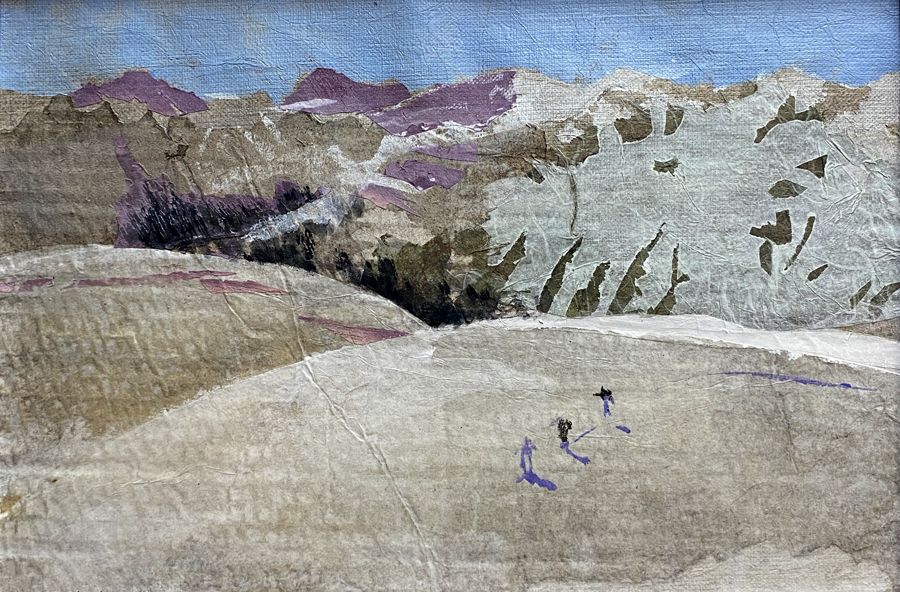
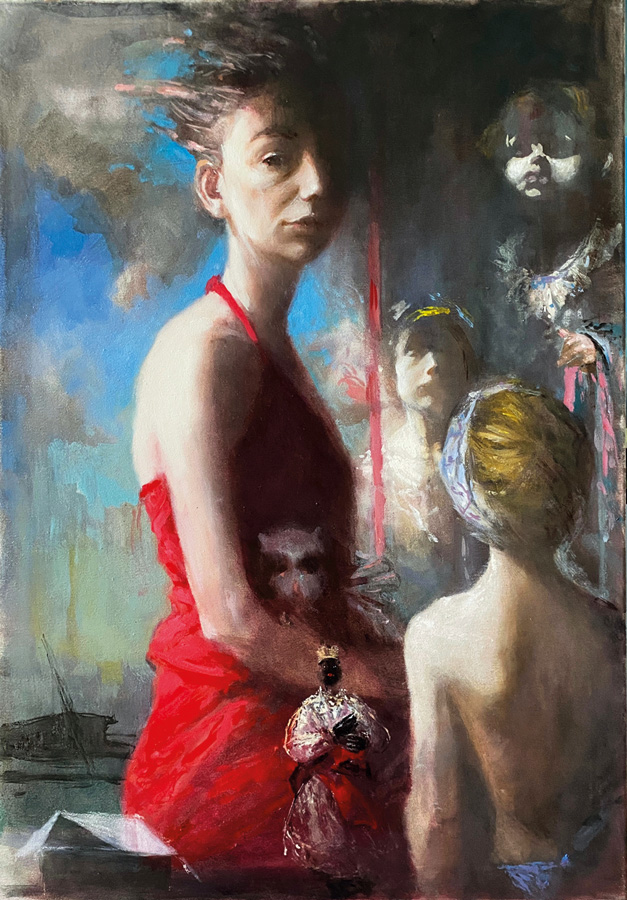
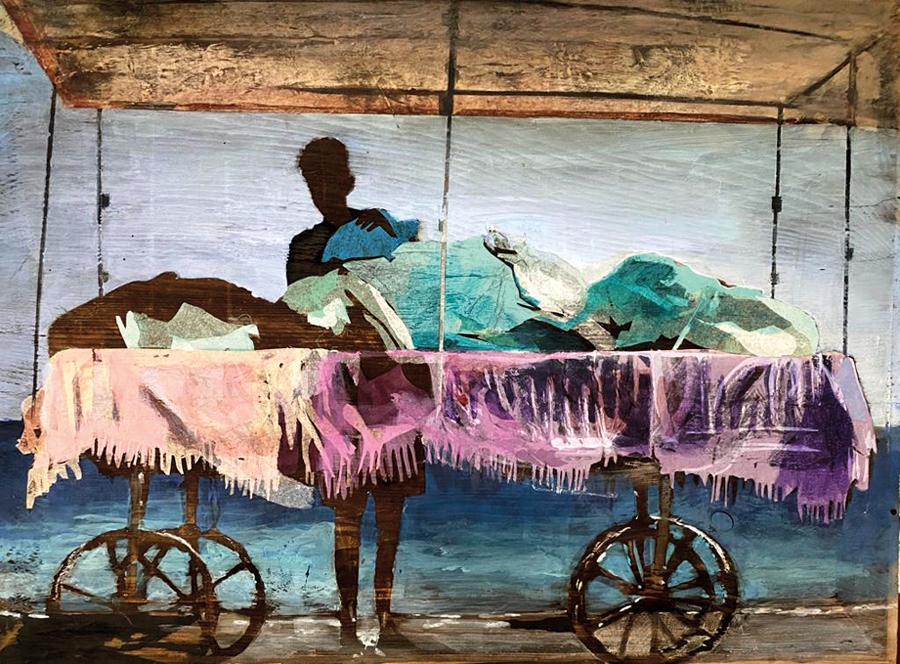
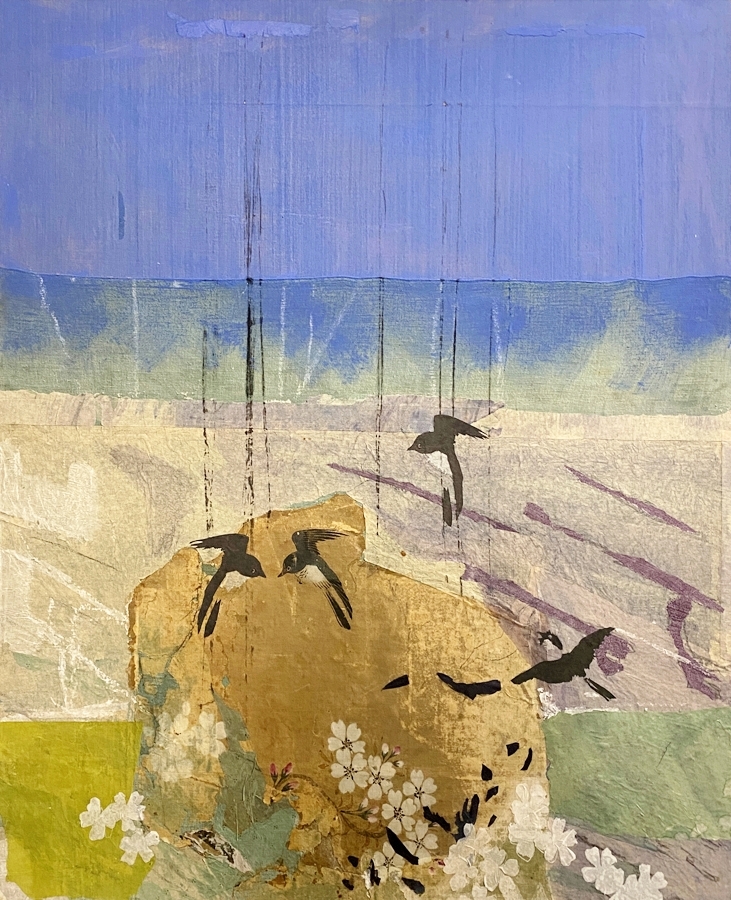
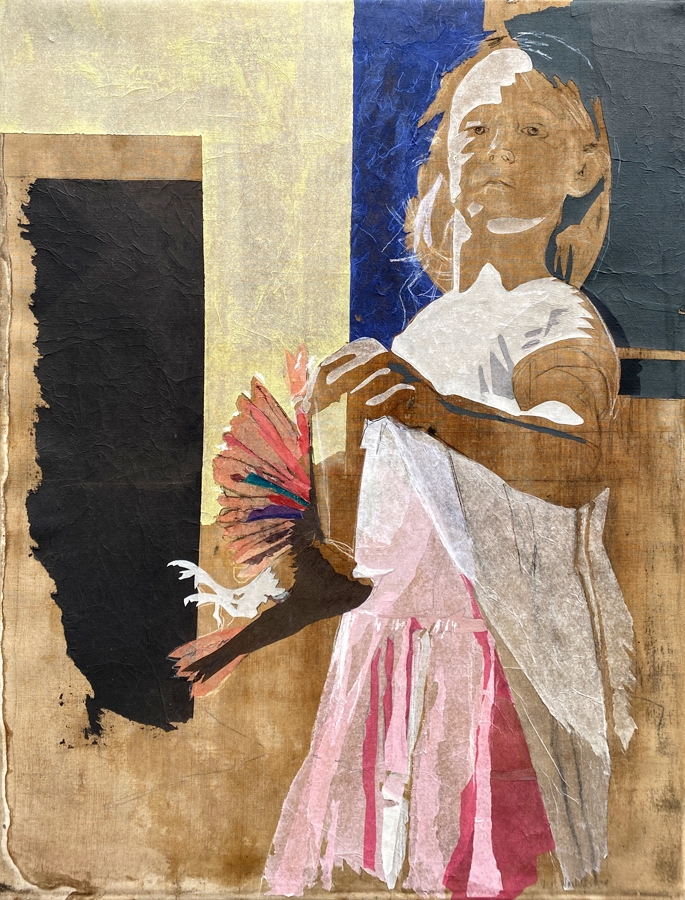
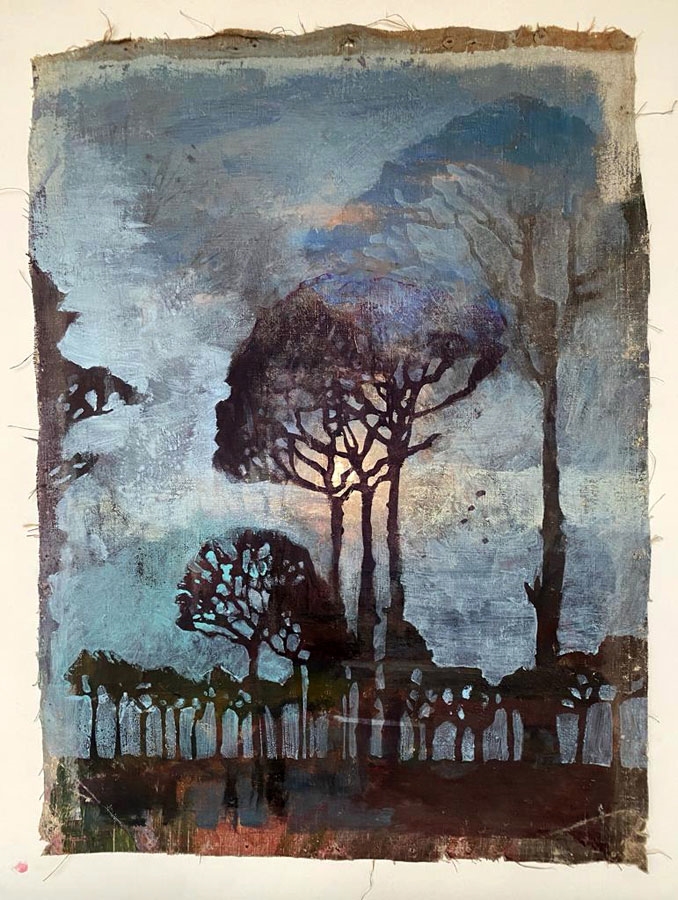
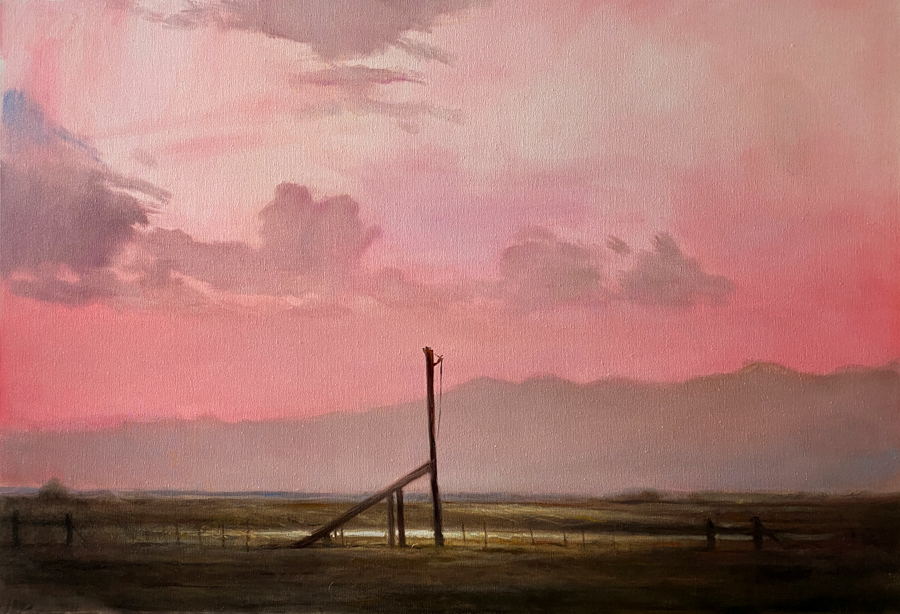
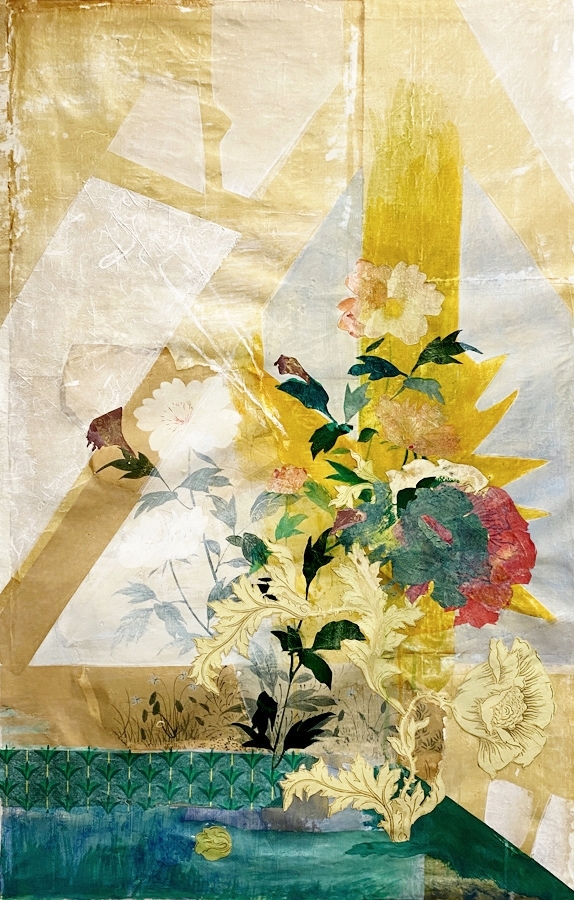
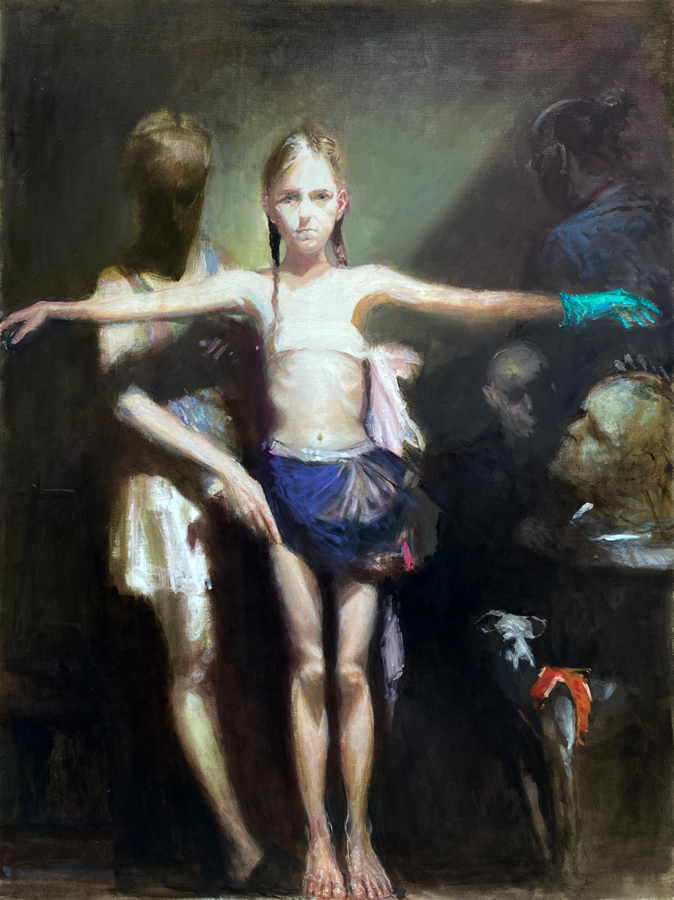
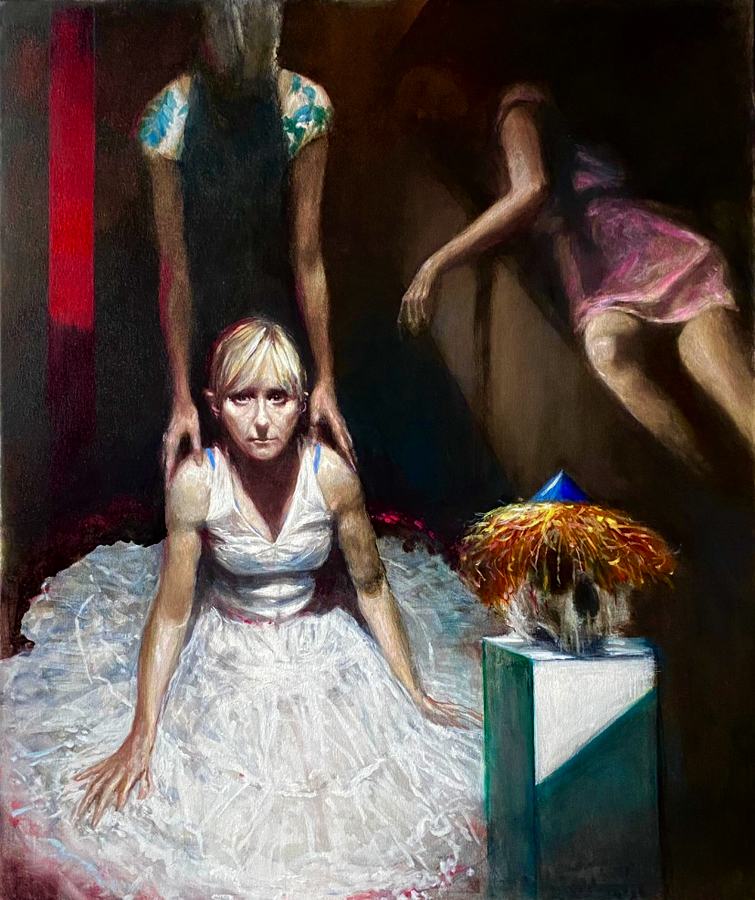
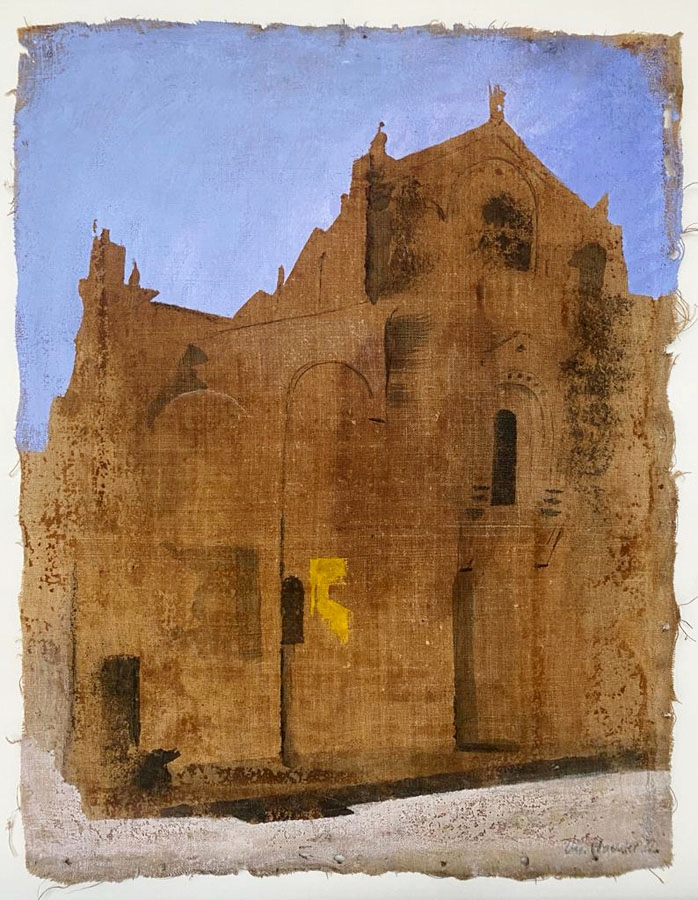
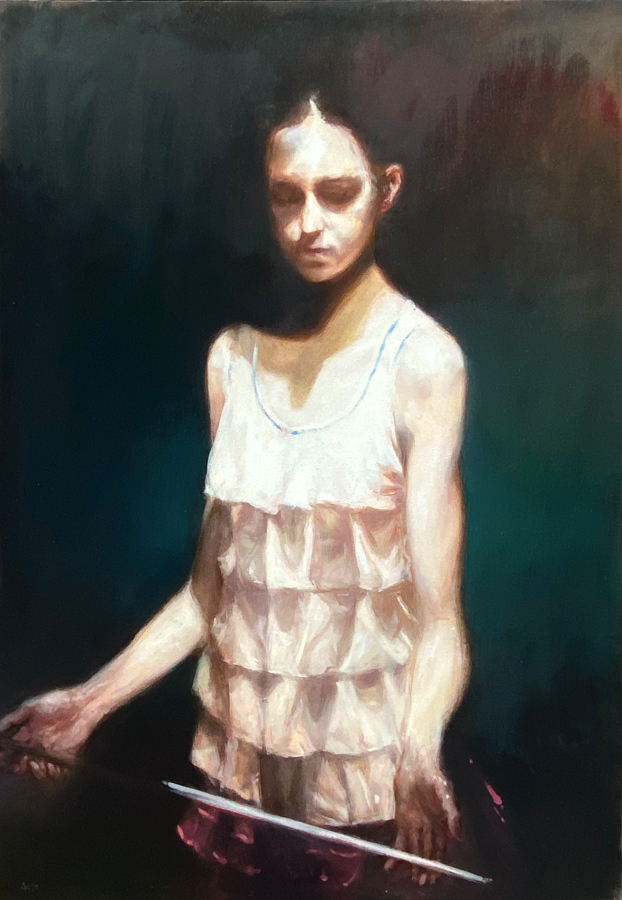
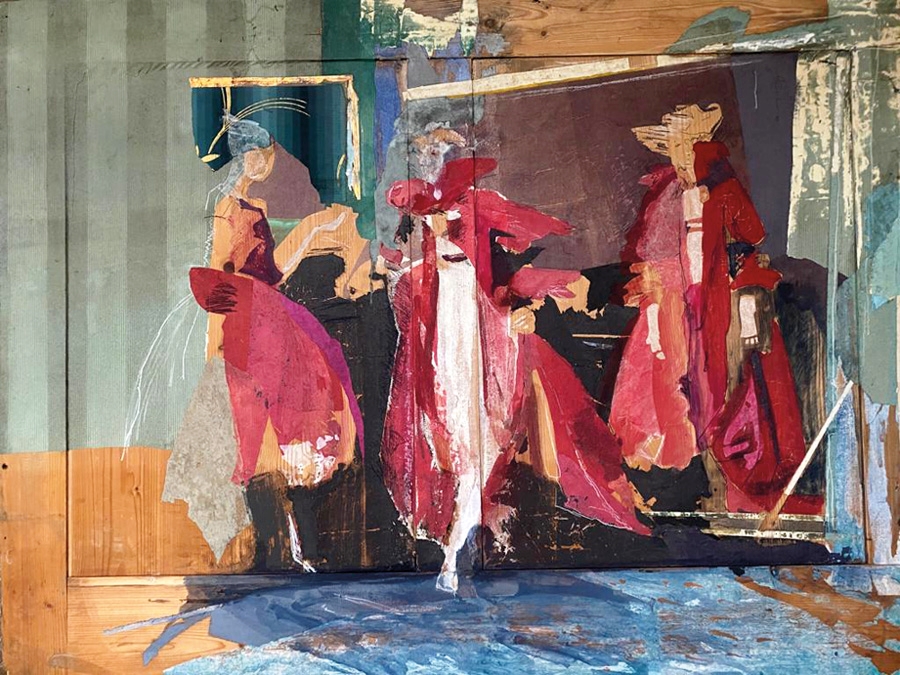
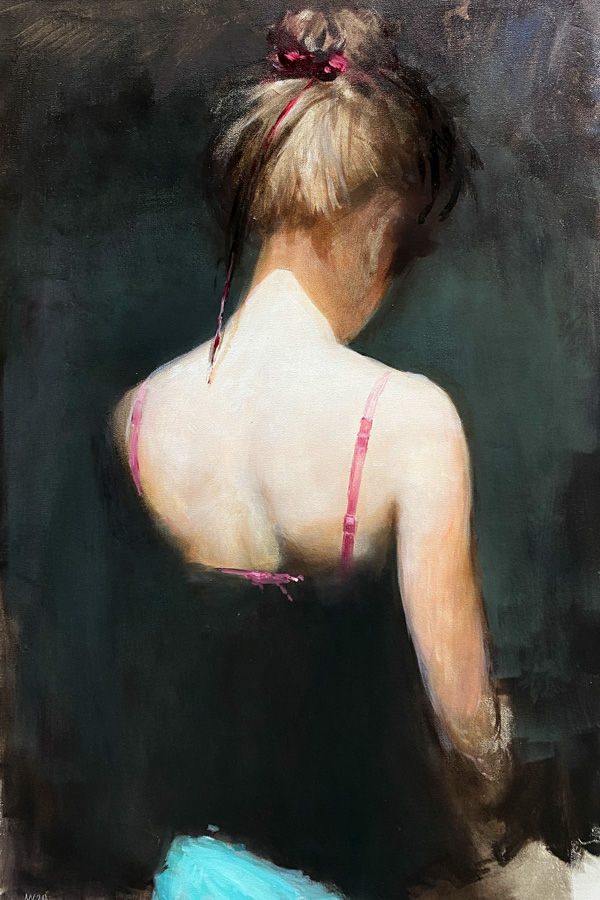
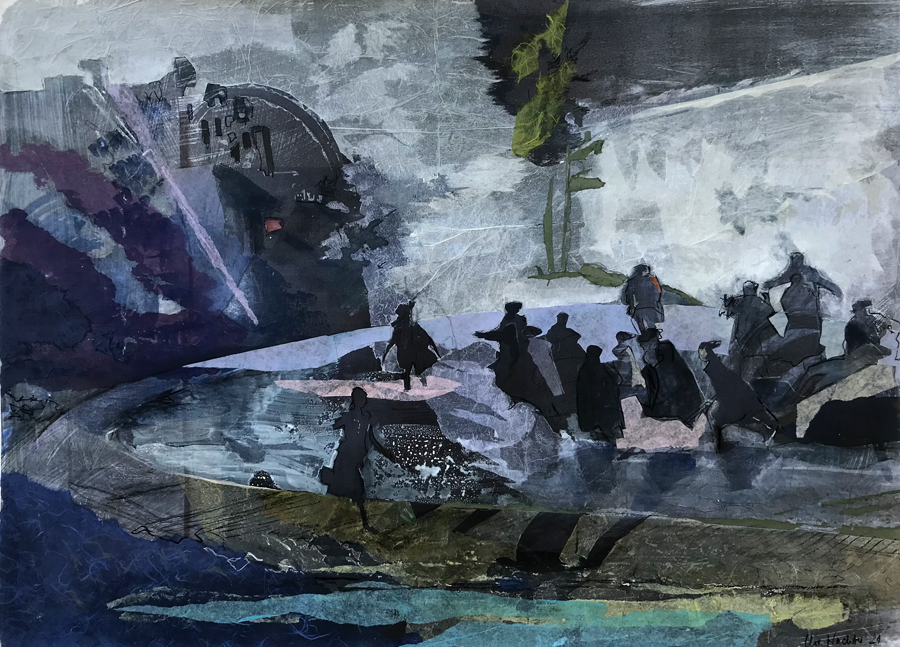
The artists Christiane Wachter and Andreas Wachter have been a couple for more than 30 years. Both studied art, Christiane Wachter at Burg Giebichenstein in Halle, Andreas Wachter at the Academy of Visual Arts in Leipzig. They have set up their lives and studios in Erllner Wiesengrund in the Muldental valley, working next door to each other. Andreas Wachter at the house, Christiane Wachter Andreas Wachter at the residential building, Christiane Wachter in the old Hinkelhaus. They can meet at any time to seek confirmation or gentle correction. There is no competition between them, rather joy at each other's success. As a successful artist couple, both operate on safe ground. They each create an independent oeuvre that grows out of their differences and similarities. Their works reflect each other and, despite all their visible and invisible similarities, above all show their individual styles. Common themes, whether existential in the broader sense or family-related in the narrower sense, are interpreted independently using a wide variety of techniques. On the one hand, there are paper collages and experimentation with different image carriers; on the other hand, there are oil paintings and figurative sculptures. The exhibition title ‘Treibgut’ (Floating Debris) can be understood as a metaphorical image. It describes the artists' intention to capture spontaneous visual inspirations that arise during the working process. The exhibition is curated by as fragments of motifs onto canvas and various image carriers and to link them into multi-layered constellations in order to capture moments of the irrational and enigmatic. Christiane Wachter, born in Erfurt in 1966, combines the special material aesthetics of all kinds of paper with sparing primers, overpaintings and outlines, which remain visible as underdrawings and sharpen structures or contours. Her basic approach is a deeply painterly one. At their core, her pictures are paintings that use collage as a medium and material. In the process, not only papers, but also special primers and image carriers are at the centre of the creative process. These include old roller blinds, historical school maps or teaching charts, and damaged canvases whose porous painting surfaces seem to be disintegrating. This experimental and open approach to materials and techniques is exciting and requires close observation to grasp the mastery of these impressive and subtle works. Andreas Wachter is one of the most exciting representatives of figurative art after 1945. The paintings of the artist, who was born in Chemnitz in 1951, are characterised by daring figure compositions, striking lighting, a stimulating colour concept and a virtuoso, technically brilliant style. His work combines the high art of drawing typical of Leipzig with an extraordinary colourism of his own creation. As a melancholic, Andreas Wachter is more of a loner among the Leipzig realists, placing his almost unapproachable figures in mysterious landscapes. His works convey a depth that has become rare since German Romanticism, and are at once so unsettling and strikingly beautiful that one would rather classify them as surrealist painting – a style of painting that springs equally from dream and reality, mixed with a sophisticated use of light in the tradition of chiaroscuro, light and dark.